
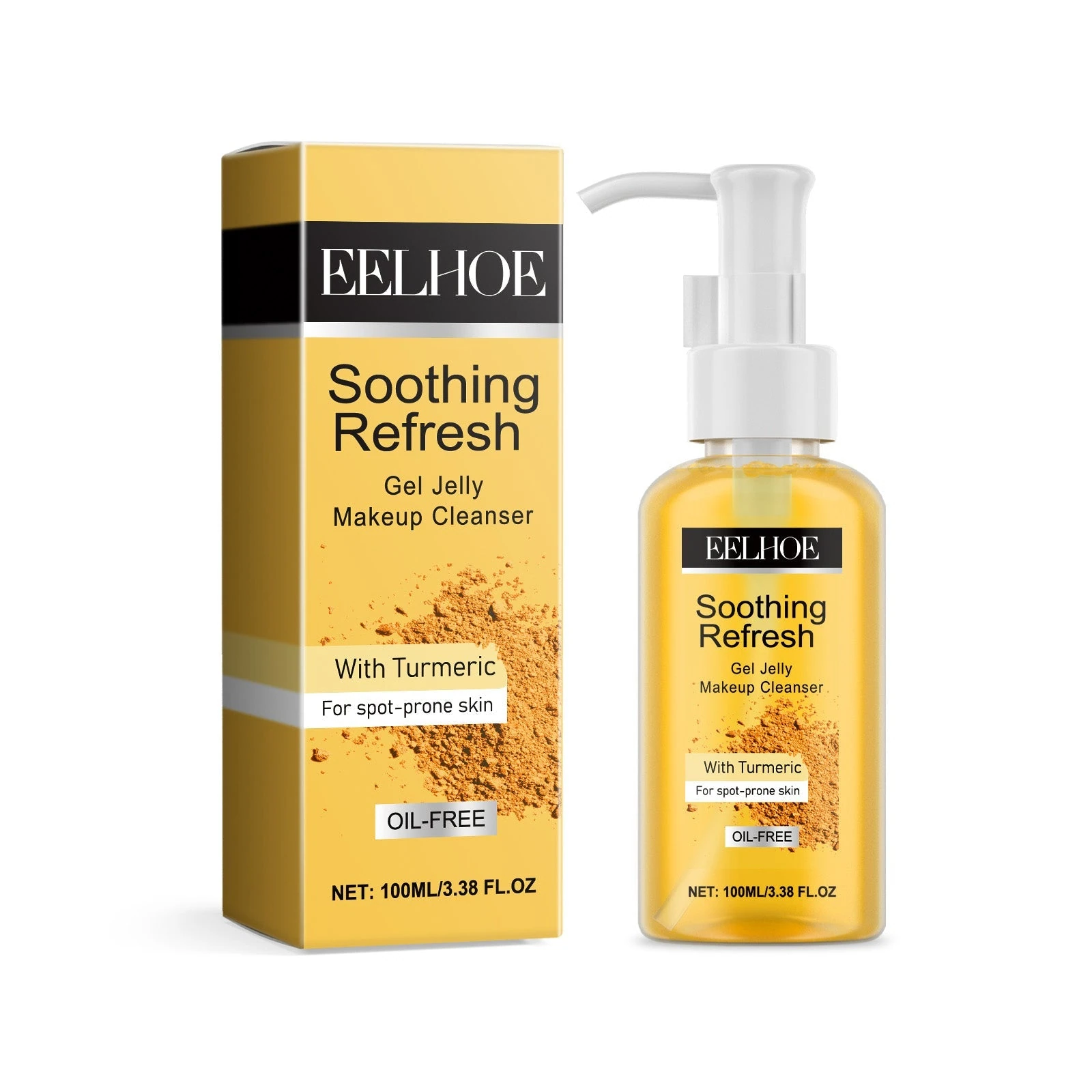
Choose a gel cleanser or cream cleanser by its complete formula, removal instructions and how your skin feels afterward. Texture is useful, but it is not a reliable rule that all gels suit oily skin or all creams suit dry skin. Some cream-style cleansers foam and rinse away; others have different directions. Read the exact product before choosing.
A good comparison answers a daily question: which cleanser will you comfortably use to remove the residue you have? This guide compares two GinGrowth examples, a 100ml pump jelly cleanser and a 50g moisturizing cleanser in a squeeze tube. Both are rinse-off products. The cream-style tube is not the same thing as a leave-on face moisturizer.
What gel and cream describe—and what they do not
Checking a scent or sensitivity requirement? Read how to assess fragrance in skincare and why ingredient highlights do not establish fragrance-free status.
Gel and cream usually describe the texture you see and spread. They do not give you a complete ingredient list, a measured pH or a validated skin-type recommendation. A clear or translucent appearance does not prove strong cleansing, just as an opaque appearance does not prove that a formula leaves more moisture behind.
Start with the intended job. Are you removing facial makeup, washing ordinary daily residue, or looking for a cleanser to use after another removal step? Then check whether the product is directed to a wet face, mixed with water in your hands, or applied by another method. A cleanser that feels convenient in the package may be less convenient if its routine does not match yours.
The American Academy of Dermatology’s face-washing guidance recommends gentle cleansing with lukewarm water and fingertips, followed by rinsing and gentle drying. Those handling choices matter across textures. A new gel or cream cannot compensate for very hot water, repeated scrubbing or leaving cleanser residue on the skin.
Is gel versus cream the same as gel versus foam?
No. Gel and cream describe a cleanser’s texture; foaming describes what happens during use with water. A cream-style cleanser can also be a foaming cleanser. GinGrowth’s 50g moisturizing cleanser is one example: its directions say to add water in the palms to form fine foam, apply gently and rinse. The word “cream” therefore does not tell you to leave this product on or wipe it off without water.
For the 100ml jelly cleanser, follow its own spread-and-rinse method rather than expecting the same lather. Neither texture nor the amount of foam establishes which finished formula is gentler or stronger. Choose first by the application method you prefer, then assess removal and comfort using that method.
On a small screen, swipe or scroll the table sideways to compare all columns.
| Detail | 100ml jelly cleanser | 50g cream-style cleanser |
|---|---|---|
| Packaging | Pump bottle | Squeeze tube |
| Texture and use | Spread gel; light circular massage over facial makeup or residue | Mix a small amount with water in palms to form fine foam |
| Highlights | Turmeric, aloe and glycerin | Turmeric and licorice |
| Removal | Rinse with water; avoid eyes | Rinse thoroughly |
| What the name does not establish | Measured pH or universal oily-skin suitability | Nonfoaming formula or universal dry-skin suitability |
| Fair comparison | Check removal, comfort and convenience in your routine | Check removal, comfort and convenience in your routine |
When the pump jelly cleanser makes sense
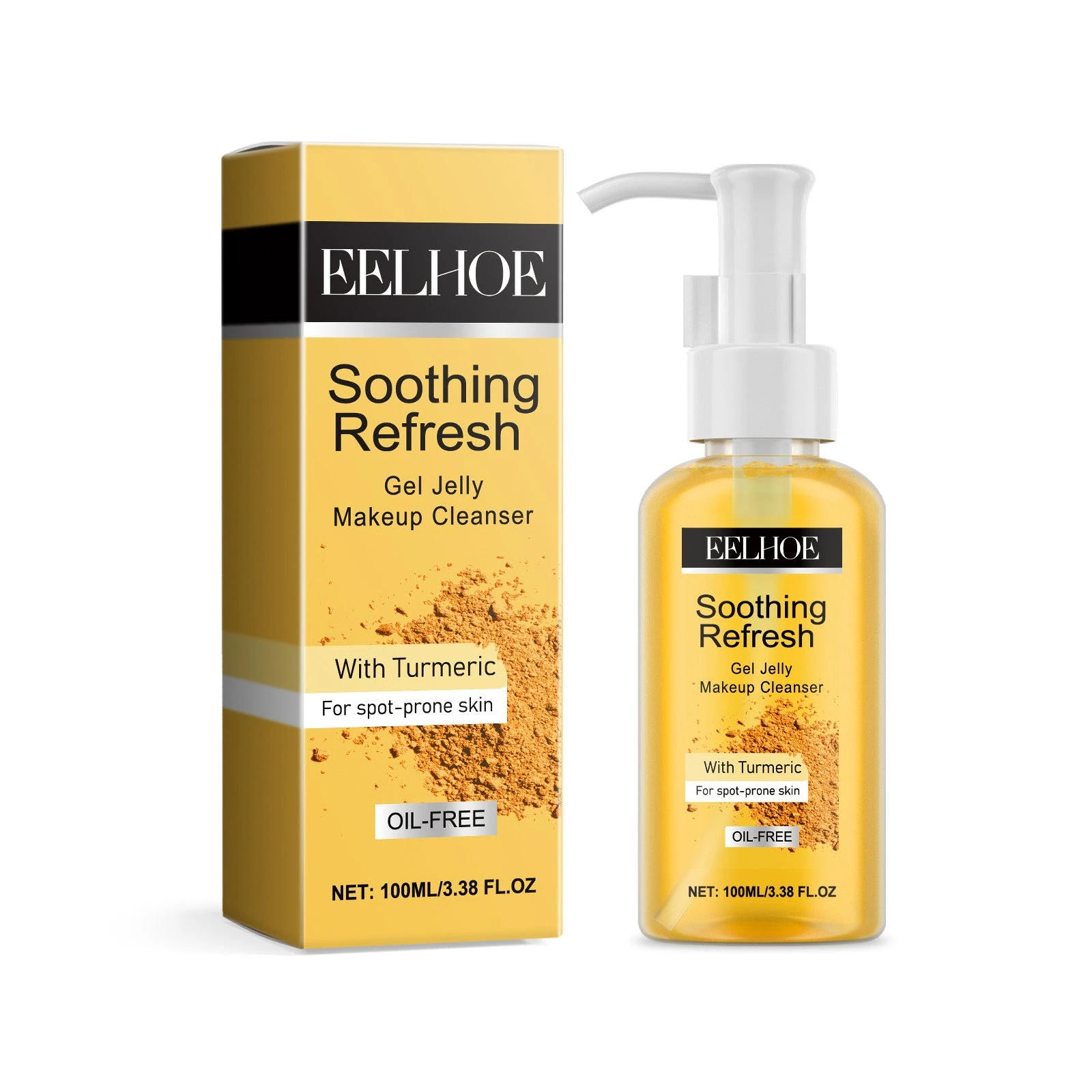
The 100ml turmeric jelly cleanser is a pump format with turmeric, aloe and glycerin among its highlighted ingredients. Its current method uses a small amount in clean hands, gentle spreading and light circular massage over facial makeup or residue, followed by a water rinse. Keep it away from the eyes.
This is a practical option to investigate if you prefer dispensing a gel rather than squeezing a cream or scooping a balm. The pump can make the format easy to keep by the sink, but there is no need to prescribe a fixed number of pumps without a measured dispenser dose. Start with the small amount directed by the product and follow the current package.
The listing does not establish a numerical pH, a head-to-head gentleness result or universal suitability for oily skin. Aloe and glycerin highlights are useful formula information, not proof that every sensitive user will tolerate the finished cleanser. If you have a specific ingredient concern, inspect the full label before choosing.
When the foaming cream-style cleanser makes sense
The separate 50g moisturizing cleanser comes in a squeeze tube and highlights turmeric and licorice. Its method adds water in the palms to form fine foam, then uses gentle circular application on the face before rinsing. That instruction is the key difference from the assumption that a cream cleanser must always be nonfoaming.
Choose this format if you prefer making lather in your hands and portioning from a tube. Do not leave it on as a cream mask, and do not skip the rinse because the product name includes “moisturizing.” A rinse-off cleanser can include moisture-oriented ingredients while still belonging to the washing step rather than the finishing moisturizer step.
This example also shows why you should avoid buying by a texture stereotype. “Cream cleanser for dry skin” may be a useful starting search, but the final choice depends on the actual formula and your response. A product that leaves your skin stinging or uncomfortably tight is not the right routine simply because its texture sounds rich.
Does skin type decide between gel and cream?
Before choosing by a skin-type label, use our guide to observing your skin type across different facial areas, including oil patterns, dryness and sensitivity.
Skin type can help you describe your preferences, but it should not replace the label. For oil-prone skin, the aim is comfortable removal of excess residue, not stripping until the skin feels squeaky. For dry-feeling skin, look at the whole routine, including water temperature and the moisturizer used afterward. For combination skin, different areas may need different amounts of finishing moisture rather than two aggressive cleansers.
If your skin becomes irritated easily, pay close attention to the complete ingredient list and keep the routine simple. Neither of these products is presented as universally suitable for sensitive skin. Avoid comparing them while simultaneously adding a scrub, exfoliating pad and new serum; that makes it harder to identify the source of discomfort.
A useful trial is practical rather than dramatic. Keep the makeup or sunscreen you normally wear consistent, use one cleanser according to its directions, and note removal, comfort and convenience. Stop if irritation develops. You do not need to wait through persistent burning to decide that a formula or method is not working for you.
A rinse-off method that keeps the comparison fair
To fit cleansing around morning, evening and exercise, read how often to wash your face.
If the alternative you are considering contains exfoliating grains, read face scrub versus face wash; that is a different decision from choosing gel or cream cleansing texture.
- Read whether the product is rinse-off and which facial areas it is intended for.
- Take a small amount with clean hands and follow its starting-water directions.
- Spread gently with fingertips; make foam first if the label instructs it.
- Rinse thoroughly with comfortably lukewarm water and pat dry.
- Apply your suitable moisturizer and reassess if the skin stings or feels tight.
Use similar care when assessing either format. A gel used with gentle fingertips and a cream used with a rough brush are not a fair texture comparison. Likewise, using a very large amount of one product and a small directed amount of the other can change the result for reasons unrelated to the category.
After rinsing, check for obvious missed makeup around facial contours without repeatedly rubbing the same area. Dry gently, then continue with a suitable moisturizer. The goal is clean, comfortable skin that is ready for the next step, rather than a dramatic tight sensation that you interpret as proof of thorough cleansing.
For the rest of the sequence, see our turmeric skincare routine order. A cleanser belongs before leave-on serum and cream. If an occasional mask is part of your routine, identify whether it must be rinsed away before arranging the later steps.
Do you need a separate makeup-removal step?
That depends on the makeup or sunscreen, the cleanser’s instructions and the residue left after correct use. Do not assume that every person needs two cleansers, or that every single cleanser removes every long-wear product. Begin with the product’s stated purpose and use a suitable removal method for any eye makeup that falls outside its directions.
If you want to compare a balm with an oil for the removal stage, use the cleansing balm versus cleansing oil guide. That is a different choice from gel versus cream texture. You can also read how to use pre-soaked makeup remover pads if you prefer a single-use pad format with a rinse.
Adding a second cleanser should solve a clear removal need. If you are already clean and comfortable, more washing is not automatically an upgrade. If you are left with residue, first check the amount, application areas and rinse before concluding that you need a longer routine.
Troubleshoot by the result you actually notice
Checking an older tube? Read how to check face-wash expiry and opening periods before comparing a replacement formula.
If the face feels tight, review water temperature, cleanser amount, washing frequency and whether you are following with appropriate moisture care. If the skin stings, stop the irritating product rather than adding another active treatment to counteract it. Persistent irritation deserves individual advice.
If the cleanser seems difficult to spread, check its starting-water instructions. The featured cream is meant to form foam in the palms with water; treating it like a leave-on cream misses that preparation step. With the jelly cleanser, follow its current method instead of assuming a dry-face application because another product worked that way.
If you dislike a dispenser or texture despite comfortable cleansing, that preference matters. A routine you can portion and rinse consistently is more useful than a theoretically perfect category that you avoid using. Packaging convenience is a legitimate reason to choose, as long as it is not confused with proven cleansing superiority.
For the next decision, review the pump jelly cleanser or the foaming cream-style tube, then check the formula and directions on the product page.
Sources and product information
The AAD face-washing resource supports the general handling guidance. Product sizes, ingredient highlights and rinse-off methods were checked on October 17, 2026. GinGrowth sells both examples; the comparison explains their formats and directions rather than claiming a clinical superiority result.