
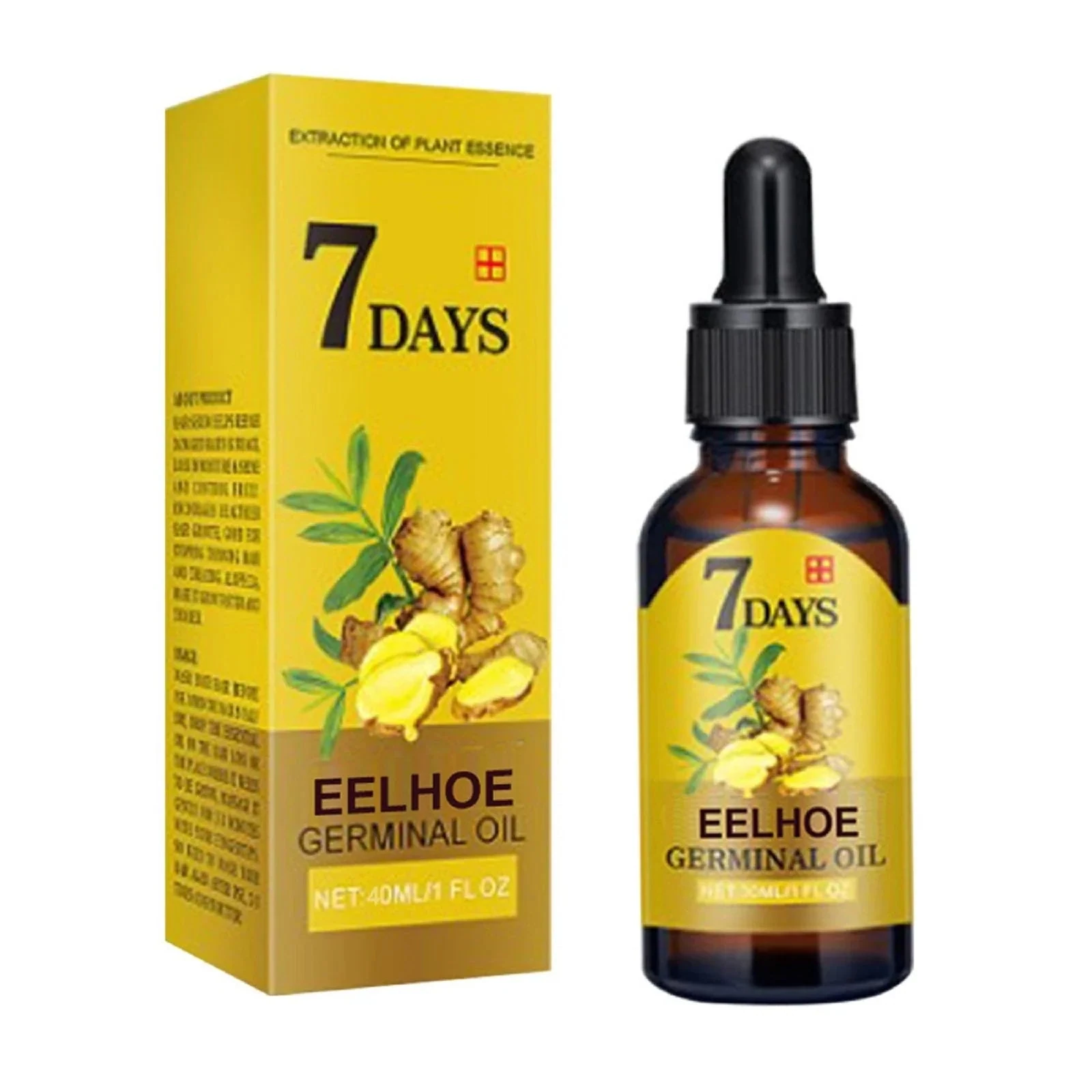
The useful difference between hair tonic and hair oil is the actual formula and intended use. A water-based scalp tonic can provide a moisture step without an oil base; a scalp oil provides an oil-based care layer. Neither name alone tells you whether to apply it to the scalp or lengths, whether to rinse it off, or whether it treats hair loss.
Start with the job you want the product to do, then compare the directions. Here we examine GinGrowth’s 40ml water-based ginger tonic and its separate 30ml dry scalp oil. Both examples are intended for the scalp. They are not interchangeable with every hair oil sold for smoothing ends, and you do not need to buy both to build a useful routine.
Can a hair tonic contain oil?
“Hair tonic” is a broad product name rather than a single standardized formula. A tonic can contain oils: Twinkle Apothecary’s published comparison describes a watermelon-seed-and-jojoba-oil tonic. That page also says the tonic was discontinued in January 2022, so it is a documented naming example, not a current product recommendation. GinGrowth’s 40ml tonic discussed below is water-based.
“Hair oil” also covers multiple jobs: pre-wash application, scalp care and a small finishing amount on the lengths are not the same routine. Neither category name identifies the intended area on its own.
Look for the ingredient list, intended area, contact instructions and amount. Do not assume that a bottle called a serum is always lighter than a tonic, or that a botanical name establishes the base. Our guide to what hair tonic means explains the naming question. This comparison focuses on choosing between a water-based scalp step and an oil-based scalp step.
Ingredient highlights can help identify the examples, but they are not a substitute for the full package label. They cannot establish every ingredient that is absent, a measured absorption time, or how your scalp will tolerate the finished formula. If a specific ingredient matters to you, check the exact bottle rather than relying on a general category description.
On a small screen, swipe or scroll the table sideways to compare all columns.
| Detail | 40ml scalp tonic | 30ml scalp oil |
|---|---|---|
| Formula base | Water-based | Oil-based |
| Highlights | Ginger, glycerin, sodium PCA and panthenol | Mineral oil, hydrogenated castor oil, olive oil, vitamin E, rosemary and ginger |
| Application area | Parted scalp | Parted scalp |
| Preparation | Wet or dry starting condition is not specified | After washing and drying |
| Method | Small dropper portion; gentle 2–3-minute massage; leave on | Small dropper portion; gentle massage |
| Schedule | Morning and evening shown in directions | A universal daily schedule is not specified |
| Decision boundary | Scalp moisture step without choosing an oil base | Scalp oil format; check tolerance and residue |
When the water-based tonic fits your preferences
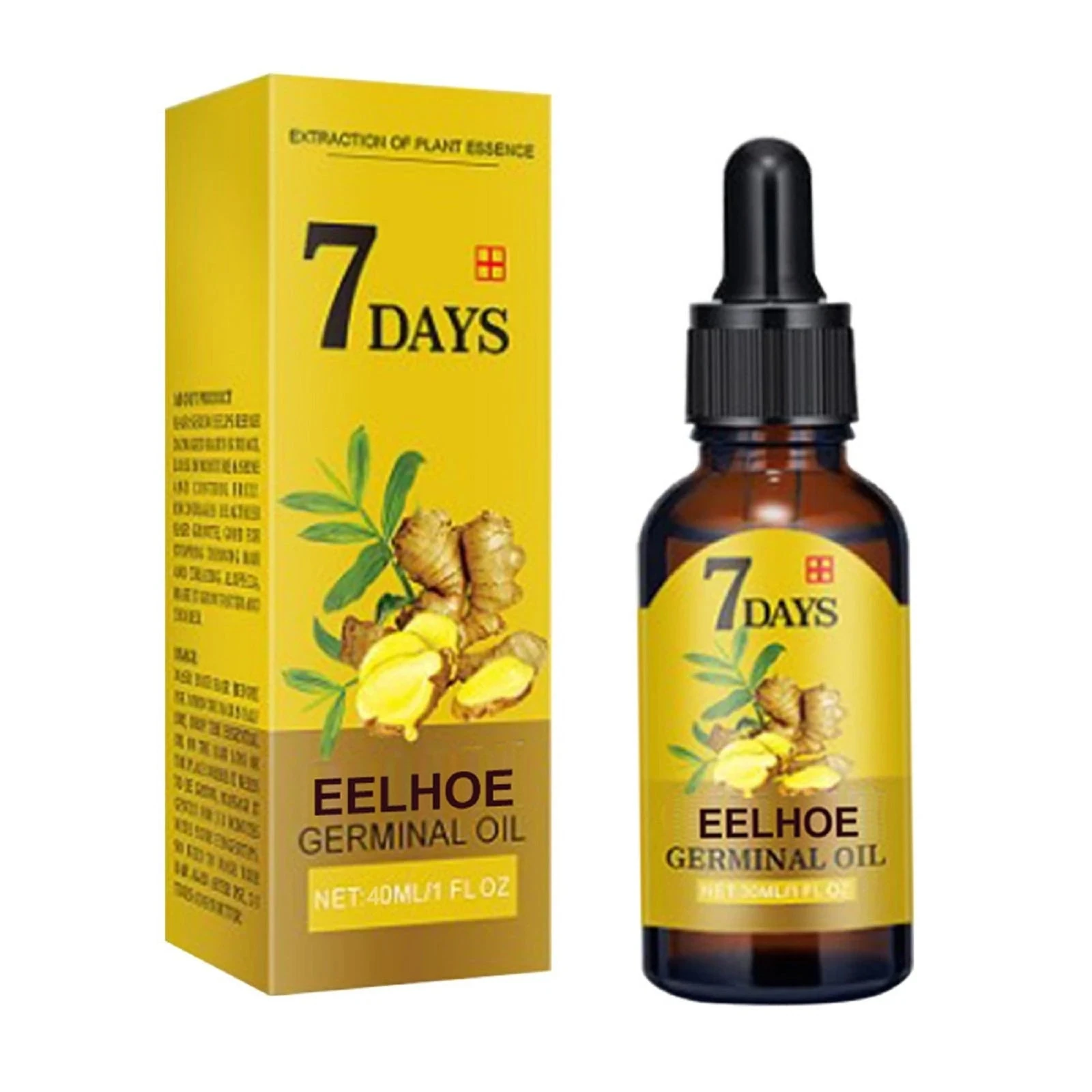
The 40ml ginger hair tonic lists water with glycerin, sodium PCA and panthenol among its formula highlights. It is a relevant option when you want a scalp moisture step and prefer to begin with a water-based product. The small dropper portion and parted-scalp application help you direct the product to the intended area rather than coating all the hair.
The current directions describe gentle massage for two to three minutes and leaving the product on, with morning and evening use illustrated. They do not establish whether the starting scalp must be wet or dry. Follow the current package for that detail; do not borrow the preparation instructions from the oil simply because both bottles have droppers.
A water-based formula is not proof that every user will find it weightless, that it contains no alcohol, or that it will never leave residue. Portion size, hair density and other leave-on products still matter. If you are trying it for the first time, avoid adding a second new scalp product at the same time so that you can assess comfort and practical fit.
When the scalp oil is the more relevant format
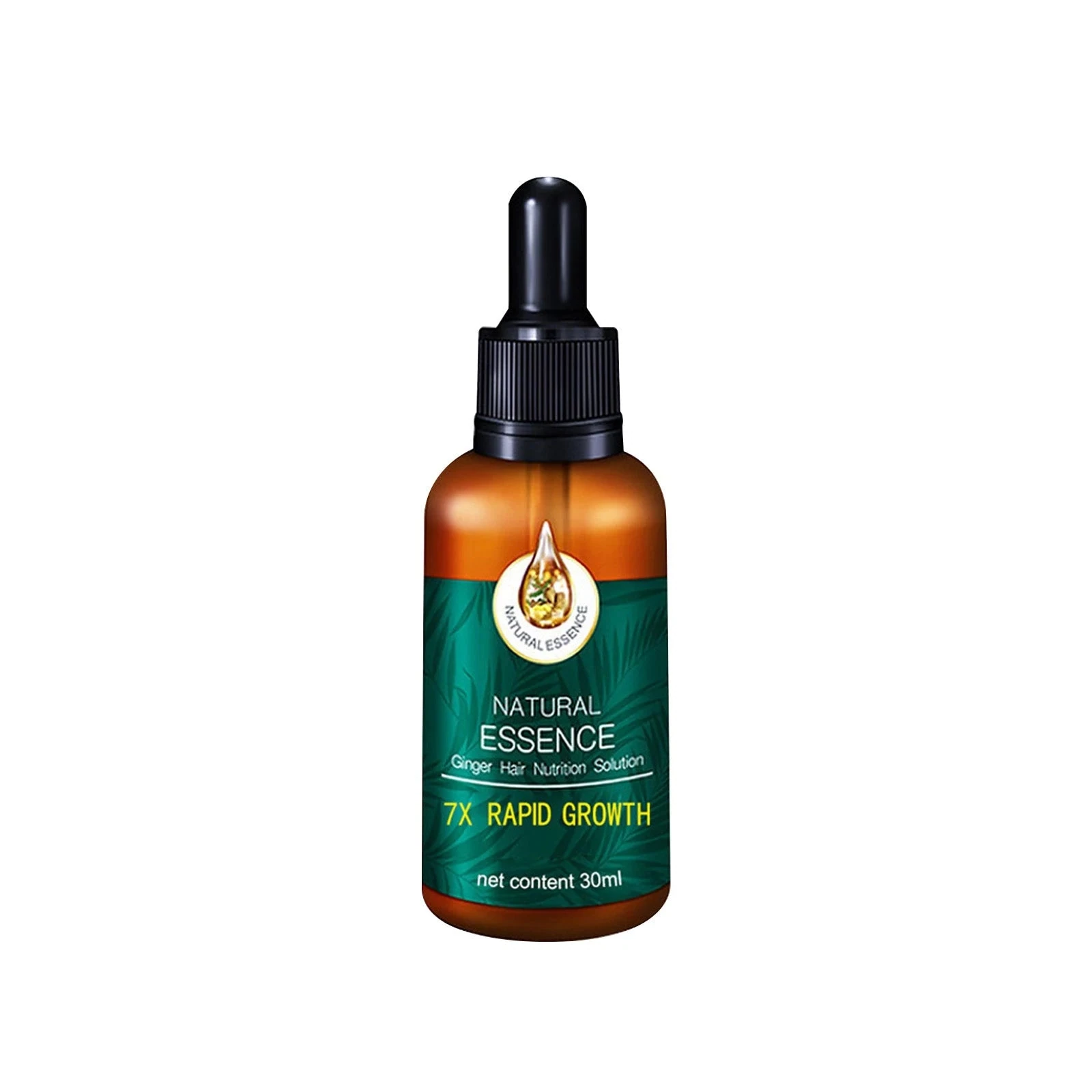
The separate 30ml dry scalp oil has an oil-based formula with mineral oil, hydrogenated castor oil, olive oil, tocopherol, rosemary leaf oil and ginger root extract among the listed ingredients. Its directions start after washing and drying, then use a small dropper portion on parted scalp sections with gentle massage.
That preparation is important. It does not make this bottle a generic oil for wet lengths, nor does it establish an overnight pre-wash treatment. The illustrated method does not show an immediate rinse, but a universal daily schedule is not specified. Read any additional directions on the package rather than inventing a contact period or applying more simply because the scalp feels dry.
Choose the oil format because you prefer that kind of scalp-care layer and can use it comfortably within your wash routine. If it leaves the roots more coated than you want, first reconsider the amount and distribution. A rich-looking ingredient list is not a reason to keep increasing the dose or to apply it over an irritated area.
Scalp care and hair-length care are different decisions
A dry-feeling scalp and rough-feeling ends can occur together, but the application areas are still different. A scalp-directed tonic belongs on scalp sections. A conditioner or a product specifically intended for lengths belongs where its instructions say. Moving one product everywhere can leave the roots overloaded while the ends still need appropriate conditioning.
If your main frustration is tangling or friction through the ends, compare length-care options before deciding that you need a scalp oil. The American Academy of Dermatology’s hair-care guidance recommends gentle washing, appropriate conditioner and careful handling. Those basics remain useful whether or not you add a tonic.
For mixed needs, our oily-roots and dry-ends routine shows how to separate the jobs. The practical question is not which bottle has the most promising name. It is whether the product is directed to the area you actually want to care for and whether it fits the rest of your routine without creating another problem.
A five-step way to choose one starting product
Before reusing an older bottle, check hair oil expiry, storage and signs of change rather than assuming a normal smell proves freshness.
- Decide whether the concern is the scalp or the hair lengths.
- Read the base ingredients and the intended application area.
- Compare washing, drying and leave-on instructions for the exact bottle.
- Introduce one suitable format at a time, using a small directed portion.
- Keep washing and styling consistent while checking comfort and residue.
Imagine two common situations. In the first, you want a small scalp moisture step but dislike the idea of an oil base. The water-based tonic is the more relevant product to investigate. In the second, you specifically prefer a scalp oil applied after washing and drying. The 30ml oil is the closer match to that routine. These are preference-based choices, not a head-to-head performance ranking.
After choosing, keep a short practical record: amount used, application area, scalp comfort and whether the roots feel coated before the next normal wash. You do not need an elaborate diary. The goal is to notice whether the product is easy to use consistently, rather than interpreting every change in hair appearance as proof of growth or failure.
Do not continue a product that causes burning, persistent itching or a rash simply to finish a trial period. Likewise, flakes or marked scalp discomfort should not automatically be diagnosed as ordinary dryness. A cosmetic moisture step does not identify the cause of a scalp condition.
Can you use hair tonic and hair oil together?
Possibly, but the category names do not establish compatibility, and these two finished products have not been assessed here as a combined routine. Start by asking what the second bottle adds. If one product already meets the task comfortably, layering another one may only make portioning and washing more complicated.
If both are already tolerated and you are considering using them in one routine, check each product’s instructions first. Do not assume a face-skincare rule such as “water before oil” overrides scalp preparation or application directions. Introducing them separately also makes it easier to recognize which product causes residue or irritation.
If you overapply an oil and want to remove it, use the gentle guide to washing oil out of hair. That is a correction for an unwanted coating, not a reason to add an extra shampoo session after every correctly portioned leave-on product.
Is hair tonic better than hair oil for hair growth?
A tonic or oil label does not establish a hair-growth treatment effect. The AAD’s hair-loss treatment guidance explains that treatment depends on the cause. These examples are compared for their formula and scalp-care routine, not as proven substitutes for diagnosis or treatment of thinning.
Choose one starting format: review the water-based tonic if that is your preference, or review the scalp oil if an oil-based step after washing and drying fits your routine.
Sources and product information
Product ingredients and application details were reviewed on October 17, 2026. The external AAD resources support general hair care and the distinction between cosmetic care and hair-loss assessment. The two product examples are sold by GinGrowth; no comparative absorption, growth or combination-use test is claimed.