
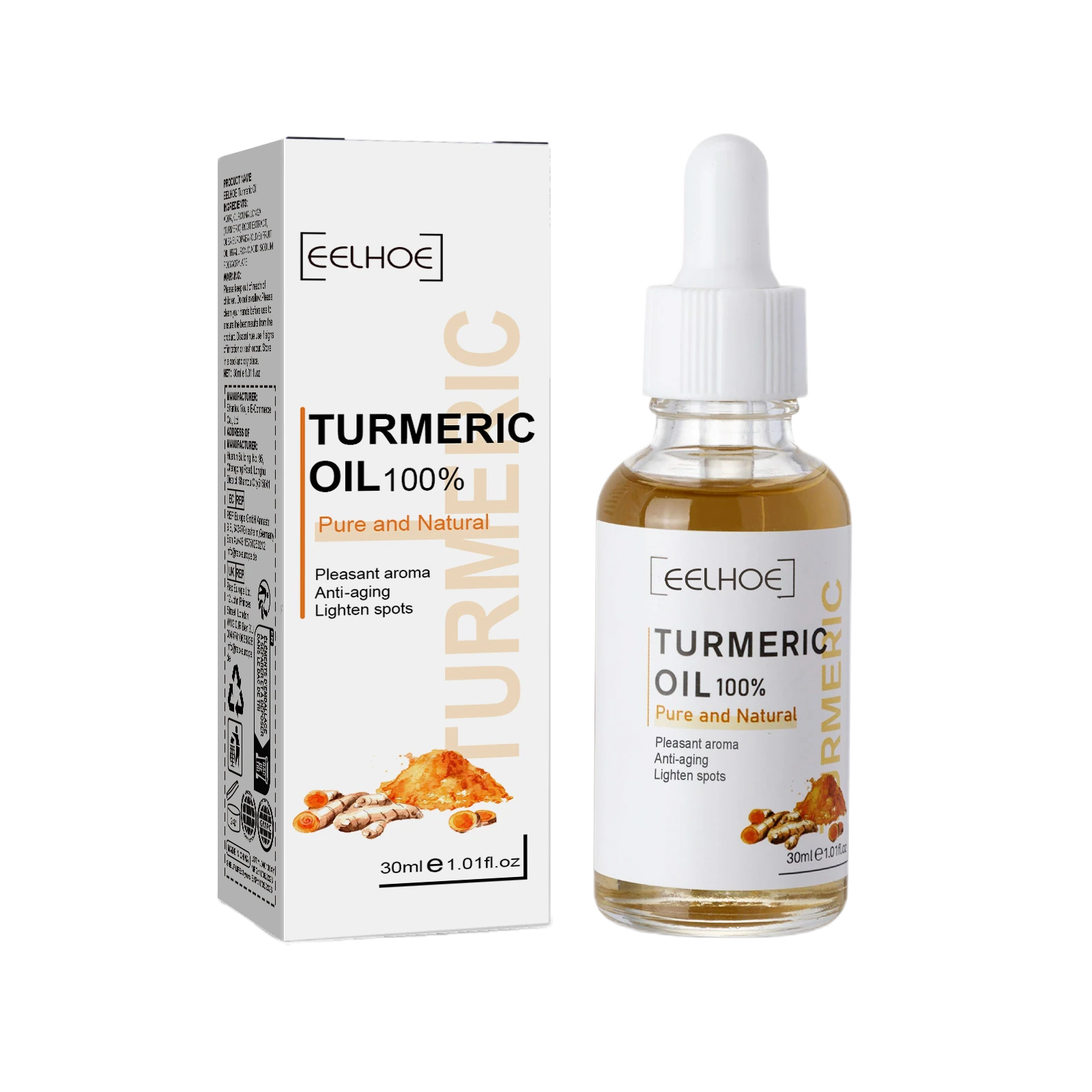
The simplest turmeric skincare routine order is cleanser, optional toner, facial serum, moisturizer, then sunscreen in the daytime. A rinse-off mask belongs after cleansing and before the leave-on steps. Turmeric itself does not decide the order: the product's job, formula and removal directions do. You do not need a turmeric product at every stage to build a useful routine.
This guide organizes the products by what you actually do with them. It uses the current GinGrowth 30ml turmeric facial serum and separate 30g bottled face cream as concrete examples, with optional mask and set variations explained below. Start with the stages your skin already tolerates and add only the step that solves a real gap.
Put rinse-off products before leave-on care
A cleanser removes what you intend to wash away. A serum and moisturizer are applied afterward and remain on the skin. Putting a wash-off treatment over your finished serum and cream would rinse away part of the routine you just completed. The practical organizing question is therefore “Does this need rinsing?” before “How thick does it look?”
The American Academy of Dermatology's face-washing guidance recommends lukewarm water, gentle fingertip cleansing, rinsing and patting dry. Avoid trying to create a stronger treatment by scrubbing. If your face feels uncomfortable immediately after cleansing, simplify that step before adding another active product.
On a small screen, swipe or scroll the table sideways to compare all columns.
| Routine stage | What to do | What to avoid |
|---|---|---|
| Cleanse | Rinse cleanser away before leave-on products | Applying serum over unremoved cleanser |
| Optional rinse-off mask | Use its own directions, rinse, then continue | Leaving a clay mask on as moisturizer |
| Optional toner | Apply only if already useful and tolerated | Adding toner simply to make the routine longer |
| 30ml face serum | Apply 2–3 drops after cleansing/optional toner | Treating its Oil label as proof it goes last |
| 30g bottled face cream | Spread a pea-sized amount after serum | Confusing it with a rinse-off mask |
| Morning protection | Finish with a separate appropriate sunscreen | Assuming turmeric or cream supplies SPF |
Use this sequence as a map, not a checklist of products you must buy. Someone with a comfortable cleanser and moisturizer may only be considering where a serum fits. Someone whose skin already feels irritated may need fewer steps. The ingredient theme can make a collection look coordinated, but it does not establish that using every item together gives a better result.
Why the turmeric serum goes before the cream
Deciding whether you need serum as well as cream? Compare hydrating and moisturizing by their roles in your routine before adding another layer.
The 30ml face serum shown here lists water, glycerin, hydroxyethylcellulose, 1,2-hexanediol and turmeric among its formula information. Although its bottle says “Turmeric Oil,” the current product instructions place 2–3 drops after cleansing and optional toner, before cream. Follow that specific method rather than borrowing the final-step rule sometimes used for a different facial oil.
Spread the drops gently over the intended facial areas, keeping away from the eyes. Aim for an even layer instead of repeatedly adding more until the face looks wet. The bottle's size tells you how much product is supplied; it does not tell you a turmeric concentration, a clinical brightening strength or a required number of bottles.
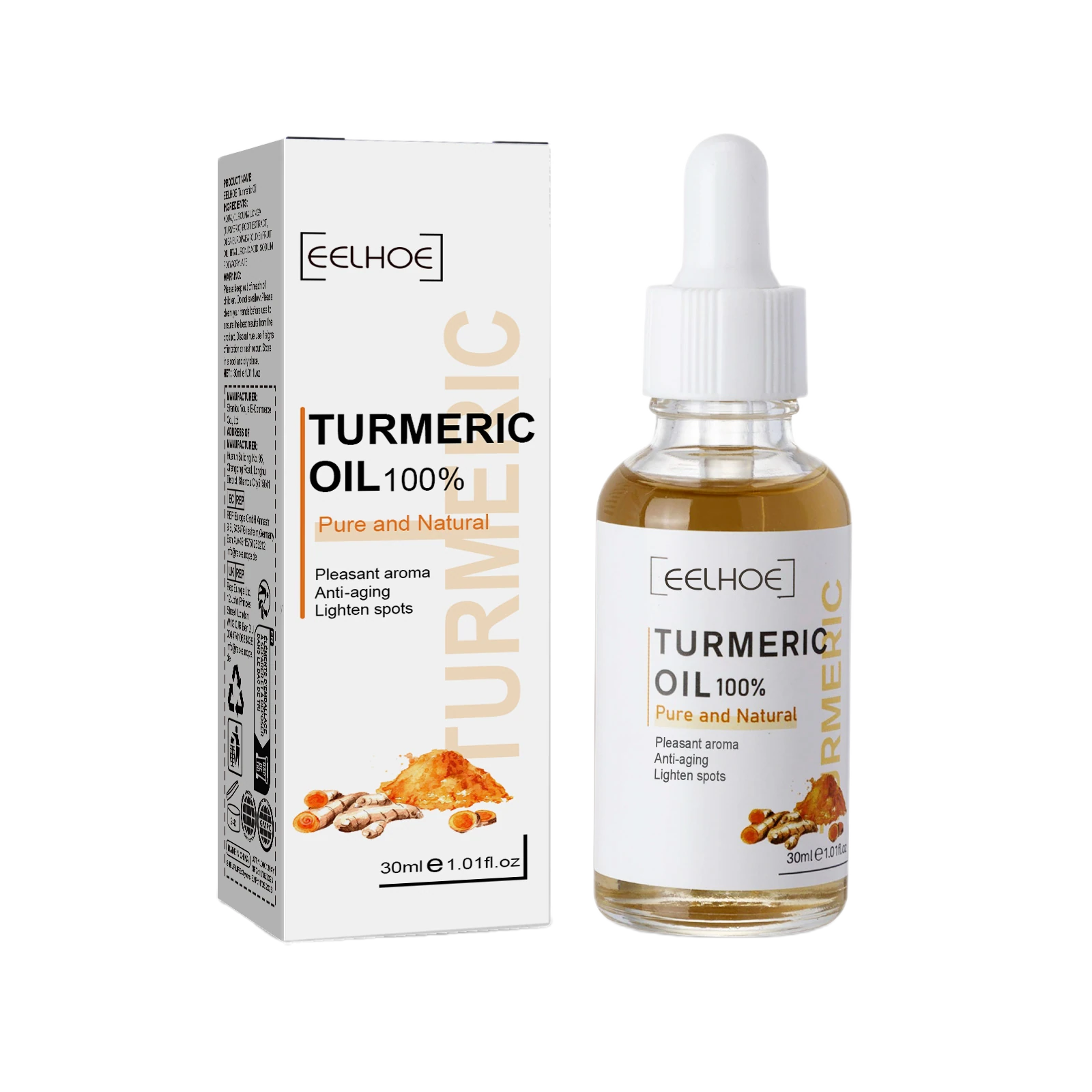
If you already use another serum, first identify what it contributes. Two similar steps may create extra layering without solving a new problem. Do not assume that matching botanical names proves compatibility with a prescription routine. Keep prescribed treatment instructions in priority, and ask the prescribing clinician when you are uncertain about adding another cosmetic.
Finish the leave-on sequence with moisturizer
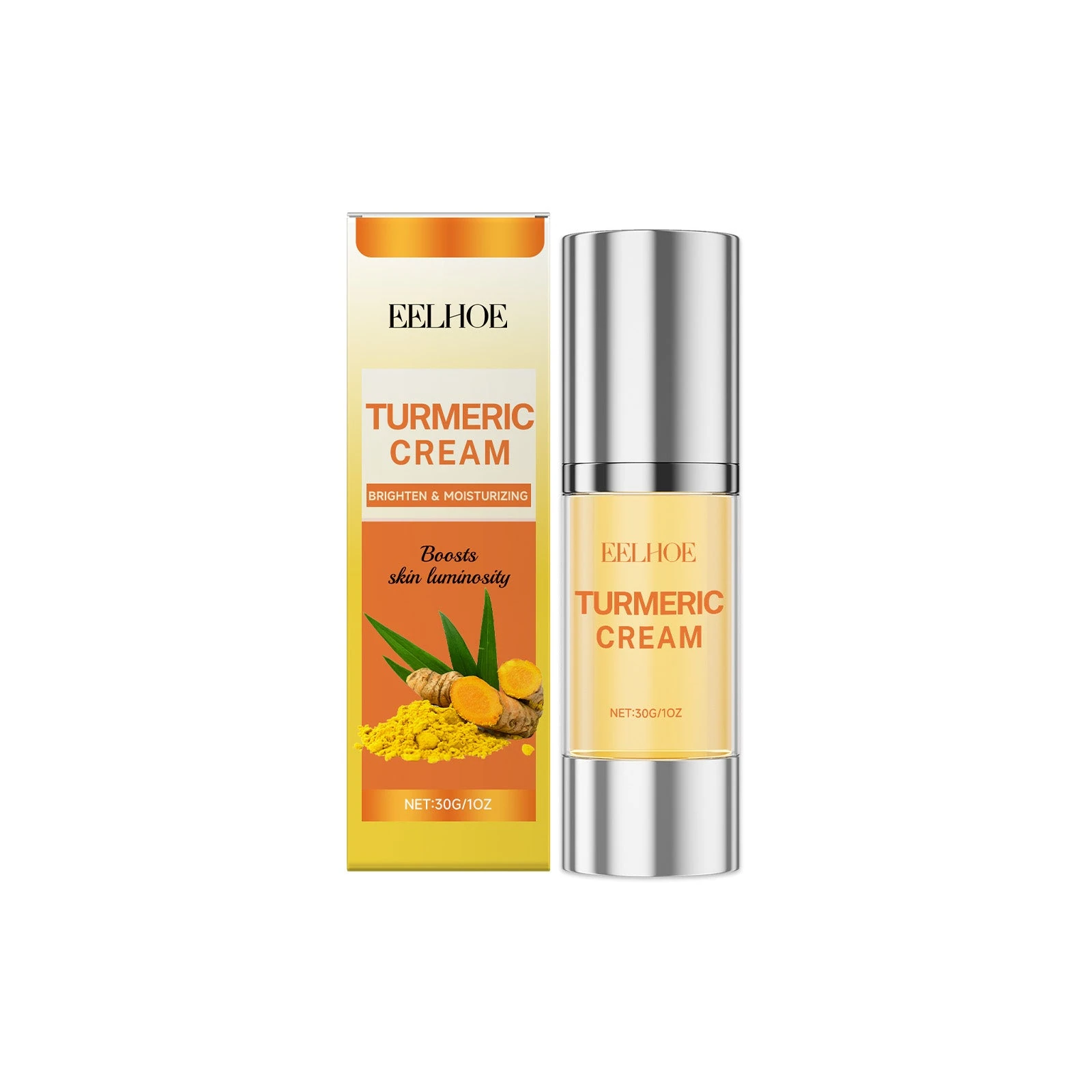
The separate 30g bottled face cream highlights glycerin, mineral oil, glyceryl stearate, niacinamide, turmeric, tocopherol and tea tree leaf oil. Its current guidance uses a pea-sized amount, spread and gently massaged until absorbed. It is a moisture step, not a cleanser, rinse-off clay mask or sunscreen.
That distinction helps with portioning. Apply the serum first, allow it to settle enough that you are not pushing a wet layer around, then spread the cream evenly. There is no verified product-specific requirement here to wait exactly five, ten or twenty minutes. If the layers roll into little crumbs, reduce excessive amounts and repeated rubbing before assuming a longer timer will fix everything.
For dry-feeling skin, the AAD's dry-skin care advice explains the value of suitable creams and gentle cleansing. An ingredient highlight is still not a promise that a particular formula will suit every face. Check the full package label, especially when you know you react to fragrance or botanical ingredients.
Where does a turmeric mask fit in the routine?
A rinse-off mask fits after cleansing and before serum or moisturizer. The separate 40g turmeric clay mask stick in this range has a 15–20-minute application interval followed by rinsing. That timing belongs to that mask. It is not a waiting time for the serum, a daily instruction for every turmeric product or permission to leave clay on overnight.
The practical mask-day sequence is cleanse, apply the mask as directed, rinse, then continue with appropriate leave-on care. You can skip other optional treatments that day. More contact time or extra rubbing is not a reliable way to improve results. Keep the mask away from eyes and lips, and remove it if it becomes uncomfortable rather than waiting to complete a timer.
A balm stick can look surprisingly similar in format while having an entirely different purpose. Our turmeric face mask guide separates rinse-off masks from leave-on products; face balm versus face cream covers the moisture-format decision. Check the actual label before arranging a stick product in your routine.
What changes if you have a three-piece skincare set?
The current turmeric skincare set contains a 100ml pump wash, 100g walnut-shell scrub and 100g moisture cream. It does not include the 30ml serum shown in this article. Its cream is also a different item from the separate 30g bottled cream. Use the set's own directions instead of transferring amounts from one package to another.
The wash is the rinse-off starting step; the set cream is the leave-on finishing step. The scrub is optional, not a mandatory daily bridge between them. Its illustrated ten-minute contact instruction does not mean rubbing continuously for ten minutes. If you are also considering a clay mask or exfoliating pads, avoid building a single session around every exfoliating option you own.
The AAD's home-exfoliation guidance notes that other products, including retinoids, can affect how skin tolerates exfoliation. Choose based on your existing routine and comfort. A set is convenient packaging; it is not evidence that your skin needs every step at the same frequency.
A simple morning and evening plan
If your morning routine includes lip color, see our separate guide to lip balm before lipstick for a light moisture layer, optional blotting and product-specific makeup preparation.
In the morning, use appropriate gentle cleansing, optional toner, the serum if you have chosen to include it, moisturizer and separate sunscreen. A turmeric label does not supply an SPF rating. Apply your sunscreen according to its own directions, and use other sun-protection measures when outdoors. Keep the order consistent enough that it is easy to remember.
In the evening, finish cleansing before applying the serum and cream. There is no requirement to repeat an optional mask or scrub simply because you used a serum that morning. If you are introducing a new product, keeping the rest of the routine stable makes it easier to recognize which change affected comfort.
- Identify every item as rinse-off or leave-on before arranging it.
- Cleanse gently; complete and rinse any appropriate optional mask.
- Apply optional toner, then 2–3 drops of the 30ml turmeric face serum.
- Spread a pea-sized amount of the separate bottled face cream.
- For daytime, finish with sunscreen according to its directions.
Fix the routine by identifying the problem
Before adding a new cosmetic, learn how to try skincare on a small area and interpret the limits; a home trial does not replace allergy assessment.
If skin feels tight after washing, review the cleanser, water temperature and rubbing first. Adding more serum cannot reliably compensate for a cleansing step that repeatedly irritates. If layers pill, try smaller portions and less friction; do not mix all the products together in your palm to hide the issue, because that changes how you portion and apply each one.
If you cannot tell whether a product rinses off, pause and read its directions rather than guessing from packaging. If the routine feels too complicated, keep cleansing, suitable moisture care and daytime protection as your foundation. Add an optional treatment only when you can explain what it contributes and how you will judge whether it suits you.
Frequently asked questions
Does turmeric serum go before or after moisturizer?
For the 30ml facial serum discussed here, before moisturizer. Its current directions specify 2–3 drops after cleansing and optional toner, followed by cream. A different product called turmeric oil may have a different formula and method, so check its own instructions.
Do I need toner before a turmeric serum?
No. Toner is optional in this sequence. If you already use a suitable toner, place it before serum. Our toner versus serum guide explains the different jobs so you can decide whether both are useful.
Can I leave a turmeric clay mask on as a night cream?
No. The clay mask described here is a rinse-off product. Complete its own timed method, rinse thoroughly, and use a separate leave-on moisturizer if needed. A moisturizer and a clay mask are not interchangeable just because both contain turmeric.
Will more turmeric steps brighten skin faster?
That has not been established for this combination. Layer count does not tell you the ingredient concentration, tolerability or finished-product effect. Choose a manageable routine, keep sun protection consistent and seek professional guidance for persistent or changing pigmentation concerns.
Sources and product information
Product identities, ingredient highlights and directions were checked against current GinGrowth product information on October 16, 2026. The linked AAD resources support gentle cleansing, moisture care and exfoliation principles; they do not endorse these products. This guide is an editorial organization of those facts, not a clinical test of the combined routine.