
Fragrance in skincare is used to give a product a scent or mask the odor of other ingredients. It is not automatically a problem for every user, but some people are allergic or sensitive to fragrance components. If fragrance avoidance matters to you, check the complete current ingredient list and manufacturer information; “unscented,” botanical imagery and a mild smell do not prove that a formula is fragrance-free.
This guide separates a scent preference from an allergy-related decision. GinGrowth sells the featured turmeric moisturizer, shown here as an example of information to check before choosing a cream. It is not presented as a verified fragrance-free or hypoallergenic product, and it is not a recommendation to override an ingredient-avoidance plan.
What fragrance on a skincare label tells you
The FDA’s fragrance guidance explains that fragrance ingredients in retail cosmetics may be listed collectively as “Fragrance.” A fragrance mixture can contain multiple natural and synthetic components, so the single label term does not identify every substance in that mixture or tell you how an individual will respond to it.
You may also encounter the term parfum. Read the whole label and ask the manufacturer when the terminology or formula information is unclear. A product’s scent description, such as floral or herbal, is not an ingredient list. Likewise, a list of three featured botanicals may omit the rest of the formula and should not be used as an allergy checklist.
The practical question is not whether the packaging looks natural. It is whether the current complete formula is compatible with your needs. If you have been told to avoid a specific ingredient, use that advice when checking the label. Do not assume that a pleasant smell or a tiny amount makes a known allergen irrelevant.
On a small screen, swipe or scroll the table sideways to compare all columns.
| Label wording | What to investigate | What it does not prove |
|---|---|---|
| Fragrance or parfum | The product contains a fragrance listing | Every component of the fragrance mixture |
| Unscented | Whether masking fragrance is used | That fragrance ingredients are absent |
| Fragrance-free | The full ingredient list and manufacturer information | Zero risk of irritation or allergy |
| Natural or botanical | The specific extracts and oils | Universal suitability for sensitive skin |
| Ingredient highlights | Find the complete current ingredient panel | A complete formula or allergy assessment |
Is fragrance in skincare bad for everyone?
No single conclusion applies to every person or every formula. The FDA notes that some fragrance components can cause allergic reactions or sensitivities in some individuals, even when ingredients are safe for most people. That supports careful selection for the person using the product, not a claim that every fragranced cosmetic is harmful.
Personal tolerance can also change. Having used a product before does not guarantee you will never react, and a new reaction does not tell you which ingredient caused it. Fragrance is one possible concern among others; preservatives, dyes and additional ingredients can also matter. Avoid diagnosing the cause by the strongest smell alone.
If a product causes a concerning reaction, stop using it rather than trying to train your skin to accept it. Persistent itching, redness or swelling deserves professional advice. Severe symptoms such as difficulty breathing require urgent care. This is a decision about responding to symptoms, not a reason to label all scented products as unsuitable for everyone.
Unscented vs fragrance-free: why the distinction matters
“Unscented” often describes the intended smell of the finished product. The FDA explains that an unscented product may still contain fragrance ingredients added to mask the odor of other ingredients. A bottle that seems to smell like nothing therefore does not establish that no fragrance components are present.
“Fragrance-free” is a useful claim to investigate when you need fragrance avoidance, but it is not a blanket guarantee of compatibility. The FDA’s information on cosmetic allergens notes that terms including fragrance-free, hypoallergenic and for sensitive skin do not have a federal standard or definition governing their use in the US. Read the actual ingredient declaration and seek clarification when needed.
A fragrance-free product may also have an odor from its raw ingredients. The absence of a pleasing scent is not evidence of poor quality, and the presence of a noticeable odor does not by itself reveal whether fragrance has been added. Use the label and manufacturer’s information rather than a smell test to settle that question.
For fragrance vs fragrance-free skincare, make the decision according to your reason for asking. A person choosing a less noticeable scent has a preference question. Someone with a diagnosed fragrance allergy needs an avoidance decision based on complete information and professional guidance. Those readers should not be pushed toward the same recommendation.
Natural extracts and essential oils are not an allergy shortcut
A botanical ingredient can be valuable to a product’s positioning without making the formula universally suitable. Essential oils and extracts are not automatically free of components that can cause sensitivity. Conversely, the word synthetic does not, by itself, establish that an ingredient is unsuitable for you.
Look at specific ingredients and the full formula rather than dividing products into natural-good and synthetic-bad categories. If you have a known allergy, a botanical image on a carton should not distract from the avoidance list you were given. A label can be attractive and still leave an important information gap that needs a manufacturer’s answer.
Do not add essential oils to a cream to change its scent or dilute an irritating product into another one. That creates a new mixture with no verified compatibility information. If the existing product does not fit your needs, choose a suitable alternative rather than treating home mixing as a way to make it acceptable.
A practical formula check before buying
Start with the complete current label for the exact version and market you intend to buy. Product pages can help identify the jar, size and highlighted ingredients, but a cropped promotional panel is not necessarily the full ingredient declaration. Packaging and versions can change, so compare the received product with the information used for your decision.
- Decide whether you need fragrance avoidance or simply prefer less scent.
- Read the full current ingredient list, not only the botanical highlights.
- Check fragrance, parfum and any ingredients your clinician has advised you to avoid.
- Ask the manufacturer when the label or fragrance-free status is unclear.
- Choose a suitable product; do not trial a known allergen to override an avoidance plan.
On a small screen, swipe or scroll the table sideways to compare all columns.
| Question | Useful evidence | If it is missing |
|---|---|---|
| Is it fragrance-free? | An explicit current claim plus full label review | Do not infer from scent or botanicals |
| Does it contain my known allergen? | Current complete ingredient list | Ask the manufacturer before use |
| Is this only an ingredient highlight? | Full panel on the received package | Treat the highlight as incomplete |
| What happens if I react? | Product instructions and medical advice when needed | Stop the product rather than keep testing |
If the manufacturer cannot clarify whether a product fits an important avoidance requirement, leave that uncertainty unresolved in your decision rather than translating it into approval. For a known allergy, it is reasonable to choose a clearly suitable alternative. An online article cannot establish compatibility from an incomplete panel.
When comparing cleansers, remember that texture and fragrance are separate questions. A cream cleanser is not automatically fragrance-free, and a gel is not automatically irritating. The gel cleanser versus cream cleanser guide helps compare formats while keeping formula suitability as its own check.
What the featured moisturizer does and does not establish
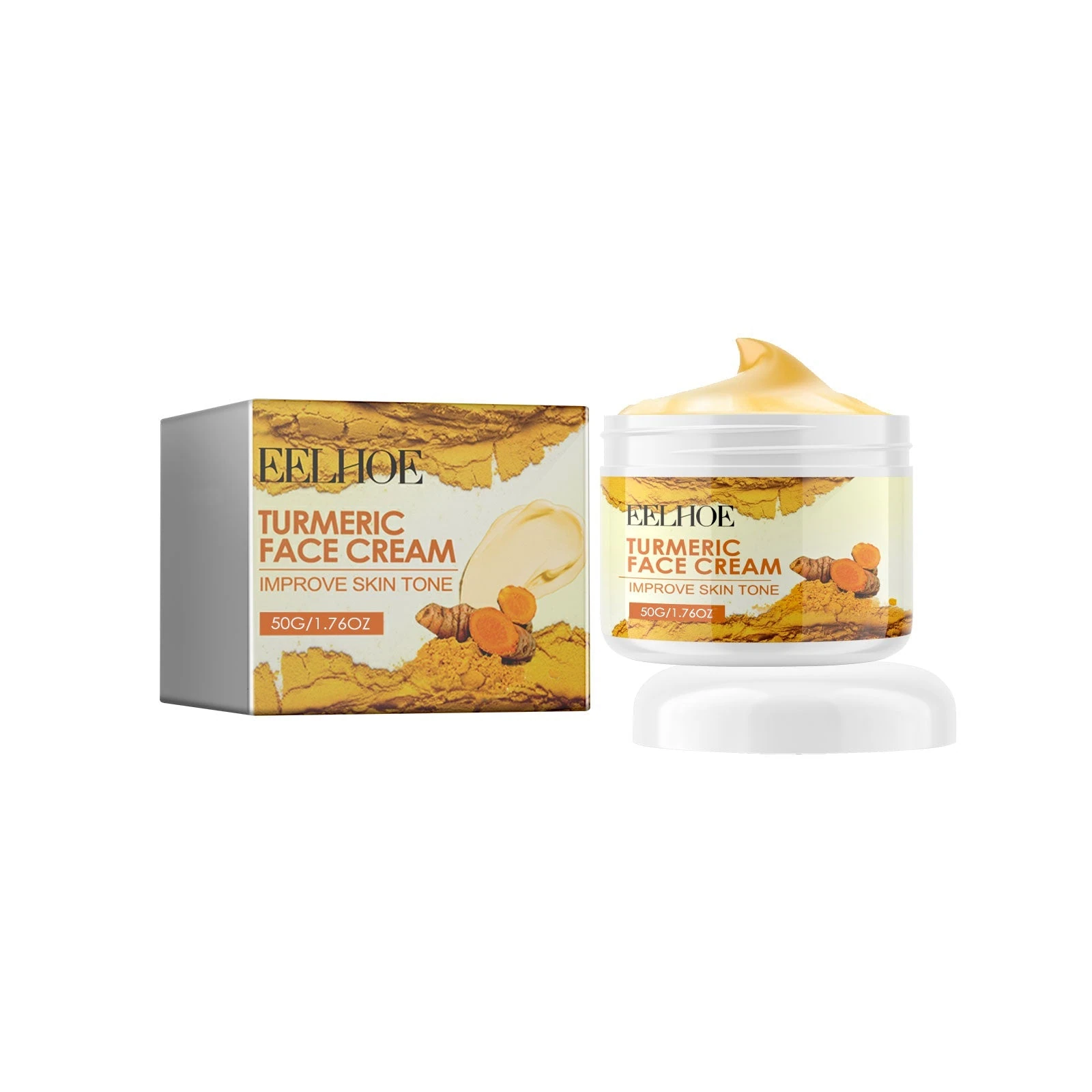
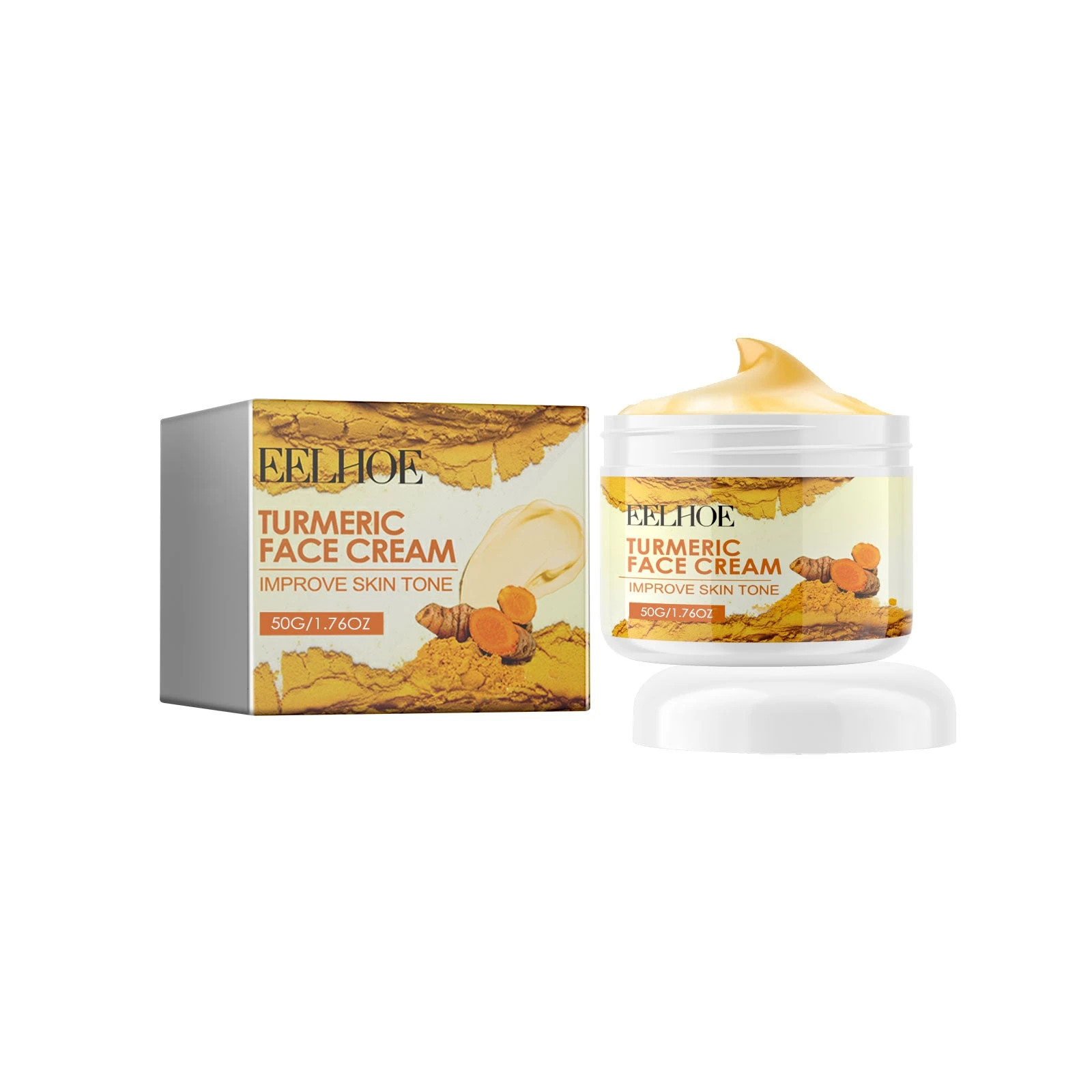
Our EELHOE turmeric face moisturizer is a 50g jar cream with water, turmeric extract and glycerin among its highlighted ingredients. It is applied after cleansing, spread with clean fingertips and left on. Those facts describe the product’s format and routine position; they do not establish a complete fragrance assessment.
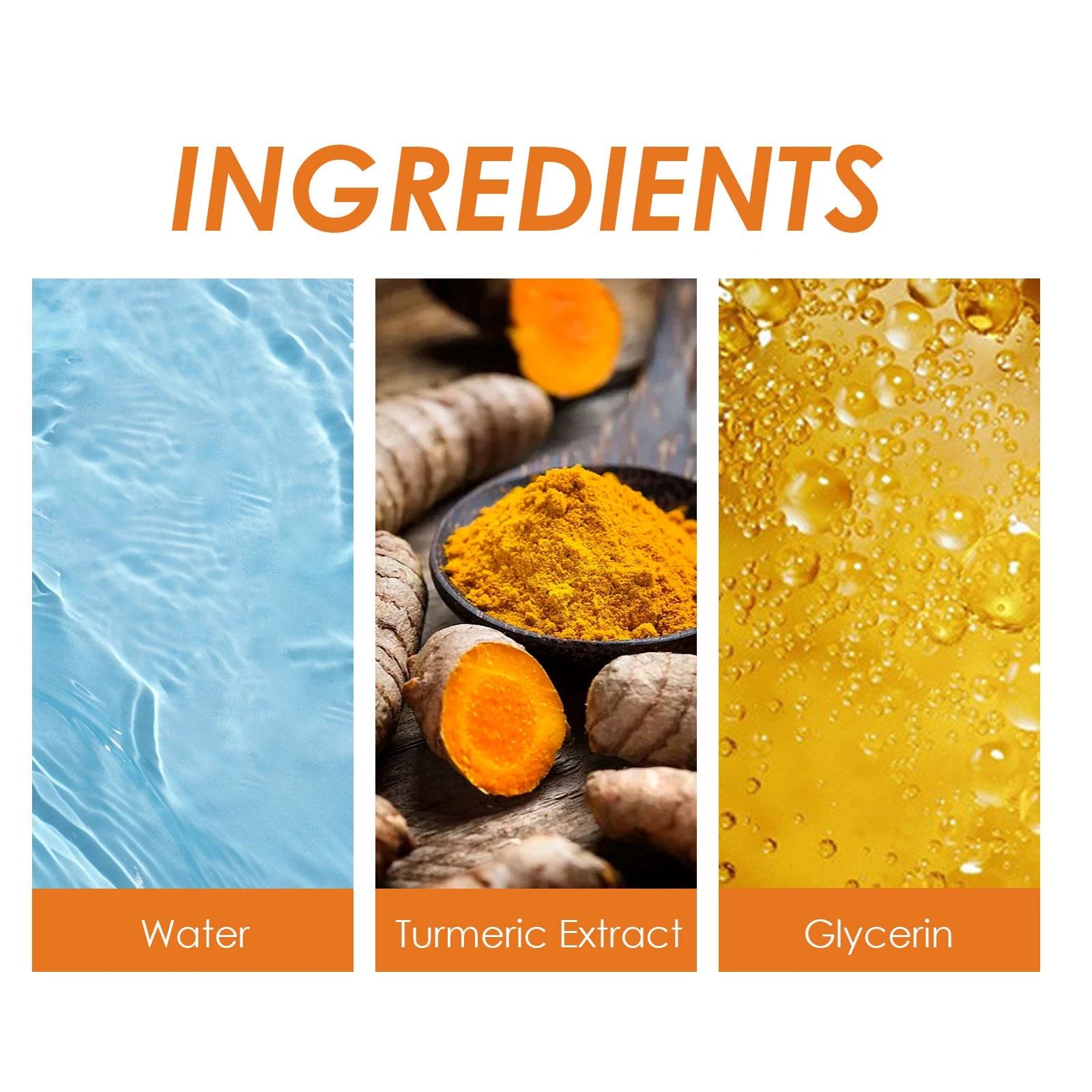
The panel shown above is an ingredient-highlight image, not proof that those are the only ingredients. We have not verified fragrance-free or hypoallergenic status for this cream. If you need fragrance avoidance, obtain the complete current ingredient declaration and suitable advice before considering it. This article does not treat the jar as an alternative to a verified avoidance-compatible product.
For readers without a fragrance-avoidance requirement, the jar can be considered on its stated merits: a portionable leave-on moisture step with glycerin. Review the full formula, intended use and your preferences. A useful product visit should help you decide whether it fits, including deciding against it when the information does not meet your needs.
Frequently asked questions
Can fragrance-free skincare still cause irritation?
Yes. Fragrance is not the only possible source of irritation or allergy. Check the complete formula and stop a product that causes a concerning reaction. A fragrance-free claim does not promise that every individual will tolerate all its other ingredients.
Is fragrance safer in a rinse-off cleanser than in a cream?
Rinse-off and leave-on products have different exposure patterns, but that difference is not permission to use a known allergen. Follow avoidance advice and the product’s directions. Do not assume that rinsing cancels an allergy-related concern.
Can I identify fragrance allergy by testing a cream at home?
A small-area home use test may reveal a reaction, but it cannot diagnose which ingredient caused it or rule out future allergy. A clinician can advise whether formal patch testing is appropriate. Do not deliberately trial a product containing an ingredient you already know you must avoid.
What should I ask if a product page only shows ingredient highlights?
Ask for the complete current ingredient list, the exact product version and clarification of any fragrance-free claim. If your question relates to a diagnosed allergy, name the ingredients you have been advised to avoid. Do not treat the absence of an ingredient from a short promotional list as proof it is absent from the formula.
This guide uses FDA fragrance and allergen information linked above, with US labelling context. Current product details were checked October 25, 2026. It provides a label-reading framework rather than an allergy diagnosis or a verified fragrance analysis of the featured cream.