
To know your skin type, observe how different facial areas feel during ordinary days: consistently oily, repeatedly dry or tight, a mixture of oilier and drier regions, or generally comfortable and balanced. Repeat the observations instead of relying on one wash or a single blotting-paper check. Sensitivity can occur alongside any of these patterns and needs separate attention.
A useful skin-type description helps you choose and place products; it is not a medical diagnosis or a permanent identity. This guide provides a practical observation worksheet and explains when to pause experimentation. GinGrowth sells the featured cleanser, which is shown as one product format to evaluate rather than a test of your skin type.
What the common skin-type labels mean
The American Academy of Dermatology’s basic skin-care guidance describes dry skin as flaky, itchy or rough; oily skin as shiny and greasy; and combination skin as dry in some areas and oily in others. It describes normal skin as clear and not sensitive, and sensitive skin as potentially stinging or burning after product use.
In everyday product selection, those labels are starting descriptions. Someone can have an oily-looking forehead and still experience stinging from a new cleanser. A dry patch does not mean every facial area needs the richest possible cream. Observe the pattern across the face rather than using one symptom to label the whole person.
Use “normal” as a descriptive category, not a standard everyone must achieve. Skin that feels comfortable with your current routine does not need extra products just because a quiz offers a more detailed label. Likewise, a changing seasonal pattern does not mean your previous observations were wrong; conditions and routines change.
On a small screen, swipe or scroll the table sideways to compare all columns.
| Pattern | Possible description | What else to check |
|---|---|---|
| Shine across several areas | Oily-feeling skin | Recent exercise, makeup and rich products |
| Repeated tightness or rough patches | Dry-feeling skin | Over-cleansing, weather and irritation |
| Oilier center with drier cheeks | Combination pattern | Whether it repeats during ordinary days |
| Generally comfortable, little persistent shine or roughness | Balanced or normal-feeling skin | Whether your current routine already works |
| Stinging, itching or redness | Sensitivity or an active reaction | Can occur alongside any oil pattern |
How to determine your skin type without a harsh test
Choose an ordinary day when you can notice your skin during normal activity. Record whether you have just exercised, worn heavy makeup, used an exfoliant or changed products. Those details can alter what you see and feel, so a single unusual morning is a poor basis for replacing a whole routine.
- Choose an ordinary day and note products, weather and exercise.
- Cleanse gently with a familiar tolerated wash and rinse fully.
- Pat dry; do not deliberately leave uncomfortable skin without care.
- Observe forehead, nose, cheeks and chin separately during your usual routine.
- Repeat observations on another ordinary day before changing products.
The AAD’s face-washing advice recommends a gentle, non-abrasive cleanser, lukewarm water, fingertips and gentle patting dry. Scrubbing hard or deliberately stripping the face creates discomfort that can confuse the observation. Use a familiar tolerated wash rather than introducing a new cleanser as part of the test itself.
You may see advice to leave the face bare for a fixed period. There is no need to force yourself through tightness or discomfort to earn a result. Continue appropriate care when needed, and note what you used. Observing your skin within a realistic routine can be more useful than manufacturing an uncomfortable condition you never intend to maintain.
How to tell if you have combination skin
Look for repeated regional differences. A forehead or nose that becomes oily while the cheeks remain dry or comfortable may fit a combination pattern. The important feature is the contrast across areas, not a requirement to match an exact map from a diagram. Your chin, jaw or areas around the mouth may behave differently too.
Compare similar moments on more than one ordinary day. Shine immediately after applying a rich cream may be the product finish rather than your usual oil pattern. A dry cheek after cold wind or an irritating exfoliant may not describe its baseline. Note those conditions instead of averaging them into an overly simple label.
Combination care often means adjusting placement or amount. You may need a lighter layer in one area and more moisture in another, rather than buying two entirely separate routines. Keep cleansing gentle across the face and avoid aggressively degreasing the center while neglecting uncomfortable cheeks.
On a small screen, swipe or scroll the table sideways to compare all columns.
| Area | Record in your own words | Useful comparison |
|---|---|---|
| Forehead and nose | Shiny, comfortable, tight or coated | Before and after ordinary daily activity |
| Cheeks | Comfort, roughness and persistent dryness | Left and right, indoors and outdoors |
| Chin and jaw | Oil pattern and local discomfort | Product placement and shaving |
| Whole face | Stinging, itching or new redness | Recent product changes, not a new skin-type label |
This worksheet is a way to organize observations, not a validated diagnostic test. Use words that describe what you notice, such as “shiny by midday,” “tight after washing” or “comfortable until exercise.” Those notes provide better context for a product choice or a dermatologist appointment than a quiz score without any explanation.
Dryness, dehydration and sensitivity are different questions
Dry-feeling skin and temporary tightness can have several causes, including weather, cleansing habits and an irritating product. An oily surface does not mean the skin can never feel dehydrated or uncomfortable. If your face feels shiny and tight at the same time, do not assume that washing harder is the solution.
Sensitivity is also not an oil level. Burning, itching, redness or repeated discomfort deserve attention even when a product is marketed for your skin type. Stop a product that causes a concerning reaction and seek advice if symptoms persist. A description such as combination skin should never be used to explain away an active rash.
For the separate question of moisture-care roles, see hydrating versus moisturizing. That guide explains why a serum and a moisturizer are not automatically both necessary. Here, the first task is to identify what you observe and which part of the routine could reasonably address it.
How to identify your skin type when your routine keeps changing
If you have added several new products, your observations may reflect the transition rather than a stable pattern. Write down what changed and avoid adding another product simply to counter the last one. When the skin is calm, make one deliberate change at a time so you can identify whether it improves comfort or introduces a problem.
Season, indoor heating, humidity, shaving and physical activity can also affect what you notice. You do not need to prove that your skin has changed permanently before adjusting the amount of moisturizer or how you cleanse after exercise. Practical care can respond to present needs without turning every change into a new category.
If the pattern remains confusing or you have persistent symptoms, a dermatologist can help distinguish routine-related discomfort from a skin condition. Online labels and blotting papers cannot replace that assessment. Bring product names, ingredient photos and your notes; these details can make the discussion more useful.
Use the result to choose a cleanser, not a whole shopping list
Cleanser selection includes formula suitability, rinse-off method and your preferred format. A tube, pump or balm is not a skin-type diagnosis. If you are comparing textures, our gel cleanser versus cream cleanser guide explains the decision without assuming every product in one category behaves identically.
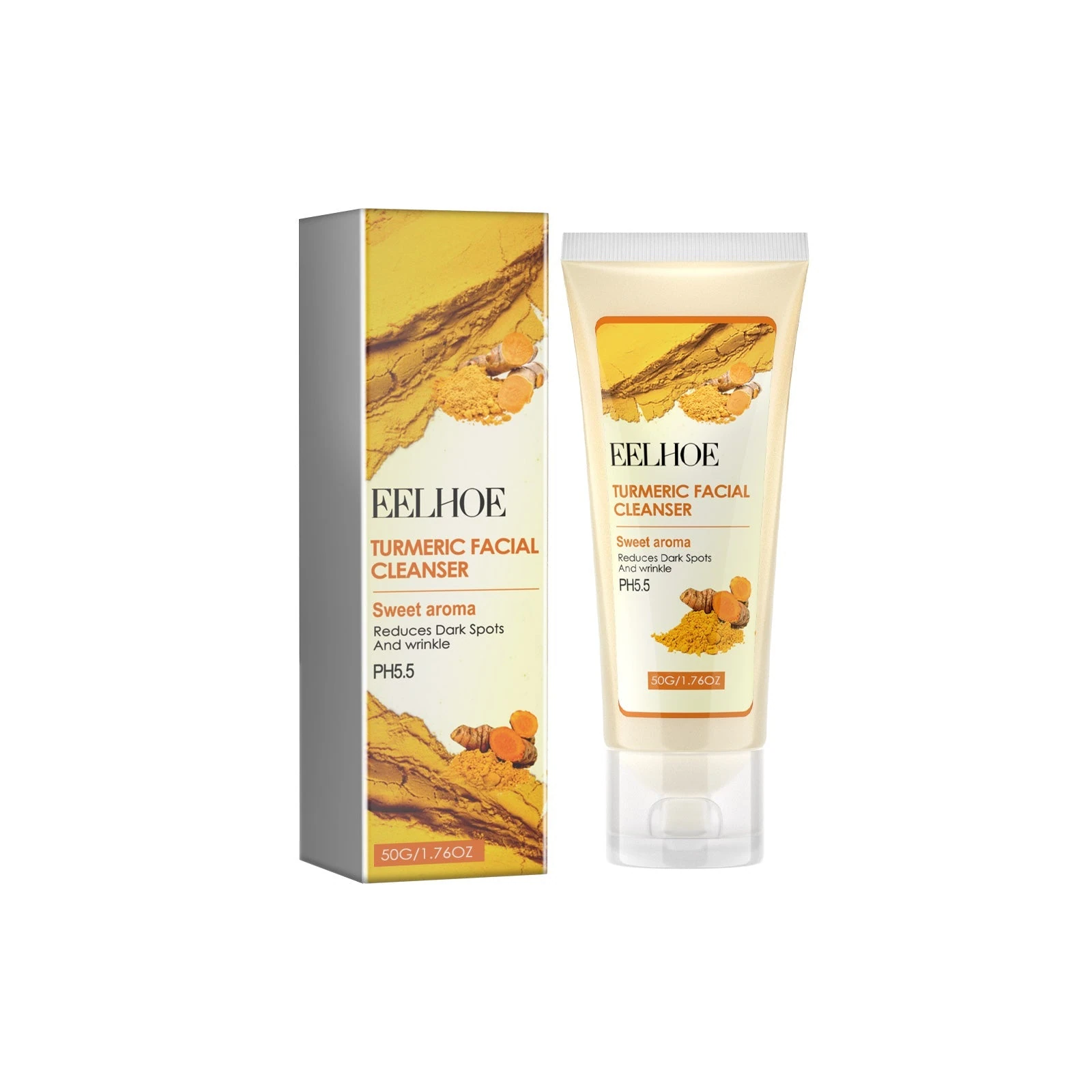
Our EELHOE moisturizing cleanser comes in a 50g squeeze tube and has turmeric and licorice among its highlighted ingredients. You add water in the palm to make foam, massage gently over the face while avoiding the eyes, and rinse thoroughly. It is a face wash, so a moisturizing name does not make it a replacement for leave-on cream.

Choose this format if you prefer hand-lathering from a tube and the full current formula suits you. We are not presenting it as universally appropriate for sensitive skin or as a treatment for a reaction. Ingredient highlights do not replace the complete label when you have known allergies or specific avoidance needs.
A successful next step may be keeping the cleanser you already tolerate. If your face is comfortable and the routine is manageable, there is no obligation to add a new product because you identified a category. Make a purchase to solve a clear routine need, then observe the result rather than chasing a perfect label.
Frequently asked questions
Can my skin be oily and sensitive at the same time?
Yes. Oiliness describes the surface pattern, while sensitivity concerns how your skin responds to products or other triggers. Avoid treating a shiny appearance as permission for harsh cleansing, particularly when there is stinging, redness or persistent discomfort.
Is blotting paper enough to identify skin type?
It can show surface oil at that moment, but it does not explain recent product use, exercise, dryness or irritation. Combine any observation with regional patterns and routine context. Do not use one oily sheet as a complete product prescription.
Should I stop moisturizing to see my true skin type?
Do not deliberately leave uncomfortable skin without care. The AAD notes that oily skin can still benefit from moisturizer. Record what you use and assess comfort in a realistic routine rather than creating an extreme condition for a test.
What if my skin type seems different in winter?
Weather and indoor conditions can change how skin feels. Adjust the routine to the current pattern and check whether cleansing or product amounts need modification. Persistent flaking, redness or itching deserves assessment rather than being dismissed as a seasonal label.
This observation framework draws on the AAD sources linked above. Product facts were reviewed October 25, 2026. It is general skin-care education, not a diagnostic assessment or a promise that one cleanser suits every skin type.