
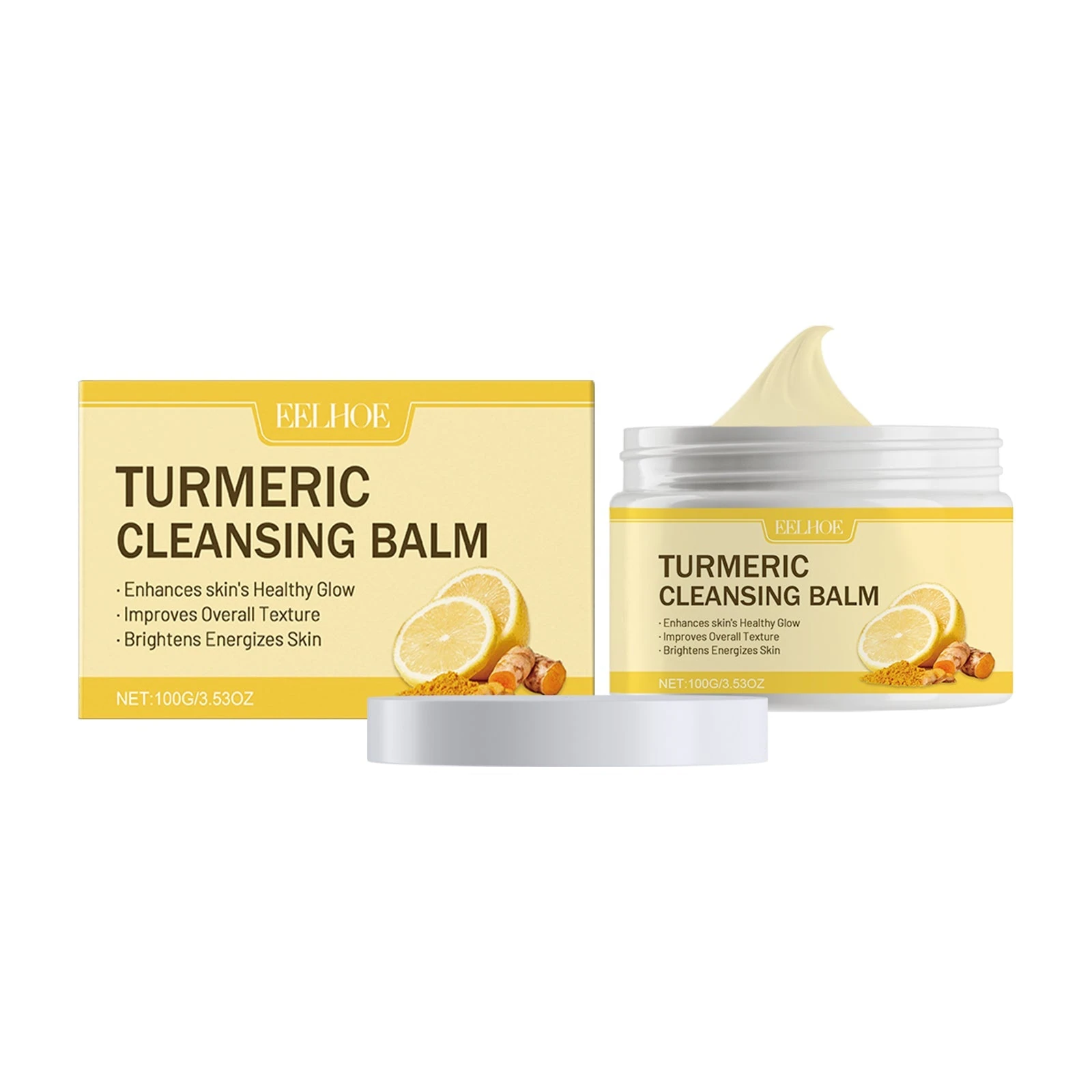
A cleansing balm is a scoopable makeup-removing cleanser, while cleansing oil is a fluid cleanser that usually pours or pumps into your hand. Both can belong to the rinse-off cleansing step. Choose between them by the way you prefer to handle the product, its actual ingredients and directions, and how comfortably it removes your makeup. A thicker texture does not automatically mean better cleansing, and an oil format does not automatically make a product unsuitable for oily skin.
This guide compares the formats using two current EELHOE products sold by GinGrowth: a 100g turmeric cleansing balm and a 100ml facial cleansing oil. Their packaging and instructions provide concrete examples, rather than a universal rule for every balm or oil. GinGrowth is the retailer of these examples; this is a product-selection guide, not an independent laboratory comparison.
Cleansing balm vs cleansing oil at a glance
The useful difference starts before either product touches your face. With balm, you open a jar and take a small amount with clean, dry hands. With the oil example, you dispense a small amount from a pump. Both are massaged gently and rinsed away, but the detailed starting and finishing instructions belong to the individual formula.
On a small screen, swipe or scroll the table sideways to compare all columns.
| Detail | 100g cleansing balm | 100ml cleansing oil |
|---|---|---|
| Handling | Scoopable texture in a jar | Fluid texture in a pump bottle |
| Starting method | Dry hands and dry facial skin | Prepare face and hands; follow the bottle directions |
| Water step | Add water to emulsify, then rinse | Rinse thoroughly with plenty of water |
| Application | Gentle fingertip massage; avoid direct eye contact | Gentle fingertip massage; avoid direct eye contact |
| Reason to choose | You prefer placing a scoopable cleanser over makeup | You prefer fluid dispensing from a pump |
| Not established by format alone | Suitability for every skin type or every makeup product | Suitability for every skin type or every makeup product |
Think of the container as part of the decision. Choose the pump when you prefer dispensing without opening a jar; choose the balm when you like placing a scoopable texture on makeup-covered areas. Both use gentle fingertip massage and a water rinse. Skin compatibility depends on the formula, so check ingredients as well as packaging.
The product sizes also use different units: 100g is a mass, while 100ml is a volume. You cannot conclude that the two packs provide the same number of washes. How much you use, the makeup you wear and the product's dispensing method all affect how long a pack lasts. Compare the current price and package details without inventing a cost per cleanse from those numbers alone.
What to check on a balm or oil label
First, establish that the product is a facial cleanser intended to rinse away. A cleansing balm is different from a leave-on facial balm, and a cleansing oil is different from an oil used as the final moisturizing step. Similar botanical names or yellow packaging do not make those products interchangeable. Look for the application area, the cleansing instructions and the final rinse step before comparing ingredient highlights.
Next, read the formula information. In the examples here, both products highlight turmeric, lemon and other ingredients, but that does not establish that they have identical formulas or deliver identical results. The balm lists turmeric root extract, lemon peel oil, cocamidopropyl betaine, kojic acid and Chrysanthemum indicum extract among its highlights. The oil lists turmeric root oil, lemon peel oil, cocamidopropyl betaine, kojic acid and Chrysanthellum indicum extract. These are highlights from the current listings, not complete percentage breakdowns.
Finally, distinguish a desired benefit from a tested claim. For waterproof mascara or eye makeup, choose a remover specifically labeled for that job and area. If fragrance or a particular ingredient has bothered you before, investigate the actual label rather than assuming that a botanical cleanser will be suitable.
When the scoopable balm makes sense
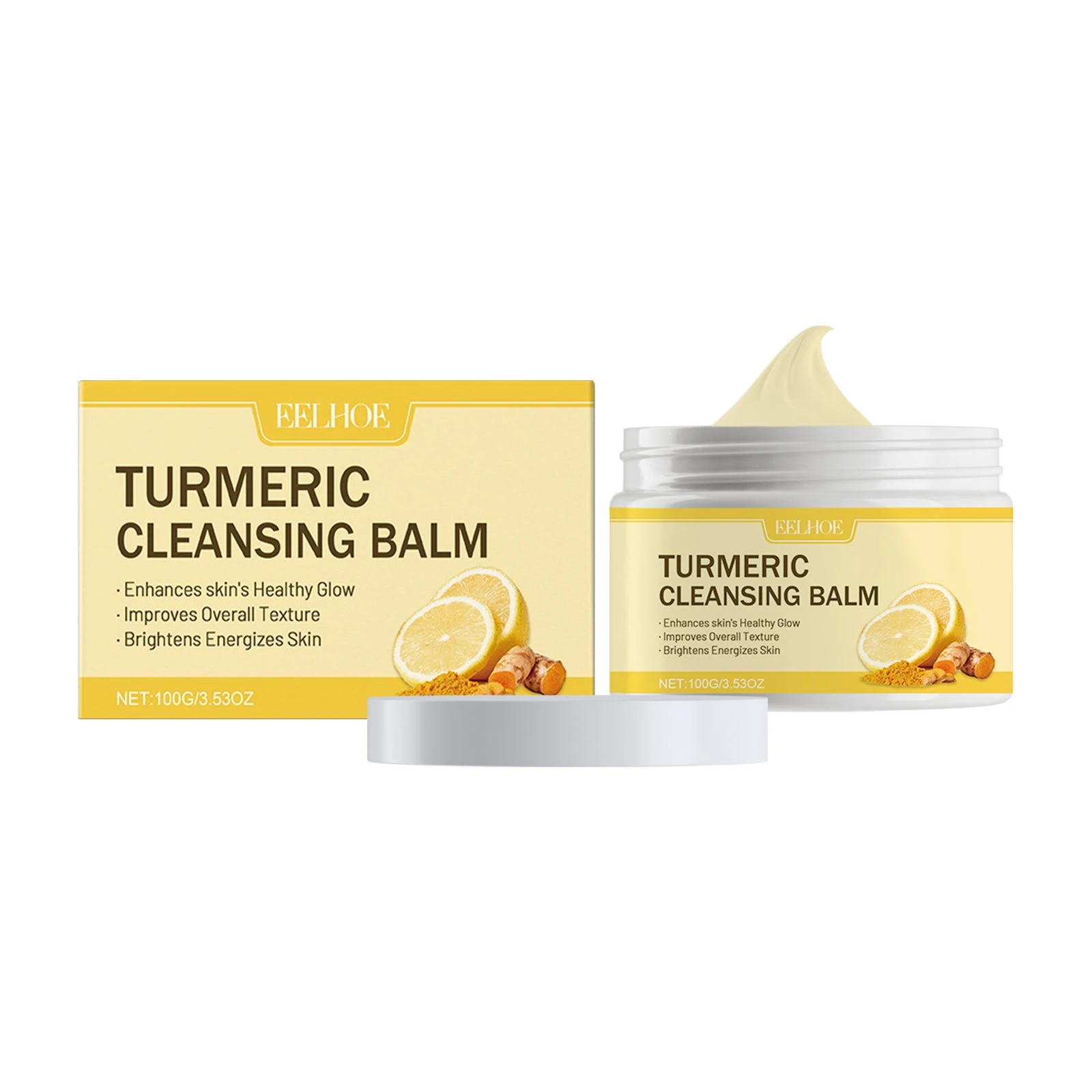
The EELHOE makeup remover balm is a 100g jar with a dry-skin application routine. It is a practical option when you want to place a small amount on makeup-covered areas, work with your fingertips and finish with water. The product's current directions explicitly include adding water to emulsify before rinsing. It is a wash-off step, even though its texture may look more like a cream than a typical liquid cleanser.
The jar does not require disposable cotton pads for the illustrated method. That can be useful if repeated wiping is the part of makeup removal you dislike. It does not mean the balm is automatically gentler than every alternative: pressure, ingredients, your skin's response and adequate rinsing still matter. Work lightly instead of extending the massage to chase a more dramatic feeling of cleanliness.
When the fluid cleansing oil makes sense
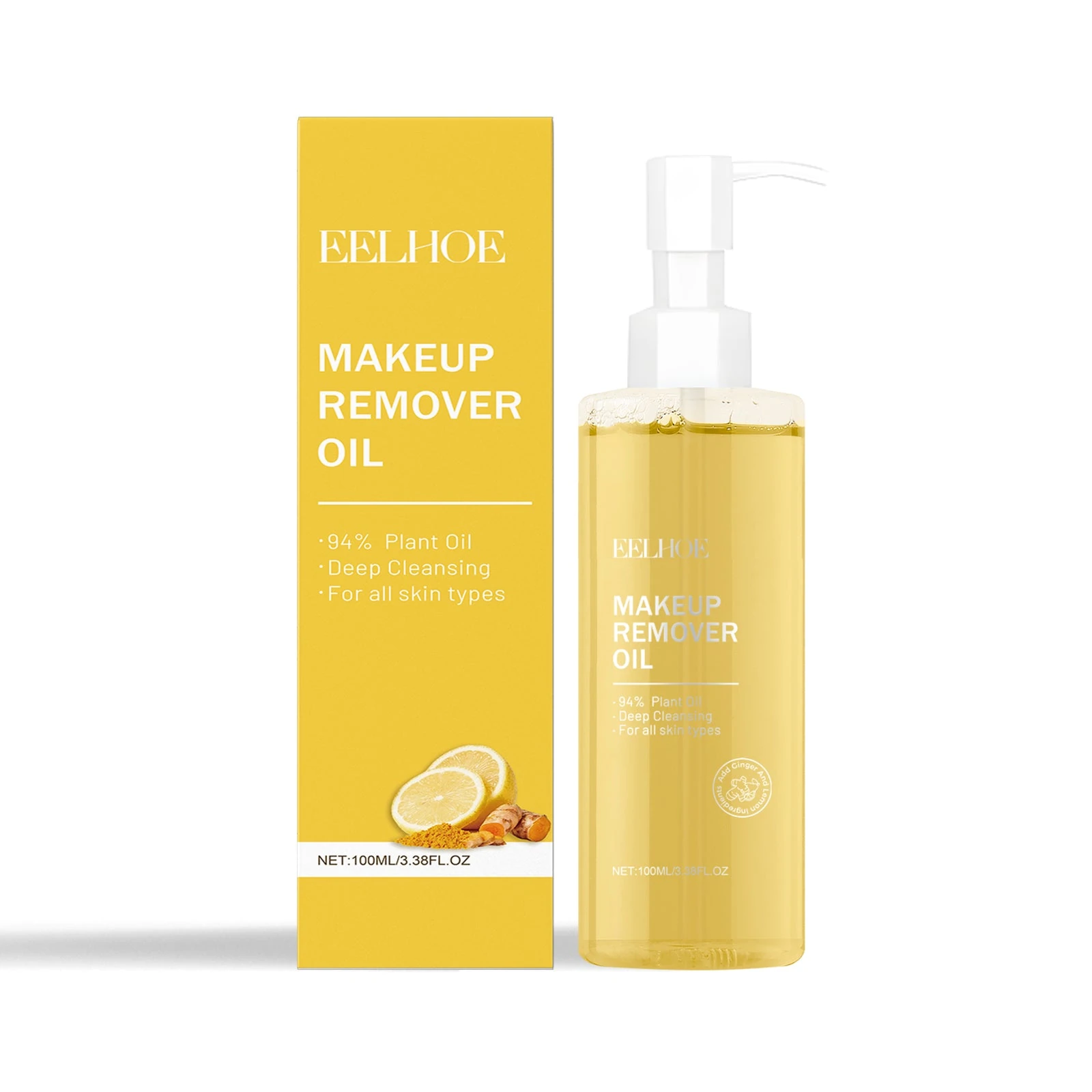
The 100ml EELHOE facial cleansing oil is the alternative for someone who prefers a fluid texture and pump dispensing. Its current product instructions describe dispensing into the palm, gently massaging over the face and rinsing thoroughly with plenty of water. The decision is about a workable cleansing method, not about choosing a supposedly stronger product because the word oil appears on the bottle.
If oily skin is your main concern, start with the more specific guide to choosing cleansing oil for oily skin. That article addresses the oily-skin scenario; this comparison focuses on balm versus oil as formats. It is possible to prefer pump handling while still needing to check the exact formula for your skin. Texture alone cannot establish whether a cleanser is non-comedogenic or whether you will tolerate it.
Follow the directions for the formula you choose
The two examples share a gentle massage-and-rinse pattern, but do not copy every instruction from one container to the other. The balm explicitly starts on dry facial skin with dry hands. The oil's current listing says to prepare the face and hands, dispense, massage and rinse; it does not establish a universal dry-start instruction for all oil cleansers. Read the bottle you receive before deciding where water enters its routine.
- For the balm: begin with clean, dry hands and dry facial skin. Take a small amount and spread it over the areas to cleanse.
- Massage gently with fingertips, avoiding direct eye contact. Add a little water to emulsify the balm.
- Rinse the balm thoroughly with warm water before leave-on care.
- For the oil: follow its bottle directions, dispense a small amount into the palm, massage gently and rinse thoroughly. Do not borrow a fixed dose or massage time from the balm.
For both formats, use your fingertips lightly and avoid direct eye contact. The American Academy of Dermatology's face-washing guidance recommends gentle cleansing, lukewarm rinsing and resisting the urge to scrub. Its general advice does not replace a particular cleanser's dry-start instructions, but it does provide a useful standard for pressure and skin comfort.
Do not assign a mandatory massage time just because a video shows a long routine. The current examples do not establish a fixed cleansing timer or a measured amount per wash. Begin with the product's small-amount instruction, distribute it evenly and complete the rinse. If makeup remains, review whether you chose a product suited to that makeup before using more pressure or repeating several cleansing cycles.
Do you need a second cleanser or a sponge?
Considering a pad-based alternative? Compare micellar water and cleansing oil before adding another removal step.
If a separate face wash already belongs in your routine, compare gel and cream cleansers by their actual methods, rather than assuming texture alone determines skin-type suitability.
Calling balm or oil a first cleanser describes where it can fit when someone uses more than one cleansing step. It does not make double cleansing necessary for everyone. Your actual makeup, sunscreen, cleanser directions and skin comfort should determine the routine. If one suitable cleanser does the job, adding another solely to complete a trend may create extra work without an obvious benefit.
Cleveland Clinic's guide to skin-care product order emphasizes keeping the routine simple and warns about overdoing cleansing. The balm listing allows a follow-up face wash if double cleansing is already part of your routine; that option should not be turned into a requirement. Rinse the makeup remover thoroughly before applying leave-on care, whichever route you use.
A cleansing sponge is also optional. The balm example is designed for fingertip massage, and the oil example does not require a sponge. The AAD notes that using tools instead of fingertips can irritate skin. If you already use a compressed sponge, read how to soften, clean and dry a facial cleansing sponge and avoid adding repeated rubbing to a cleanser that already removes your makeup comfortably.
A practical choice for three common routines
If your main frustration is cotton-pad wiping, consider the balm's fingertip-and-water method. The important change is how you remove makeup: place a small amount, massage gently, add water as directed and rinse. You do not need to accompany it with a separate exfoliating tool just because you are changing cleanser formats.
If your main frustration is handling an open jar, compare the pump oil. A bottle that fits your sink setup may be easier to use consistently. Keep the pump and cap area clean, use the actual bottle directions and check the current ingredients. Avoid interpreting convenience as a guarantee about skin results.
If your skin already feels comfortable after cleansing, you may not need to change either format. A better comparison is whether the new option solves a specific problem in your routine. Rinsing, removing the makeup you actually wear and leaving your skin comfortable are more useful criteria than seeking a tight or squeaky sensation.
How to choose cleansing balm or oil for makeup removal
Choose the 100g balm if your priority is a scoopable cleanser for dry-face massage followed by emulsifying and rinsing. Choose the 100ml oil if your priority is fluid pump dispensing and a thorough water rinse. Both examples are intended to loosen facial makeup and daily buildup; neither requires a sponge or cotton-pad wiping in its listed method.
Before choosing, open the matching product details to see the current pack, ingredient highlights, price and purchase options. If your main question is skin-type suitability rather than handling, use the linked oily-skin guide first.
See the balm choice and product details · See the pump oil choice and product details
Frequently asked questions
Is cleansing balm the same as cleansing cream?
Not necessarily. Product names cover different textures and methods. The current EELHOE jar is labeled turmeric cleansing balm and uses dry-skin massage, water emulsification and rinsing. Compare that actual product with the pump oil; do not assume every cream cleanser has the same formula or routine.
Can I leave cleansing balm on as moisturizer?
The balm in this guide is rinsed away. Follow with your normal leave-on skin care after cleansing. A product that leaves skin feeling comfortable after a rinse still has a different role from face cream.
Does balm remove waterproof makeup better than oil?
The current product information does not provide a side-by-side waterproof-makeup test. Choose a remover labeled for your specific makeup, particularly around the eyes, rather than ranking these two formats on an unverified performance claim.
Which is better for a simple routine?
The format you can use correctly and comfortably is the more practical choice. Balm offers a scoopable first cleanse with explicit emulsifying directions; oil offers fluid pump dispensing. Neither requires you to buy the other or add multiple cleansing steps.
Sources and product information
General cleansing principles come from the American Academy of Dermatology and Cleveland Clinic's routine-order guidance. Product names, sizes, images and directions were checked against the current GinGrowth product listings on October 14, 2026. Those organizations provide general education and do not endorse these products. Use the product-detail buttons above to review the current listing and package instructions before choosing.