
Choose body balm or lotion by the area you want to cover, the texture you prefer and the instructions for the actual formula. A balm stick can be convenient for selected dry-feeling areas; a fluid lotion can be convenient for spreading over a wider area. Neither name alone proves stronger hydration, longer wear or suitability for every skin type.
This guide explains the practical choice and shows where GinGrowth’s 40g body balm stick fits. It also includes a separate 50g ginger body cream as a third format. The cream is not a lotion, and we do not present it as one to fill a comparison column. You may already own a lotion that serves your routine perfectly well.
Compare the job before comparing the texture
Before sharing a moisturizer between body and face, check whether body lotion can be used on your face and the intended-use label.
Think about the moment when you reach for body moisturizer. Are you addressing one small rough-feeling patch, spreading moisture care over your arms and legs, or taking time for a gentle body massage? Those tasks affect how convenient a stick, pump, tube or jar will feel.
A stick can direct product to a selected area without first dispensing a large amount into the hands. A lotion usually has a fluid consistency that makes broader spreading convenient. Creams and balms vary widely, so inspect the actual product rather than assuming a fixed thickness or ingredient ratio from the name alone.
Texture also changes how you portion the product. A broad swipe of a stick and a generous pump of lotion are not equivalent doses. Begin with a light directed amount, spread it evenly and assess the result. More visible product is not necessarily more comfortable or more useful moisture care.
On a small screen, swipe or scroll the table sideways to compare all columns.
| Question | Body balm | Lotion or cream |
|---|---|---|
| Application format | May be a stick or a pot; check the actual package | Usually spread from hands; pump, tube and jar formats vary |
| Task | Convenient for selected dry-feeling areas | Fluid lotion can be convenient over broader areas |
| Texture clue | Balm does not guarantee a water-free formula | Lotion and cream names do not prove performance |
| 40g example here | Twist-up turmeric body balm for clean, dry skin | Not a lip balm or face stick |
| 50g example here | Not the featured balm | Ginger body cream: a third format, not a lotion |
| Choosing for very dry skin | Read ingredients and assess tolerance | AAD generally favors cream or ointment over lotion for dry skin |
When a body balm stick is a useful choice
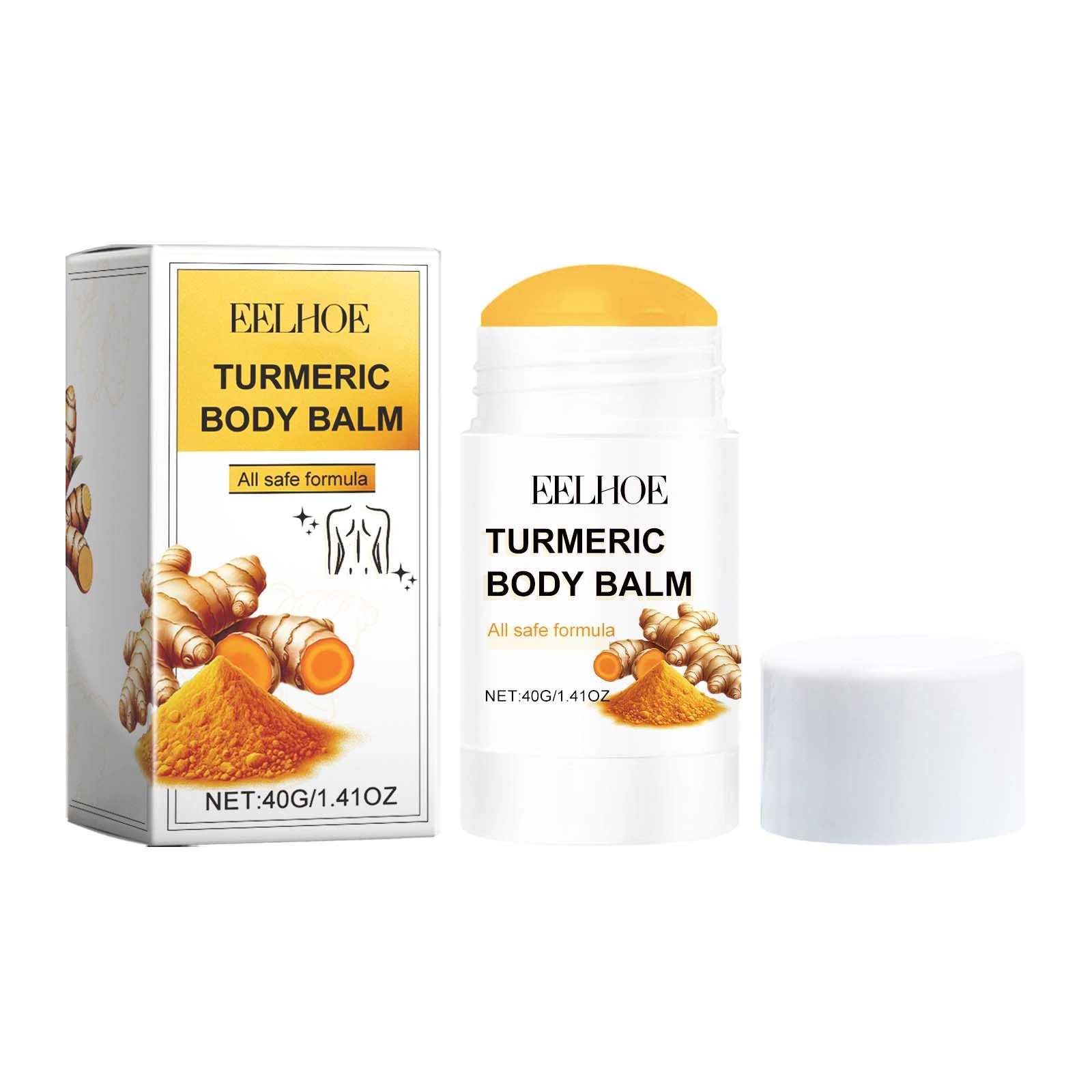
GinGrowth’s featured turmeric body balm is a 40g twist-up stick. Its highlights include jojoba oil, coconut oil, turmeric, aloe and glycerin. The current directions call for clean, dry, intact body skin, with a light layer on areas such as arms, thighs, abdomen or legs, followed by gentle blending and leave-on care.
That makes it relevant when you prefer a direct-application format for selected body areas. It does not make the product a lip balm or a face balm: those are separate products with different sizes and intended uses. Check the name and size before buying, especially when similar packaging appears across a range.
The ingredient highlights include both oils and moisture-related ingredients, but they do not establish that the complete formula is water-free. Nor do they establish a measured hydration duration, anti-chafing protection or resistance to sweat. No SPF rating is stated; choose a labeled sunscreen if you need sun protection. Choose it for its body-care role and application format rather than assuming every claim associated with other balms applies here.
When lotion is the simpler format
A lotion can be a practical choice if you like spreading a fluid product over a larger area after washing. Consider the dispenser, the amount you normally use and whether the finish feels comfortable under your clothing. A lotion you can apply evenly and consistently may fit that task better than making many repeated passes with a stick.
There is no universal rule that lotion is insufficient for all dry-feeling skin. However, the American Academy of Dermatology’s dry-skin guidance generally favors creams or ointments over lotions when addressing dry skin. That category-level advice is not a clinical test of the featured balm or proof that it will outperform the lotion you already use.
Read the full formula when choosing for easily irritated skin, and consider fragrance and other known personal triggers. A botanical name does not guarantee a gentle experience. If skin is cracked, inflamed or persistently itchy, choosing a fashionable texture is not a substitute for understanding what is causing the problem.
Where body cream sits between the choices
For everyday body-care formats, compare body cream and lotion by texture, formula and routine before choosing.
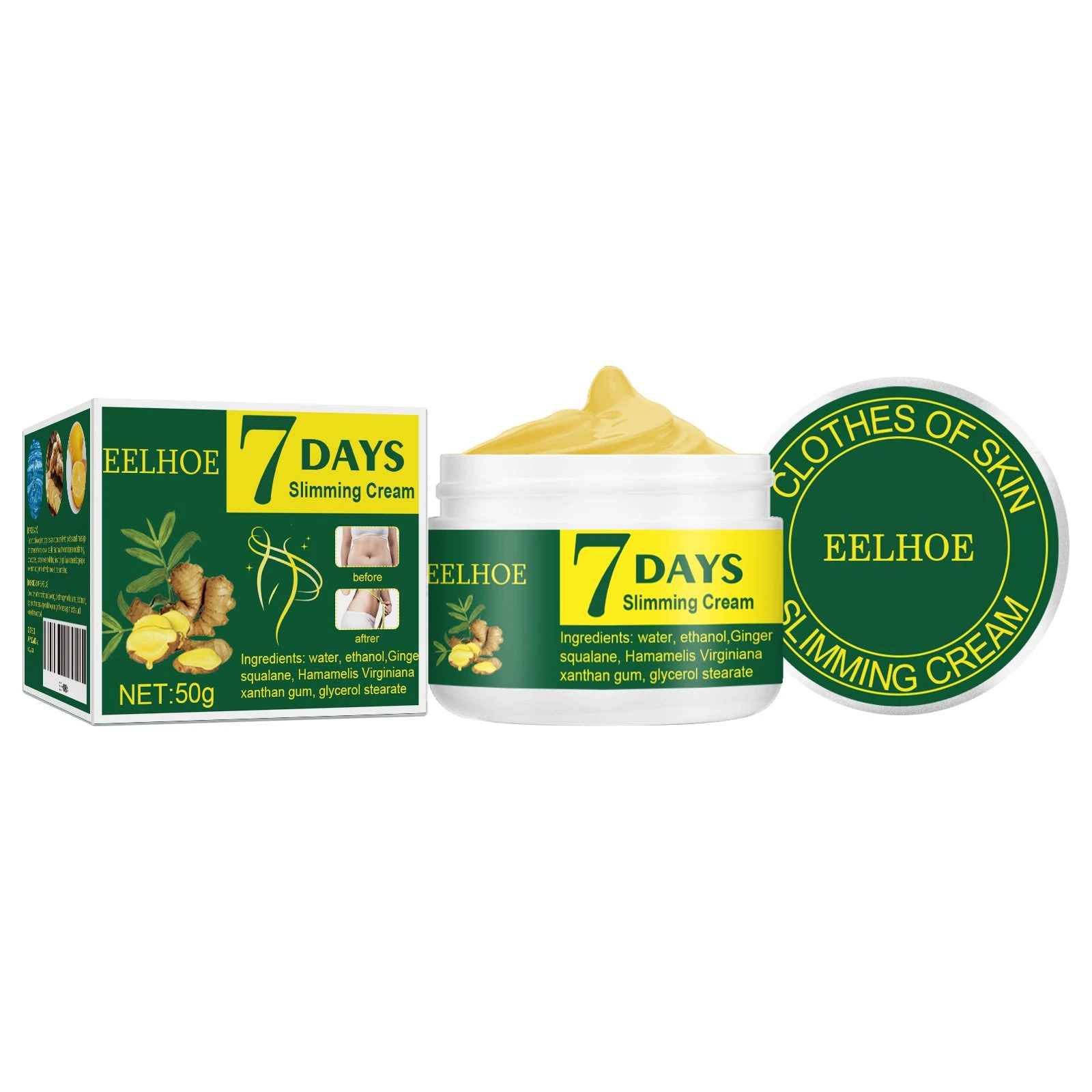
The separate 50g ginger body cream comes in a green jar. Its ingredient highlights include water, ethanol, ginger, squalane, witch hazel, xanthan and glyceryl stearate. It is used on clean external body skin with gentle spreading or massage. This is a cream option, included because some readers prefer hand application from a jar.
Compare it with the balm by how you want to handle the product and by its ingredient list. Do not assume the cream is identical to the balm in a different container. In particular, the presence of ginger or a moisturizing ingredient does not tell you whether the complete formula will suit an individual sensitive area.
Packaging may use body-shaping language, but this routine comparison does not promise changes in waist measurements or body fat. The useful care task here is a softer, smoother-feeling skin surface and a format that you can spread comfortably. For a separate comparison focused on massage handling, see massage cream versus oil.
How to use the featured body balm
- Choose the body area and decide whether you prefer targeted or broad spreading.
- Check that the product is a leave-on body moisturizer.
- For the featured stick, start with clean, dry, intact skin.
- Twist up a little, apply a light layer and blend gently.
- Let the layer settle before clothing and recap the stick.
General dry-skin advice often encourages applying moisturizer after washing while some moisture remains on the skin. The featured stick specifically directs application to clean, dry skin. For this bottle, follow that instruction: gently dry the intended body area, then apply the light layer. Do not replace product-specific directions with a universal damp-skin rule.
Twist up only enough product to apply comfortably and keep pressure light. Blending helps distribute the layer rather than leaving a thick stripe. There is no need to prescribe a fixed number of swipes for every body area; area size and the amount released by the stick vary.
Let the layer settle before dressing, and avoid applying so much that it feels mobile under fabric. If you consistently need to wipe away a large excess, reduce the next portion. Replace the cap after use and store according to the package so the surface stays covered between applications.
Can body balm replace lotion, or should it go on top?
If your extra layer is a fluid oil, our body oil and lotion ordering guide explains common layering and the separate directions of clean, dry-skin massage oils.
A body balm can be your chosen moisturizer for an intended area if that product meets your needs; it does not have to be an extra layer over lotion. For GinGrowth’s 40g stick, use clean, dry, intact body skin as directed. Applying it directly over a fresh wet layer of lotion would not follow that preparation. You can instead keep lotion for broader areas and use the stick separately where its targeted format is convenient.
The current product information does not establish a tested balm-and-lotion pairing or an improved hydration duration from layering. If you want to combine products on the same area, check both sets of directions and tolerance before choosing an order. Category advice such as “thickest product last” is not a replacement for the featured stick’s dry-skin instruction.
Start by asking what is missing from the current routine. If a lotion already leaves your skin comfortable, an additional balm may be unnecessary. If you want a portable direct-application format, a stick may solve a handling problem even without changing the whole routine. Make one adjustment at a time so you can judge the result.
When layering feels sticky, rolls under the fingers or leaves marks on clothes, reduce the amount and simplify. More layers can make it harder to work out which product is causing discomfort. Follow the directions for each product, and avoid adding a new balm over irritated skin in an attempt to seal in a product that is already stinging.
Fit moisture care around washing and exfoliation
A leave-on balm is not a body cleanser. Wash first when needed, rinse the cleanser away and then follow the moisturizer’s preparation instructions. Our bar soap versus body wash guide can help you choose the wash format without confusing cleansing with moisture care.
Likewise, a rough-feeling area does not always need a scrub before moisturizing. Avoid automatically combining vigorous exfoliation with a new balm. If you already use a body scrub, follow its directions and pay attention to skin comfort; our body scrub guide explains a gentler sequence and when to skip the extra friction.
Evaluate the routine by comfort, ease of spreading and whether the finish fits your day. You do not need to force the same product onto every body area. A targeted format can remain targeted, and an ordinary lotion can remain your broader-area option without turning the routine into a large collection.
If targeted application is the task, review the body balm stick. If you prefer hand application for body massage, compare the separate body cream.
Sources and product information
The AAD dry-skin resource supports the general moisturizer discussion. Current GinGrowth ingredient highlights, sizes and methods were checked on October 17, 2026. The two store products are examples of balm and cream formats; no specific lotion product or head-to-head hydration test is represented.