
Yes, face wash can expire or deteriorate. Check its printed date, any period-after-opening symbol and the manufacturer’s storage instructions. Stop using a cleanser that has changed unexpectedly or may be contaminated, even if a date has not passed. The fact that you rinse it off does not make an expired or questionable formula suitable to use.
A half-finished tube, an unopened backup and a refillable travel bottle need different checks. Start with the actual package rather than a general claim that every cleanser lasts one or two years. This guide explains what the markings mean and how to decide whether to keep using, ask about or replace a product.
Read three pieces of information before guessing an age
Look first for an expiration or minimum-durability date, usually on the container, carton, base or sealed end of a tube. Then look for an open-jar symbol such as 6M or 12M. This period-after-opening information refers to months after opening, not months after purchase. Finally, check storage instructions and identify when you first opened the cleanser.
A batch or lot code serves a different purpose from a plainly written expiry date. Do not assume that the first numbers are a year or that every online batch-code calculator covers the correct brand and formula. If you cannot interpret the code, send the manufacturer a clear photo of the label and code and ask what they mean.
The FDA explains cosmetic shelf life as the time a product can be expected to look and act as intended and remain safe. It varies with the product, use and storage. U.S. cosmetic labeling does not generally require an expiry date; that absence is not evidence that a cleanser lasts indefinitely. Acne-treatment cleansers regulated as drugs need their own label check.
On a small screen, swipe or scroll the table sideways to compare all columns.
| Marking or record | What it tells you | What it does not tell you |
|---|---|---|
| Printed expiry or durability date | The maker’s stated date for that product | Permission to ignore contamination or damage |
| Open jar with 6M or 12M | Months after opening | A universal period for all cleansers |
| Batch or lot code | Identity for a manufacturer enquiry | An expiry date you can safely guess |
| Purchase receipt | When you bought the product | When it was manufactured or first opened |
How long does face wash last after opening?
Use the opening period provided for the exact cleanser. A generic online range is not a substitute for its label. A tube with a 12M symbol and a recorded opening date gives you a usable calendar reference; a tube with no known opening date does not. Marking the first-use date on a small label prevents this uncertainty next time.
For example, if a product is first opened on October 23 and its own label says 6M, six months later is April 23. That is an example of reading a symbol, not the shelf life of our cleanser. A separate printed expiry, unusual change or suspected contamination can mean stopping earlier; do not use one marking to cancel another restriction.
Unopened does not mean ageless. Check the date, seal, source and storage history of a backup cleanser. A product left in a hot car has a different history from one kept as directed. If there is no usable date information, ask the manufacturer about the batch before deciding that a sealed tube is suitable.
Know which cleanser you are checking
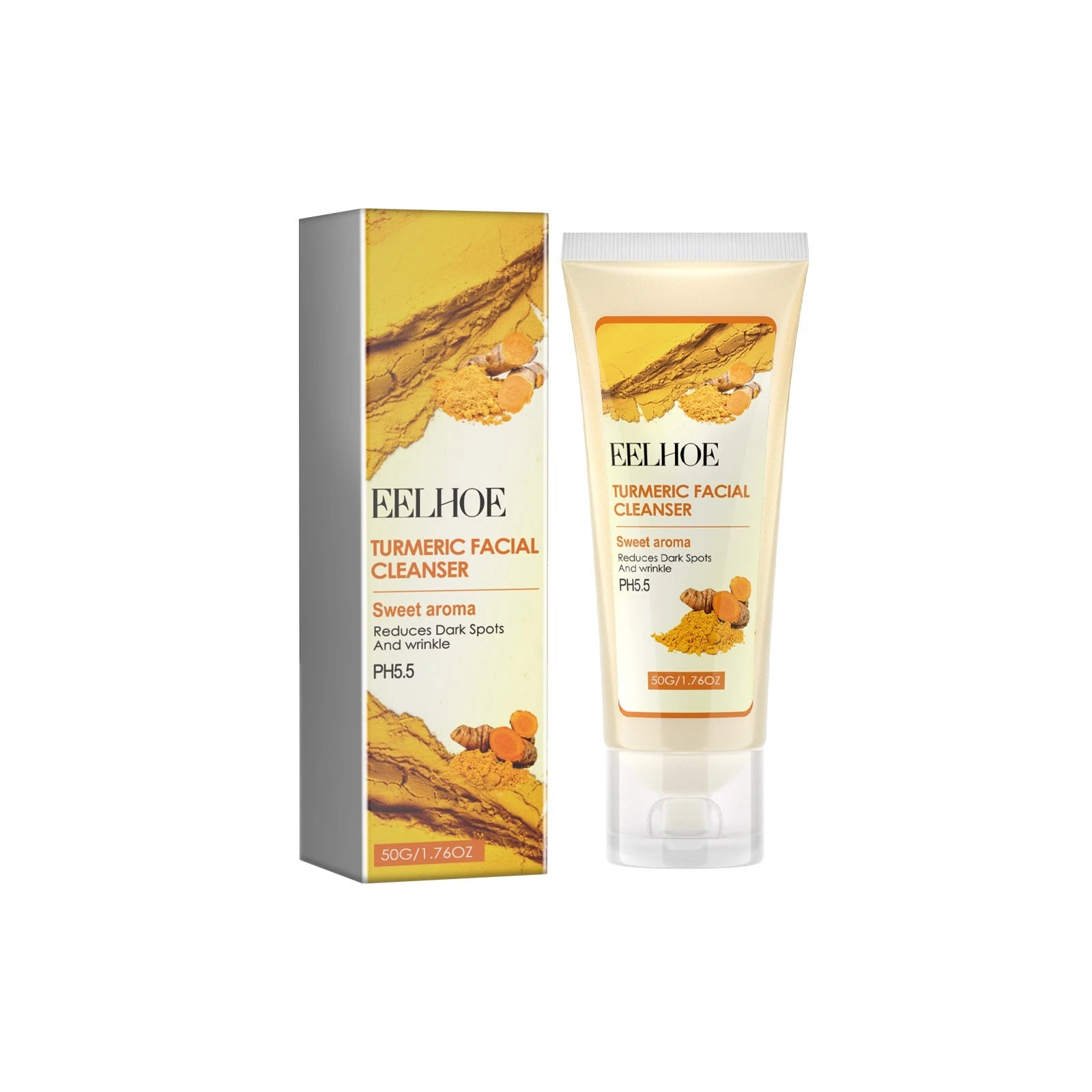
Our EELHOE moisturizing cleanser is a 50g squeeze tube containing a cream-style facial wash that you lather with water in your palm. Turmeric and licorice are ingredient highlights. It is separate from our ready-made mousse pump and brush-head cleansers, so their directions and packaging should not be used to answer a question about this tube.
The current product information does not establish a batch-specific expiration date or period after opening. Check the tube and carton you receive, retain the lot information and ask for clarification if needed. Choosing a fresh replacement is also a chance to choose a dispensing method you can use comfortably rather than reopening several similar cleansers at once.
Changes that mean you should stop and investigate
Unexpected odor, color changes, separation, new lumps or a markedly different texture deserve attention. Visible growth or damaged packaging that has allowed contamination is a stronger reason to stop using the product. Compare with how the cleanser normally looked; not every cream wash is meant to be transparent, and different formulas naturally have different consistencies.
Normal appearance is not a laboratory safety test. A cleanser can look familiar without giving you enough information about preservation or storage damage. Likewise, a new smell cannot tell you exactly what has happened. Do not use a home patch test to approve a product that is expired, visibly changed or potentially contaminated.
Foam is another unreliable age test. The amount of water in your hands, quantity dispensed and washing technique can change lather. Less foam alone does not diagnose spoilage; more foam does not prove freshness. If there is a genuine change in the product, review the package and ask the maker rather than adding more to compensate.
On a small screen, swipe or scroll the table sideways to compare all columns.
| Observation | Next step | Avoid |
|---|---|---|
| Unknown opening date | Check records and ask the maker | Inventing a new opening date |
| Unexpected odor or visible growth | Stop using the cleanser | Testing it on the body to use it up |
| Less lather but no formula change | Check quantity, water and technique | Using foam as a safety test |
| Water added inside the tube | Ask the maker; replacement may be needed | Assuming dilution preserves the original life |
Keep shower water outside the tube
For a hand-lathered cleanser, add water to the portion in your palm, not to the remaining product. The original formula and preservation system were designed together. Diluting the bottle to stretch the last few uses changes that product and makes its remaining usable life uncertain. Do not return diluted foam to the tube.
Close the cap after dispensing, keep the opening clear of standing water and store the pack as directed. A cleanser kept in the shower should not sit where water repeatedly collects around the cap. If you decant for travel, use a suitable clean container and keep a record of the original identity and opening date. Decanting does not reset the clock.
Do not top up a partly used travel container with a new batch. You lose the original age history and mix products with different handling histories. Empty and clean reusable containers according to their instructions, let them dry and refill only when the product manufacturer permits that approach.
- Identify the exact cleanser version and retain its carton or label photo.
- Check the printed date, opening symbol and storage directions.
- Record the first-use date without replacing an earlier printed limit.
- Keep added water in your palm, close the pack and keep the opening clean.
- Stop for unexpected changes and ask about unclear batch or date information.
If you already used an old face wash
Rinse it off if it is still on your skin and stop using the questionable product. If your skin feels normal, you do not need to assume that one use caused harm. Avoid repeated washing or aggressive exfoliation to “undo” it; those extra steps can create irritation of their own.
If burning, redness, swelling or a rash develops, discontinue the cleanser and seek appropriate advice. Severe swelling, breathing difficulty or a rapidly worsening reaction needs urgent medical help. Keep the packaging available so a clinician or manufacturer can identify what you used. A Blog cannot diagnose the cause from a date or symptom alone.
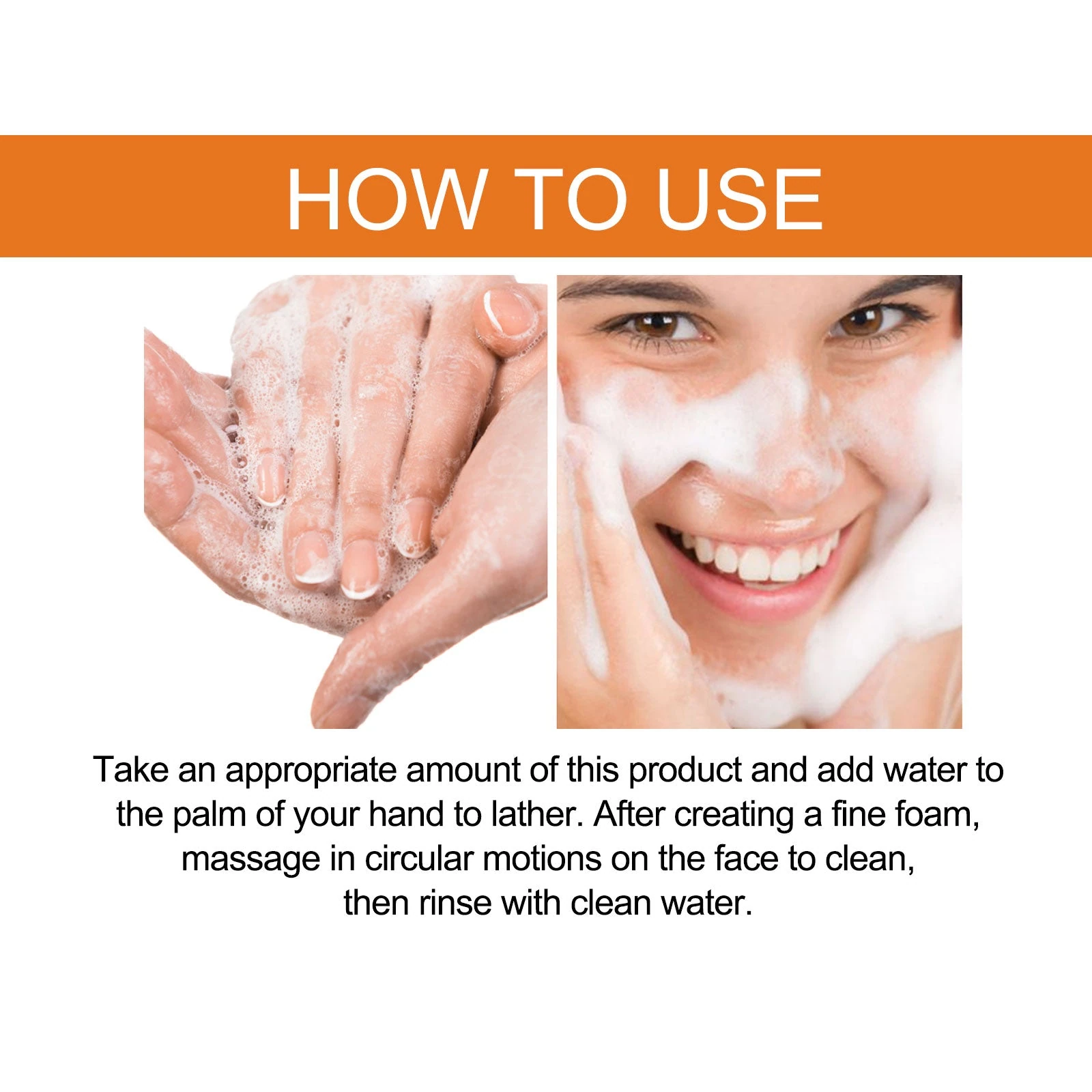
Once you choose a suitable cleanser, follow a gentle method. The American Academy of Dermatology’s face-washing advice recommends lukewarm water, fingertip application and avoiding scrubbing. For our tube, build foam in the palm, spread gently, rinse thoroughly and pat dry before separate leave-on care.
Replace for a reason, then simplify the routine
An expired or questionable cleanser should be replaced; a suitable in-date cleanser does not need replacing merely because another format is fashionable. If you are choosing between textures, our gel cleanser versus cream cleanser guide compares dispensing, lather and formula rather than promising that one texture suits everyone.
Buy an amount you are likely to use within the product’s stated period, keep the opening date and avoid a large queue of opened backups. The 50g tube may suit someone who prefers portioning cream-style wash by hand. Its rinse-off cleansing role is separate from a face cream: “moisturizing cleanser” does not mean leaving it on as a moisturizer.
Questions about cleanser expiry
Does facial cleanser expire if it is unopened?
It can. A sealed product still has a storage history and a manufacturer-determined usable life. Check the printed date and seal, and ask about the batch if the label is unclear. Do not apply an after-opening period to decide how long an unopened product can remain in storage.
Can you use expired face wash just once?
Replacing it is the more sensible choice than treating a quick rinse as protection against an uncertain formula. One accidental use does not guarantee harm, but it also does not validate further use. Stop if the formula has changed or the label’s permitted period has ended.
Is 12M an expiration date?
It describes twelve months after opening when shown in the period-after-opening symbol. You still need the actual opening date and any other package limits. The symbol does not mean twelve months from purchase, and it does not overrule a damaged container or unexpected product change.
Can I use an old facial cleanser as body wash instead?
Changing the application area does not make an expired or contaminated formula fresh. Do not use the body as a way to finish a questionable facial product. Choose a cleanser intended for the area, follow its directions and dispose of unwanted product according to local guidance.