
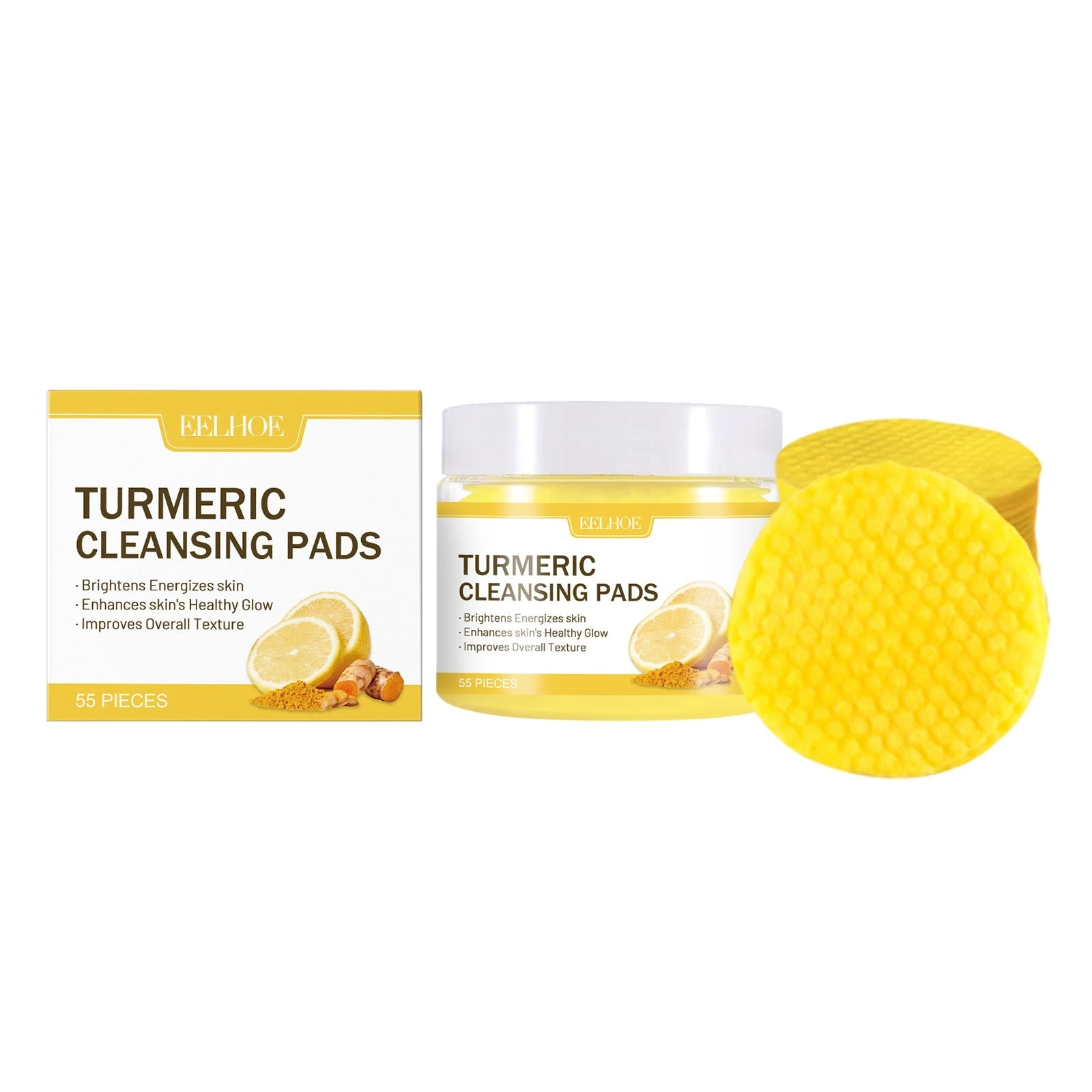
To use pre-soaked makeup remover pads, follow the jar’s instructions for preparation, application area and rinsing. For GinGrowth’s 55-pad jar, moisten the face with warm water, use a fresh pad in light circular motions for one to two minutes, avoid the eyes, then rinse thoroughly and discard the pad. Other pre-soaked formulas may have different directions; this method is specific to the featured jar.
That rinse is part of the method. These pads should not be treated as universal no-rinse makeup wipes, reusable sponges or eye-makeup removers. This guide explains the steps, the common mix-ups and when a pump cleansing oil may be the more convenient format for your routine.
Which kind of makeup remover pad do you have?
A dry cotton pad normally needs a suitable liquid product added to it. A pre-soaked pad already contains its own formula. A reusable sponge or cloth needs its own wetting, cleaning and drying routine. Similar shapes do not make the application methods interchangeable, and adding another active liquid to a prepared pad changes what touches your skin.
The featured product is a jar of 55 pre-soaked single-use facial pads. Its highlighted ingredients include turmeric root extract, lemon peel oil, ascorbic acid, kojic acid and Chrysanthemum. Those details identify the formula; they do not establish that it is suitable for the eye area or that it has the same instructions as another jar with similar botanical wording.
If you have the reusable compressed sponge sold in our range, use our facial cleansing sponge guide. That is a different material and product, not a universal method for all washable cotton or microfiber pads. Washing a used single-use makeup pad and returning it to this jar is not part of the product’s method.
On a small screen, swipe or scroll the table sideways to compare all columns.
| Pad type | Where the cleanser comes from | Which directions to follow |
|---|---|---|
| Dry cotton pad | A compatible liquid is added separately | Follow the remover for wetting, eye-area use and rinsing; follow the pad for disposal. |
| Reusable fabric pad | Some need a remover; others specify water | Follow that specific tool for use, laundering and drying; do not transfer the jar method. |
| Pre-soaked single-use jar | Formula is already on each pad | For the featured 55-pad jar: moisten face, use gently for 1–2 minutes away from eyes, rinse and discard. |
Pre-soaked does not mean no-rinse. It describes how the formula is supplied, not what you do after removing makeup. A jar that directs rinsing belongs in a routine with access to water; it is not automatically the right format for a no-water travel touch-up. Check that practical requirement before choosing the prepared-pad option.
Compare the prepared pads with a pump cleansing oil
On a small screen, swipe or scroll the table sideways to compare all columns.
| Detail | 55 pre-soaked pads | 100ml cleansing oil |
|---|---|---|
| Handling | Take a fresh single-use pad; close jar | Dispense a small amount into clean hands |
| Preparation | Moisten face with warm water | Exact wet or dry starting condition is not specified |
| Application | Light circular motion for 1–2 minutes; avoid eyes | Gentle facial massage; follow packaging for application boundaries |
| Removal | Rinse thoroughly; discard used pad | Rinse with water |
| Highlights | Turmeric, lemon peel oil, ascorbic acid, kojic acid and Chrysanthemum | Turmeric root oil, lemon peel oil, cocamidopropyl betaine, kojic acid and Chrysanthellum |
| Choose by | You prefer the pre-soaked single-use format | You prefer hand application and pump portioning |
Use the 55-pad jar step by step
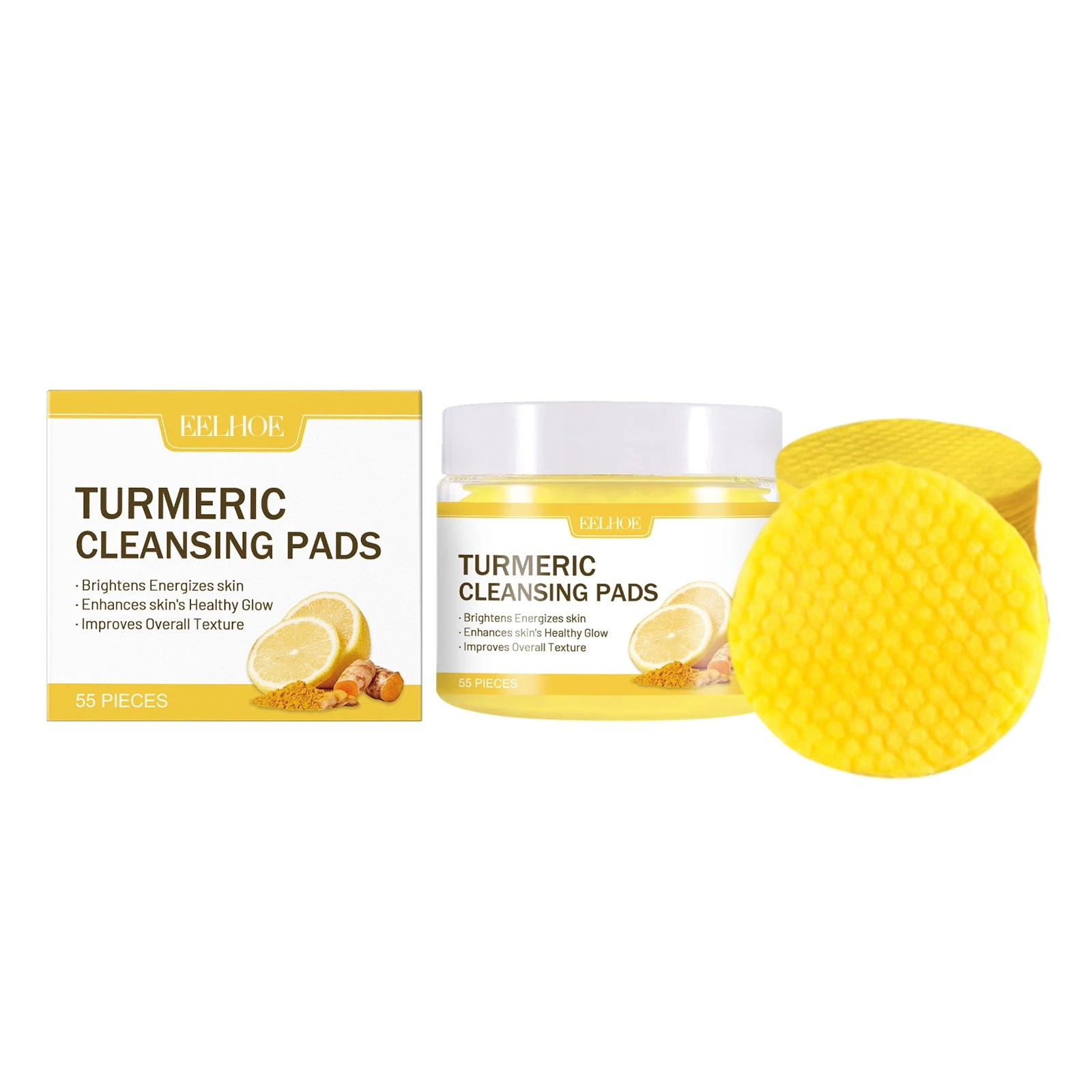
- Identify a pre-soaked single-use pad and read the exact jar directions.
- Wash hands, moisten facial skin with warm water and take a fresh pad.
- Use light circular motions for the listed 1–2 minutes, keeping away from eyes.
- Rinse thoroughly with water and discard the used pad.
- Pat dry, add suitable moisture care and close the jar after taking a pad.
Take a fresh pad with clean hands and close the jar so the remaining pads stay covered. Moisten the face as directed rather than automatically using the pad on a completely dry surface. Use light pressure and controlled movement over the intended facial area, keeping away from the eyes.
The listed one-to-two-minute interval belongs to this product’s gentle application method. It is not a reason to press hard, repeatedly scour one spot or extend the contact period because some makeup remains. Rinse thoroughly at the end. If the skin starts burning or feels irritated, stop and rinse rather than continuing to complete a timer.
Do not keep using a dirty area of the pad to rub makeup back over already cleaned skin. If more removal is needed, follow the product directions with a fresh pad as appropriate, or choose a suitable alternative method. The right response to stubborn makeup is not progressively greater pressure.
Why the rinse matters for this product
The current directions explicitly include water rinsing. A pad can lift visible makeup while still leaving its formula and loosened residue on the skin. For a product with a rinse-off method, finishing that step is part of correct use; a clean-looking pad or face does not cancel the instruction.
Use comfortably warm water and rinse gently. The American Academy of Dermatology’s face-washing guidance recommends gentle handling, lukewarm water and avoiding unnecessary scrubbing. It supports the general handling principles here, while the pad-specific contact time comes from the current product directions.
Pat dry and continue with suitable moisture care. Do not immediately add several exfoliating products simply because the face feels freshly cleaned. The pad formula already contains its own ingredients, and combining multiple new products makes it harder to recognize which one causes discomfort.
Keep eye and lip makeup within the remover’s directions
The featured pad instructions say to avoid the eyes. Do not hold one over closed eyelids, press it against the lash line or use it to work mascara out of the lashes. “Makeup remover” is not enough information to assume that every product is intended for every facial area.
For eye makeup, use a remover specifically directed for that area and for the type of makeup you wear. The same principle applies to lip color: choose a product intended for lip removal rather than extending this facial pad method to the lips without supporting directions. Gentle handling remains important, especially with long-wear products.
If a remover does not seem to lift a stubborn product, check compatibility and instructions before increasing friction. No waterproof-mascara removal test is established for the pad or the cleansing oil discussed here. A clear application boundary is more helpful than assuming that repeated passes will make any remover suitable.
When cleansing oil is the more convenient alternative
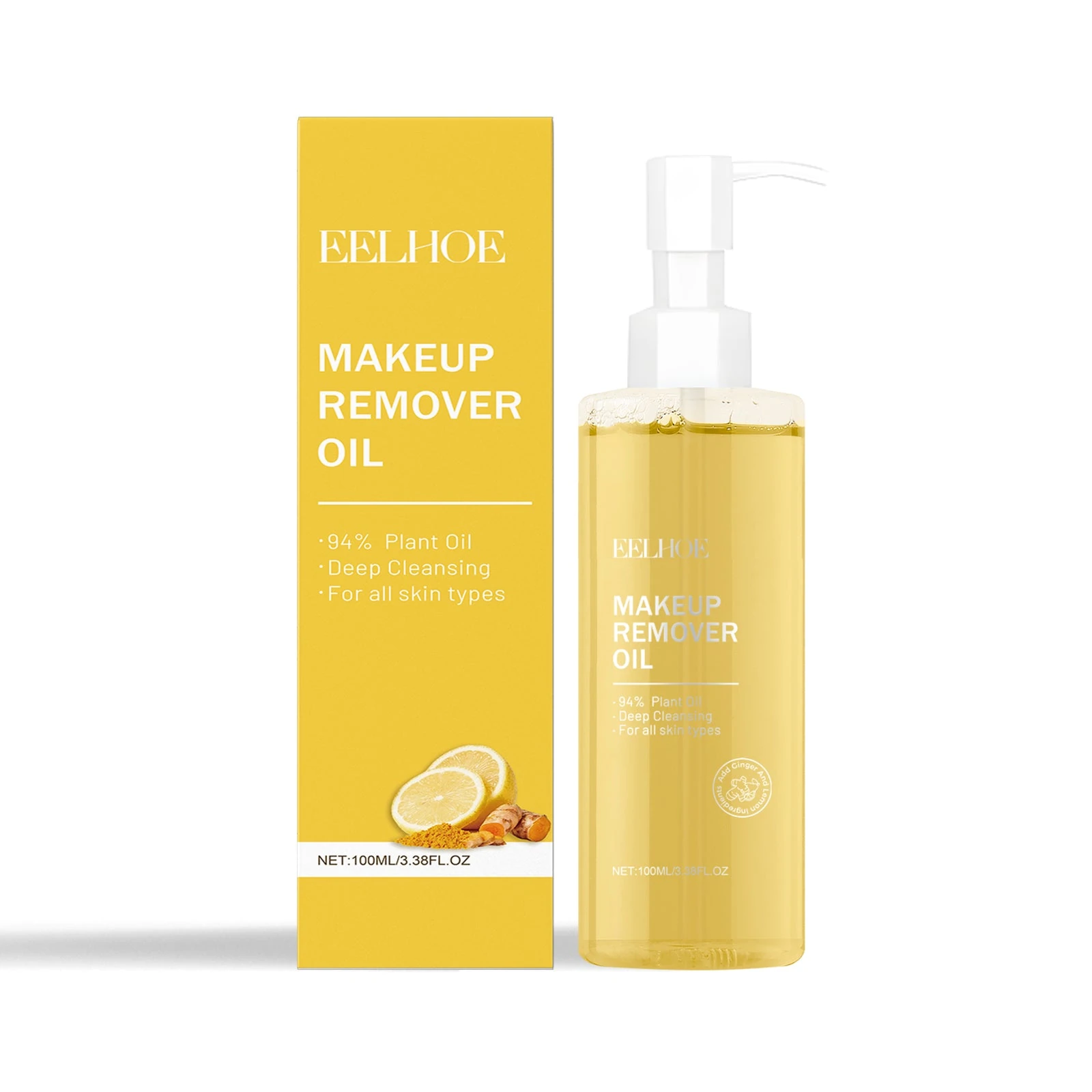
The separate 100ml facial cleansing oil comes in a pump bottle. Its highlighted ingredients include turmeric root oil, lemon peel oil, cocamidopropyl betaine, kojic acid and Chrysanthellum. The current method uses a small amount in clean hands, gentle facial massage and a water rinse.
This format may appeal if you prefer hand application and portioning from a pump rather than using a disposable pad. It is not an identical formula in a different package. Compare the current ingredient lists and methods, then choose the handling style that fits your routine.
The current listing does not specify a universal wet- or dry-face starting condition or prove that the oil turns into a milky emulsion. Follow the bottle’s complete directions for preparation, and do not import instructions from a different cleansing oil. It is also a rinse-off product, so switching from pads to this bottle does not remove the rinsing step.
For a broader texture comparison, read cleansing balm versus cleansing oil. That guide helps you compare a scoopable balm with a pump oil; this article focuses on the specific prepared-pad method and the decision to use a pad or your hands.
Do you need another cleanser afterward?
There is no automatic rule that every pad requires a second separate cleanser, nor that no pad ever does. For this jar, the required step established by the directions is a thorough rinse. Whether your routine also needs another suitable cleanser depends on the products you wore, remaining residue and the directions for the full routine.
Check for obvious makeup left around facial contours without repeatedly scrubbing the skin. If another cleansing step is needed, keep it gentle and avoid treating a tight feeling as the target. Our gel cleanser versus cream cleanser comparison explains how to choose by the actual rinse-off method rather than by a skin-type stereotype.
If you are clean and comfortable after the directed removal and rinse, adding more steps simply to make the routine feel complete may be unnecessary. If you consistently need aggressive follow-up cleansing, reconsider whether the removal format suits the makeup you wear instead of repeating a frustrating process every night.
Common problems and practical adjustments
For stubborn facial base makeup, see how to remove waterproof makeup gently, with separate eye-area checks and help for remaining residue.
If the pad drags, check whether you followed the moistened-face instruction and whether the pad is still in suitable condition. Do not pour a household liquid or another skincare active into the jar to revive it. Read the package for storage and any instructions about product condition.
If the face stings, stop and rinse. Do not interpret tingling as evidence of more effective makeup removal. If irritation persists, simplify the routine and seek appropriate individual advice. A formula containing familiar botanical ingredients can still be unsuitable for a particular person.
If the jar seems inconvenient, consider the handling difference rather than assuming you need a stronger product. A pump oil may suit someone who prefers massage with hands; a fresh pad may suit someone who prefers a prepared single-use format. Neither choice is proven superior for every makeup type, and comfort matters as much as convenience.
Keep a used pad separate from the unused supply and dispose of it according to the package and local waste guidance. Do not return it to the jar or share a used pad. Close the lid after taking what you need, and keep the storage routine simple enough to follow every time.
If a single-use, rinse-off pad fits your routine, review the 55-pad jar. If you prefer applying remover with your hands, compare the pump cleansing oil.
Sources and product information
General gentle-cleansing principles are supported by the linked AAD resource. Product quantity, ingredient highlights and directions were checked on October 17, 2026. GinGrowth sells both examples; this guide does not claim a controlled removal-performance comparison or universal suitability for sensitive skin.