
An intensive scalp and thin-hair treatment should be chosen by the cause of the concern, the evidence and the instructions—not by the word intensive. A more complicated routine or a larger amount of product does not automatically produce a better result. Separate treatment of hair loss from cleansing, conditioning and cosmetic scalp care.
This guide helps you assess the commitment behind a treatment claim and build a useful review plan. Product examples use current GinGrowth details checked October 1, 2026.
Understand What Has Changed
Thin-looking hair may reflect fine strands, breakage, a change in density or more than one issue. Note when the change began and whether it is diffuse, patchy or associated with pain, itching or scale. Those details matter more than choosing the strongest-sounding formula.
The AAD explains that effective treatment begins with finding the cause. A clinician may examine the scalp and hair and decide whether testing is appropriate. Do not diagnose a deficiency from shedding alone or stop prescribed medicines without advice.
What Does Intensive Actually Tell You?
On its own, intensive does not specify concentration, application frequency, medical status or clinical benefit. It may describe a brand's positioning or a routine with several steps. You still need the exact formula and directions.
Ask what extra commitment is involved. Does the product need a pre-wash interval, daily application or companion products? Is the claim based on the whole regimen? These questions make it possible to compare effort and evidence without assuming more steps equal stronger treatment.
For the treatment-comparison stage, comparing intensive scalp and thinning-hair options evaluates purpose, evidence and commitment rather than the word intensive.
Swipe the table sideways to compare all columns.
| Your question | What to compare | Next step |
|---|---|---|
| Intensive marketing | A descriptive word | Does not establish dose, strength or medical status. |
| Diagnosed hair loss | Specific treatment plan | Ask about benefit, follow-up and adverse effects. |
| Rough lengths or coated roots | Grooming concern | Choose the relevant care step. |
| Worsening symptoms | A reason to reassess | More product is not a stronger plan. |
Match the Plan to the Problem
If you have a diagnosis, discuss options appropriate to that condition. If the concern is dry lengths or flat-feeling roots, begin with the relevant grooming step. If the scalp is uncomfortable, identify whether a product reaction or another condition may be involved.
A useful plan states the goal, the chosen approach and when it will be reviewed. It should also explain what to do if adverse effects occur. Cosmetic shopping can fit around that plan, but should not make it impossible to tell which step is helping or causing a problem.
The Role of a Lightweight Essence
The current GinGrowth essence is a water-based scalp-care product with glycerin and ginger root oil among its highlights. It offers a small dropper format for moisturizing care. Its specifications do not establish that it is an intensive treatment for an underlying cause of loss.
The shampoo below provides a separate rinse-off cleansing role. GinGrowth sells both products. Compare them for the routine step you need, rather than combining them into an invented clinical regimen or copying a treatment's result onto the pair.
For a defined moisturizing step within a manageable routine, review the 30ml Lightweight Scalp Serum with Ginger.
Keep Everyday Care Simple During a Treatment Plan
Compare the essence for a small moisturizing step and the shampoo for ordinary rinse-off cleansing. An intensive treatment plan needs its own relevant evidence and instructions. GinGrowth sells the two products below.
Swipe the table sideways to compare all columns.
| Detail | 30ml Lightweight Scalp Serum with Ginger | 100ml Ginger Shampoo for Thinning Hair |
|---|---|---|
| Format | Water-based dropper essence | Rinse-off liquid cleanser |
| Ingredient highlights | Aqua, glycerin, ginger root oil, Polygonum multiflorum extract and hydroxyethylcellulose in the ingredient graphic. | Ginger, coconut oil and Polygonum multiflorum highlighted in the product materials. |
| Application | After washing and drying, apply a small amount to the scalp, massage gently and leave in. The product guide describes daily use. | Wet hair and scalp, lather, massage gently with fingertips and rinse thoroughly. |
| Reason to compare | Choose for a light moisturizing step and precise placement along a part. | Choose for ordinary cleansing of oil and everyday buildup, with a softer-hair focus. |
View 30ml Lightweight Scalp Serum with Ginger or compare 100ml Ginger Shampoo for Thinning Hair. Review the current product page for price and package details.
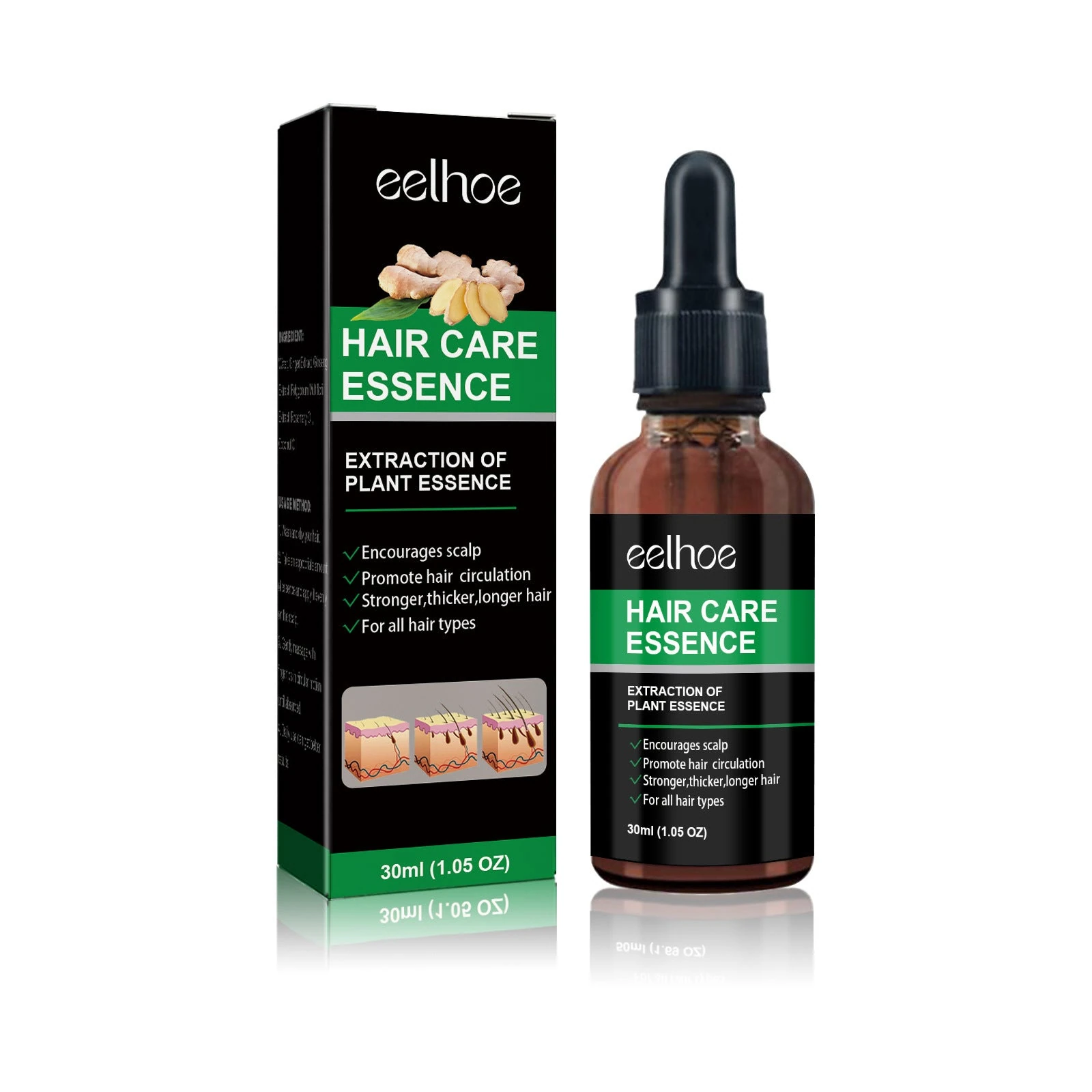
The essence contains ginger root oil within a water-based formula. That is different from buying a bottle of pure essential oil. Glycerin provides a concrete moisturizing ingredient to compare, while the dropper helps direct a small amount to the scalp. Use the finish on your own hair as the practical test: controlled placement matters more than saturating the roots or spreading scalp care through the lengths.
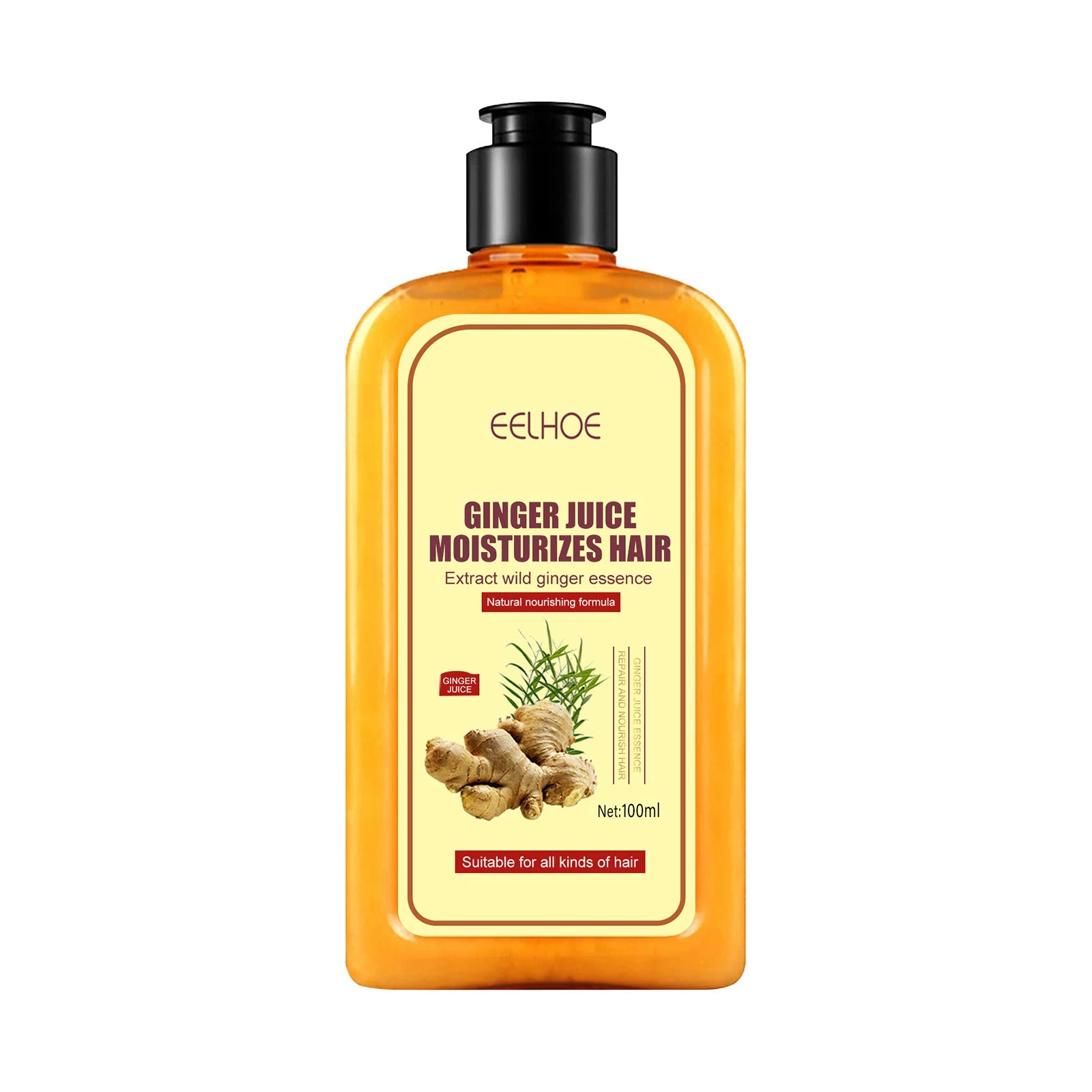
This shampoo belongs in the wash step. Its purpose is scalp cleansing and softer-feeling hair, rather than a leave-on scalp layer. The highlighted ingredients are not a complete concentration statement. If you use a medicated shampoo or a specific pre-shampoo treatment, keep its directions in place and decide whether an additional cleanser is necessary before adding another bottle.
Follow Instructions Without Escalating the Dose
Use the product's application area, preparation, amount and frequency. For a medicine, retain the labeled or prescribed schedule. For an optional cosmetic, make one change at a time and keep it in its original container.
Do not compensate for a missed application with extra liquid. Do not mix several actives in your palm or bottle. Do not extend a rinse-off product's contact time simply because a longer treatment feels more intensive. If you cannot follow the routine comfortably, discuss a workable alternative.
For technique rather than treatment selection, use the scalp application guide.
Set a Review Period for the Actual Treatment
The AAD describes minoxidil as a treatment that can stimulate growth and help prevent further loss in suitable cases. Its guidance notes that results can take six to twelve months and continued use is needed to maintain benefits.
That is not a universal serum timetable. For a cosmetic cleanser or moisturizer, record the intended outcome—cleanliness, comfort or residue—without calling a short-term styling change regrowth. Seek advice about worsening symptoms instead of waiting through an arbitrary trial period.
Keep Supporting Care Manageable
Gentle handling and an appropriate wash routine can make daily care easier. Conditioner can address rough-feeling lengths without needing to be treated as a scalp medicine. Avoid turning every lifestyle suggestion into a promise to reverse thinning.
Keep a brief record of products, medicines and major routine changes. If taking photographs, use similar lighting, parting and hair condition. The goal is to describe change accurately, not to create a before-and-after claim from two different styling conditions.
For the broader treatment decision, read the hair-thinning treatment guide; this page focuses on evaluating treatment intensity and routine burden.
When to Consult a Professional
Arrange an assessment for sudden or patchy loss, a painful or inflamed scalp, or continued changes that concern you. The AAD describes multiple causes of scalp itch, so irritation should not automatically be interpreted as product activity.
Useful appointment questions include: What cause is most likely? What benefit should this treatment deliver? What adverse effects should I report? When should we review the plan? Bring the actual product names and directions rather than a generic list of ingredient trends.
For preparation before choosing treatment, the thinning-hair treatment decision guide organizes diagnosis, suitable options, costs and review questions.
Frequently Asked Questions
Does intensive mean a higher concentration?
Not without a specific formula statement. Read the concentration and evidence rather than inferring strength from the adjective.
Should I use more product on a thinning area?
Follow the exact dose and area instructions. More exposure does not establish greater benefit.
Can I add a cosmetic serum during treatment?
Ask about the exact combination and keep treatment instructions clear. An optional care step should not obscure reactions or interfere with the plan.
Can cleansing make hair appear fuller?
Removing residue can affect root appearance, but that is different from measuring new growth or treating a diagnosis.
Choose a Clear Plan over an Undefined Intensity
Define the concern, use relevant evidence and follow a schedule you can review. Compare the essence for a separate light moisturizing role or the shampoo for ordinary cleansing. Each step should have a purpose you can explain before adding another.
Choose one clearly defined care step before adding an intensive routine.
Sources and Product Information
- AAD: Hair loss—Diagnosis and treatment — Official guidance accessed October 1, 2026; applies to the stated topic, not a trial of GinGrowth products.
- AAD: Causes of itchy scalp — Official guidance accessed October 1, 2026; applies to the stated topic, not a trial of GinGrowth products.
GinGrowth product details were checked October 1, 2026. This guide compares published information and current product specifications; it does not report a GinGrowth clinical trial or personal use test.