
Hair thinning treatment works best when it addresses the cause of the thinning. A widening part, increased shedding and broken lengths may call for different decisions. Start with diagnosis, compare treatments with evidence for that diagnosis, and use shampoo or cosmetic scalp serum for its separate cleansing or conditioning role.
This guide helps you prepare for that decision: what to record, which treatment questions to ask, and where an everyday scalp-care product fits. It draws on the American Academy of Dermatology's treatment guidance and current GinGrowth product details checked October 1, 2026.
What Can Cause Hair Thinning?
Hair thinning describes an appearance, not a diagnosis. Inherited pattern hair loss, shedding after an illness or other major change, traction, and inflammatory scalp conditions can require different approaches. Short broken strands can also make hair look less full without representing the same process as shedding from the root.
Record when you noticed the change, whether it is diffuse or localized, and any accompanying pain, scale or itching. Mention recent illnesses, medicines, dietary changes and styling habits during an appointment. A dermatologist may examine your scalp and hair and, when appropriate, order blood tests or a scalp biopsy. Do not self-prescribe supplements because a deficiency is one possible cause.
Treatment Options and the Evidence Behind Them
The AAD explains that minoxidil can stimulate hair growth and help prevent further hair loss. It is one treatment to discuss for suitable hair-loss patterns; it does not address every cause. Use the appropriate labeled product and check suitability with a clinician or pharmacist.
The same guidance describes prescription medicines and procedures that may be considered after diagnosis. A treatment for one condition should not be presented as a universal upgrade from cosmetic care. Ask what outcome the proposed option is intended to achieve, how it is used, what adverse effects matter, and how the response will be reviewed.
These questions are more useful than ranking bottles by the number of botanical ingredients on the front label.
For the treatment discussion, comparing treatments for thinning hair separates medicines, procedures and ordinary care by indication and commitment.
Swipe the table sideways to compare all columns.
| Your decision | What to compare | Practical next step |
|---|---|---|
| Minoxidil | AAD describes growth stimulation and help preventing further loss. | Results may take six to twelve months; continued use maintains benefit. |
| Prescription options | Suitability depends on diagnosis and personal circumstances. | Discuss risks and monitoring with a clinician. |
| Procedural or device options | Different evidence, cost and treatment commitments. | Ask which outcome and user group the evidence concerns. |
| Cosmetic scalp care | Moisturizing feel and a manageable application format. | Use for that separate job, without assuming it treats the cause. |
Where Topical Serums Fit
The word serum describes a product format. A drug treatment, a moisturizing cosmetic and a fragranced scalp-care blend can all be liquids in similar bottles while having very different roles. Read the active ingredient, labeled purpose and directions before comparing them.
A cosmetic can support a comfortable grooming routine without establishing regrowth. Likewise, a manufacturer's full-regimen study should not be turned into a claim that an individual serum treats your diagnosis. For a practical way to compare formulas and evidence, see the scalp-serum selection checklist.
If you already use a prescribed scalp treatment, ask about timing before adding another leave-on. Do not mix products in the same bottle or assume extra layers increase treatment effectiveness.
How to Choose Your Next Step
Start with the decision you actually need to make. If the cause is unknown, arrange an assessment and bring a short symptom history. If you have a diagnosis, compare the recommended options by expected benefit, daily effort, cost and tolerability. If your separate goal is ordinary cleansing or a light moisturizing step, choose a cosmetic with that purpose.
For example, a rinse-off shampoo and a water-based essence can play different roles within the same routine. Neither replaces a diagnosis, and you do not need both merely because they appear together in a comparison. Keep your treatment plan identifiable so you can tell which step is responsible for a reaction or a practical problem.
For the separate everyday cleansing step in your routine, review the 100ml Ginger Shampoo for Thinning Hair.
Everyday Cleansing and Optional Scalp Care
Choose an optional everyday-care product by the task you need and the formula you prefer. The comparison below concerns cosmetic care, not proof that different products have identical treatment effects. GinGrowth sells the two products below.
Swipe the table sideways to compare all columns.
| Detail | 100ml Ginger Shampoo for Thinning Hair | 30ml Lightweight Scalp Serum with Ginger |
|---|---|---|
| Format | Rinse-off liquid cleanser | Water-based dropper essence |
| Ingredient highlights | Ginger, coconut oil and Polygonum multiflorum highlighted in the product materials. | Aqua, glycerin, ginger root oil, Polygonum multiflorum extract and hydroxyethylcellulose in the ingredient graphic. |
| Application | Wet hair and scalp, lather, massage gently with fingertips and rinse thoroughly. | After washing and drying, apply a small amount to the scalp, massage gently and leave in. The product guide describes daily use. |
| Reason to compare | Choose for ordinary cleansing of oil and everyday buildup, with a softer-hair focus. | Choose for a light moisturizing step and precise placement along a part. |
View 100ml Ginger Shampoo for Thinning Hair or compare 30ml Lightweight Scalp Serum with Ginger. Review the current product page for price and package details.
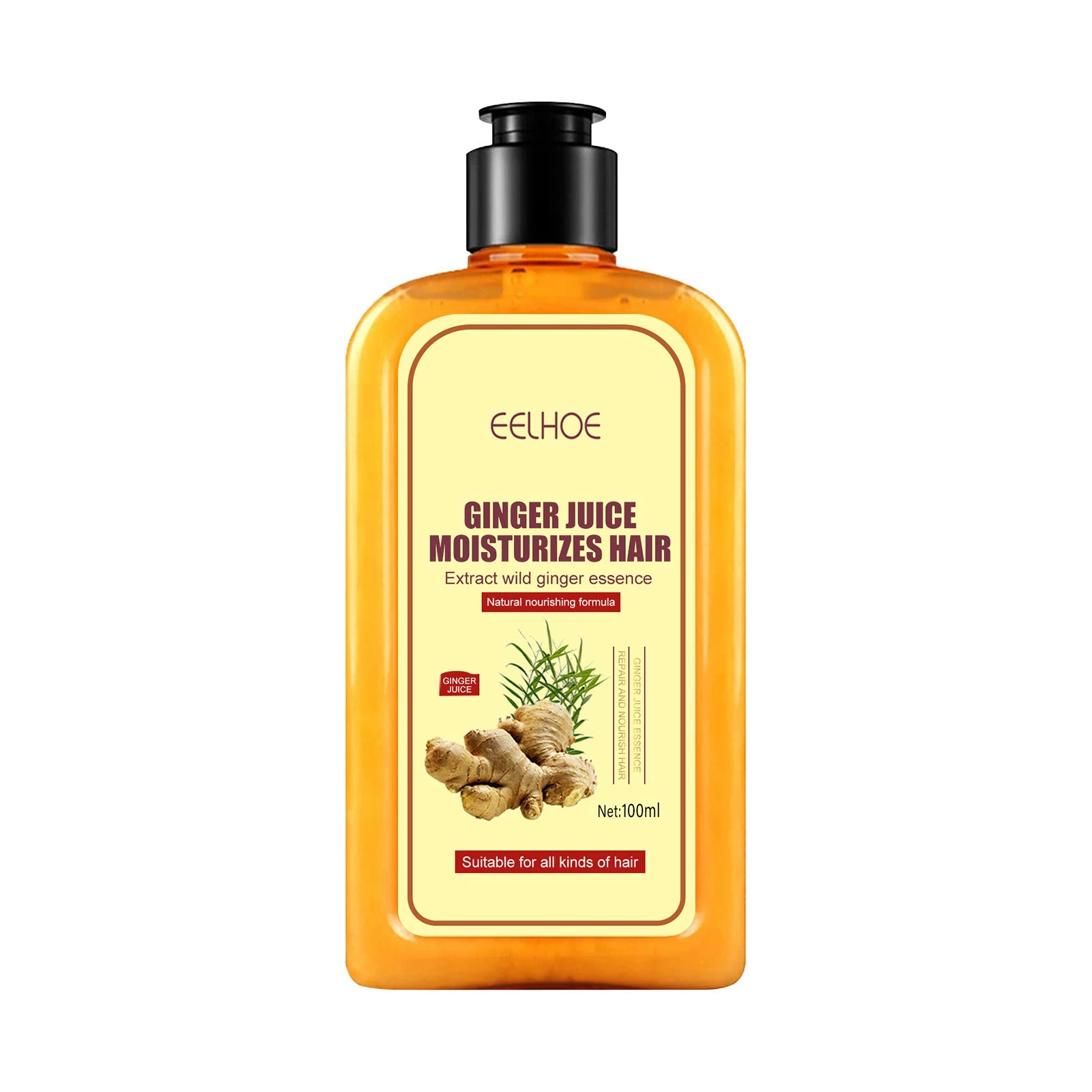
This shampoo belongs in the wash step. Its purpose is scalp cleansing and softer-feeling hair, rather than a leave-on scalp layer. The highlighted ingredients are not a complete concentration statement. If you use a medicated shampoo or a specific pre-shampoo treatment, keep its directions in place and decide whether an additional cleanser is necessary before adding another bottle.
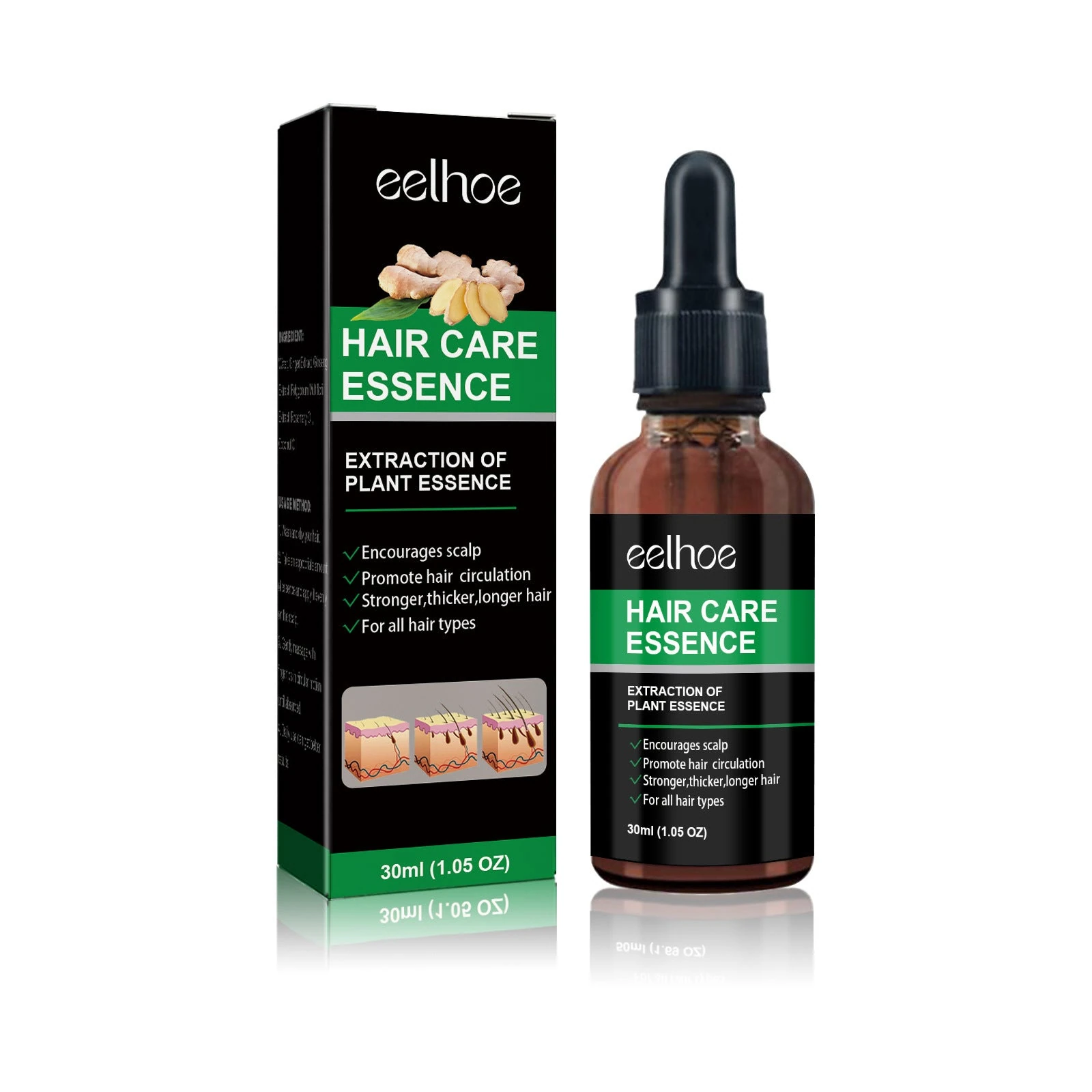
The essence contains ginger root oil within a water-based formula. That is different from buying a bottle of pure essential oil. Glycerin provides a concrete moisturizing ingredient to compare, while the dropper helps direct a small amount to the scalp. Use the finish on your own hair as the practical test: controlled placement matters more than saturating the roots or spreading scalp care through the lengths.
Common Mistakes When Treating Thinning Hair
Changing several products together makes it difficult to understand what helped or irritated your scalp. Keep a simple record of each change, the directed amount and any symptoms. Photographs taken with similar lighting, parting and hair condition can support a discussion, although they do not diagnose the cause.
Another mistake is using cosmetic appearance as a treatment measurement. Freshly washed roots may look fuller, and conditioner may reduce a rough feel; those changes do not measure new follicular growth. Avoid increasing a treatment dose to chase a faster result, and do not stop prescribed medicines without discussing the reason with your clinician.
Set a Timeline for the Specific Treatment
According to the AAD, minoxidil may take six to twelve months before results are apparent, and continued use is needed to maintain its benefit. That timeline belongs to minoxidil guidance. It is not evidence for a six-month promise attached to any cosmetic serum.
Ask when your clinician wants to reassess the diagnosis and treatment. Report adverse reactions rather than waiting for a routine review. For ordinary scalp care, track the intended outcome—cleanliness, comfort or residue—without calling a short-term texture change regrowth. Keeping those observations separate makes the eventual review more useful.
For the everyday-care part, scalp care alongside a thinning-hair treatment plan explains washing, comfort and product placement without replacing cause-specific treatment.
Read Ingredients in Context
An ingredient list can help identify moisturizing agents, oils or potential sensitivities. It cannot establish a finished product's clinical performance on its own. Glycerin in a scalp essence supports a moisturizing positioning; it does not make that essence interchangeable with minoxidil.
Similarly, ginger extract and ginger root oil are different label terms, and a formula that includes either is not necessarily a pure oil. Use the current package when checking the complete list. Ask about supplements only when there is a reason to consider them; the AAD cautions against treating presumed nutritional deficiencies without evidence.
When to Seek an Assessment Promptly
Arrange medical advice for sudden or patchy loss, a painful or inflamed scalp, or persistent symptoms accompanying thinning. Early diagnosis can matter because some causes need specific treatment. Do not cover a worsening problem with repeated exfoliation, scalp massage or additional fragrance-heavy products.
Before the visit, gather your current products and medicines, a timeline and a few questions. Useful questions include: What diagnosis is most likely? Is testing needed? Which outcome should improve first? What would make us change the plan? This is a better starting point than trying to identify a disease from a product advertisement.
Frequently Asked Questions
Can a shampoo treat every type of hair thinning?
No. Ordinary shampoo cleans hair and scalp. A product needs an appropriate labeled purpose and evidence before it can be considered a treatment for a particular condition.
Can I use scalp care alongside treatment?
Possibly, but check the treatment's application requirements and ask about layering. Keep any optional cosmetic step simple and stop it if irritation develops.
Does a stronger tingling sensation mean it works better?
No. Tingling is not a measurement of hair growth or treatment effectiveness. Burning or persistent discomfort is a reason to reassess the product.
What if my main problem is broken hair?
Discuss styling, heat and hair-shaft care as well as the scalp. Breakage and shedding may need different management.
Choose a Useful Next Action
Write down the change you want to address, how long it has been present and whether the scalp has symptoms. Use that record to guide a treatment discussion. If you also want a straightforward cleansing step, compare the shampoo below on its verified care role; add a leave-on only when you have a separate reason for one.
Need a straightforward cleanser alongside your care plan? Review the shampoo’s wash-day role.
Sources and Product Information
- American Academy of Dermatology: Hair loss—Diagnosis and treatment — Clinical education, accessed October 1, 2026; treatment benefits apply to the specified treatment and cause.
GinGrowth product details were checked October 1, 2026. This guide compares published information and current product specifications; it does not report a GinGrowth clinical trial or personal use test.