
Scalp serum can provide moisturizing care, a pre-shampoo cleansing or exfoliating step, or a specific labeled treatment, depending on the formula. The name describes a broad product category; it does not tell you whether to rinse, how often to apply or whether regrowth is supported. Read the purpose and directions before choosing.
This guide explains the practical benefits, limits, and application steps so you can decide whether a serum fits your scalp and routine. For a broader comparison of formats and formulas, see our scalp serum selection guide.
Product information checked October 1, 2026. To see a concrete example of lightweight moisturizing scalp care, review 30ml Lightweight Scalp Serum with Ginger.
What Is Scalp Serum?
Scalp serum is a liquid, gel, or light emulsion designed for use on the skin beneath the hair. It is commonly packaged with a dropper, nozzle, or comb applicator so a small amount can be placed along the part lines. Most formulas are left in rather than rinsed out.
The word serum describes the format, not a guaranteed result. Two bottles labeled scalp serum can have very different purposes. One may rely on humectants for hydration, another may contain exfoliating acids, and another may simply provide a lightweight botanical blend. The ingredient list and directions are more useful than the product category alone.
What Can a Scalp Serum Do?
Add Lightweight Hydration
Water-based formulas with humectants such as glycerin, panthenol, or hyaluronic acid can help the scalp retain moisture. This may reduce a tight or dry feeling without the weight of a heavy oil. Hydration can improve comfort, but persistent flakes or itching may have causes other than simple dryness.
Support a More Comfortable Scalp Routine
Some formulas include soothing cosmetic ingredients intended for sensitive-feeling skin. The complete formula and your sensitivities matter. A shorter list alone does not establish tolerance; fragrance-free wording is useful only when verified for the exact product. Patch testing is particularly important if your scalp is already reactive.
Help Manage Oil or Product Buildup
Clarifying scalp products may contain ingredients that loosen surface buildup. These formulas are different from everyday hydrating serums and may be used less often. Overusing an exfoliating or alcohol-heavy product can increase dryness and irritation, so follow the label rather than combining several clarifying treatments.
Make Targeted Application Easier
A nozzle or dropper lets you apply a small amount to specific areas without saturating the hair. This can be useful for fine hair, protective styles, or routines where a rich oil would feel heavy. The applicator is a convenience feature; it does not make the ingredients more effective by itself.
When residue is the issue, the clarifying scalp-serum guide distinguishes cleansing and exfoliation from optional leave-on moisture.
What Scalp Serum Cannot Be Assumed to Do
A cosmetic scalp serum should not be assumed to regrow hair, stop shedding, stimulate follicles, or improve blood circulation. Those are treatment claims that require evidence for the finished product, not just a familiar ingredient name. Hair shedding can be related to genetics, illness, medication, nutrition, hormonal changes, styling practices, or scalp disease.
Moisturizing ingredients alone do not establish treatment of dandruff or seborrheic dermatitis; any additional treatment claim needs its own evidence and labeled purpose. If flakes are greasy, recurrent, inflamed, or accompanied by significant itching, start with appropriate scalp care and professional guidance. Our guide to scalp serum and seborrheic dermatitis explains where cosmetic products may and may not fit.
Common Scalp Serum Types
Swipe the table sideways to compare all columns.
| Formula type | Typical role | What to watch for |
|---|---|---|
| Hydrating serum | Light moisture for a tight or dry-feeling scalp | Fragrance, stickiness, or buildup with daily use |
| Soothing serum | Comfort for sensitive-feeling skin | Essential oils and long botanical blends can still irritate |
| Clarifying serum | Occasional help with oil or styling-product residue | Exfoliating ingredients may be too strong for frequent use |
| Oil-rich serum | More occlusive conditioning for very dry-feeling areas | May weigh down fine hair or worsen the feeling of buildup |
| Medicated treatment | Treats a diagnosed or label-specified condition | Follow the drug label or clinician's directions; it is not interchangeable with a cosmetic serum |
Compare Two Examples of Moisturizing Scalp Care
These two water-based products illustrate moisturizing scalp care; they do not represent every serum category or treatment. GinGrowth sells the two products below.
Swipe the table sideways to compare all columns.
| Detail | 30ml Lightweight Scalp Serum with Ginger | 40ml Ginger Hair Tonic for Scalp & Roots |
|---|---|---|
| Format | Water-based dropper essence | Water-based dropper tonic |
| Ingredient highlights | Aqua, glycerin, ginger root oil, Polygonum multiflorum extract and hydroxyethylcellulose in the ingredient graphic. | Ginger extract, glycerin, sodium PCA and panthenol, alongside aqua, in the product artwork. |
| Application | After washing and drying, apply a small amount to the scalp, massage gently and leave in. The product guide describes daily use. | Part hair, apply a small amount, massage gently for 2–3 minutes and leave on. Follow the current bottle for frequency. |
| Reason to compare | Choose for a light moisturizing step and precise placement along a part. | Choose for a larger dropper format with humectant and conditioning ingredient highlights. |
View 30ml Lightweight Scalp Serum with Ginger or compare 40ml Ginger Hair Tonic for Scalp & Roots. Review the current product page for price and package details.
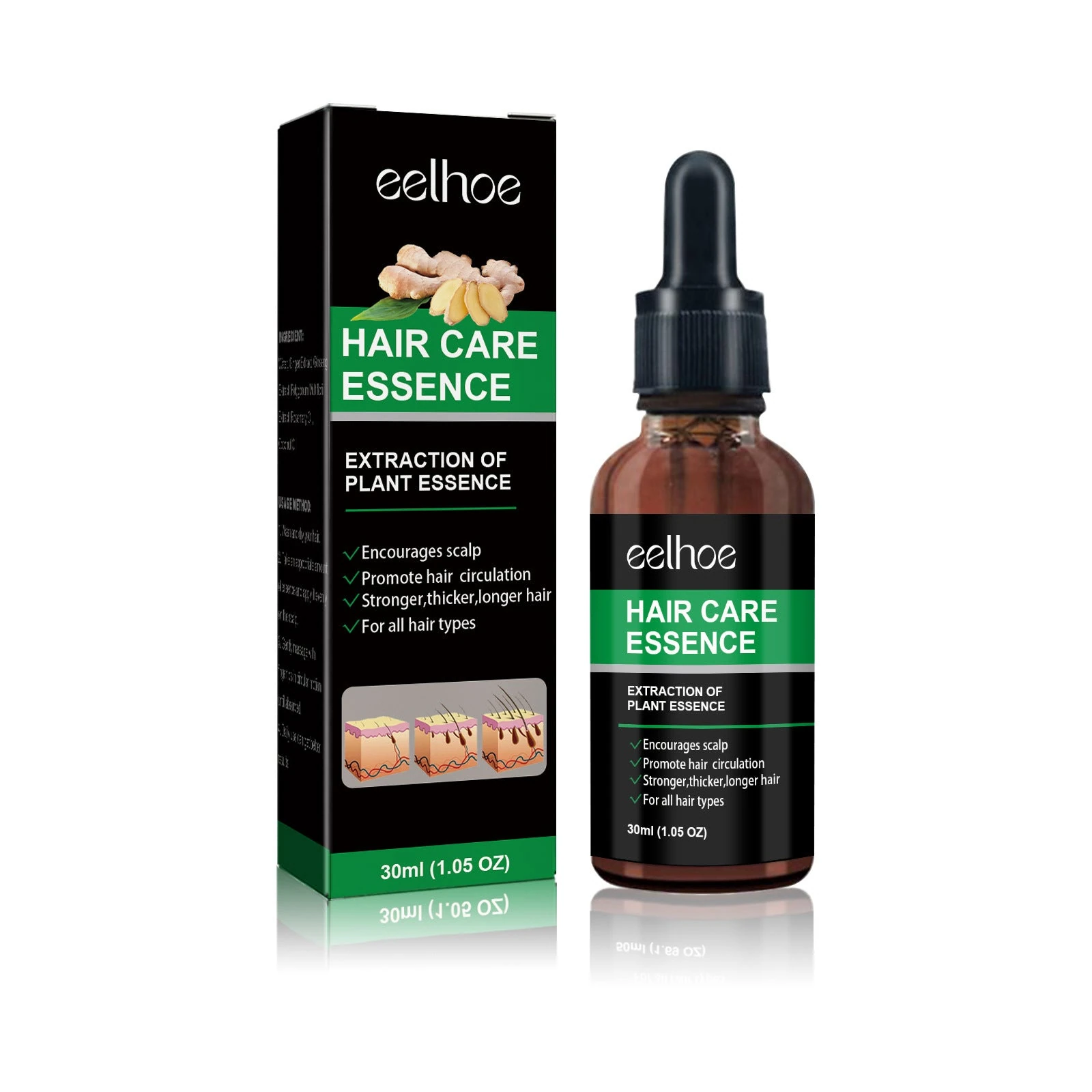
The essence contains ginger root oil within a water-based formula. That is different from buying a bottle of pure essential oil. Glycerin provides a concrete moisturizing ingredient to compare, while the dropper helps direct a small amount to the scalp. Use the finish on your own hair as the practical test: controlled placement matters more than saturating the roots or spreading scalp care through the lengths.
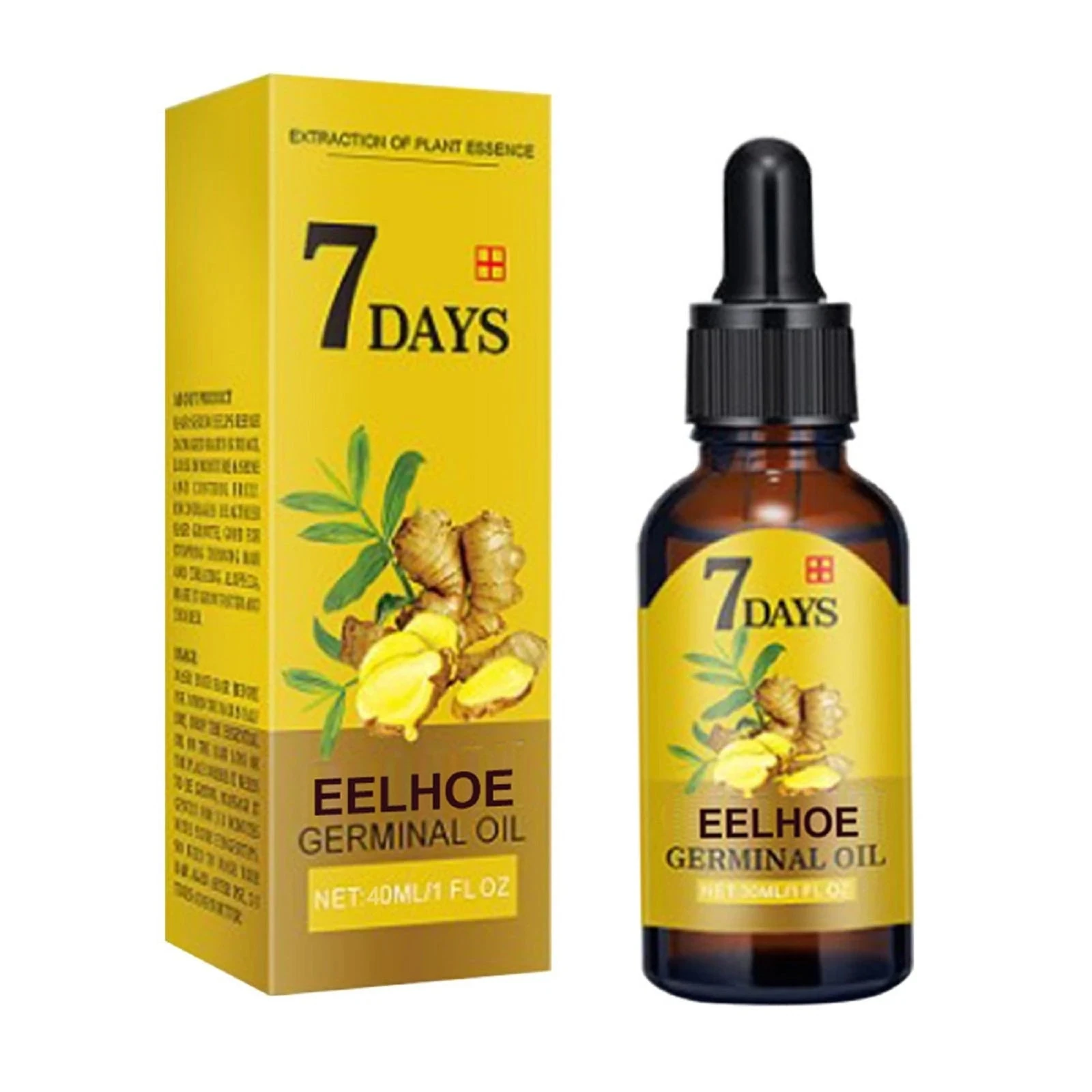
Glycerin and sodium PCA are moisture-binding ingredients, while panthenol is used for conditioning. The highlighted ingredient graphic is not a percentage breakdown. The word tonic describes this product choice; it does not establish a stronger concentration than the smaller essence. Compare the ingredients you prefer and whether direct dropper placement feels convenient in your routine.
How to Choose a Scalp Serum
- Name the main concern. Choose one priority such as simple dryness, sensitivity, oil, or buildup. Trying to solve every concern with one formula often leads to an unnecessarily complicated ingredient list.
- Check the product category. Confirm whether the product is a leave-in cosmetic, rinse-out exfoliant, oil, or medicated treatment.
- Read the directions. Frequency and rinse instructions matter. Do not assume every serum is intended for daily or overnight use.
- Consider texture and hairstyle. Fine hair may suit a water-based formula, while a richer product may be easier to use on a very dry-feeling scalp or in sectioned styles.
- Patch test first. Apply a small amount to one limited area and observe for a reaction before considering broader use.
If dryness is your main concern, use the more specific dry scalp serum guide. If you are comparing lightweight products for a thinning-hair routine, browse the scalp serum collection and evaluate each product by its label, texture, and instructions rather than expecting a guaranteed growth result.
How to Apply Scalp Serum
- Confirm whether the intended area is scalp or hair lengths.
- Read the dry, damp or wet preparation requirement.
- Part the hair and place the label-directed amount on the intended area.
- Distribute gently if directed, avoiding scratching.
- Rinse or leave on according to the specific formula.
- Observe comfort and residue; stop a product that causes a reaction.
A dropper, full dropper, spray pump and milliliter are not interchangeable doses. For a more detailed technique walkthrough, read how to apply scalp serum. Good placement makes use more precise, not proof of a medical result.
Scalp Serum vs. Hair Serum vs. Hair Oil
Swipe the table sideways to compare all columns.
| Product | Applied to | Main cosmetic purpose |
|---|---|---|
| Scalp serum | Scalp skin | Targeted hydration, comfort, or buildup management depending on formula |
| Hair serum | Mid-lengths and ends | Smooths the hair surface, adds shine, or helps manage frizz |
| Hair or scalp oil | Scalp, hair, or both as directed | Richer conditioning and reduced moisture loss |
Using the wrong placement can create residue without addressing the intended concern. A finishing serum designed for hair lengths is not automatically suitable for scalp skin, and a scalp treatment may make the hair lengths feel coated.
For the category distinction, the beginner’s scalp-serum guide explains moisturizing leave-ins, pre-shampoo products and labeled treatments.
When to Seek Medical Advice
See a dermatologist or other qualified clinician for sudden or patchy hair loss, scalp pain, sores, bleeding, pus, thick scale, spreading redness, or persistent itching. Professional evaluation is also appropriate when shedding continues or scalp symptoms do not improve with a simple routine. The American Academy of Dermatology lists common causes of hair loss and explains why the correct diagnosis matters.
Frequently Asked Questions
Does scalp serum make hair grow?
A cosmetic scalp serum is not proof of hair regrowth. It may moisturize the scalp or make a routine easier to follow, but regrowth claims require evidence for the finished formula. Persistent thinning or shedding should be evaluated based on its cause.
Can scalp serum help a dry scalp?
A hydrating formula may reduce tightness and improve comfort when the issue is simple dryness. It will not necessarily help dandruff, dermatitis, psoriasis, or an allergic reaction, which can produce similar symptoms.
Can I use scalp serum every day?
Only if the label recommends it and your scalp tolerates that frequency. Clarifying or exfoliating products may be intended for occasional use. Reduce or stop use if residue or irritation develops.
Should scalp serum be applied to wet or dry hair?
Follow the directions for the specific formula. There is no universal rule that damp or dry application improves absorption. What matters is reaching the scalp with the recommended amount.
Will scalp serum make hair greasy?
It can if the formula is rich, too much is applied, or product accumulates between washes. A water-based texture and section-by-section application may suit fine or oily hair better.
How quickly should scalp serum work?
There is no universal timeline. Cosmetic comfort may be noticeable sooner than any change in hair appearance, while some concerns will not respond to a cosmetic serum at all. Use the product label and the specific concern, not a fixed number of weeks, to judge it.
Choose Your Next Step
Scalp serum is a product format, not a guaranteed treatment. The right formula can add lightweight moisture, improve comfort, or help manage surface buildup, but its role depends on the ingredients and directions. Choose by scalp concern, introduce one product at a time, and seek medical advice for persistent symptoms or meaningful hair loss.
Choose a scalp serum by the job you want it to do and its exact directions.
Sources and Product Information
- AAD: Hair loss—Diagnosis and treatment — Official guidance accessed October 1, 2026; applies to the stated topic, not a trial of GinGrowth products.
- AAD: Causes of itchy scalp — Official guidance accessed October 1, 2026; applies to the stated topic, not a trial of GinGrowth products.
- AAD: How to treat dandruff — Official guidance accessed October 1, 2026; applies to the stated topic, not a trial of GinGrowth products.
GinGrowth product details were checked October 1, 2026. This guide compares published information and current product specifications; it does not report a GinGrowth clinical trial or personal use test.