
To choose the best scalp serum for hair-growth routines, first separate treatment of hair loss from cosmetic scalp care. For everyday care, compare texture, moisturizing ingredients, applicator and directions. For regrowth, examine evidence for the finished product and the cause of loss. The seven checks below help you compare options without treating every bottle labeled serum as equivalent.
This guide explains how to compare scalp serums by texture, ingredients, use case, and routine fit. You can also browse all hair growth serum options to compare the current formulas side by side.
Product details checked October 1, 2026. If the checklist points to lightweight cosmetic scalp care, review 30ml Lightweight Scalp Serum with Ginger.
Quick Comparison: Which Scalp Serum Fits You?
Swipe the table sideways to compare all columns.
| Your priority | What to look for | Potential trade-off | Option to review |
|---|---|---|---|
| Fine hair or a non-greasy daily routine | Fluid texture, targeted application, clean-feeling finish | May feel too light for a very dry scalp | Lightweight Ginger Hair Serum for Thinning Hair |
| A preference for humectant-based scalp care and precise placement | Dropper format and a lightweight leave-in texture | Requires careful sectioning for even application | 40ml Ginger Hair Tonic for Scalp & Roots |
| Dry or tight-feeling scalp after washing | Comfort-focused formula with a richer feel | May feel heavy on oily roots or very fine hair | Ginger Scalp Serum for Dry Scalp |
| Sudden shedding, patches, pain, or inflamed skin | Assessment by a dermatologist or qualified clinician | A cosmetic product may delay appropriate care | Seek professional advice before adding new actives |
What a Scalp Serum Can and Cannot Do
Scalp serum is a broad product label. Some are cosmetic leave-ons intended for scalp comfort or appearance; others are pre-wash products or labeled treatments. Confirm the exact purpose before comparing benefits. It can make a routine easier to maintain and may improve how the scalp and roots feel or look. The exact result depends on the formula and the reason your hair appears thinner.
A cosmetic scalp serum is not the same as an evidence-based hair-loss treatment. Hair thinning can have many causes, including genetics, hormonal changes, illness, medication, nutritional deficiency, traction, and inflammatory scalp conditions. A serum cannot identify which cause applies to you. If loss is new, rapid, patchy, accompanied by scalp symptoms, or causing concern, get a clinical assessment rather than relying on product claims.
For the density claim itself, how to evaluate a scalp-density serum separates visible fullness, breakage, shedding and measured density before comparing studies.
Compare Two Current Water-Based Options
GinGrowth sells these two water-based dropper options. The 30ml Lightweight Scalp Serum features ginger root oil, glycerin and Polygonum multiflorum extract. The 40ml Ginger Hair Tonic features ginger extract, glycerin, sodium PCA and panthenol. Start with the bottle size and ingredient combination you prefer; both are intended for direct scalp application.
Swipe the table sideways to compare all columns.
| Detail | 30ml Lightweight Scalp Serum with Ginger | 40ml Ginger Hair Tonic for Scalp & Roots |
|---|---|---|
| Format | Water-based dropper essence | Water-based dropper tonic |
| Ingredient highlights | Aqua, glycerin, ginger root oil, Polygonum multiflorum extract and hydroxyethylcellulose in the ingredient graphic. | Ginger extract, glycerin, sodium PCA and panthenol, alongside aqua, in the product artwork. |
| Application | After washing and drying, apply a small amount to the scalp, massage gently and leave in. The product guide describes daily use. | Part hair, apply a small amount, massage gently for 2–3 minutes and leave on. Follow the current bottle for frequency. |
| Reason to compare | Choose for a light moisturizing step and precise placement along a part. | Choose for a larger dropper format with humectant and conditioning ingredient highlights. |
View 30ml Lightweight Scalp Serum with Ginger or compare 40ml Ginger Hair Tonic for Scalp & Roots. Review the current product page for price and package details.
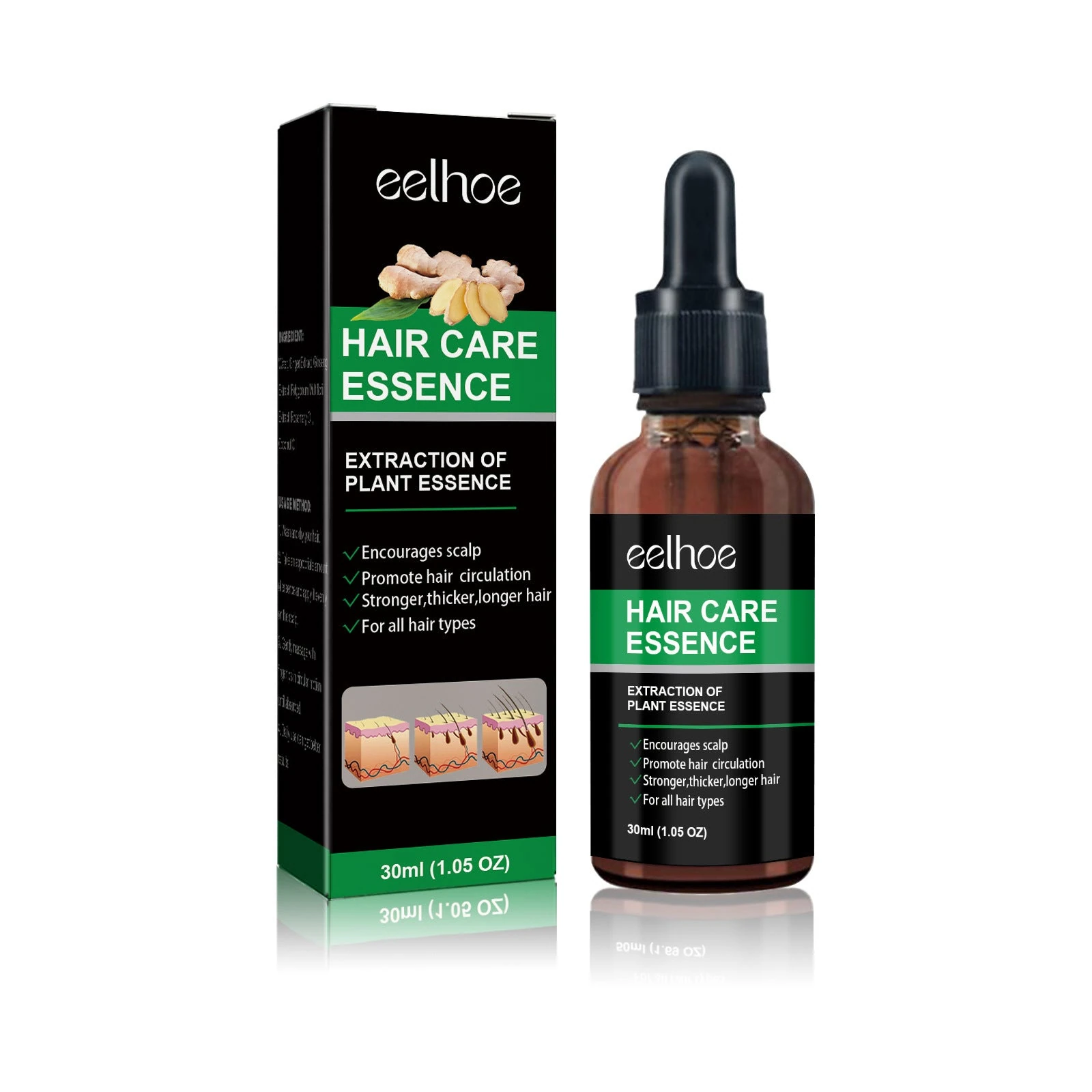
The essence contains ginger root oil within a water-based formula. That is different from buying a bottle of pure essential oil. Glycerin provides a concrete moisturizing ingredient to compare, while the dropper helps direct a small amount to the scalp. Use the finish on your own hair as the practical test: controlled placement matters more than saturating the roots or spreading scalp care through the lengths.
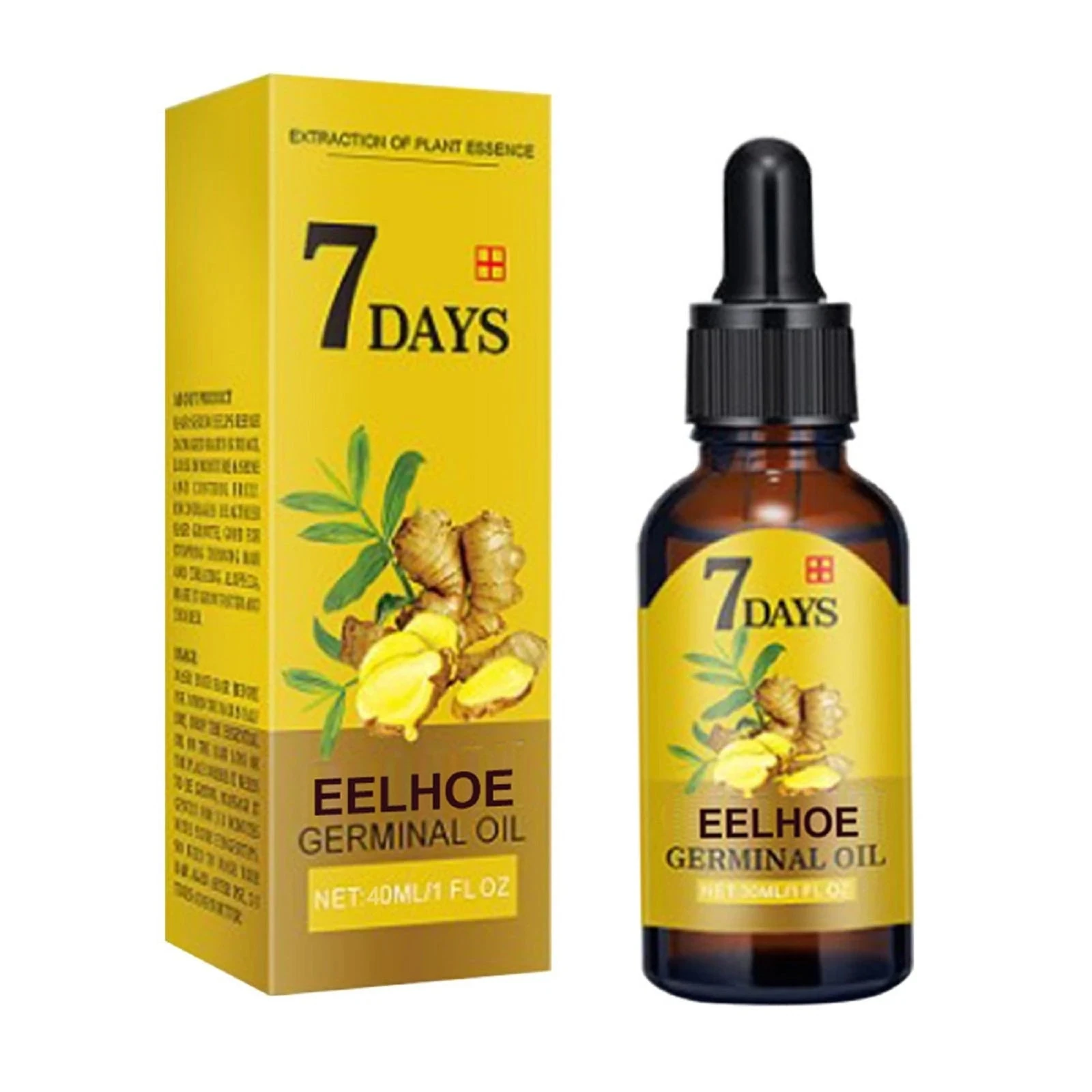
Glycerin and sodium PCA are moisture-binding ingredients, while panthenol is used for conditioning. The highlighted ingredient graphic is not a percentage breakdown. The word tonic describes this product choice; it does not establish a stronger concentration than the smaller essence. Compare the ingredients you prefer and whether direct dropper placement feels convenient in your routine.
For a shortlist organized around actual treatment and manufacturer evidence, see the hair-growth serum evidence guide. This page focuses on the purchase checklist and everyday formula fit.
Seven Factors to Compare Before You Buy
1. Your primary concern
Start by defining the job you want the product to do. Someone with fine hair and oily roots may prioritize a light finish. Someone whose scalp feels tight after washing may care more about comfort. If your goal is cosmetic support for thinning hair, choose a scalp-directed product instead of a shine serum intended only for the hair lengths.
2. Texture and finish
Texture often determines whether a routine lasts. Fluid serums tend to spread easily between the hair and can be less noticeable on fine strands. Oil-serum formulas may provide more cushioning but can create buildup if too much is applied. Product labels such as "lightweight" are useful starting points, but begin with a small amount and judge the actual finish on your own hair.
3. Applicator and precision
A dropper or narrow nozzle can help place serum along the part, crown, or hairline. Precision matters because a scalp serum should reach the skin rather than coat the surrounding hair. An applicator does not make a formula more effective by itself; it simply makes consistent, measured use easier.
4. Complete ingredient list
Judge a formula as a whole. A familiar botanical on the front label does not establish that the finished product will grow hair, and "natural" does not mean irritation-free. Review the full ingredient list for known allergens, fragrance, essential oils, or other ingredients that have caused you problems before. People with sensitive or inflamed skin should be especially cautious.
5. Directions and frequency
Choose a product whose directions fit your schedule. Daily use is not automatically better than less frequent use, and applying extra product does not guarantee a better result. Follow the product label, introduce one new leave-in at a time, and give yourself a way to identify the cause if irritation appears.
6. Claims and evidence
Be skeptical of guaranteed timelines, permanent regrowth promises, and dramatic before-and-after images without context. Cosmetic language such as "fuller-looking" describes appearance, not treatment of a medical condition. Ingredient research also cannot automatically be transferred to a finished formula with a different concentration and delivery system.
7. Value per use
Compare bottle size, the amount directed per application, and how often you expect to use it. The least expensive bottle is not always the lowest cost per use, and a premium price does not prove better results. A formula that feels comfortable and is easy to apply may offer more practical value than a complicated routine you abandon.
If residue and flat roots are the main concern, choosing a scalp serum for oily roots compares finish, placement and the role of cleansing.
How to Match a Serum to Your Scalp Type
Fine hair or oily roots
Look for a fluid texture and use the smallest amount that covers the intended area. Apply in sections and let it absorb before styling. If roots look flat or greasy, check placement and the directed amount before adding more products. Keep any treatment frequency within its label or clinician’s plan.
Dry-feeling scalp
A richer serum may feel more comfortable, but dryness is not always a simple moisture problem. Persistent flaking, redness, thick scale, or intense itching can reflect a scalp condition that needs different care. Avoid scratching and seek advice if symptoms persist.
Sensitive scalp
Review the full ingredient list against your own sensitivities and introduce a new product cautiously; a shorter list alone does not guarantee tolerance. Introduce the product when the scalp is calm, not immediately after scratching, chemical processing, sunburn, or an invasive scalp procedure. Stop use and wash the product off if you develop significant burning, swelling, hives, or a worsening rash.
Color-treated or styled hair
Check whether the directions conflict with your color or styling routine. A scalp product can still transfer onto roots or affect the finish. Apply precisely, avoid saturating the lengths, and follow any waiting period on the label.
When the goal is dry-scalp moisture, the dry-scalp serum comparison helps distinguish lighter hydration, richer conditioning and symptoms that need assessment.
Ingredient Categories: A Practical Reading Guide
Swipe the table sideways to compare all columns.
| Category | Role in a cosmetic serum | What to keep in mind |
|---|---|---|
| Humectants such as glycerin or sodium PCA | Help the formula support a hydrated feel | The overall formula and climate affect how it feels |
| Conditioning ingredients such as panthenol | Support softness and manageability | Conditioning is not the same as treating hair loss |
| Botanical extracts and oils | Contribute to the product's sensory and scalp-care profile | Botanicals can irritate; one ingredient does not prove regrowth |
| Texture agents and solvents | Control spread, stability, and finish | They help determine whether a product is pleasant to use |
| Fragrance and aromatic oils | Add scent or a sensory effect | They may be unsuitable for some sensitive scalps |
How to Apply Scalp Serum
- Read the product directions and check whether the scalp should be dry or towel-dried.
- Use a comb or fingers to create several parts through the target area.
- Apply a small, measured amount directly to the scalp.
- Distribute gently with clean fingertips. Avoid aggressive rubbing.
- Let the serum absorb before layering another leave-in or styling product.
- Track comfort, residue, and your ability to use the routine consistently.
Do not apply a standard cosmetic serum to broken, infected, sunburned, or freshly microneedled skin unless a qualified clinician and the product instructions specifically support that use.
Common Scalp-Serum Mistakes
- Using too much: excess product often coats the hair without improving scalp coverage.
- Changing several products at once: this makes irritation and results harder to evaluate.
- Assuming tingling means it works: burning or persistent discomfort is a reason to stop, not proof of activity.
- Ignoring the cause of thinning: a pleasant cosmetic routine should not replace diagnosis when warning signs are present.
- Expecting a guaranteed timeline: appearance and tolerance vary, and medical causes require appropriate care.
Frequently Asked Questions
What is the best scalp serum for hair growth?
There is no single best formula for everyone. For cosmetic support, look for a texture suited to your scalp, precise application, clear directions, a fully disclosed ingredient list, and claims that do not promise medical treatment. A lightweight serum is often the easiest starting point for fine or thinning hair.
Can scalp serum regrow hair?
A cosmetic scalp serum may support scalp comfort or fuller-looking hair, but it should not be assumed to regrow hair or treat alopecia. Evidence depends on the finished product and the cause of loss. Consult a clinician about proven treatment options for diagnosed hair loss.
How often should I use scalp serum?
Use the frequency stated on the product label. Start conservatively if your scalp is sensitive. Daily application is useful only when the formula is intended for it and your scalp tolerates it.
Should I put scalp serum on wet or dry hair?
Follow the formula's directions. Some products spread best on towel-dried hair, while others are intended for a dry scalp. In either case, sectioning the hair helps the serum reach the scalp.
Is scalp serum better than hair oil?
Neither format is universally better. Serums are often lighter and easier to use at the roots; oils can feel richer and may suit a different routine. Choose based on scalp comfort, finish, and the product's intended use.
When should I see a dermatologist?
Seek medical advice for sudden or patchy loss, scalp pain, sores, pus, marked redness, scarring, eyebrow or eyelash loss, or thinning that continues despite gentle care. Early assessment can matter for some causes of hair loss.
Choose Your Next Step
To choose the best scalp serum for hair growth, prioritize fit over hype. Match the texture to your scalp, choose an applicator you can use precisely, read the complete ingredient list, and keep cosmetic expectations realistic. For a simple comparison of lightweight, targeted, and dry-scalp options, visit the hair growth serum collection.
Use the checklist on a concrete option: review the essence’s size, ingredients and directions.
Sources and Product Information
- American Academy of Dermatology: Hair loss—Diagnosis and treatment — Clinical education, accessed October 1, 2026; treatment benefits apply to the specified treatment and cause.
GinGrowth product details were checked October 1, 2026. This guide compares published information and current product specifications; it does not report a GinGrowth clinical trial or personal use test.