
A keratin serum for hair growth should be judged first as a hair-care formula, not as proof of new growth. Keratin is a structural protein in hair. A cosmetic serum containing keratin may support the feel and manageability of existing strands, depending on the whole formula, but the ingredient name alone does not demonstrate that it regrows thinning areas or speeds up follicle growth.
The useful question is what you need: softer lengths, less damaging handling, an optional scalp-care step or evaluation of hair loss. This guide separates those jobs, explains how to read “keratin hair growth serum” claims and shows where two different GinGrowth formats fit.
Editorial note: Updated September 30, 2026 using the sources below and current product listings. GinGrowth sells the EELHOE products shown here. This is an evidence and product-format guide, not a personal growth trial. Neither product below has a verified clinical regrowth result presented in this article.
What keratin actually does—and does not do
The visible hair shaft is different from the follicle producing it beneath the skin. A product can improve how existing hair feels without changing how the follicle grows. Similarly, maintaining lengths that otherwise break is not the same outcome as increasing the number of hairs on your scalp.
Some keratin hair serums are finishing products for the lengths; others are marketed for scalp application. Some list hydrolyzed keratin, while others highlight keratin without identifying its form or amount. Do not assume these are interchangeable treatments. A serum’s effects depend on its full formulation, intended use and any testing of the finished product.
For practical hair care, conditioning and gentler handling matter even when a product does not contain keratin. The American Academy of Dermatology’s guide to damaging hair habits recommends conditioner after shampooing, gentle drying and limiting heat. Those are useful routine changes; they do not establish that any particular serum regrows hair.
| What you want to change | Relevant routine choice | What it cannot tell you |
|---|---|---|
| Rough-feeling lengths or tangles | A conditioner or length-care product used as directed. | Whether the follicles are growing faster. |
| Frequent damage from heat or rough handling | Reduce damaging habits and choose appropriate conditioning. | That a keratin label permanently repairs every split end. |
| An optional cosmetic scalp-care step | A product specifically labeled for scalp application. | That scalp placement proves regrowth. |
| New shedding, widening part or bald patches | Assessment of the cause and suitable treatment advice. | Which cosmetic will treat an undiagnosed condition. |
Short pieces or flyaways alone cannot reliably distinguish breakage from new growth. If you cannot tell what is happening, avoid diagnosing yourself from a mirror or a product advertisement. A dermatologist can assess hair, scalp and relevant history when shedding or thinning is the concern.
The real formula: keratin, conditioning ingredients and “growth actives”
A formula does not become a proven hair-growth treatment simply by adding ginger, caffeine, peptides or vitamins to keratin. Ingredient presence, a plausible mechanism and a demonstrated result in people using that finished product are different levels of evidence. A blend also cannot borrow every positive result reported for one ingredient in a different dose or setting.
| Ingredient or format | Useful information | Evidence limit |
|---|---|---|
| Keratin or hydrolyzed keratin | May appear in formulas intended for conditioning existing hair. | The name alone establishes neither permanent repair nor follicle growth. |
| Glycerin, sodium PCA or panthenol | Common moisture-binding or conditioning ingredients, depending on the formula. | Hydration is not evidence of new hair growth. |
| Ginger root extract or ginger root oil | Identifies a botanical component, with different forms possible. | Traditional use does not validate a finished serum’s regrowth claim. |
| Mineral oil, castor oil or silicones | Help identify the oil or conditioning character of a formula. | Their presence alone cannot predict everyone’s finish or tolerance. |
| A dropper, pump or serum label | Shows dispensing format or product naming. | Packaging does not prove efficacy or prescribe an application site. |
Ask for the exact product tested, the participants, comparison group, application schedule and measured result. “Less breakage,” “hair feels thicker” and “more hairs counted” are not synonyms. If the seller supplies only ingredient artwork, that can help you understand the format, but it does not provide a clinical study or a complete ingredient specification.
If the concern is rough or fragile lengths, deep conditioning for thin hair explains rinse-out conditioning as a separate task from scalp treatment.
Why ginger-based serums need the same evidence checks
Ginger appears in many cosmetic hair-care products, but that does not establish a circulation-driven regrowth effect. A relevant 2013 PLOS ONE study of isolated 6-gingerol reported inhibited hair-shaft growth in cultured human follicles and effects delaying growth in mice. It was not a human trial of an EELHOE oil or a finished ginger serum.
This laboratory and animal research should not be used to claim either that a commercial ginger blend grows hair or that every ginger-containing cosmetic causes hair loss. The experimental material, concentration and exposure differ from finished products. It does, however, show why a simple “ginger is proven to stimulate growth” statement is not justified.
For the products discussed here, evaluate their documented cosmetic roles: a rinse-out conditioner for dry-feeling lengths or an oil blend with a supplied scalp-application guide. We do not have a verified human regrowth trial for either listing, and the presence of keratin or ginger does not fill that gap.
When comparing results claims, how to read hair-growth serum evidence distinguishes reduced breakage, reduced shedding, visible fullness and measured growth outcomes.
CHOOSE THE JOB FIRST
Which option fits your routine?
These are two different formats, not two interchangeable keratin growth serums. Choose a product only if its application site and instructions match what you want to do.
Dry or rough lengths: rinse-out ginger conditioner
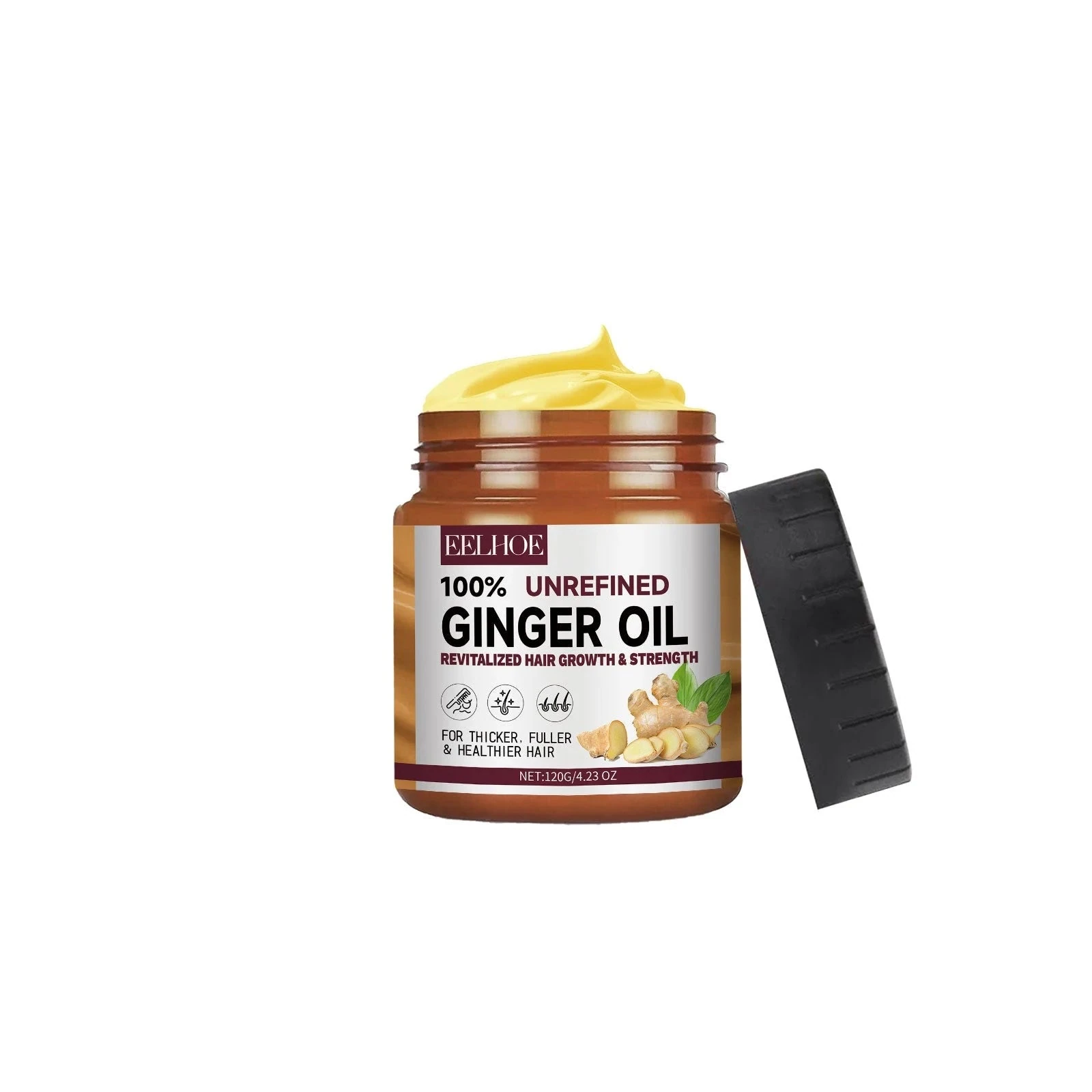
For a conditioning step after shampooing. The listed highlights include cetrimonium chloride, dimethicone and ginger root oil. It is not presented as a keratin serum or a leave-in scalp treatment.
View the rinse-out ginger conditioner →Optional scalp oil: 30ml ginger hair oil blend
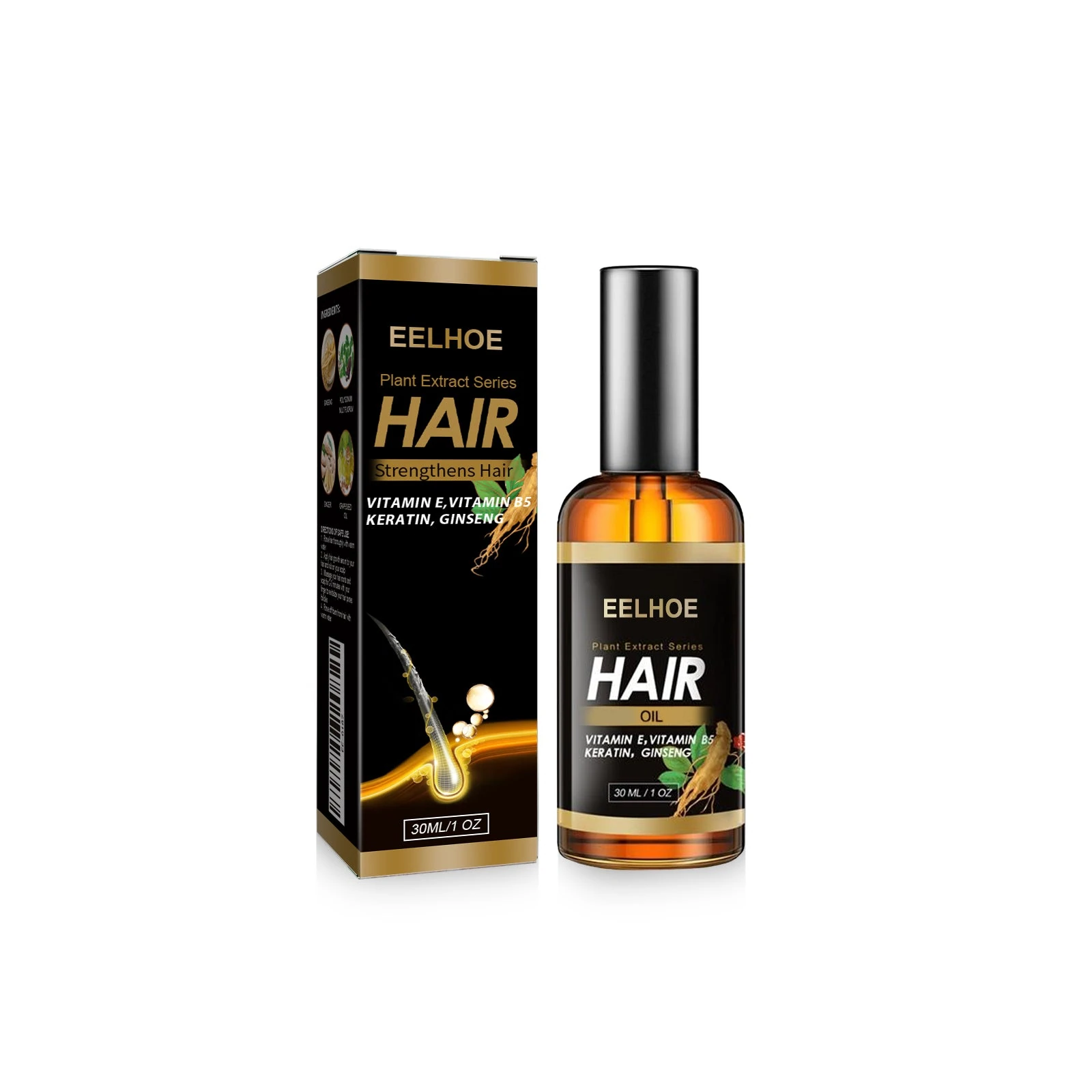
For readers who specifically prefer an oil format and accept its cosmetic role. Supplied artwork names mineral oil, castor oil, keratin and ginger root extract; its directions focus on the scalp.
Check the 30ml oil blend and scalp directions →GinGrowth sells both products. Neither is a substitute for diagnosis or a proven hair-loss medicine.
How to use a keratin serum on hair: let the label decide the site
There is no universal instruction to put all keratin serums on a clean, dry scalp. First locate the application site on the product: lengths and ends, scalp, or both. Then check whether it is rinse-out or leave-in and whether it calls for damp or dry hair. These details are more useful than a generic daily serum schedule.
If you have a keratin finishing serum for lengths
- Check the bottle for the recommended amount and damp-or-dry application.
- Apply only where directed, concentrating on lengths or ends if that is the label’s purpose.
- Spread the amount evenly rather than adding product until the hair looks wet or oily.
- Do not infer heat protection unless that exact product provides the claim and directions.
- Keep scalp use, rinsing and reapplication consistent with the label.
If you choose the GinGrowth rinse-out conditioner
Wash the hair and gently remove excess water. Distribute a suitable amount through dry-feeling lengths and ends, work it through gently, then rinse thoroughly. The current listing does not establish a specific waiting time, so follow your jar. Leaving it on the scalp overnight would change its intended use.
If you choose the 30ml ginger hair oil blend
The supplied guide says to wash and dry the hair, dispense a small amount into clean hands, part the hair and apply to the intended scalp area. Massage gently with fingertips for 2–3 minutes, following the current label. The pump is a dispenser, not proof of a standardized dose or a reason to saturate the scalp.
Check the 30ml ginger oil’s ingredient artwork and application guide before choosing it. Despite “essential oil” in its URL, it is a finished blend, not pure ginger essential oil. We are not recommending it as a dry-end styling serum, and we are not providing a homemade dilution recipe.
What to expect: separate feel, breakage and growth
A conditioning product may change softness, slip or the appearance of frizz during your routine. Assess whether hair is easier to handle and whether the amount leaves unwanted residue. Those observations concern the existing fiber and your experience of the product.
There is no supported four-week shedding or eight-to-twelve-week density promise for the two GinGrowth products here. Consistent use does not turn an untested growth claim into an established one. If a product only supplies a before-and-after image or a day-by-day promotional diagram, that is not enough to identify causation, normal variation or how a photograph was produced.
For tracking, keep washing, styling and photo conditions reasonably consistent and change one new product at a time. Note comfort and manageability separately from shedding. Do not delay an assessment of persistent loss while waiting for an arbitrary cosmetic-serum deadline.
Who should—and should not—choose a keratin growth serum?
A person mainly seeking smoother, more manageable strands can compare conditioning products, including a keratin-containing formula if its directions fit. Someone with fine hair may prefer a smaller amount and targeted placement; even a water-based product can leave residue when overapplied. If an oil repeatedly flattens roots, its format may not suit your routine.
Postpartum shedding, progressive thinning, bald patches or an inflamed scalp are not reasons to assume a keratin serum is the answer. The AAD’s diagnosis and treatment guidance explains that treatment depends on the cause and that some situations need medical care. Its discussion of minoxidil is separate from cosmetic conditioning; do not treat the two as equivalents.
Use products on the areas specified by their labels, avoid irritated or broken skin, and stop if a product causes discomfort. If you already use a prescription scalp treatment, check compatibility with the clinician or pharmacist rather than inventing a layering schedule.
Choosing the right product: a label-first checklist
- Confirm the format. Is it an oil, fluid essence, finishing serum, rinse-out conditioner or salon service?
- Confirm the location. Scalp directions and length-care directions are not interchangeable.
- Read the whole formula where available. A highlighted ingredient card may omit ingredients or provide no concentrations.
- Match the claim to the evidence. Ingredient research does not automatically validate the bottled product.
- Compare practical cost. Check size, current price, delivery and how the instructed amount fits your routine.
- Keep heat and color claims specific. Do not assume a serum protects from heat or is suitable for every coloring process.
If you are actually considering a salon smoothing service, treat keratin treatment for thin hair as a separate topic. A service involving chemical processing or heat is not the same purchase or routine as an everyday serum. Discuss your hair’s condition and the exact service with the stylist.
If you are comparing named scalp formulas instead, our Kérastase scalp serum guide separates their ingredients, directions and evidence. A scalp-serum comparison should not be mistaken for a salon keratin-treatment recommendation.
Common mistakes that make the choice less useful
Confusing oil with essential oil: the GinGrowth 30ml pump product is a mineral-oil and castor-oil blend with additional highlighted ingredients. Its name does not mean concentrated ginger essential oil.
Rejecting ingredients by name alone: silicones and conditioning agents can provide slip in hair-care formulas. A short list is not automatically superior, and a long list is not evidence that ingredients are useless fillers.
Assuming massage is half the treatment: a gentle massage can distribute the product, but the supplied instructions do not demonstrate that massage delivers a particular fraction of a regrowth result.
Using more to force a result: extra product can change residue and feel; it does not establish faster growth. Follow the actual directions rather than chasing a warming sensation or a promotional timeline.
FAQ: keratin serum for hair growth
What is keratin serum?
It is a cosmetic serum marketed around keratin, a protein associated with hair structure. The name does not specify one formula. Read whether it is designed for the hair lengths or scalp and whether it should be rinsed out.
Is keratin serum good for hair?
It may be useful for the feel and manageability of existing hair if the complete formula suits your needs. Judge the product’s actual instructions and results, rather than assuming all keratin formulas behave alike.
Can keratin serum make hair grow faster?
The ingredient name alone does not demonstrate faster growth or new hair. Less breakage and better length retention are different outcomes from follicular regrowth. Ask for evidence on the exact finished product when a seller promises growth.
Can I put a keratin serum on my scalp?
Only when that product directs scalp use. A finishing serum for lengths should not inherit another product’s scalp instructions. The oil blend discussed here has a scalp guide; the rinse-out conditioner does not become a scalp serum.
Does the 30ml ginger oil contain keratin?
The supplied ingredient illustration names keratin. It does not establish its concentration, molecular form or a clinical growth result. Review the current packaging for the full label; the product remains an oil blend, not a water-based keratin serum.
How often should I use it, and is it safe for colored hair?
Use the frequency and compatibility information for your exact formula. There is no universal daily schedule or blanket color-safety claim for the entire category. For recently processed hair, check the product label and ask your colorist about the routine.
Choose for the problem you actually want to solve
For rough lengths, begin with conditioning and gentler handling. For an optional scalp product, choose the texture and ingredients deliberately. For unexplained loss or progressive thinning, seek the right assessment. Keratin on a label should help you ask more precise questions, not substitute for evidence.
Mainly looking for softer, easier-to-manage lengths?
Check the rinse-out ginger conditioner’s ingredients and directions. It is a wash-day conditioning step, not a keratin growth serum.
View ginger conditioner details and current price →Sources and product information
Sources and current GinGrowth product listings checked September 30, 2026.