
A biotin scalp serum is a topical cosmetic containing biotin, often combined with moisturizing or conditioning ingredients. Its biotin content alone does not establish that it treats hair loss or regrows hair. Research on taking biotin supplements, particularly in people with a deficiency, is not evidence that applying a biotin serum works the same way.
Choose a serum for a clearly stated cosmetic purpose and check the finished formula. Our explanation of what scalp serum does distinguishes scalp conditioning from medical hair-loss treatment.
Product information checked October 1, 2026. If you are choosing by moisturizing texture rather than biotin content, review 30ml Lightweight Scalp Serum with Ginger.
What does the evidence say about biotin and hair?
A 2017 review by Patel, Swink, and Castelo-Soccio found 18 reported cases of biotin use for hair or nail changes. All involved an underlying problem affecting hair or nail growth. The authors concluded that evidence for supplementation in otherwise healthy individuals was insufficient.
That review addresses biotin supplementation. It does not establish effectiveness for a topical scalp serum. Claims about absorption into follicles, increased hair density, or a fixed regrowth timeline would require relevant evidence for the topical formulation and the people using it.
For the finished-formula question, evaluating a biotin follicle-boost serum separates topical product claims from oral-supplement research.
Biotin deficiency and everyday shedding are not interchangeable
Biotin has a role in normal body function, but a nutrient being necessary does not mean adding more improves hair growth when levels are adequate. Hair shedding alone cannot diagnose a deficiency. A clinician can decide whether history, examination, or testing suggests a nutritional or other medical cause.
The American Academy of Dermatology's diagnosis and treatment guidance explains why identifying the cause comes before choosing treatment. Do not use a cosmetic serum as a substitute for that assessment when hair loss is persistent or concerning.
How to compare a biotin serum with other products
Swipe the table sideways to compare all columns.
| Product category | Reason to consider it | Important limit |
|---|---|---|
| Biotin cosmetic scalp serum | A suitable texture and a clearly described conditioning purpose | Biotin on the label does not prove regrowth |
| Hydrating scalp serum | Lightweight moisture for a dry-feeling scalp | Moisture does not diagnose or treat every cause of flakes or shedding |
| Conditioner for hair lengths | Slip, softness, and manageability | Hair-shaft conditioning differs from follicle growth |
| Hair-loss medicine | A relevant labeled indication or clinician recommendation | Needs appropriate selection and adherence to directions |
| Biotin supplement | A clinician identifies a reason to use it | Oral evidence cannot be transferred to a topical serum |
For a named biotin-and-peptide example, the John Frieda Ultra Filler formula review connects the ingredient list with the brand’s specific appearance claims.
Which label details matter most?
- The stated purpose: hydration, conditioning, styling, or treatment are different claims.
- The complete ingredients: do not evaluate the formula from the highlighted vitamin alone.
- The application area: a hair-length serum is not automatically intended for the scalp.
- Directions and warnings: confirm frequency, amount, and whether to rinse.
- The evidence: a study of another ingredient or an oral supplement does not validate the finished product.
A serum may feel moisturizing because of its full formula rather than its biotin content. Likewise, a lighter finish or easier combing does not establish that new hairs are growing. The dry-scalp serum guide explains how to choose for comfort without confusing dryness with a scalp condition.
Choose a Formula by Its Verified Scalp-Care Role
These two products are moisturizing-care alternatives, not biotin serums. Check the actual package if biotin is essential to your choice. GinGrowth sells the two products below.
Swipe the table sideways to compare all columns.
| Detail | 30ml Lightweight Scalp Serum with Ginger | 40ml Ginger Hair Tonic for Scalp & Roots |
|---|---|---|
| Format | Water-based dropper essence | Water-based dropper tonic |
| Ingredient highlights | Aqua, glycerin, ginger root oil, Polygonum multiflorum extract and hydroxyethylcellulose in the ingredient graphic. | Ginger extract, glycerin, sodium PCA and panthenol, alongside aqua, in the product artwork. |
| Application | After washing and drying, apply a small amount to the scalp, massage gently and leave in. The product guide describes daily use. | Part hair, apply a small amount, massage gently for 2–3 minutes and leave on. Follow the current bottle for frequency. |
| Reason to compare | Choose for a light moisturizing step and precise placement along a part. | Choose for a larger dropper format with humectant and conditioning ingredient highlights. |
View 30ml Lightweight Scalp Serum with Ginger or compare 40ml Ginger Hair Tonic for Scalp & Roots. Review the current product page for price and package details.
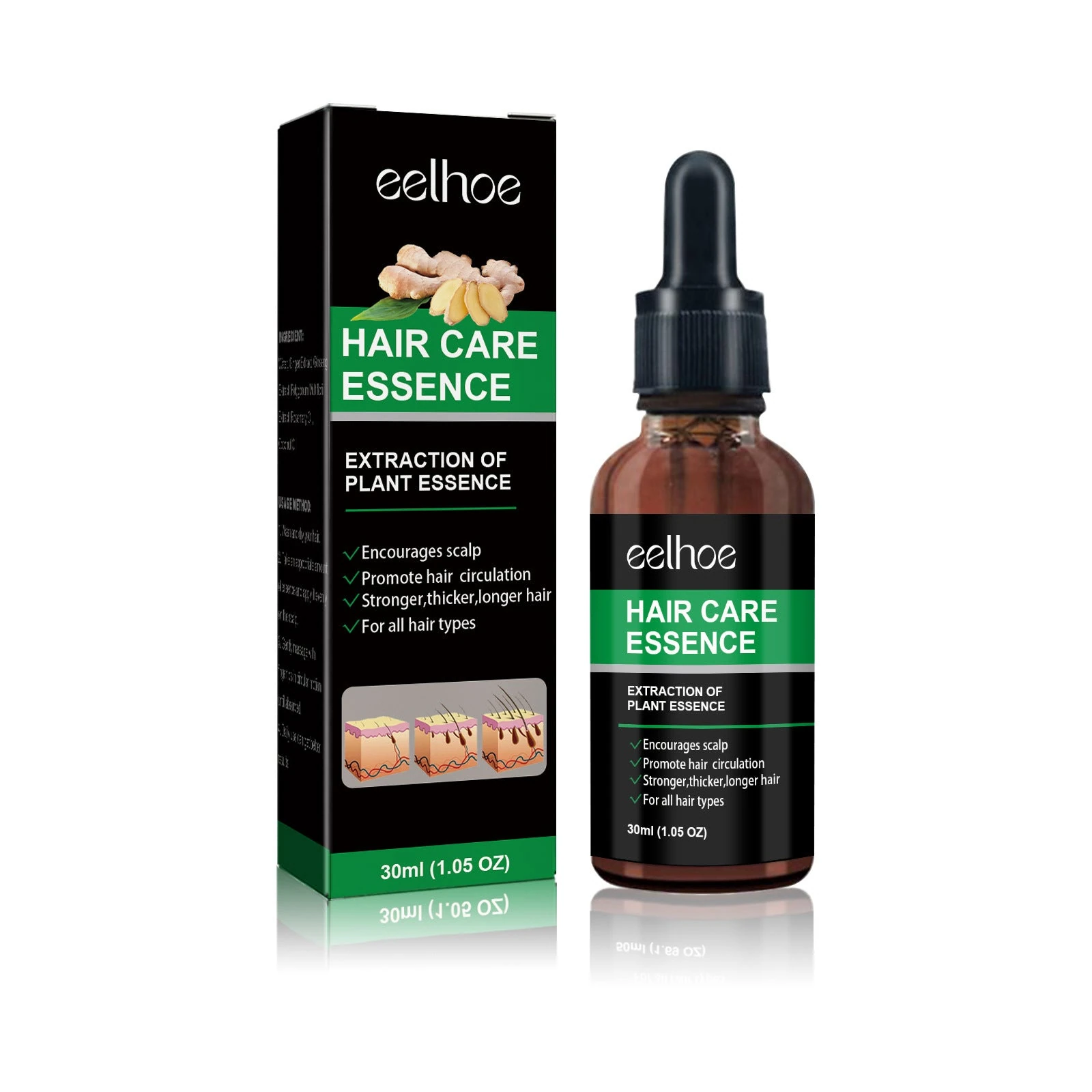
The essence contains ginger root oil within a water-based formula. That is different from buying a bottle of pure essential oil. Glycerin provides a concrete moisturizing ingredient to compare, while the dropper helps direct a small amount to the scalp. Use the finish on your own hair as the practical test: controlled placement matters more than saturating the roots or spreading scalp care through the lengths.
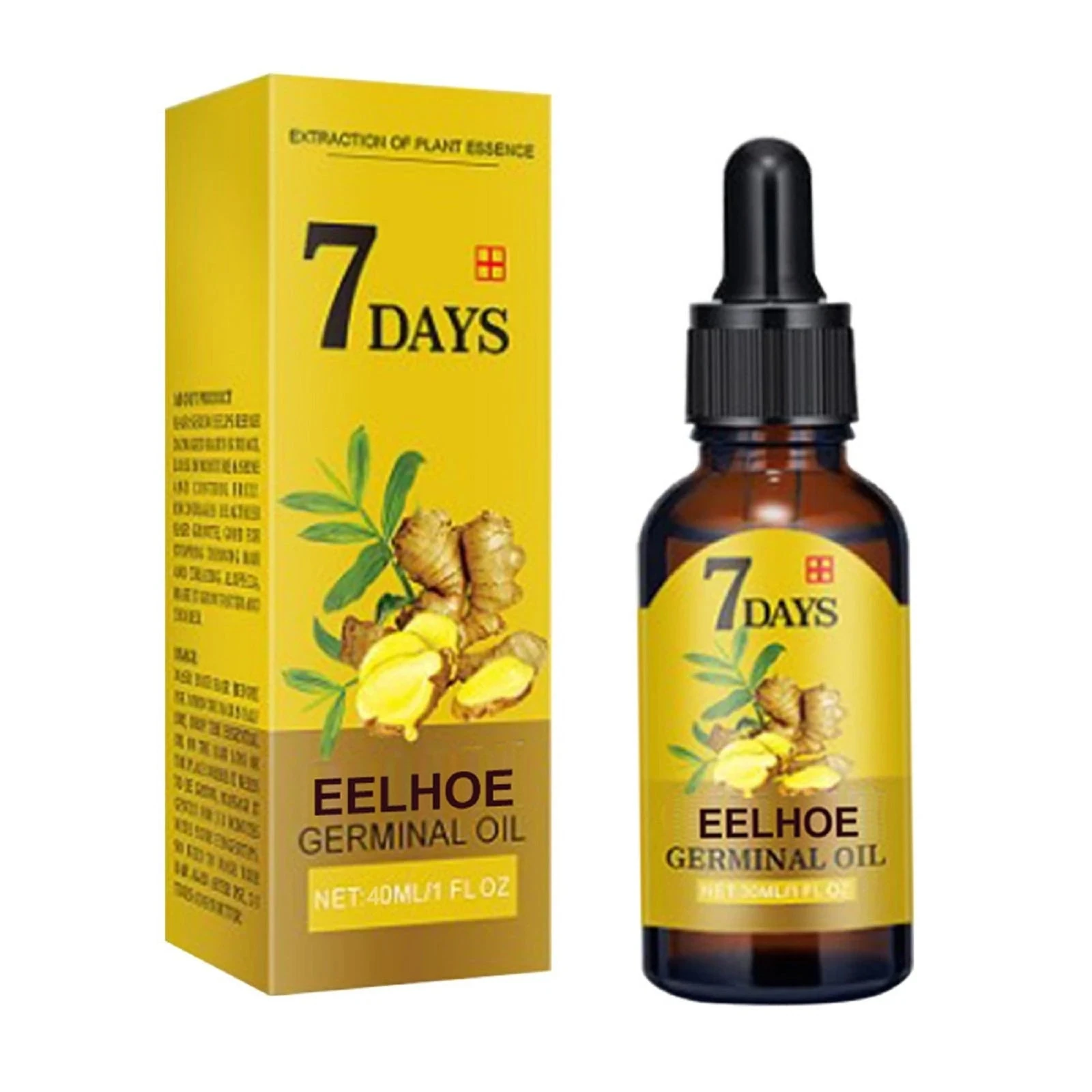
Glycerin and sodium PCA are moisture-binding ingredients, while panthenol is used for conditioning. The highlighted ingredient graphic is not a percentage breakdown. The word tonic describes this product choice; it does not establish a stronger concentration than the smaller essence. Compare the ingredients you prefer and whether direct dropper placement feels convenient in your routine.
How to introduce a scalp serum
- Read the package directions before applying it.
- Introduce only one new product so a reaction is easier to trace.
- Apply to the intended area using the label's amount and schedule.
- Watch for buildup, increased oiliness, burning, redness, or itch.
- Stop if irritation develops; seek advice for a severe or persistent reaction.
More frequent application is not evidence-based simply because biotin is a vitamin. Avoid applying products to damaged or irritated skin unless specifically directed by an appropriate professional. If you use a scalp medicine, ask before adding another leave-on formula.
Where the store’s serums fit
The two current products compared here are water-based scalp-care options with different highlighted moisturizing ingredients. The 30ml essence names glycerin and ginger root oil; the 40ml tonic names glycerin, sodium PCA, panthenol and ginger extract. Their supplied ingredient highlights do not identify biotin.
They are included as alternative cosmetic-care formats, not as biotin substitutes with proven equivalent regrowth effects. If you specifically want a biotin-containing formula, check the complete current package of that product. If you want moisture and controlled placement, compare those verified properties directly.
When value matters, use current price, size and the label-directed amount. Without a measured dose, bottle size alone cannot tell you the exact cost per use. A convenient dropper can help application, but does not create an effectiveness advantage over an unrelated formula.
Frequently asked questions
Does biotin scalp serum regrow hair?
The ingredient name alone does not establish that. Look for reliable evidence for the finished topical formula, the type of hair loss studied, and the measured outcome.
Can I use supplement research to judge a biotin serum?
No. Oral supplementation and application to the scalp are different routes. Evidence from deficiency cases does not demonstrate that a topical cosmetic helps people with adequate biotin levels.
How long does biotin serum take to work?
There is no universal, verified regrowth timeline for all biotin serums. Judge cosmetic comfort and residue according to use, and ask a clinician about persistent shedding rather than relying on a promised number of weeks.
Is a biotin serum better than a ginger serum?
Neither ingredient name establishes superiority. Compare the actual purpose, full formula, label directions, tolerance, and any relevant finished-product evidence.
When should I seek medical advice?
Seek assessment for sudden or patchy loss, pain, scalp sores, or persistent shedding. The cause determines which treatments, if any, are appropriate.
Choose the essence for its actual scalp-care formula and directions.
Sources and Product Information
- 2017 review: the use of biotin for hair loss — Indexed abstract verified through NCBI’s public API October 1, 2026; original study scope applies.
- AAD: Hair loss—Diagnosis and treatment — Official guidance accessed October 1, 2026; applies to the stated topic, not a trial of GinGrowth products.
GinGrowth product details were checked October 1, 2026. This guide compares published information and current product specifications; it does not report a GinGrowth clinical trial or personal use test.