
Gisou Honey Infused Scalp Treatment should be compared using its own current label, not the ingredients or directions of Honey Infused Hair Repair Serum. This review could verify the latter’s 30ml retailer page, but not a current exact scalp-treatment label. The guide below focuses on choosing a honey-related care routine by application area and separating a genuine length-repair product from unresolved scalp-product details.
Check the Words after Honey Infused
Gisou’s honey wording appears across different hair-care products. The verified Hair Repair Serum listing specifies damaged strands, shine, elasticity and length care. A similar bottle or honey ingredient does not establish a scalp application.
If a seller offers Honey Infused Scalp Treatment, ask for the full label and instructions for that exact item. This page does not declare it unavailable everywhere or assume that the repair serum replaced it.
Decide Whether Honey Is the Requirement or the Story
A reader may be looking for a particular brand experience, bee-derived ingredients, moisture or better-looking ends. Those are different purchase criteria. Define which one matters before comparing alternatives.
An ordinary ginger moisturizer may meet a scalp-moisture need without being a honey formula or a Gisou equivalent. If the honey-based formulation itself is essential, preserve that preference rather than treating any botanical serum as a match.
Swipe the table sideways to compare all columns.
| Decision | Documented detail | Purchase implication |
|---|---|---|
| Identity | Honey wording spans different products | Match complete name |
| Formula | Honey and propolis in repair serum | Do not assign to unverified scalp label |
| Alternative | Rinse-out conditioner or scalp tonic | Choose the missing job |
Read the Verified Repair Formula in Its Own Scope
The checked Hair Repair Serum includes honey, propolis wax, meadowfoam, grape seed, safflower and sunflower oils, plant proteins and supporting ingredients in a water-based mixture. The full formula also lists fragrance components.
These details belong to the repair serum. They cannot establish what is in an exact scalp-treatment bottle whose current label has not been verified. A shared honey ingredient is not enough to fill the missing formula.
Keep Honey out of a Homemade Scalp Prescription
A preserved cosmetic containing honey is different from applying food honey, oil or a homemade mixture to the scalp. The vehicle, preservation and ingredient amounts affect the finished product.
This guide is not a recipe for diluting honey into shampoo or scalp medication. Use an intact product according to its own instructions and avoid assuming a kitchen ingredient is equivalent because the marketing highlights the same source.
For the separate everyday-care choice, review the Ginger Conditioner for Dry Damaged Hair.
Compare Length Conditioning with Scalp Moisture
These GinGrowth steps have their own directions and do not claim honey-formula or heat-protection equivalence. GinGrowth sells the two products below.
Swipe the table sideways to compare all columns.
| Detail | Ginger Conditioner for Dry Damaged Hair | 40ml Ginger Hair Tonic for Scalp & Roots |
|---|---|---|
| Format | Rinse-out conditioning cream in a jar | Water-based dropper tonic |
| Ingredient highlights | Aqua, cetrimonium chloride, dimethicone, 1,2-hexanediol and ginger root oil in the ingredient artwork. | Ginger extract, glycerin, sodium PCA and panthenol, alongside aqua, in the product artwork. |
| Application | After washing, gently remove excess water, distribute through dry-feeling lengths and ends, then rinse thoroughly. Follow the jar for any waiting time. | Part hair, apply a small amount, massage gently for 2–3 minutes and leave on. Follow the current bottle for frequency. |
| Reason to compare | Choose for slip, softness and easier handling of dry lengths. | Choose for a larger dropper format with humectant and conditioning ingredient highlights. |
View Ginger Conditioner for Dry Damaged Hair or compare 40ml Ginger Hair Tonic for Scalp & Roots. Review the current product page for price and package details.
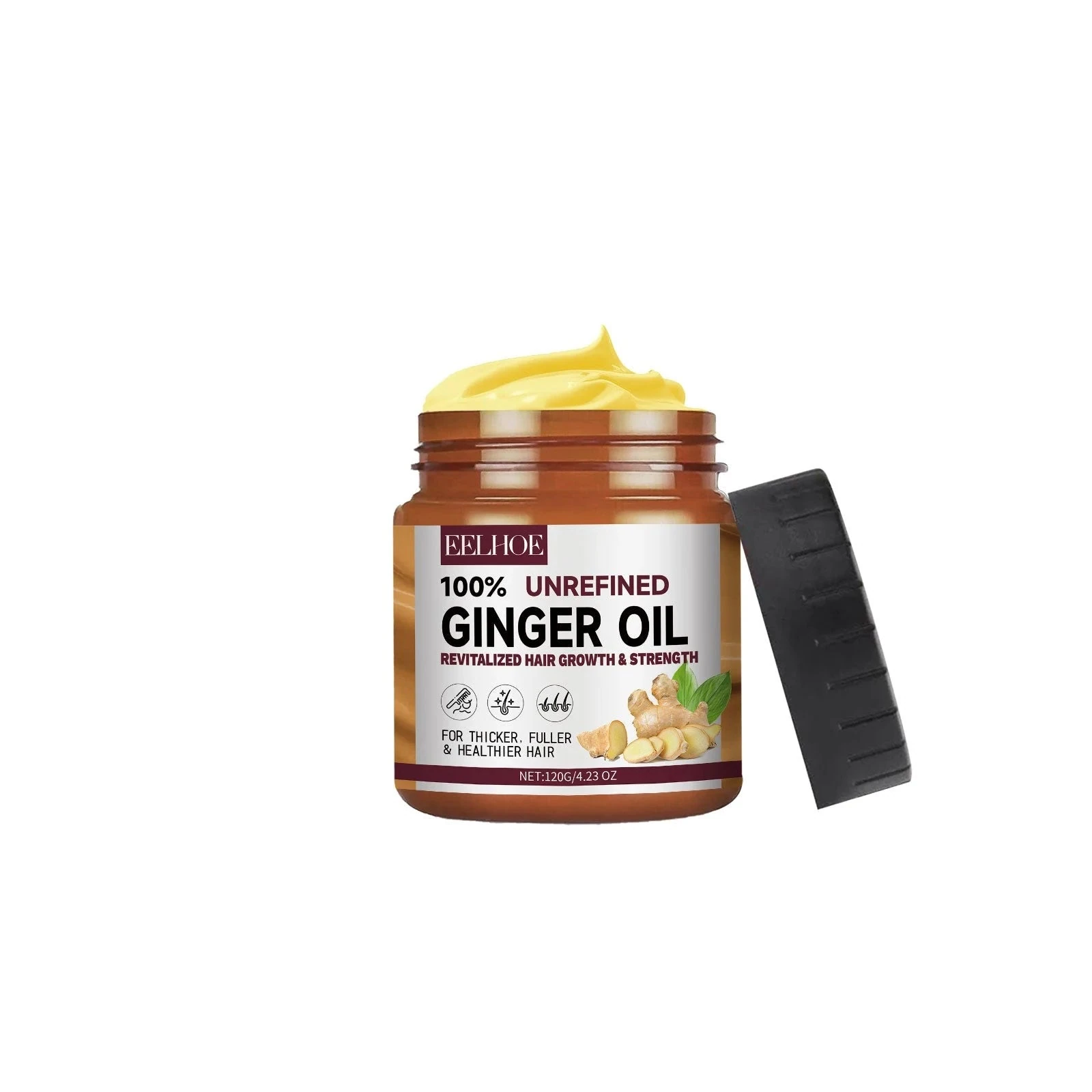
This is a finished conditioner, even though the front artwork uses the words Ginger Oil. Cetrimonium chloride and dimethicone are concrete conditioning ingredients to compare. The supplied directions do not establish a fixed waiting time or an overnight treatment. Some range images show ginger and rosemary jars together; the listing is for the ginger conditioner rather than a two-jar set.
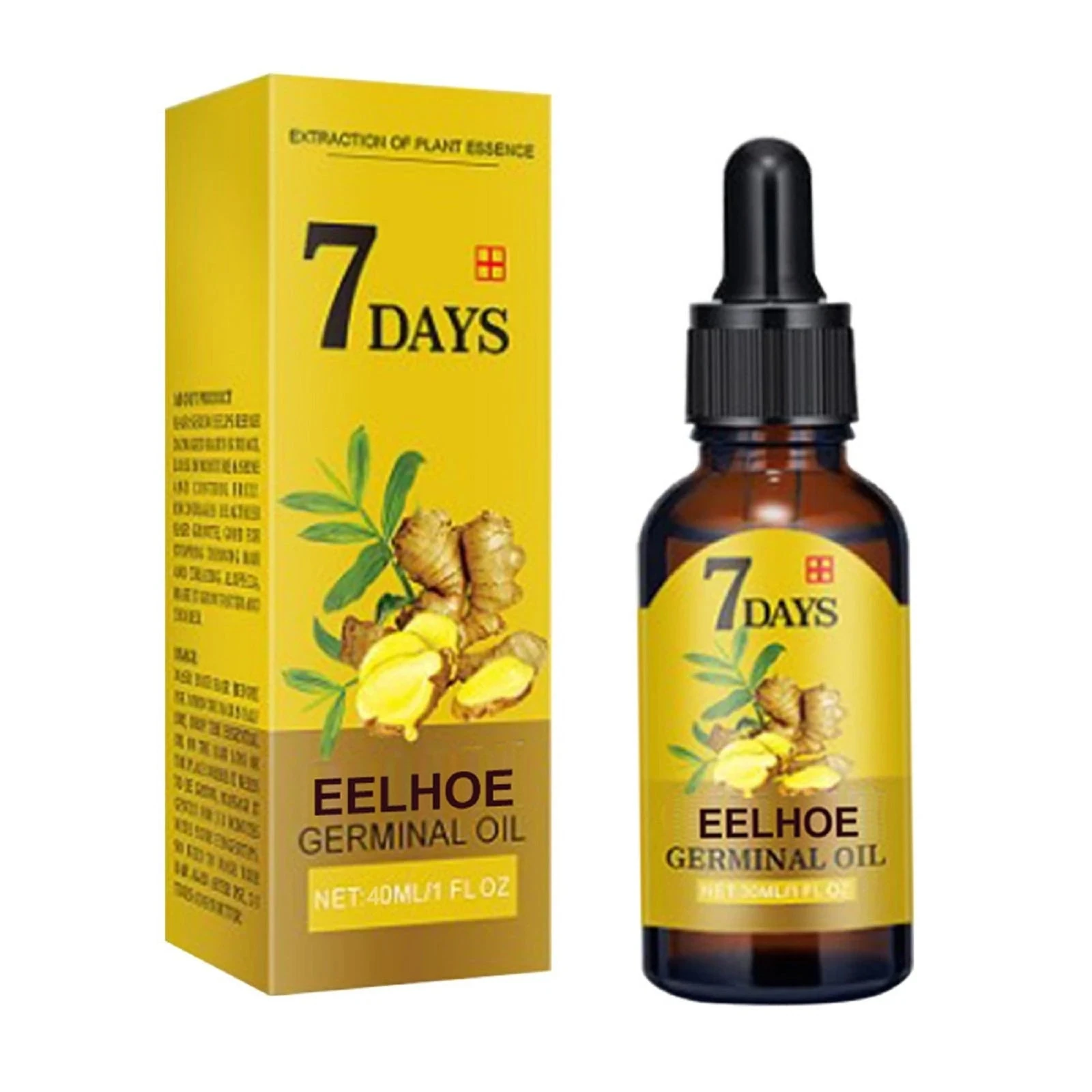
Glycerin and sodium PCA are moisture-binding ingredients, while panthenol is used for conditioning. The highlighted ingredient graphic is not a percentage breakdown. The word tonic describes this product choice; it does not establish a stronger concentration than the smaller essence. Compare the ingredients you prefer and whether direct dropper placement feels convenient in your routine.
Distinguish the Repair Routine from a Scalp Routine
For the verified Hair Repair Serum, the retailer says to rub the product between palms, work through damp lengths and focus on ends. It gives one dropper as a starting point adjusted for hair length and thickness, and says not to rinse.
That is not evidence for a scalp-treatment dose. A scalp product may have different preparation and placement instructions, which need to come from its own supplied package.
Before transferring directions between Gisou products, the Gisou product-identity guide explains which hair-repair formula was verified and where it is applied.
Put Shine, Breakage and Growth on Separate Lines
The repair product’s positive claims concern stronger-feeling strands, shine, elasticity, split-end appearance and heat protection up to 230°C. Keep those benefits attached to that formula.
They do not establish that a scalp serum corrects hormonal loss or regrows a widening part. A successful length-care purchase can make hair look and feel better without answering a medical question about ongoing loss.
If the concern is rough or fragile lengths, deep conditioning for thin hair explains rinse-out conditioning as a separate task from scalp treatment.
Compare Two Different Everyday-Care Jobs
GinGrowth sells the conditioner and tonic below as separate options. The rinse-out conditioner supports handling of the lengths; the tonic provides an ordinary scalp-moisture step. Neither claims Gisou-equivalent honey ingredients, repair testing or heat protection.
Choose based on the area and result you need. Keeping a rinse-out step separate from a leave-on step also prevents using the conditioner overnight because another brand’s serum is left in.
Review Bee-Derived Ingredients and Scent
The verified repair-serum list explicitly names honey and propolis. Those details matter to someone avoiding bee-derived materials. Fragrance preferences should also be checked against the complete current package.
A sensitivity question cannot be answered by the word nourishing. If a product worsens discomfort, stop it and seek advice as appropriate. Do not use a pleasant scent or a premium brand association as a substitute for ingredient information.
Bring Persistent Scalp Problems into Focus
The AAD describes different causes of scalp itching. Dryness, irritation and other scalp conditions can look similar in a shopping photograph but require different responses.
Record when symptoms began and what products changed. If the concern is ongoing thinning, obtain a cause-specific assessment rather than extending a cosmetic repair claim into a treatment promise.
Frequently Asked Questions
Does honey in two products make their routines interchangeable?
No. The finished formula, intended area and directions matter.
Does this guide verify the current Scalp Treatment ingredients?
No. It explicitly separates that unresolved label from the verified Hair Repair Serum.
Are the GinGrowth products heat protectants equivalent to Gisou?
No such equivalence or temperature-protection claim is established here.
Use a Complete Label to Finish the Choice
The next useful step is a precise purchase, not another ambiguous serum name. Match the product, application area, ingredient preferences and documented benefits. Where the scalp-treatment label remains unavailable, ask the seller for it; where ordinary care is the goal, compare the current alternative’s own specifications.
Choose the care role and formula that match your routine.
Sources and Product Information
- Gisou Honey Infused Hair Repair Serum 30ml | Cult Beauty — Checked October 1, 2026. Retailer information is identified as such; match the current package and regional version.
- AAD: Hair loss diagnosis and treatment — Guidance checked October 1, 2026; not a trial of the cosmetics compared here.
- AAD: Causes of scalp itch — Guidance checked October 1, 2026.
GinGrowth product details were checked October 1, 2026. This guide compares published information and current product specifications; it does not report a GinGrowth clinical trial or personal use test.