
An intensive scalp and thinning hair treatment should be defined by its purpose, evidence and instructions, not by a stronger sensation or a complicated routine. Intensive is not a standardized dose or a diagnosis. Before adding more products, decide whether the need is ordinary cleansing, moisture, breakage reduction or treatment for a cause of thinning.
What Intensive Does and Does Not Tell You
The word may describe a marketing position, a concentrated-looking format or a procedure schedule. It does not establish the amount of an active, whether a product stays on or the medical condition it can treat.
Ask for the specific product or intervention and its supporting evidence. A large bottle, dark packaging or a promise of root activation cannot replace those facts.
For the concern-first starting point, understanding intensive scalp and thin-hair care explains why a stronger-sounding label does not define a treatment or dose.
Choose the Goal before a Top Pick
A person with rough, breaking lengths needs a different comparison from someone with gradual pattern thinning or painful scalp patches. No universal top pick is established across those concerns.
The AAD recommends finding the cause of hair loss before selecting treatment. That can prevent purchasing an elaborate cosmetic routine for a problem it is not intended to address.
Swipe the table sideways to compare all columns.
| Decision | Verified detail or question | What it means |
|---|---|---|
| Intensive wording | No standardized dose or concentration | Read the actual formula and purpose |
| Intervention | Medicine, procedure or cosmetic | Compare appropriate evidence and indication |
| Combination | Contribution of each component | Avoid assigning a regimen outcome to one serum |
How Different Approaches Work in Practice
Cleansers remove routine oil and residue. Conditioners improve the feel and handling of strands. Moisturizers add a distinct care step. Medicines and procedures have indications and evidence that must be evaluated separately.
A product may have useful cosmetic effects without changing the biological cause of loss. Explain those effects directly rather than using intensive as a substitute for a measured outcome.
Compare Evidence and Effort Together
For each option, note the intended outcome, population studied, duration, amount and any other interventions used. A combined treatment result cannot be assigned to one component without evidence isolating it.
Also record the work involved: daily application, wash preparation, repeated visits or ongoing maintenance. The routine must be manageable, but convenience alone does not establish efficacy.
For an ordinary cleansing step with clear rinse instructions, review the 100ml Ginger Shampoo for Thinning Hair.
Give Each Ordinary-Care Step a Defined Job
The shampoo and essence are ordinary cleansing and moisturizing products, not a clinical intensive-treatment regimen. GinGrowth sells the two products below.
Swipe the table sideways to compare all columns.
| Detail | 100ml Ginger Shampoo for Thinning Hair | 30ml Lightweight Scalp Serum with Ginger |
|---|---|---|
| Format | Rinse-off liquid cleanser | Water-based dropper essence |
| Ingredient highlights | Ginger, coconut oil and Polygonum multiflorum highlighted in the product materials. | Aqua, glycerin, ginger root oil, Polygonum multiflorum extract and hydroxyethylcellulose in the ingredient graphic. |
| Application | Wet hair and scalp, lather, massage gently with fingertips and rinse thoroughly. | After washing and drying, apply a small amount to the scalp, massage gently and leave in. The product guide describes daily use. |
| Reason to compare | Choose for ordinary cleansing of oil and everyday buildup, with a softer-hair focus. | Choose for a light moisturizing step and precise placement along a part. |
View 100ml Ginger Shampoo for Thinning Hair or compare 30ml Lightweight Scalp Serum with Ginger. Review the current product page for price and package details.
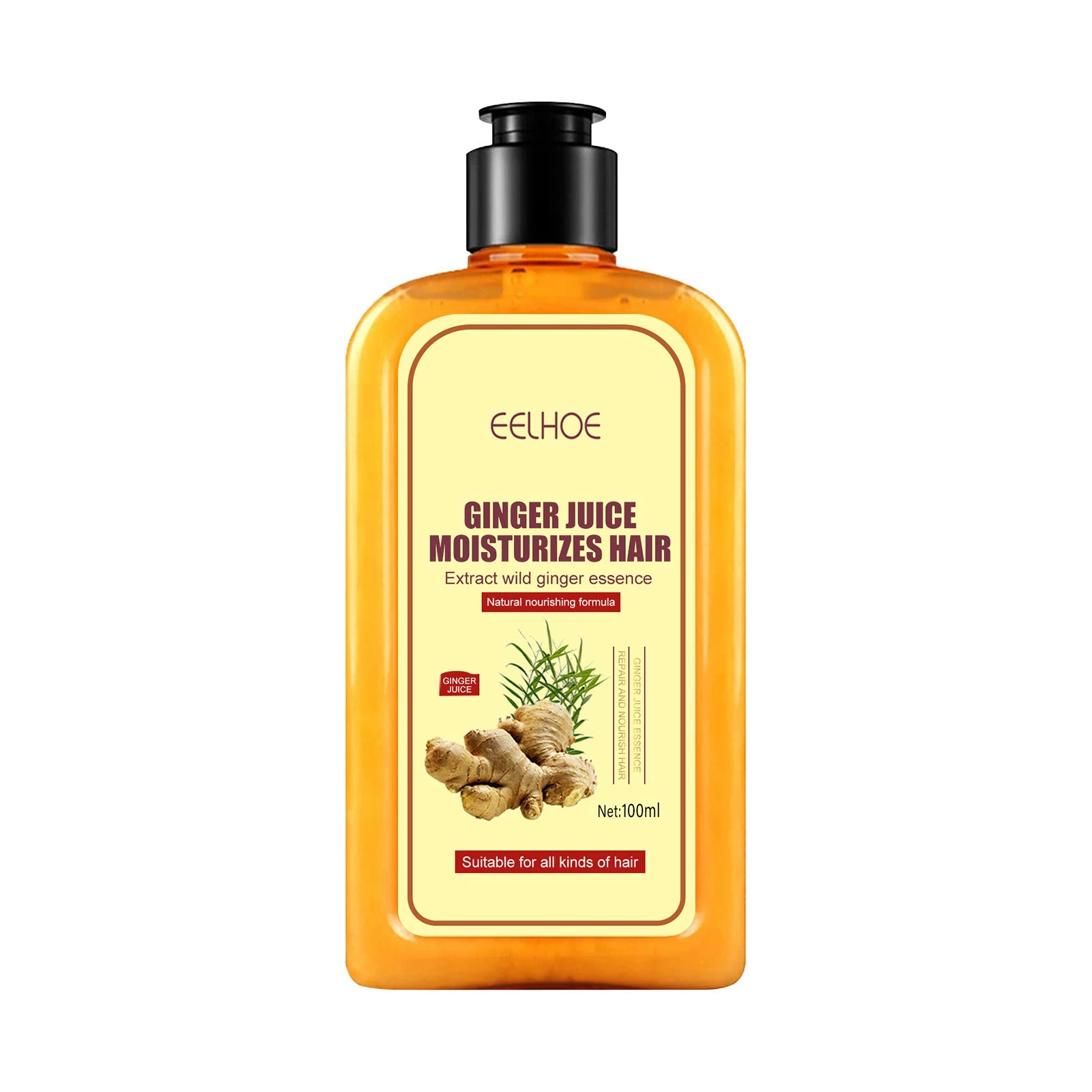
This shampoo belongs in the wash step. Its purpose is scalp cleansing and softer-feeling hair, rather than a leave-on scalp layer. The highlighted ingredients are not a complete concentration statement. If you use a medicated shampoo or a specific pre-shampoo treatment, keep its directions in place and decide whether an additional cleanser is necessary before adding another bottle.
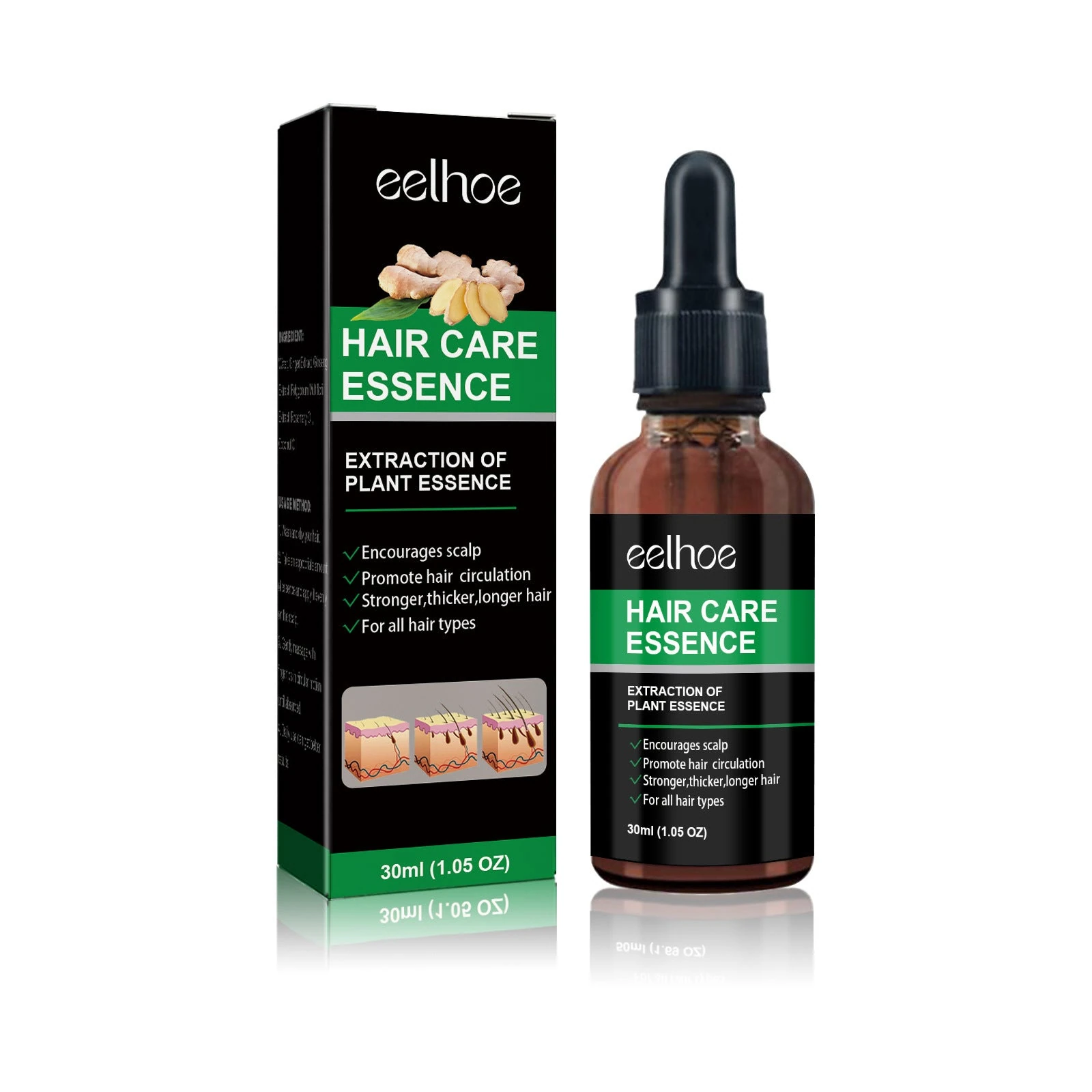
The essence contains ginger root oil within a water-based formula. That is different from buying a bottle of pure essential oil. Glycerin provides a concrete moisturizing ingredient to compare, while the dropper helps direct a small amount to the scalp. Use the finish on your own hair as the practical test: controlled placement matters more than saturating the roots or spreading scalp care through the lengths.
Who Needs Assessment before More Product?
Sudden patches, progressing loss, pain, sores or marked inflammation deserve professional advice. A cosmetic shopping guide cannot determine whether the cause is hereditary, temporary, inflammatory or another issue.
Bring the exact products and dates of changes to an appointment. That record is more useful than saying you tried an intensive scalp treatment without knowing its active or application pattern.
Use the Actual Label and Procedure Instructions
Do not increase contact time or frequency because a product is described as intensive. A rinse-out conditioner is not an overnight mask by default, and an acid pre-shampoo is not automatically a leave-on.
AAD discusses microneedling as an approach that may be combined with treatment but recommends professional guidance because it can worsen some conditions. Do not apply an ordinary cosmetic to freshly needled skin merely to imitate a study headline.
Set Expectations from the Selected Treatment
AAD describes minoxidil as able to stimulate growth and prevent further loss for appropriate patients, with many responders seeing results in about six to twelve months and continued use needed. That timetable belongs to the treatment, not to every serum.
For ordinary moisture, evaluate comfort and residue. For conditioning, assess handling. These outcomes can be useful without being called clinically measured density restoration.
For the treatment discussion, comparing treatments for thinning hair separates medicines, procedures and ordinary care by indication and commitment.
Common Errors in an Intensive Routine
Do not stack several new leave-ons and exfoliants at once, then assume every sensation shows activity. If symptoms arise, a simpler record of changes makes the cause easier to investigate.
Do not compensate for missed treatment by guessing a larger next dose. Follow instructions and ask the responsible professional about practical problems rather than creating a new schedule.
Conditioner and Scalp Treatment Are Not Substitutes
A rinse-out conditioner works on the lengths according to its label. It may support easier detangling and a softer feel. That does not make it a scalp-regrowth treatment.
Similarly, a scalp serum should not automatically be spread through all the ends. Some products permit both areas, but the exact directions need to establish that use.
Match Texture to the Care Step
If moisture is needed, a water-based essence or tonic may be easier to place precisely than a heavy oil. If richer conditioning is preferred, assess that finish separately. Hair type and styling affect how noticeable a layer feels.
GinGrowth sells the shampoo and essence below as ordinary cleansing and moisturizing choices. They do not form a clinical intensive treatment system, and no head-to-head effectiveness ranking is claimed.
Combine Only with a Defined Reason
A combination should explain what each component adds. If two products duplicate a step without a clear need, adding both may increase residue and effort. For a medicine, ask about a proposed cosmetic addition and retain the treatment’s schedule.
Track practical tolerance as well as the intended outcome. Stop a suspect cosmetic that causes a reaction and contact the managing clinician when a prescribed treatment creates problems.
Frequently Asked Questions
Does intensive mean a higher active concentration?
Not necessarily. The label must state the actual ingredient information; the adjective alone does not establish a percentage.
Will using twice as much work twice as fast?
No such relationship is established. Extra product may increase exposure or residue without improving the desired result.
Can an intensive shampoo replace a diagnosed treatment?
An ordinary cleansing claim does not establish the same indication or evidence. Keep those roles separate.
What is the best next step?
Identify the concern and the missing care or treatment decision. Get assessment for unexplained loss, then choose the exact product or plan on its own merits.
Choose a defined care task before adding more products to a treatment plan.
Sources and Product Information
- AAD: Hair loss diagnosis and treatment — Official product or guidance page checked October 1, 2026; findings retain their product and population scope.
- AAD: Causes of scalp itch — Official product or guidance page checked October 1, 2026; findings retain their product and population scope.
GinGrowth product details were checked October 1, 2026. This guide compares published information and current product specifications; it does not report a GinGrowth clinical trial or personal use test.