
Choosing treatment of thinning hair is a sequence: establish the cause, define the outcome, compare appropriate options and plan how to review progress. A serum, prescription medicine and procedure may all appear in search results, but they are not interchangeable. Use the exact treatment’s evidence and instructions, and keep everyday cosmetic scalp care as a separate decision.
Make a Treatment Decision before a Product Ranking
A useful plan names what is being treated and how success will be judged. Slower shedding, increased density, less breakage and easier styling are distinct goals. Without that distinction, it is easy to buy several products that answer different questions.
The AAD treatment overview explains why diagnosis comes first. Treatment may be unnecessary in some temporary situations, while other causes need timely management.
For the treatment discussion, comparing treatments for thinning hair separates medicines, procedures and ordinary care by indication and commitment.
Bring the Right Information to Assessment
Record onset, progression, family history, scalp discomfort and relevant changes in health, medicines or hair practices. A clinician may examine more than the most visible thin spot because patterns elsewhere can provide clues.
Do not assume the same cause applies to everyone with a widening part. More than one issue can coexist, such as recent shedding alongside hereditary thinning.
Swipe the table sideways to compare all columns.
| Decision | Verified detail or question | What it means |
|---|---|---|
| Before starting | Diagnosis, endpoint and plan | Know what each step is meant to change |
| During use | Comfort, adherence and practical issues | Discuss problems rather than improvising doses |
| Review | Agreed date and consistent observations | Do not equate shine or less shedding with every growth endpoint |
Sort Topical Products by Their Purpose
A moisturizer addresses a care need. An oil affects conditioning and feel. A medicated topical has an indication and instructions that should be followed precisely. A product called growth serum may require closer reading to determine what evidence actually supports it.
Check whether studies tested the finished bottle and whether the endpoint matches your goal. Ingredient presence alone is not a substitute for that information.
Discuss Minoxidil as a Specific Treatment
AAD describes minoxidil as able to stimulate growth and help prevent further loss in suitable patients. Many responders see results in about six to twelve months, and benefits require continued use.
This general description is not a personalized recommendation. Follow the applicable label and professional advice about suitability, application and adverse effects. Do not change the amount because another serum uses a larger dropper.
If optional moisturizing care is the distinct need, review the 30ml Lightweight Scalp Serum with Ginger.
Compare Optional Moisture within a Clear Care Plan
The essence and tonic are ordinary moisturizing options with different ingredient highlights and sizes. GinGrowth sells the two products below.
Swipe the table sideways to compare all columns.
| Detail | 30ml Lightweight Scalp Serum with Ginger | 40ml Ginger Hair Tonic for Scalp & Roots |
|---|---|---|
| Format | Water-based dropper essence | Water-based dropper tonic |
| Ingredient highlights | Aqua, glycerin, ginger root oil, Polygonum multiflorum extract and hydroxyethylcellulose in the ingredient graphic. | Ginger extract, glycerin, sodium PCA and panthenol, alongside aqua, in the product artwork. |
| Application | After washing and drying, apply a small amount to the scalp, massage gently and leave in. The product guide describes daily use. | Part hair, apply a small amount, massage gently for 2–3 minutes and leave on. Follow the current bottle for frequency. |
| Reason to compare | Choose for a light moisturizing step and precise placement along a part. | Choose for a larger dropper format with humectant and conditioning ingredient highlights. |
View 30ml Lightweight Scalp Serum with Ginger or compare 40ml Ginger Hair Tonic for Scalp & Roots. Review the current product page for price and package details.
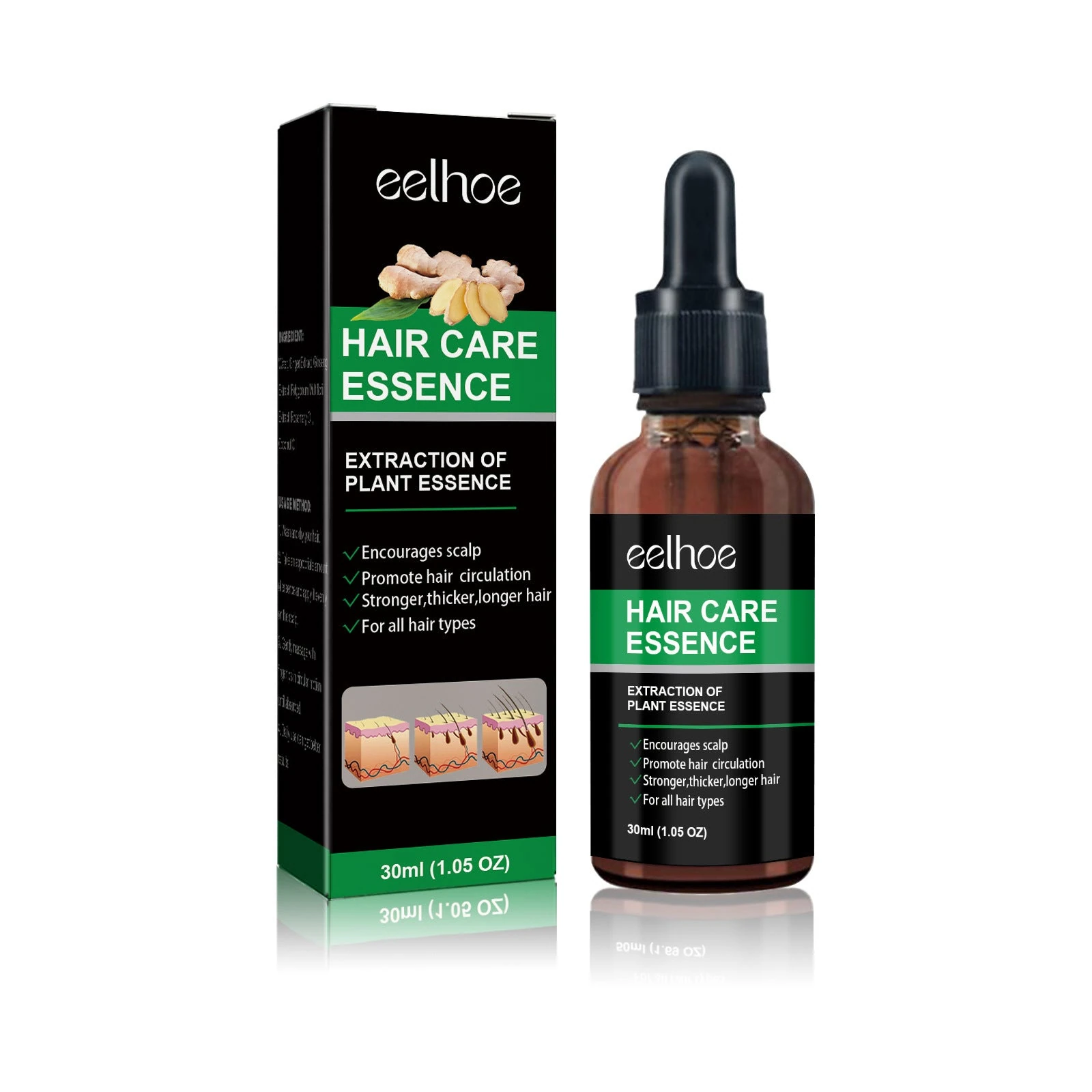
The essence contains ginger root oil within a water-based formula. That is different from buying a bottle of pure essential oil. Glycerin provides a concrete moisturizing ingredient to compare, while the dropper helps direct a small amount to the scalp. Use the finish on your own hair as the practical test: controlled placement matters more than saturating the roots or spreading scalp care through the lengths.
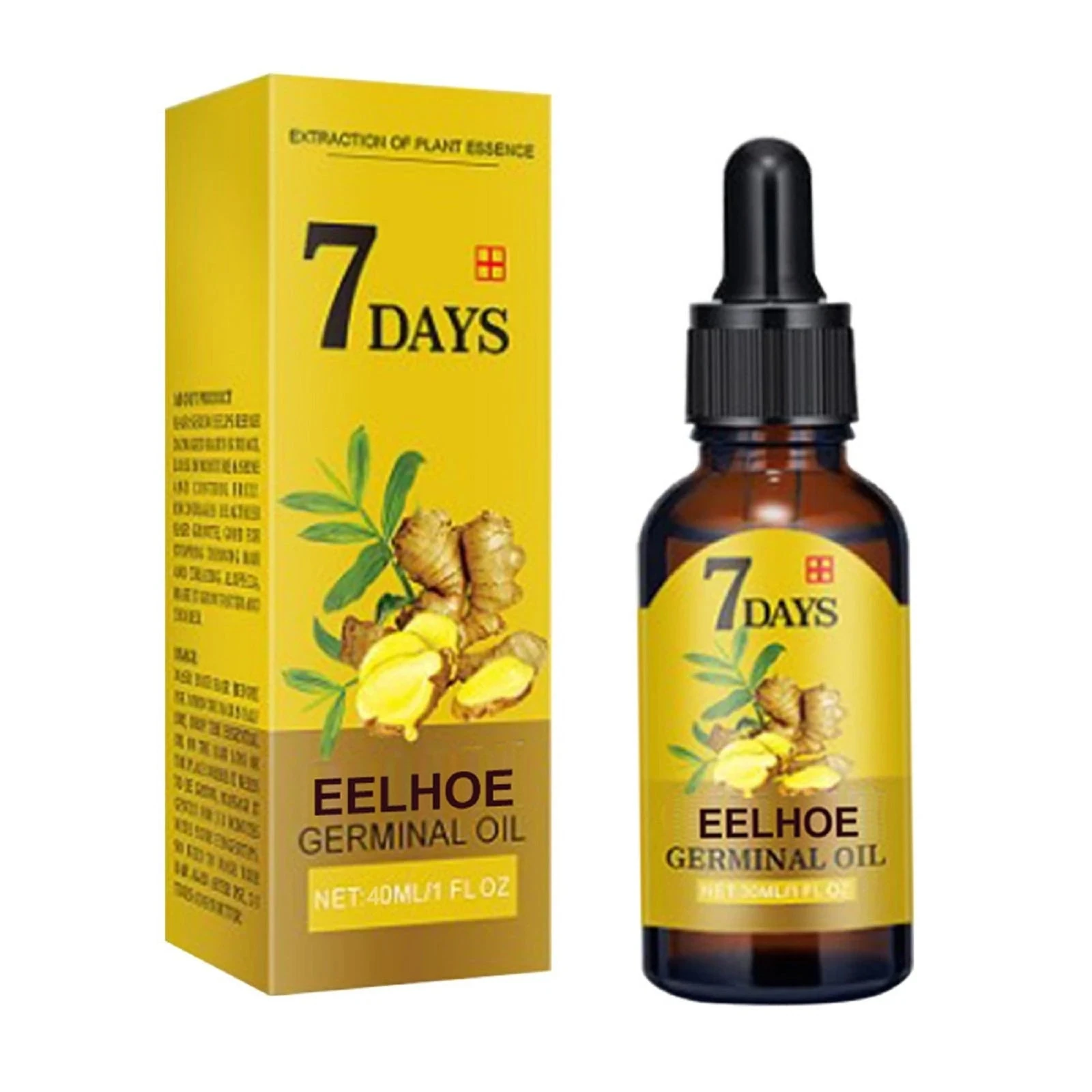
Glycerin and sodium PCA are moisture-binding ingredients, while panthenol is used for conditioning. The highlighted ingredient graphic is not a percentage breakdown. The word tonic describes this product choice; it does not establish a stronger concentration than the smaller essence. Compare the ingredients you prefer and whether direct dropper placement feels convenient in your routine.
Prescription Decisions Depend on the Person
AAD discusses medications including finasteride and spironolactone in different patient contexts. The choice depends on cause, health, age, expected outcome and pregnancy plans. A topical cosmetic comparison cannot decide those factors.
Ask what the medicine is intended to do and what monitoring is needed. Do not assume that a treatment prescribed to someone with similar-looking hair loss is appropriate for you.
Address Scalp Symptoms alongside Thinning
Persistent itching, pain, inflammation or scale may need separate assessment. Treating a scalp condition and supporting hair appearance can be related, but one does not automatically solve every cause of loss.
Avoid using a stronger exfoliant simply because the scalp feels uncomfortable. A new reaction can make an existing treatment harder to follow and obscure what is causing symptoms.
For the everyday-care part, scalp care alongside a thinning-hair treatment plan explains washing, comfort and product placement without replacing cause-specific treatment.
Supplements Should Match a Demonstrated Need
Hair biology involves many nutrients, but that does not imply extra supplementation improves hair in people without deficiency. AAD describes testing and supplementation when relevant to the diagnosis.
Bring all supplement names to appointments. This avoids overlapping doses and helps your care team understand the complete routine, rather than treating an over-the-counter bottle as irrelevant to medical care.
Review Habits That Affect Existing Strands
Repeated tension, aggressive handling and damaging styling can contribute to hair problems. A professional may recommend changing these practices when they are part of the cause. Conditioner can improve slip and handling without being described as a regrowth medicine.
Do not expect a scalp serum to compensate for every damaging habit. The practical goal is to reduce avoidable stress on the hair while following the appropriate treatment plan.
Compare Costs over the Full Plan
Include repeat visits, continued medicine use and any maintenance when comparing options. Ask which costs are known and which depend on response. An introductory price does not show the total commitment.
For cosmetic products, calculate cost per use only when the directed amount is sufficiently clear. Bottle size alone cannot establish exactly how long an unmeasured small-amount application will last.
Set a Review Point before Starting
Agree on the outcome, review date and contact route for adverse effects. Keep photographs consistent if they are part of monitoring. Record comfort and adherence problems rather than hiding them to make the routine appear successful.
If the plan is difficult to follow, discuss a workable alternative. Applying more occasionally is not necessarily equivalent to the tested or prescribed schedule.
Common Mistakes in Treatment Shopping
Avoid buying by one ingredient, treating every positive review as clinical evidence or switching repeatedly before a planned assessment. At the same time, do not keep using a product through a significant reaction merely to reach a promised timeline.
One product’s study may involve additional treatments. Keep those conditions visible so a combination result is not turned into a serum-only guarantee.
Frequently Asked Questions
Should I start with the strongest treatment?
Strength is not a universal ranking. The right option is appropriate for the cause, evidence and individual situation.
Can I add a cosmetic serum to my plan?
Ask about the exact formula and timing when you use a medicine or procedure. Compatibility should not be assumed from texture alone.
Does less shedding prove regrowth?
Not automatically. They are distinct observations that can require different measurement and interpretation.
A Separate Cosmetic Purchase
GinGrowth’s essence and tonic below are sold for ordinary moisturizing scalp care, with different ingredient highlights and sizes. They are not assigned the outcomes of minoxidil, a prescription or a clinical procedure. Compare them when moisture is the additional task, while keeping diagnosis and treatment decisions with the appropriate professional.
Keep any treatment plan intact while comparing the cosmetic formula you prefer.
Sources and Product Information
- AAD: Hair loss diagnosis and treatment — Official product or guidance page checked October 1, 2026; findings retain their product and population scope.
- AAD: Causes of scalp itch — Official product or guidance page checked October 1, 2026; findings retain their product and population scope.
GinGrowth product details were checked October 1, 2026. This guide compares published information and current product specifications; it does not report a GinGrowth clinical trial or personal use test.