
The best scalp serum for seborrheic dermatitis depends first on whether you need treatment for active symptoms or an optional cosmetic step for a comfortable scalp. A non-medicated serum does not replace dermatitis treatment. If your scalp is settled and your treatment plan allows another product, compare the complete formula, known sensitivities, texture and application before buying.
A flaky scalp can also feel oily, tight or dry. Those sensations do not tell you which serum will suit it, and “natural” or “lightweight” is not a guarantee of tolerance. This guide explains how to choose the next step, what to check on a label and where two cosmetic formulas sold by GinGrowth fit within that decision.
Choose the step your scalp actually needs
If itching, inflammation or persistent scaling is your main concern, start with an assessment and a treatment plan. The American Academy of Dermatology’s treatment overview explains that dandruff shampoos can treat mild to moderate seborrheic dermatitis on the scalp; other medicines may be needed depending on the individual. The product, frequency and contact time should follow the label and your dermatologist’s instructions.
A cosmetic scalp serum serves a different task: adding an optional leave-in care step. It may be unnecessary, even when your scalp feels dry. Before adding one, identify what is missing from the routine you already use. Is the concern ongoing itching, an uncomfortable reaction to a product, or simply the heavy finish of your current leave-in? Those are different reasons to change your routine.
| What you notice | Start here | Where serum fits |
|---|---|---|
| Persistent itch, inflammation or scales | A clinician’s assessment and condition-specific care. | Do not use a cosmetic serum as the treatment. |
| A new product causes burning or worsening redness | Stop the new product and seek advice if the reaction persists or is severe. | A different botanical serum is not automatically a suitable replacement. |
| Scalp is comfortable, but a leave-in coats the roots | Review the amount, placement and formula. | A fluid texture is one feature to compare if an optional leave-in is appropriate. |
| Dry hair lengths while the scalp needs treatment | Choose conditioning for the lengths separately. | Scalp serum and conditioner are not interchangeable. |
The AAD also notes that seborrheic dermatitis can coexist with other skin conditions. If the diagnosis is uncertain or a routine is not helping, reassessment is more useful than repeatedly buying products labelled for a “problem scalp.”
When recurrent dandruff is the concern, comparing labeled anti-dandruff scalp serums starts with the active ingredient and intended treatment role.
What to check in a scalp serum for seborrheic dermatitis
Start with ingredient information you can actually read. A short marketing list of botanicals or moisturizing ingredients is not necessarily the full ingredient declaration. If the complete list is unavailable, ask for it before purchasing, particularly if you already know ingredients that trigger a reaction.
The AAD’s self-care guidance explains that skin affected by seborrheic dermatitis is easily irritated. It recommends avoiding fragranced skin-care products and choosing alcohol-free skin and hair care. Use those recommendations to discuss your routine with your dermatologist; a product’s water-based texture alone cannot establish that it meets them.
- Check known sensitivities first. A formula with ginger or another botanical is a poor fit if you have already reacted to that ingredient. “Natural” does not answer the sensitivity question.
- Separate ingredients from clinical evidence. The presence of glycerin or panthenol describes part of a formula. It does not prove that the finished serum treats dermatitis or prevents flares.
- Confirm where it belongs. A rinse-off scalp treatment, a leave-in serum and a smoothing product for hair lengths have different directions. Do not transfer one product’s instructions to another.
- Read beyond texture claims. “Lightweight” describes the intended feel. It does not mean fragrance-free, oil-free, hypoallergenic or suitable for every sensitive scalp.
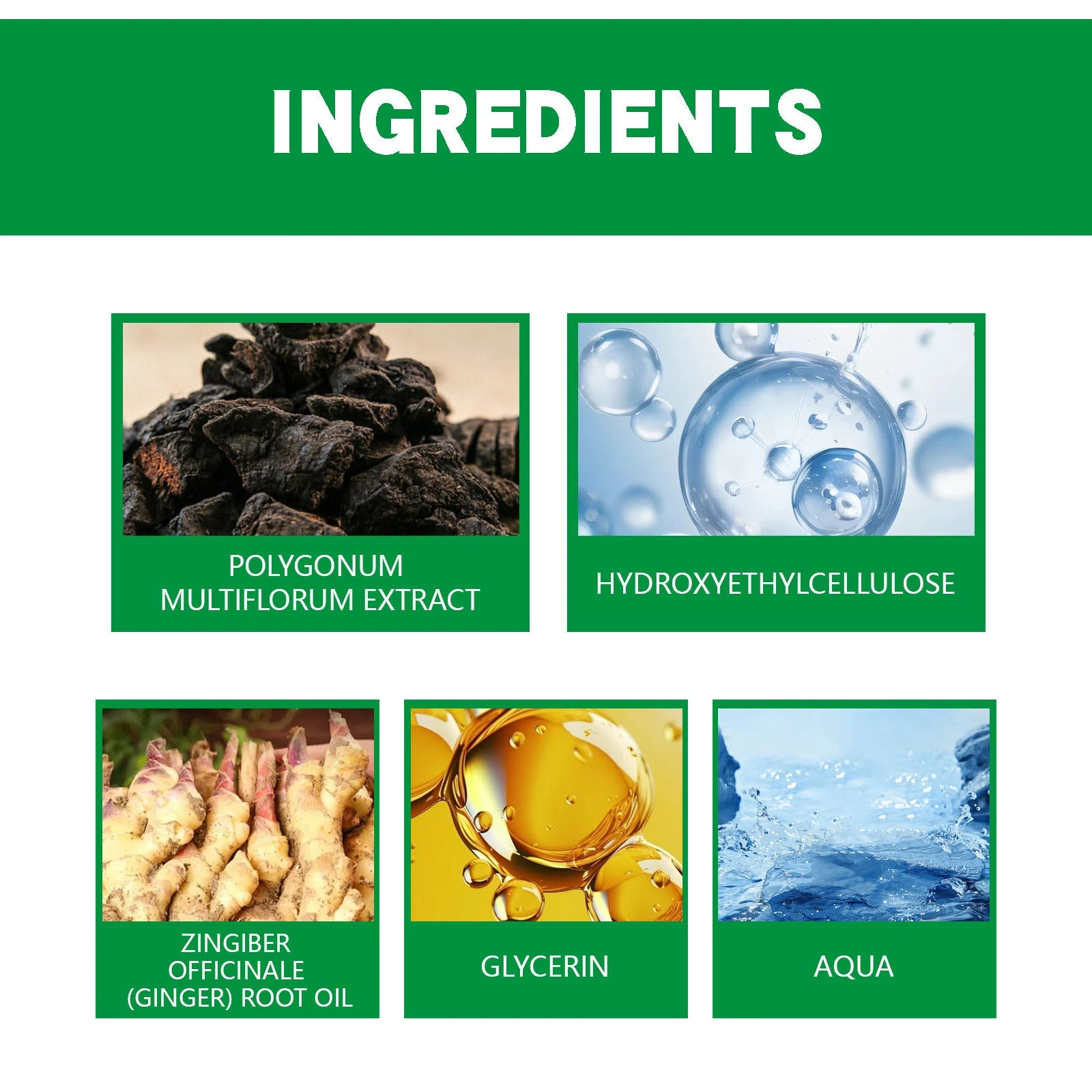
For example, the 30ml essence’s ingredient graphic includes both aqua and ginger root oil. Water-based therefore does not mean oil-free. Neither the artwork nor the product name establishes an antifungal effect, and we do not present this cosmetic formula as a medicated scalp treatment.
Optional everyday care: compare two cosmetic formulas
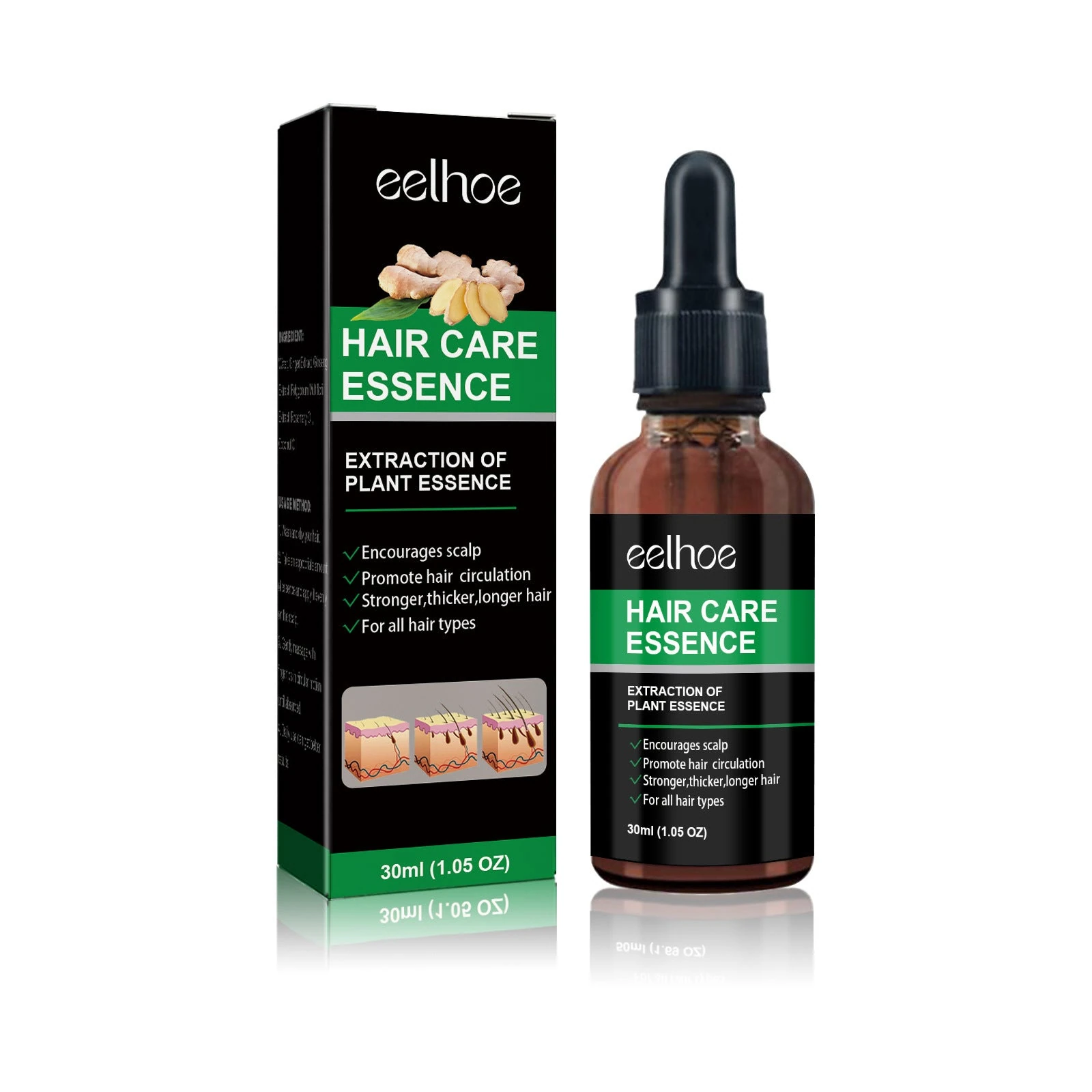
GinGrowth sells both products below. This is a comparison of their current specifications and directions, not a clinical ranking of the best serum for seborrheic dermatitis. Neither product is established here as a dermatitis treatment or as fragrance-free. If your clinician recommends a different formula or advises against an additional leave-in, that guidance takes priority.
| Detail | 30ml Lightweight Scalp Serum | 40ml Ginger Hair Tonic |
|---|---|---|
| Format | Fluid, water-based essence in a 30ml dropper bottle. | Water-based tonic in a 40ml dropper bottle. |
| Listed ingredient highlights | Ginger root oil, glycerin and Polygonum multiflorum extract. | Ginger extract, glycerin, sodium PCA and panthenol. |
| Product directions | Wash and dry hair, apply a small amount to the scalp, massage gently and leave in. | Apply to scalp and roots, massage for 2–3 minutes and leave on as directed. |
| Reason to compare | You prefer a smaller bottle and a fluid essence for precise placement. | You prefer the larger bottle and its different moisturizing ingredient mix. |
| Shared limit | Cosmetic care only. Neither is a substitute for dermatitis treatment or automatically suitable for irritated skin. | |
If an optional serum fits your plan, review the 30ml lightweight scalp serum’s ingredients and directions first. Prefer the other format? Read the 40ml ginger hair tonic details. Choose by formula and tolerance before comparing price or bottle size.
How to introduce an optional serum into an established routine
Keep the treatment plan intact. An optional cosmetic step should not replace a prescribed application, change a medicated shampoo’s contact time or encourage you to stop maintenance care when symptoms improve. The AAD explains that continued care may be needed to maintain results.
- Check whether adding anything is useful. If the scalp is comfortable and the routine is working, there is no requirement to add serum.
- Confirm the formula and timing. Ask your clinician or pharmacist how a proposed leave-in fits with any topical medicines. There is no universal waiting interval that applies to every shampoo, medicine and serum.
- Introduce one product at a time. Follow any product testing instructions. A small-area tolerance check is not the same as medical patch testing and cannot guarantee that your scalp will tolerate regular use.
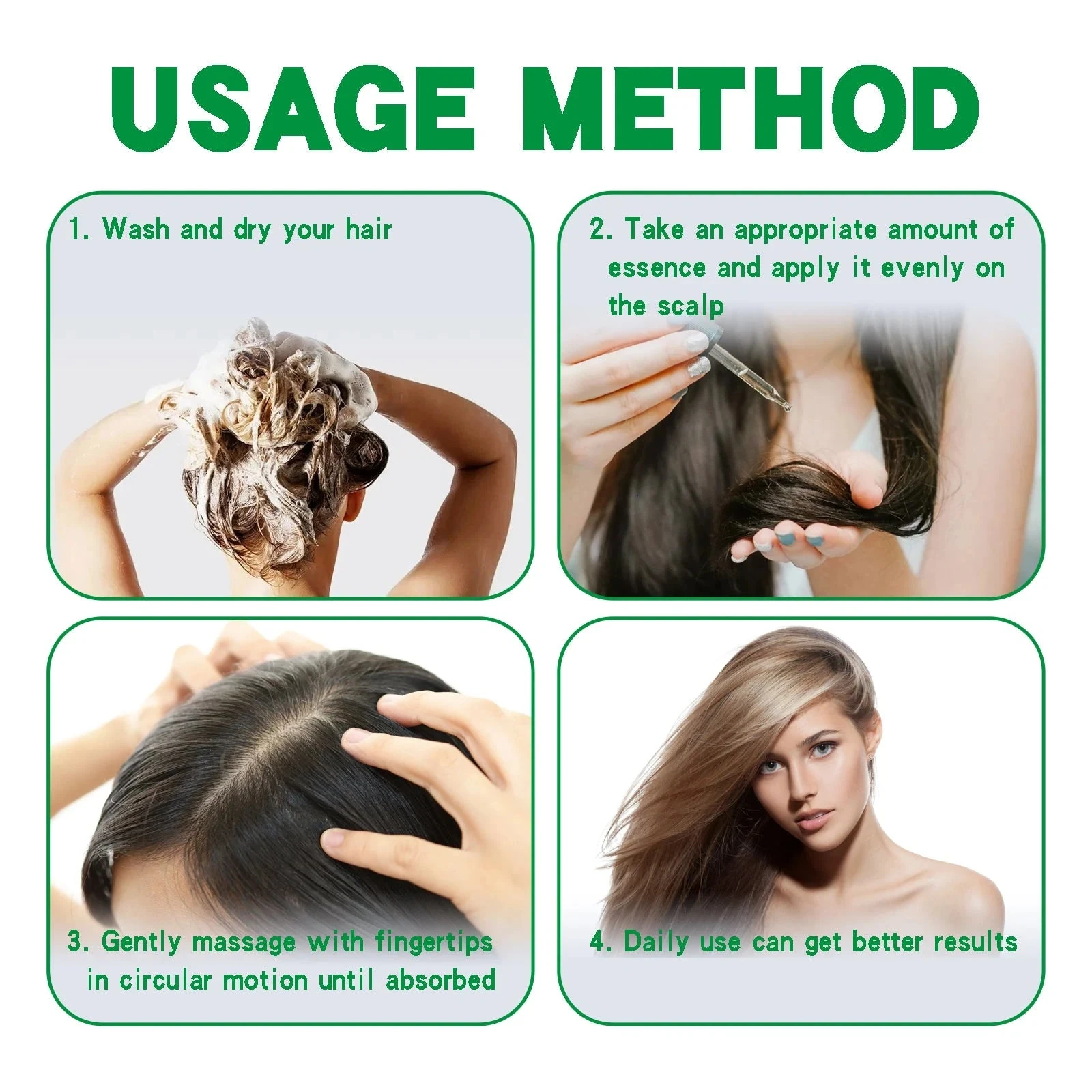
- Apply only as directed. For the 30ml essence, the product guide shows washed, dried hair and direct scalp placement. Avoid using a new cosmetic serum on broken or actively irritated skin.
- Watch comfort as well as finish. Stop the new product if it causes burning or worsening itching or redness. Persistent or severe reactions need medical advice.
Keep a short note of what you applied and when symptoms changed. The AAD suggests a journal to help identify individual triggers. A note can make the next conversation with your dermatologist more specific; it does not diagnose an allergy by itself. For ordinary placement guidance, see how to apply hair serum to the scalp.
For the comfort-care decision, choosing a soothing scalp serum separates dryness, recurrent dandruff and irritation before comparing formulas.
Questions before choosing a serum
Can I use scalp serum alongside medicated shampoo?
Possibly, depending on the complete formula, your scalp’s condition and the treatment instructions. Follow the shampoo’s directions and ask about combining products if you use topical medication. A serum should not be mixed into the shampoo or used to shorten its recommended contact time.
Is a hair serum for seborrheic dermatitis the same as a serum for dry hair?
No. A smoothing serum for dry lengths is selected for the hair shaft, while a scalp product contacts the skin. If only your ends need conditioning, choose that step separately. If the scalp is itchy or inflamed, establish what care it needs before buying a cosmetic leave-in.
Does ginger make a serum suitable for a sensitive scalp?
No ingredient name can establish that by itself. The whole formula and your own sensitivities matter. The GinGrowth products compared here contain ginger ingredients; they are not presented as sensitive-skin treatments, antifungal medicines or clinically tested seborrheic dermatitis products.
Should I change products when flakes return?
Follow the flare instructions in your existing treatment plan and contact your clinician if symptoms persist or the plan is no longer helping. The AAD recommends treating flares early. Replacing one cosmetic serum with another is not an equivalent treatment decision.
Sources and product information
- American Academy of Dermatology: Seborrheic dermatitis — diagnosis and treatment, accessed September 29, 2026.
- American Academy of Dermatology: Seborrheic dermatitis — self-care, accessed September 29, 2026.
- GinGrowth: Lightweight Scalp Serum with Ginger, 30ml, product information checked September 29, 2026.
- GinGrowth: Ginger Hair Tonic for Scalp & Roots, 40ml, product information checked September 29, 2026.