
Scalp serum is a broad product label, not one formula or one treatment. Some products provide leave-on moisturizing care, some are pre-shampoo scalp treatments, and others have a specific labeled therapeutic purpose. Begin with the job, application area and rinse instruction before comparing ingredients or deciding how often to use one.
This beginner's guide helps you navigate those categories and choose the next useful step. Current GinGrowth product details were checked October 1, 2026. The goal is a clear care decision, not an assumption that every scalp serum grows hair.
What a Scalp Serum Can Do
The answer depends on the finished product. A moisturizing formula may support a comfortable, hydrated feel. An exfoliating pre-shampoo may address residue before washing. A product making a treatment claim needs evidence and directions for that claim.
Start by reading the purpose in one sentence. If the product's description mixes scalp comfort, oil removal and regrowth, ask which results are supported for the exact formula. The category name cannot supply missing proof or tell you which concern is most relevant to you.
Scalp Serum versus Hair Serum
A scalp-directed product is applied to the intended scalp area. A finishing or conditioning hair serum may be designed for the lengths or ends to improve smoothness, shine or another hair-shaft goal. Do not move a lengths product onto scalp solely because the bottle says serum.
The rinse instruction is a separate check. Both a no-rinse essence and a pre-shampoo product can be described as scalp serum. Longer contact is not automatic evidence of greater benefit; correct use depends on the formula and its purpose.
For a broader explanation of the category, what scalp serum actually does distinguishes moisture, pre-shampoo care and product-specific treatment claims.
Swipe the table sideways to compare all columns.
| Your decision | What to compare | Practical next step |
|---|---|---|
| Moisturizing scalp essence | Scalp-focused cosmetic care. | Compare the ingredients, finish and label directions. |
| Pre-shampoo serum | A scalp step before washing. | Read timing and rinse requirements. |
| Hair finishing serum | Smoothness, shine or other hair-shaft goals. | Use on the intended lengths or ends. |
| Medicated scalp product | A specified treatment indication. | Use the exact label or clinician’s plan. |
If a bottle uses the word tonic, our guide to what hair tonic means explains how to compare its formula and application area with a scalp serum before choosing.
Who Should Consider a Scalp Product?
Consider one when it solves a defined care need: a moisturizing step you want, a particular scalp treatment purpose or an applicator that helps targeted care. You do not need to add a serum simply because thinning or dryness appears in your search history.
If the scalp feels comfortable and your concern is dry lengths, a conditioner may be the more relevant step. If hair loss is progressive or sudden, investigate that issue. If itch started after a new product, adding another scented layer may make the cause harder to identify.
How to Read Ingredient Categories
Humectants such as glycerin and sodium PCA provide useful moisturizing-care features to compare. Panthenol is a conditioning ingredient. Oils and botanical extracts help define a formula's composition and sensory character, but they can also matter to personal tolerance.
Texture agents, solvents and preservatives are part of a functioning formula; do not label them useless because they are less prominent in advertising. Equally, a familiar botanical does not establish a clinical result for the finished product.
For a treatment claim, examine the actual evidence. Does it concern this bottle, an ingredient, or a complete regimen? Are the outcomes comfort, fullness, breakage, shedding or regrowth? Those distinctions make product descriptions more informative.
If a water-based leave-on is the category that fits your care goal, review the 30ml Lightweight Scalp Serum with Ginger.
Start with a Clearly Defined Scalp-Care Product
Choose an optional everyday-care product by the task you need and the formula you prefer. The comparison below concerns cosmetic care, not proof that different products have identical treatment effects. GinGrowth sells the two products below.
Swipe the table sideways to compare all columns.
| Detail | 30ml Lightweight Scalp Serum with Ginger | 40ml Ginger Hair Tonic for Scalp & Roots |
|---|---|---|
| Format | Water-based dropper essence | Water-based dropper tonic |
| Ingredient highlights | Aqua, glycerin, ginger root oil, Polygonum multiflorum extract and hydroxyethylcellulose in the ingredient graphic. | Ginger extract, glycerin, sodium PCA and panthenol, alongside aqua, in the product artwork. |
| Application | After washing and drying, apply a small amount to the scalp, massage gently and leave in. The product guide describes daily use. | Part hair, apply a small amount, massage gently for 2–3 minutes and leave on. Follow the current bottle for frequency. |
| Reason to compare | Choose for a light moisturizing step and precise placement along a part. | Choose for a larger dropper format with humectant and conditioning ingredient highlights. |
View 30ml Lightweight Scalp Serum with Ginger or compare 40ml Ginger Hair Tonic for Scalp & Roots. Review the current product page for price and package details.
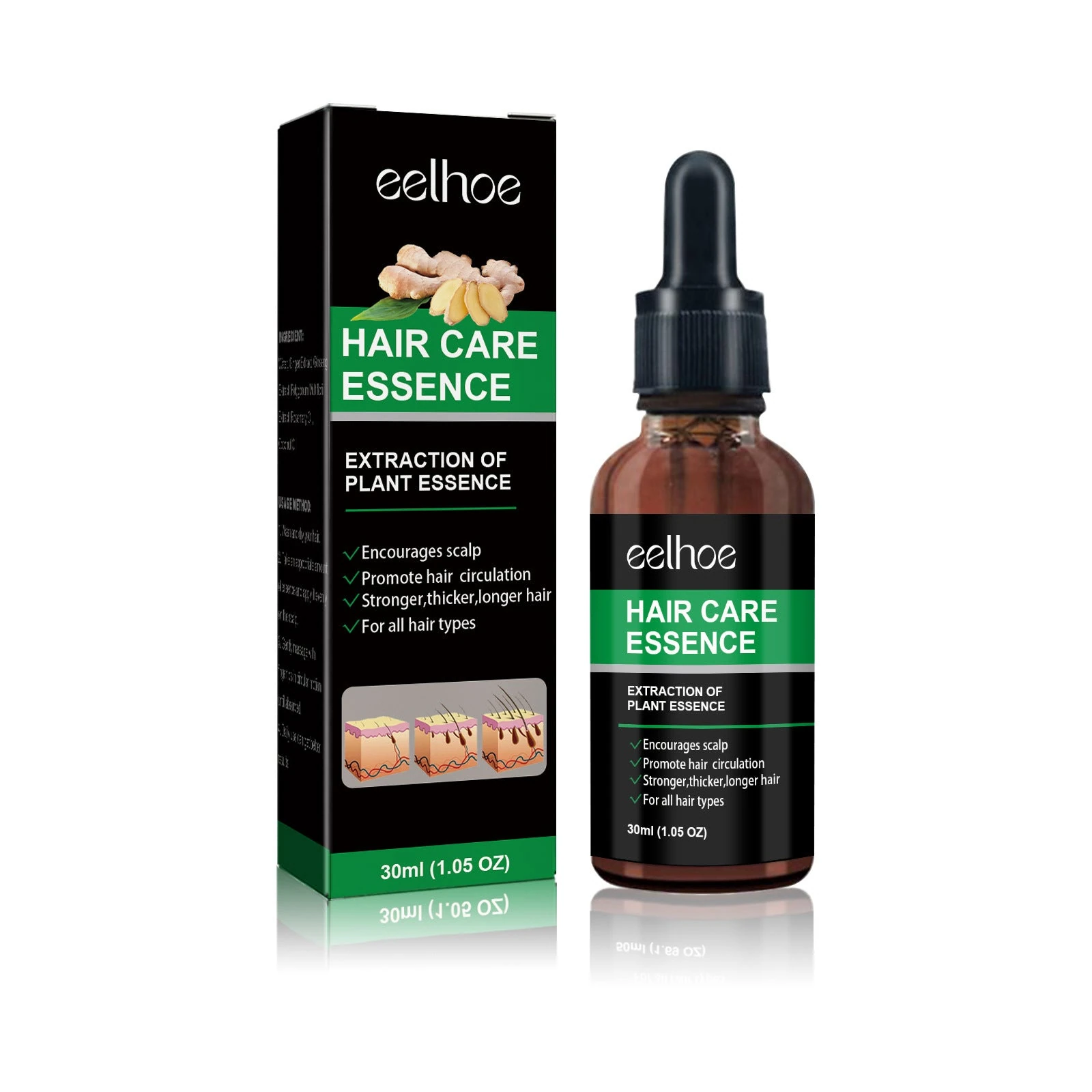
The essence contains ginger root oil within a water-based formula. That is different from buying a bottle of pure essential oil. Glycerin provides a concrete moisturizing ingredient to compare, while the dropper helps direct a small amount to the scalp. Use the finish on your own hair as the practical test: controlled placement matters more than saturating the roots or spreading scalp care through the lengths.
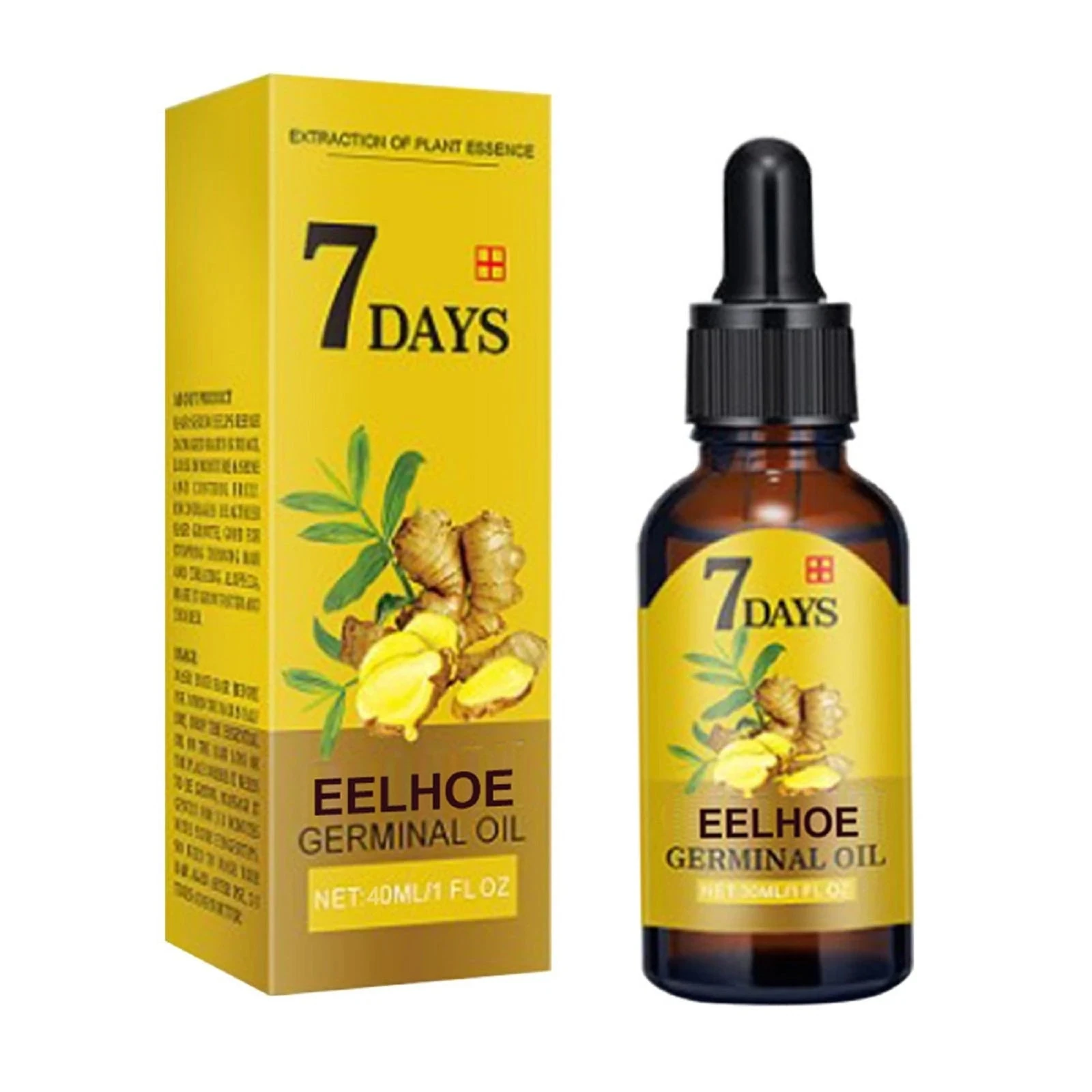
Glycerin and sodium PCA are moisture-binding ingredients, while panthenol is used for conditioning. The highlighted ingredient graphic is not a percentage breakdown. The word tonic describes this product choice; it does not establish a stronger concentration than the smaller essence. Compare the ingredients you prefer and whether direct dropper placement feels convenient in your routine.
How to Use the Chosen Serum
Confirm the intended application area, preparation, amount, frequency and rinse requirement. Then part the hair so a scalp applicator reaches the exposed area. Use gentle distribution and avoid scratching or repeatedly saturating the surrounding strands.
The current GinGrowth essence guide describes use after washing and drying, a small amount, gentle massage and leaving it in. The tonic guide has its own details. These examples do not create a universal rule for all scalp products.
For a practical walkthrough comparing drops and sprays, read how to apply hair serum on the scalp. Never borrow a fixed pump count or full-dropper dose from another formula.
A Lightweight Everyday-Care Option
The 30ml essence is a water-based dropper product with glycerin and ginger root oil among its listed ingredients. It is worth comparing when you want a small moisturizing step with controlled placement. Its inclusion is a commercial recommendation from GinGrowth for that specific cosmetic role.
The 40ml tonic provides another water-based option with ginger extract, glycerin, sodium PCA and panthenol highlights. Compare its different ingredient profile and size rather than assuming tonic means stronger. Neither specification establishes a medical regrowth result.
What to Compare Before Buying
Use five checks: the job you need, the full current formula, the directions, the applicator and the evidence. Then compare current price and size. Cost per use needs a verified application amount; bottle volume alone cannot tell you how many weeks it will last.
For a more detailed worksheet, see the scalp-serum selection guide. For a moisturizing texture decision, the hydrating-serum guide focuses on that narrower task.
To narrow a broad product search, choosing a scalp serum by concern separates dry-feeling scalp, oil and buildup, and other care needs.
Common Mistakes to Avoid
Do not assume every serum is leave-on, every flake is dryness or every cooling sensation is evidence of benefit. Do not infer medical effectiveness from a botanical name or a low-residue finish. Keep the actual product role visible.
Introduce optional new scalp products one at a time. That makes it easier to identify changes in comfort or residue. Keep medicines and cosmetics in separate original containers and ask about exact combinations when following a treatment plan.
When to Seek an Assessment
The AAD explains that the cause of hair loss guides treatment. Sudden or patchy loss, a painful scalp or persistent symptoms deserve attention rather than repeated cosmetic substitutions.
For recurrent flakes, the AAD's dandruff guidance recommends product-specific directions and appropriate care. A moisturizing serum can have a separate role, but it does not diagnose why symptoms occur or automatically replace a labeled treatment.
Frequently Asked Questions
What is scalp serum for?
Check the exact purpose. It may be moisturizing care, a pre-shampoo step or a specific treatment. The name alone does not establish the job.
Is it different from hair serum?
Often the intended application area differs. Read whether the product belongs on scalp, lengths or ends.
Can I use one every day?
Only when that matches the exact directions. Some products are occasional or rinse-off treatments.
Will a lightweight formula prevent greasy roots?
Not necessarily. Formula, amount, placement and other products affect the finish. Assess your own routine.
Does scalp serum regrow hair?
That requires product- and condition-specific evidence. A moisturizing specification or category name cannot establish regrowth.
Start with a clearly identified format: review the 30ml water-based scalp essence.
Sources and Product Information
- American Academy of Dermatology: Hair loss—Diagnosis and treatment — Clinical education, accessed October 1, 2026; treatment benefits apply to the specified treatment and cause.
- American Academy of Dermatology: How to treat dandruff — Product-specific directions and hair-type considerations, checked October 1, 2026.
GinGrowth product details were checked October 1, 2026. This guide compares published information and current product specifications; it does not report a GinGrowth clinical trial or personal use test.