
A hair serum for growth should be compared by what the finished product measures: reduced shedding, reduced breakage, fuller appearance and increased density are different outcomes. Some scalp products publish specific study results, while others provide cosmetic moisturizing care. Match the evidence and application to your goal before comparing ingredients or prices.
Define What Growth Means in Your Search
Hair that looks fuller after styling may not contain more growing hairs. A conditioning product can reduce friction and help preserve length, while a scalp treatment may address a different endpoint. Ask whether the product claims less shedding, stronger-feeling strands, larger hair diameter, more hairs in a measured area or simply an appearance improvement.
This distinction matters when comparing photographs. Different lighting, part placement, blow-drying and strand coating can change apparent fullness. A useful result description explains the measurement method and timeframe, rather than relying on an impressive image alone.
For a named botanical-peptide formula, the Re:GRO Capixyl and claim review separates a dated product record, ingredient-blend wording and the limits of the reported growth claim.
What Product-Specific Evidence Can Tell You
Nioxin Hair Fall Defense Serum reports a double-blind study involving 120 panelists, with visible results in eight weeks on average and 93% noticing less hair in their brush. That last number is a proportion of participants reporting an observation. It does not mean a 93% increase in hair density, nor does it establish the result for every Nioxin product.
OneSkin OS-01 Hair reports a six-month study of 32 participants using serum twice daily with daily dermarolling. The brand states a 40% density improvement in 81% and a 43% thickness improvement in 78% of participants. Those findings belong to the combined regimen and should not be assigned to serum alone, biotin alone or another peptide product.
For the density claim itself, how to evaluate a scalp-density serum separates visible fullness, breakage, shedding and measured density before comparing studies.
Swipe the table sideways to compare all columns.
| Decision | Check | Practical action |
|---|---|---|
| Less hair in the brush | Participant-reported shedding observation | Not the percentage increase in density |
| Measured density | Defined area, method, duration and regimen | Keep results attached to the tested product |
| Moisture and finish | Formula ingredients and comfortable application | Useful care features, not a borrowed growth trial |
| Diagnosed hair loss | Treatment-specific evidence and instructions | Keep the medical plan separate from optional cosmetics |
What Common Ingredient Claims Cannot Establish
An ingredient can have a plausible function without proving a finished serum’s growth claim. Concentration, formulation, delivery, the participants studied and the endpoint all affect whether research applies. A botanical name on packaging is not a substitute for this information.
Glycerin and sodium PCA are useful moisturizing features to compare. Panthenol can contribute conditioning. These are concrete reasons to consider a scalp-care formula, but they do not automatically reproduce a density study. Likewise, caffeine, ginger or a peptide in two different bottles does not make their clinical performance interchangeable.
For a specific peptide-and-botanical example, the LolaVie Let There Be Hair evidence review explains the reported consumer outcomes without transferring them to other formulas.
Keep Cosmetic Care and Hair-Loss Treatment Clear
The American Academy of Dermatology emphasizes identifying the cause of hair loss before choosing treatment. It describes minoxidil as an option that can stimulate hair growth and prevent further loss for appropriate patients, with results commonly taking six to twelve months and continued use needed to maintain benefits. Follow the specific treatment label and professional advice.
This does not make every product with serum in its name a medicine, or every cosmetic formula ineffective for its stated care role. It means that diagnosis, regulated treatment and optional moisture answer different needs. Persistent or sudden loss deserves assessment rather than a sequence of unrelated cosmetic purchases.
For a water-based tonic with clearly listed moisturizing highlights, review the 40ml Ginger Hair Tonic for Scalp & Roots.
Select a Defined Cosmetic-Care Step
The tonic and essence provide transparent moisturizing-care choices. A familiar growth ingredient does not assign another product’s clinical result to them. GinGrowth sells the two products below.
Swipe the table sideways to compare all columns.
| Detail | 40ml Ginger Hair Tonic for Scalp & Roots | 30ml Lightweight Scalp Serum with Ginger |
|---|---|---|
| Format | Water-based dropper tonic | Water-based dropper essence |
| Ingredient highlights | Ginger extract, glycerin, sodium PCA and panthenol, alongside aqua, in the product artwork. | Aqua, glycerin, ginger root oil, Polygonum multiflorum extract and hydroxyethylcellulose in the ingredient graphic. |
| Application | Part hair, apply a small amount, massage gently for 2–3 minutes and leave on. Follow the current bottle for frequency. | After washing and drying, apply a small amount to the scalp, massage gently and leave in. The product guide describes daily use. |
| Reason to compare | Choose for a larger dropper format with humectant and conditioning ingredient highlights. | Choose for a light moisturizing step and precise placement along a part. |
View 40ml Ginger Hair Tonic for Scalp & Roots or compare 30ml Lightweight Scalp Serum with Ginger. Review the current product page for price and package details.
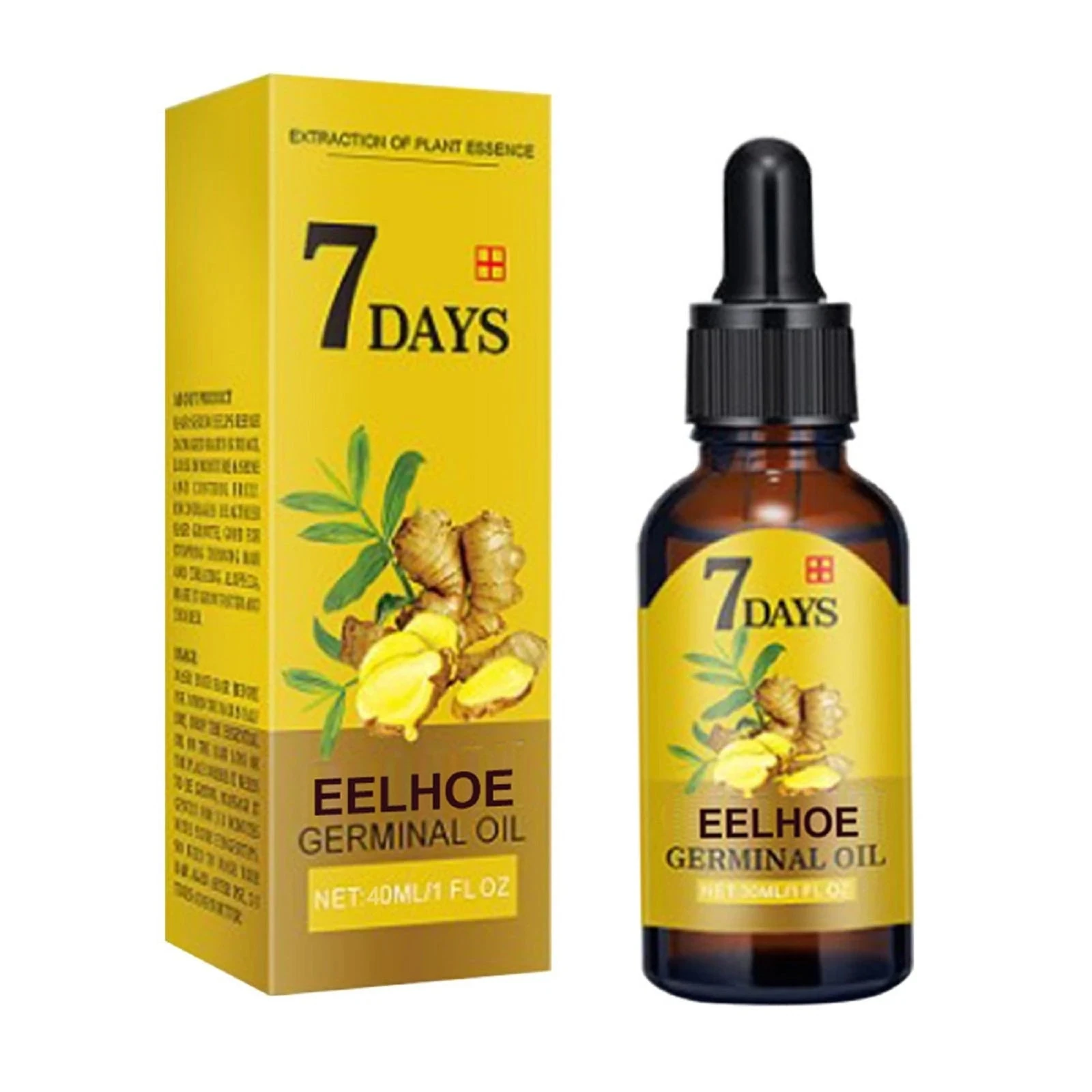
Glycerin and sodium PCA are moisture-binding ingredients, while panthenol is used for conditioning. The highlighted ingredient graphic is not a percentage breakdown. The word tonic describes this product choice; it does not establish a stronger concentration than the smaller essence. Compare the ingredients you prefer and whether direct dropper placement feels convenient in your routine.
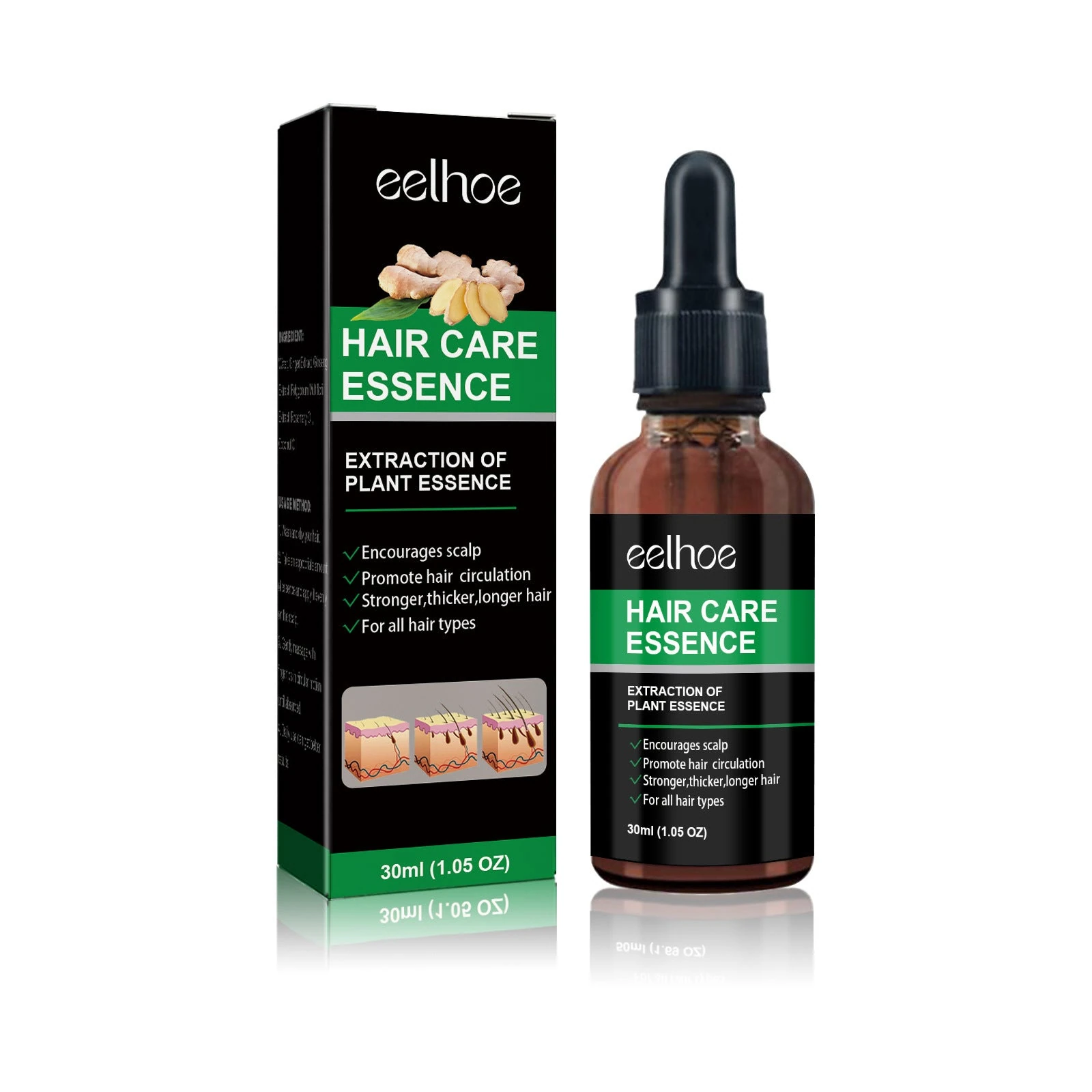
The essence contains ginger root oil within a water-based formula. That is different from buying a bottle of pure essential oil. Glycerin provides a concrete moisturizing ingredient to compare, while the dropper helps direct a small amount to the scalp. Use the finish on your own hair as the practical test: controlled placement matters more than saturating the roots or spreading scalp care through the lengths.
Choose a Formula You Can Apply Correctly
A scalp serum should reach the intended scalp area. A lengths-and-ends finishing serum belongs elsewhere unless its label says otherwise. Droppers can help with placement along a part; sprays may feel convenient but still need to be aimed through the hair. Applicator preference does not prove superior biological performance.
Check whether the instructions require wet, damp or dry scalp and whether the product stays on or rinses off. Hair Fall Defense currently specifies daily use on dry or damp scalp, up to 15 pumps, massage and no rinsing. That product-specific amount must not become a general recommendation for a different bottle.
Build a Fair Value Comparison
Compare the current bottle price with its stated volume and actual recommended use. A larger bottle may last less time if its directions require more product per application. If the label does not provide a measurable dose, avoid presenting an exact cost-per-day calculation as fact.
Also compare the work involved. A twice-daily routine, a nightly product and an occasional wash treatment have different demands. Choose a schedule that is both label-consistent and practical; using extra product or adding extra applications does not reliably compensate for missed use.
Track the Endpoint You Actually Care About
For moisture, record scalp feel, residue and tolerance. For breakage, notice short snapped strands and handling practices. For a clinical density claim, look for study methods such as standardized photography or measured hair counts and keep its population and duration attached to the result.
Introduce one optional cosmetic change at a time when practical. If you start a medicine, change your wash routine and add several serums together, a home observation will not identify which change caused an effect. Bring significant changes or worsening symptoms to the professional managing your hair loss.
When the main concern is continuing hair loss, the hair-thinning treatment overview explains why the cause matters before selecting a treatment or cosmetic.
Frequently Asked Questions
Which hair serum works best for growth?
There is no universal winner across different causes of thinning and different endpoints. Compare the exact product’s evidence and consider diagnosis when loss is ongoing.
Does less shedding mean more density?
Not automatically. These are related but distinct measurements. A study or consumer survey must state what it actually assessed.
Can I combine a cosmetic serum with minoxidil?
Ask the pharmacist or clinician responsible for the treatment about timing and compatibility. Do not use a generic serum schedule to replace the medicine’s directions.
Does a tingling scalp show increased growth?
No. Tingling is a sensation, not a growth measurement. Burning or persistent irritation is a reason to stop the offending product and reassess.
Make One Clear Selection
Choose the endpoint first, verify the evidence second and compare the formula and routine third. Keep supported product results intact while retaining their study conditions. When your immediate purchase is simply scalp moisture, select a transparent moisturizing formula without assuming that its ingredients inherit another brand’s growth outcomes.
Choose a care role you can name and compare the product’s own facts.
Sources and Product Information
- AAD: Hair loss diagnosis and treatment — Official product or guidance page accessed October 1, 2026; claims retain their product and study scope.
- Nioxin US: Hair Fall Defense Serum — Official product or guidance page accessed October 1, 2026; claims retain their product and study scope.
- OneSkin: OS-01 Hair Scalp Serum — Official product or guidance page accessed October 1, 2026; claims retain their product and study scope.
GinGrowth product details were checked October 1, 2026. This guide compares published information and current product specifications; it does not report a GinGrowth clinical trial or personal use test.