
The best scalp serum is the one that matches a clearly defined scalp concern and fits the way you wash and style your hair. A lightweight hydrating serum may suit a tight, dry-feeling scalp, while an occasional clarifying formula may make more sense for oil and styling-product buildup. Sensitive or persistently flaky scalps need extra caution because a cosmetic serum can irritate skin or delay the right treatment.
This guide focuses on choosing a serum for general scalp health. For a plain-language explanation of the category, start with what scalp serum does. For products specifically positioned within a thinning-hair routine, use our separate scalp serum comparison guide.
For a water-based moisturizing option with targeted placement, review 30ml Lightweight Scalp Serum with Ginger.
Quick Guide: Choose by Scalp Concern
Swipe the table sideways to compare all columns.
| Main concern | Formula to consider | What to avoid or check |
|---|---|---|
| Dry or tight feeling | Water-based hydration with glycerin, panthenol, or similar humectants | Strong fragrance, drying alcohols, and over-cleansing |
| Oily scalp or buildup | Light texture or occasional clarifying product used as directed | Layering oils, leave-ins, and exfoliants without a clear need |
| Sensitive-feeling scalp | Complete formula checked against known sensitivities; verified fragrance-free option when relevant | Essential oils, warming sensations, and multiple new products at once |
| Recurring flakes or itch | First identify whether the issue is dryness, dandruff, or a skin condition | Assuming a moisturizing serum is a medicated treatment |
| Thinning or shedding | A cosmetic serum only as a supportive routine step | Promises of certain regrowth and delaying professional evaluation |
If the goal is manageable roots and a comfortable routine, choosing a serum for everyday root care connects product choice with cleansing, conditioning and styling.
Best Scalp Serum for a Dry or Tight-Feeling Scalp
Living Proof Dry Scalp Treatment is a concrete category example: it lists glycerin, niacinamide, sodium hyaluronate and urea, alongside fragrance. Its 66-person study reports that 92% said it soothed instantly, and its full-results claim uses three applications weekly for four weeks. These are brand-specific findings. The brand explicitly says it is not an anti-dandruff treatment.
Look for a lightweight hydrating formula rather than choosing by the number of botanical extracts on the label. Humectants attract water, while emollients can soften the skin surface. A small amount may provide comfort without making the roots feel coated.
Dryness and dandruff are not the same. If flakes are greasy, recurrent, or associated with redness and significant itch, adding more moisture may not address the cause. Our serum for dry scalp guide compares hydrating products with oils, conditioners, and medicated options.
Best Scalp Serum for an Oily Scalp or Buildup
An oily scalp does not necessarily need an aggressive exfoliant. First check whether heavy styling products, dry shampoo, oils, or incomplete rinsing are contributing to residue. A light serum with a precise applicator may be easier to use than a rich oil, but it still adds another layer to the scalp.
Clarifying formulas may contain exfoliating ingredients and are usually better treated as occasional products. Follow the stated frequency, avoid applying them to broken or irritated skin, and do not stack several acids or scrubs in the same routine.
If residue and flat roots are the main concern, choosing a scalp serum for oily roots compares finish, placement and the role of cleansing.
Best Scalp Serum for Sensitive-Feeling Skin
Choose by the complete formula and known sensitivities; a short ingredient list alone is not proof of tolerance. Fragrance-free does not guarantee that a formula will be non-irritating, but it removes one common source of sensitivity. Essential oils and warming or tingling ingredients can also be uncomfortable on reactive skin. A sensation is not evidence that a product is working.
Patch test a small area before full application. Stop if burning, swelling, rash, or worsening itch develops. If sensitivity is persistent, professional evaluation is more useful than cycling through increasingly complicated cosmetic formulas.
Choose Water-Based or Oil-Based Scalp Care
Compare the lighter water-based essence with the oil blend’s richer conditioning feel. Recurring dandruff needs a separate labeled-treatment decision. GinGrowth sells the two products below.
Swipe the table sideways to compare all columns.
| Detail | 30ml Lightweight Scalp Serum with Ginger | 30ml Ginger Scalp Oil Serum for Dry Scalp |
|---|---|---|
| Format | Water-based dropper essence | Oil-based dropper blend |
| Ingredient highlights | Aqua, glycerin, ginger root oil, Polygonum multiflorum extract and hydroxyethylcellulose in the ingredient graphic. | Mineral oil, hydrogenated castor oil, olive oil, tocopherol, rosemary leaf oil and ginger root extract in the artwork. |
| Application | After washing and drying, apply a small amount to the scalp, massage gently and leave in. The product guide describes daily use. | After washing and drying, apply a small amount and spread gently. Follow the bottle for timing, frequency and rinse instructions. |
| Reason to compare | Choose for a light moisturizing step and precise placement along a part. | Choose for an oil-based conditioning feel when you tolerate richer textures. |
View 30ml Lightweight Scalp Serum with Ginger or compare 30ml Ginger Scalp Oil Serum for Dry Scalp. Review the current product page for price and package details.
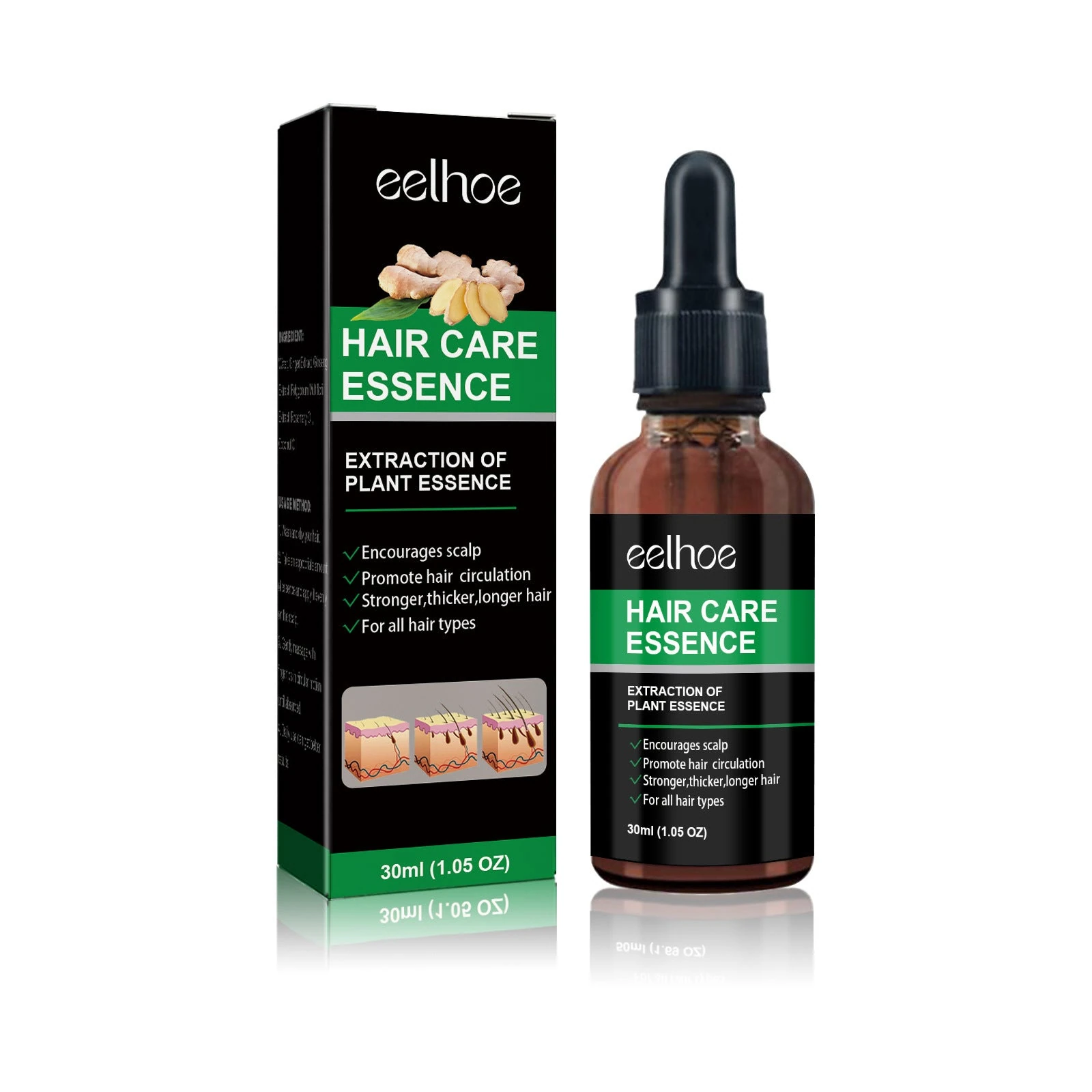
The essence contains ginger root oil within a water-based formula. That is different from buying a bottle of pure essential oil. Glycerin provides a concrete moisturizing ingredient to compare, while the dropper helps direct a small amount to the scalp. Use the finish on your own hair as the practical test: controlled placement matters more than saturating the roots or spreading scalp care through the lengths.
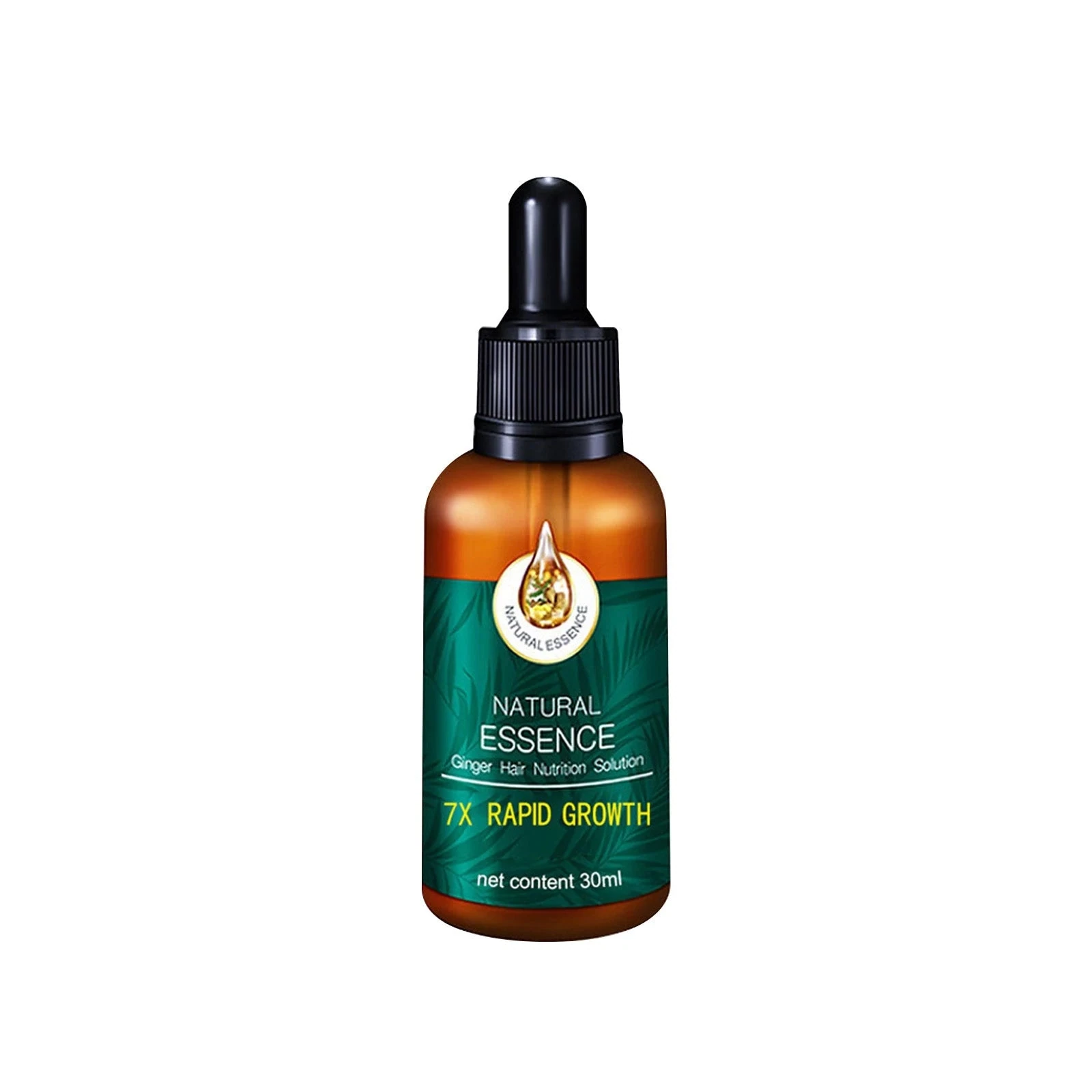
This oil blend gives you a different texture to compare with water-and-humectant formulas. It can feel more noticeable at the roots, so start sparingly and assess residue. The supplied guide does not establish an overnight treatment or a pre-wash soaking time. Botanical oils are still ingredients to check against personal sensitivities, even when you prefer an oil-based care routine.
Best Scalp Serum for Flakes or Itch
For labeled serum examples, Nioxin US Scalp Recovery lists 0.1% pyrithione zinc and Jupiter Restoring Serum lists 0.125% zinc pyrithione. Those active labels distinguish them from ordinary moisturizing care. The percentages alone do not establish which finished formula works better, and their application instructions differ.
Start with the cause rather than the word serum. Simple dry skin may feel tight and produce small dry flakes. Dandruff and seborrheic dermatitis can involve recurrent scale, oil, redness, and itch. Contact dermatitis can appear after exposure to fragrance, dye, preservatives, or another ingredient.
A cosmetic serum may provide comfort, but it does not replace an antifungal or other treatment when one is indicated. Read our seborrheic dermatitis and scalp serum guide for warning signs and product-selection cautions.
For recurring flakes, choosing a scalp serum for dandruff compares labeled treatment roles with separate dry-scalp moisturizing care.
Best Scalp Serum for Thinning Hair
Thinning and shedding are not single conditions. Genetics, illness, medication, hormonal changes, nutrition, traction, and inflammatory scalp disease can all play a role. A cosmetic serum may make the scalp feel conditioned or support a consistent self-care routine, but familiar ingredients such as ginger, caffeine, biotin, or peptides do not prove that the finished product regrows hair.
Use transparent product labels and realistic expectations. The scalp serum collection lets you compare the current formats and sizes, while the informational comparison guide explains how texture, applicator, and routine differ from medical hair-loss treatment.
How to Read a Scalp Serum Label
Start with the Product's Stated Purpose
Check whether the label describes hydration, exfoliation, cosmetic conditioning, or treatment of a specific condition. Marketing copy can blur these categories. Directions, warnings, and active-drug labeling provide a clearer picture.
Look at the Full Ingredient List
Do not choose a product based on one highlighted botanical. Ingredients near the beginning of the list are generally present at higher concentrations than those near the end, but concentration alone does not establish effectiveness. Preservatives are also necessary in many water-based formulas and are not automatically a reason to reject a product.
Check Texture and Applicator
A nozzle or comb applicator can reduce waste and help reach the scalp through dense hair. Fine or oily hair often works better with a low-residue liquid. Richer emulsions and oils may suit sectioned application but can require more careful washing.
Read Frequency and Rinse Instructions
Some products are daily leave-ins; others are weekly or rinse-out treatments. Using an occasional exfoliant every day can damage comfort, while rinsing a leave-in immediately may defeat its intended cosmetic use. The label should decide the schedule.
Scalp Serum, Oil, Exfoliant, or Medicated Treatment?
Swipe the table sideways to compare all columns.
| Format | Best suited to | Key limitation |
|---|---|---|
| Hydrating serum | Lightweight moisture and targeted application | Does not diagnose or treat persistent scalp disease |
| Scalp oil | Richer conditioning and reduced moisture loss | May feel heavy or worsen buildup |
| Clarifying or exfoliating product | Occasional surface buildup management | Can irritate when overused |
| Medicated treatment | A label-specified or professionally diagnosed condition | Requires adherence to treatment directions |
How to Use Scalp Serum Without Creating Buildup
- Confirm whether the label calls for a dry, damp, clean, or unwashed scalp.
- Part the hair and place a small amount directly on the intended areas.
- Spread gently with clean fingertips without scratching or vigorous rubbing.
- Keep oils and styling products on the hair lengths unless their labels also permit scalp use.
- Watch for residue, increased oiliness, itch, or breakouts along the hairline.
- Change one product at a time so reactions can be traced.
More product does not create faster results. A few well-placed drops can be easier to tolerate and style than saturating the scalp. Washing frequency should be based on comfort, hair type, and the amount of residue in the routine.
Claims That Deserve Extra Scrutiny
- Promises of certain regrowth: Cosmetic conditioning is not the same as treating hair loss.
- Improved circulation: Tingling or warmth does not prove a meaningful clinical effect.
- Fixed results timelines: Scalp concerns have different causes, and cosmetic changes do not follow one universal schedule.
- Suitable for everyone: Sensitive skin, pregnancy, medication, allergies, and scalp conditions can change what is appropriate.
- Natural means gentle: Botanical extracts and essential oils can cause irritation or allergy.
When a Scalp Serum Is Not the Next Step
Seek medical advice for sudden or patchy hair loss, scalp pain, sores, bleeding, pus, spreading redness, thick scale, or persistent itch. A dermatologist can distinguish cosmetic dryness from infection, inflammatory disease, allergic contact dermatitis, and different forms of hair loss. The American Academy of Dermatology's hair-loss overview is a useful starting point.
Frequently Asked Questions
What is the best scalp serum for general scalp health?
There is no universal winner. For simple dryness, start with a light hydrating formula. For sensitivity, review the complete formula and your known triggers; ingredient count alone does not predict tolerance. For buildup, review the wash and styling routine before adding a strong exfoliant.
Should I choose a water-based serum or an oil?
A water-based serum usually feels lighter on fine or oily hair. Oil provides richer conditioning but may create residue. Choose according to scalp comfort, hairstyle, and wash frequency.
Can I use scalp serum every day?
Only when the label recommends daily use and the scalp remains comfortable. Clarifying formulas may require much less frequent application.
Can scalp serum replace dandruff shampoo?
Not automatically. A cosmetic serum and a medicated dandruff shampoo have different purposes. Do not replace a proven treatment unless its label or a clinician supports the change.
Does an expensive serum work better?
Price does not establish suitability or effectiveness. Compare the stated purpose, full ingredient list, amount, applicator, frequency, return policy, and cost per use.
How do I know whether a serum is causing irritation?
New burning, redness, swelling, rash, bumps, or worsening itch after application are reasons to stop. Seek care for a severe or persistent reaction.
Choose Your Next Step
The best scalp serum is a well-labeled formula that addresses one clear concern without making the routine harder to tolerate. Choose by hydration, sensitivity, oil, buildup, or texture needs; keep medical hair-loss and scalp-condition claims separate; and assess comfort and residue before adding more products.
Match the texture to your scalp-care task and review the current directions.
Sources and Product Information
- AAD: Hair loss diagnosis and treatment — Official product or guidance page accessed October 1, 2026; claims retain their product and study scope.
- AAD: How to treat dandruff — Official product or guidance page accessed October 1, 2026; claims retain their product and study scope.
- AAD: Causes of itchy scalp — Official product or guidance page accessed October 1, 2026; claims retain their product and study scope.
- Living Proof: Dry Scalp Treatment — Official product or guidance page accessed October 1, 2026; claims retain their product and study scope.
- Nioxin US: Scalp Recovery Serum — Official US 0.1% pyrithione-zinc label checked October 1, 2026.
- Jupiter: Restoring Serum — Official 0.125% zinc-pyrithione product information checked October 1, 2026.
GinGrowth product details were checked October 1, 2026. This guide compares published information and current product specifications; it does not report a GinGrowth clinical trial or personal use test.