
The best serum for dry scalp is a leave-in formula that adds comfort without creating irritating buildup and that fits the actual cause of your symptoms. A lightweight scalp serum may suit fine hair or people who dislike oily roots. A richer oil-serum can feel more cushioning on a tight, dry-feeling scalp. Persistent flakes, redness, thick scale, sores, or hair loss need assessment because “dry scalp” can overlap with other conditions.
This guide compares leave-in textures, ingredient categories, application steps, and warning signs. It treats scalp serum as cosmetic support, not as a cure for dandruff, seborrheic dermatitis, psoriasis, eczema, infection, or medical hair loss.
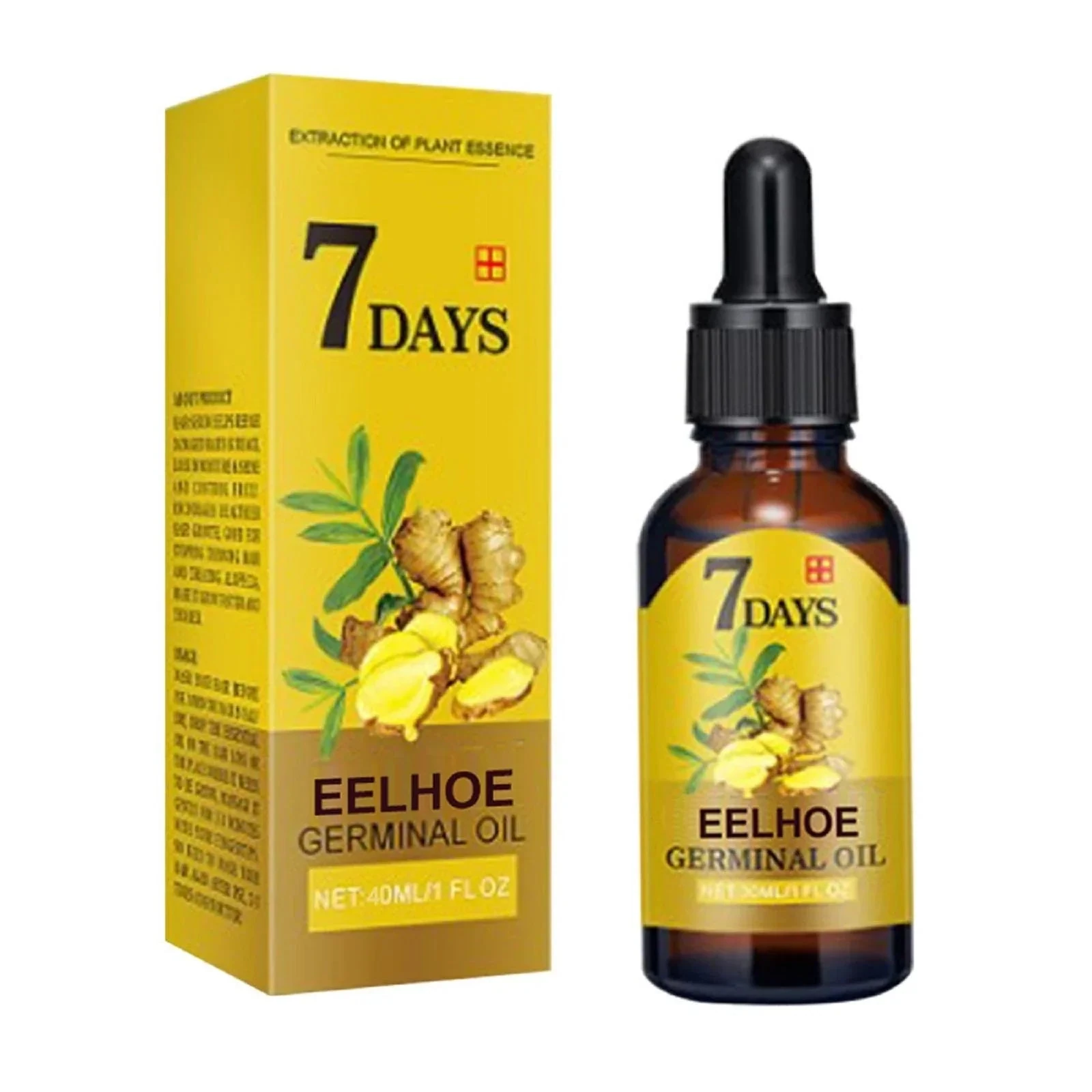
Product details checked October 1, 2026. For a water-based option with glycerin, sodium PCA and panthenol, review 40ml Ginger Hair Tonic for Scalp & Roots.
Quick Comparison: Which Dry-Scalp Option Fits?
Swipe the table sideways to compare all columns.
| Situation | Option to consider | Potential benefit | Watch for |
|---|---|---|---|
| Tight feeling after washing with fine or easily weighed-down hair | Lightweight leave-in scalp serum | Targeted comfort with less noticeable residue | Fragrance or botanicals that irritate |
| Dry-feeling scalp that tolerates richer textures | Oil-serum or scalp oil used as directed | More cushioning and lubrication | Greasy roots, buildup, or worsening symptoms |
| Dry hair lengths but a comfortable scalp | Conditioner or leave-in conditioner on lengths | Softness and reduced friction | Applying a length product directly to the scalp |
| Persistent dandruff, inflamed scale, sores, or marked itching | Clinical or pharmacist-guided care | Correct diagnosis and appropriate treatment | Delaying care while adding cosmetics |
Dry Scalp Is a Symptom, Not One Diagnosis
A scalp can feel dry because of weather, hot water, frequent washing, a harsh product, low humidity, chemical processing, or simple individual variation. Flaking and itching can also occur with dandruff, seborrheic dermatitis, psoriasis, allergic contact dermatitis, eczema, or infection. These conditions are not interchangeable, even when the flakes look similar.
If symptoms are mild and clearly linked to a routine change, simplifying the routine and using a well-tolerated cosmetic serum may help the scalp feel more comfortable. If symptoms persist, spread, become painful, or include thick plaques or hair loss, a dermatologist or other qualified clinician can determine what is happening.
For background on dandruff and seborrheic dermatitis care, see the American Academy of Dermatology and AAD guidance on itchy-scalp causes.
Choose Water-Based Hydration or Oil-Based Conditioning
Choose an optional everyday-care product by the task you need and the formula you prefer. The comparison below concerns cosmetic care, not proof that different products have identical treatment effects. GinGrowth sells the two products below.
Swipe the table sideways to compare all columns.
| Detail | 40ml Ginger Hair Tonic for Scalp & Roots | 30ml Ginger Scalp Oil Serum for Dry Scalp |
|---|---|---|
| Format | Water-based dropper tonic | Oil-based dropper blend |
| Ingredient highlights | Ginger extract, glycerin, sodium PCA and panthenol, alongside aqua, in the product artwork. | Mineral oil, hydrogenated castor oil, olive oil, tocopherol, rosemary leaf oil and ginger root extract in the artwork. |
| Application | Part hair, apply a small amount, massage gently for 2–3 minutes and leave on. Follow the current bottle for frequency. | After washing and drying, apply a small amount and spread gently. Follow the bottle for timing, frequency and rinse instructions. |
| Reason to compare | Choose for a larger dropper format with humectant and conditioning ingredient highlights. | Choose for an oil-based conditioning feel when you tolerate richer textures. |
View 40ml Ginger Hair Tonic for Scalp & Roots or compare 30ml Ginger Scalp Oil Serum for Dry Scalp. Review the current product page for price and package details.
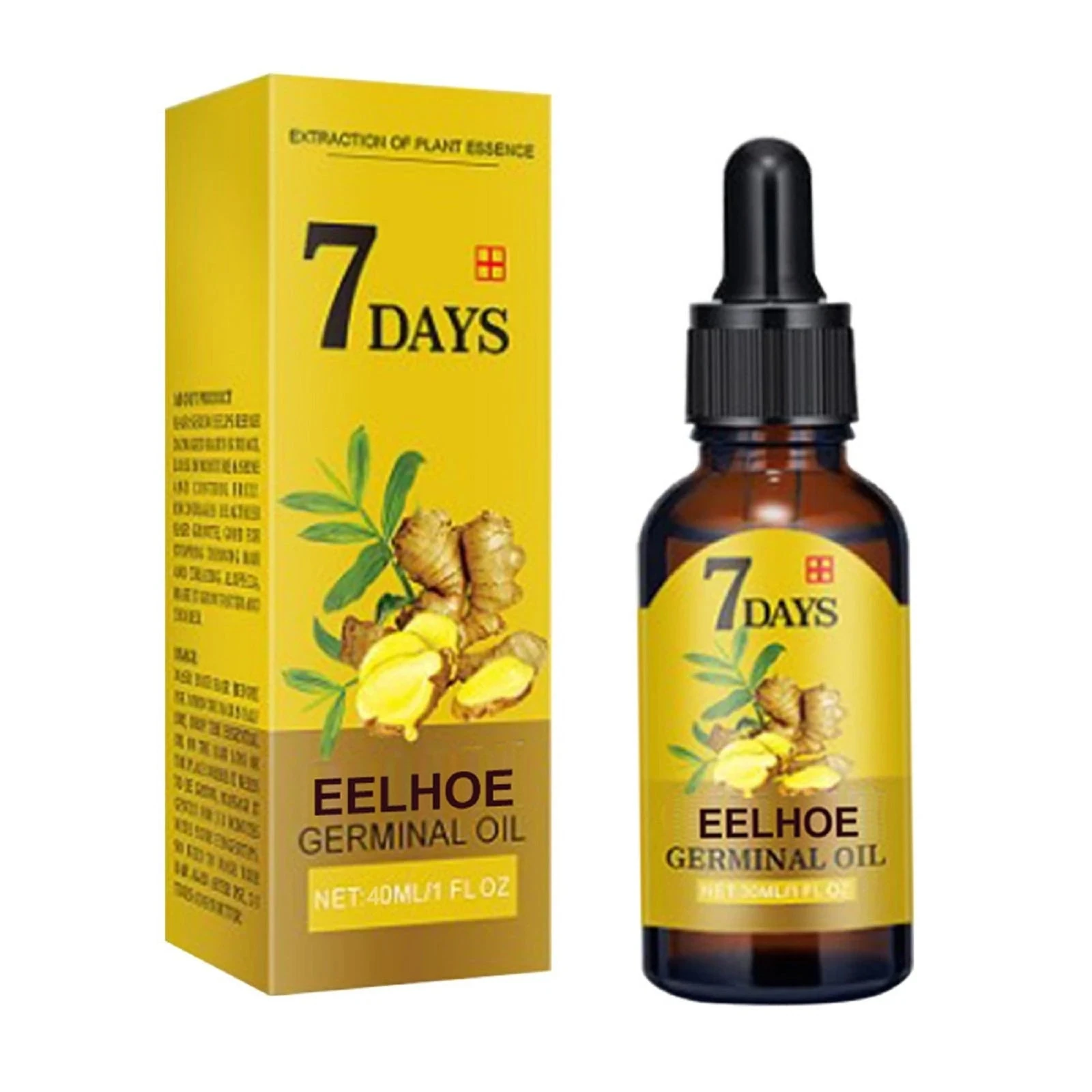
Glycerin and sodium PCA are moisture-binding ingredients, while panthenol is used for conditioning. The highlighted ingredient graphic is not a percentage breakdown. The word tonic describes this product choice; it does not establish a stronger concentration than the smaller essence. Compare the ingredients you prefer and whether direct dropper placement feels convenient in your routine.
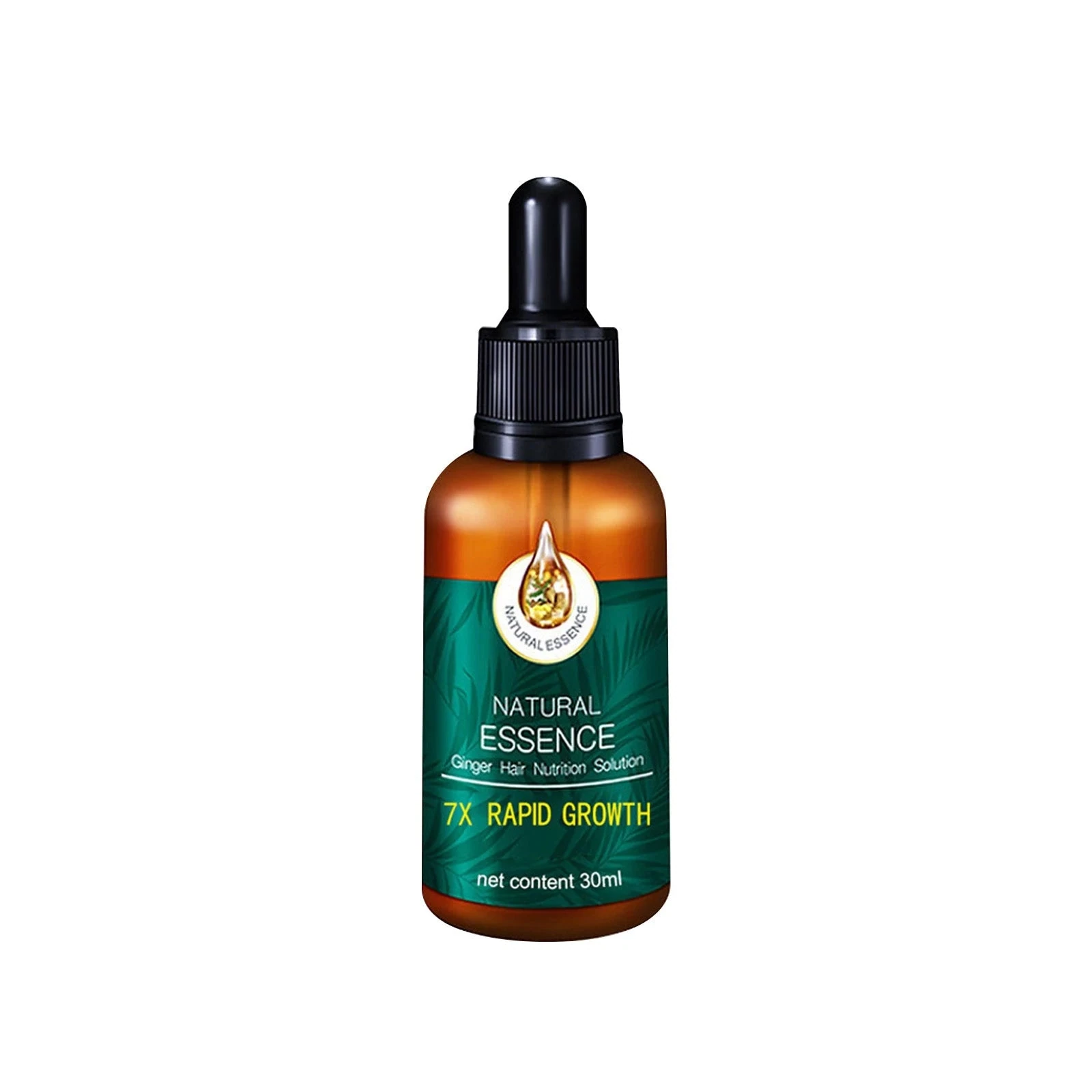
This oil blend gives you a different texture to compare with water-and-humectant formulas. It can feel more noticeable at the roots, so start sparingly and assess residue. The supplied guide does not establish an overnight treatment or a pre-wash soaking time. Botanical oils are still ingredients to check against personal sensitivities, even when you prefer an oil-based care routine.
Leave-In Serum, Oil, Conditioner, or Medicated Product?
For a closer look at two scalp-directed formats, compare a dropper scalp oil and a scalp moisturizer cream by their current directions and placement.
Leave-in scalp serum
For this comparison, the water-based scalp products are designed for direct, targeted leave-in use; scalp serums in other categories can have different rinse instructions. Fluid formulas can be easier to distribute between the hair and may suit people who want less weight at the roots. The exact role depends on the label and finished formula.
Scalp oil or oil-serum
An oil-based format usually feels richer and can reduce friction or support a cushioned feel. It may be more noticeable on fine hair and can create buildup if overapplied. There is no universal rule that every oil helps or harms every dry scalp.
Conditioner
Most rinse-out and leave-in conditioners are intended for the hair shaft, especially the mid-lengths and ends. They can improve dry hair without being suitable for direct scalp application. Follow the product directions rather than assuming a hair moisturizer is also a scalp product.
Medicated dandruff or scalp treatment
A product labeled with an active ingredient for dandruff or another condition serves a different role from a cosmetic serum. Follow the label or clinician's plan for frequency and contact time. A cosmetic leave-in should not be described as an antifungal or anti-inflammatory treatment unless the finished product is specifically supported and regulated for that use.
For the moisture-focused decision, comparing hydrating scalp serums explains humectants, finish and the difference between scalp hydration and length conditioning.
What to Look for in a Dry-Scalp Serum
A comfortable texture
Choose the lightest texture that provides the feel you want. Fine hair or oil-prone roots often work better with a fluid serum. A richer formula may suit someone who tolerates oils and wants more lubrication. Start with a small amount so you can assess residue.
Clear directions
The label should explain whether the product is used on dry or towel-dried scalp, how much to apply, whether it is left in, and how often it is intended to be used. Avoid borrowing a daily schedule from another product.
A complete ingredient list
Humectants such as glycerin or sodium PCA can support a hydrated feel, while conditioning ingredients such as panthenol can support softness. Botanical extracts and oils shape the sensory profile but can irritate some users. “Natural” and “clean” are not guarantees of tolerance.
Fragrance awareness
Fragrance and aromatic essential oils can trigger contact dermatitis in susceptible people. If you have a sensitive scalp or a history of fragrance reactions, favor transparent formulas and ask a dermatologist what to avoid.
Realistic claims
Avoid relying on promises to eliminate flakes in a fixed number of days, repair the scalp barrier instantly, or treat every cause of itching. A moisturizing cosmetic can support comfort and a hydrated feel. A finished product may have additional supported benefits, but those claims need their own evidence; it cannot diagnose why the scalp is flaky.
If finish is the main purchase question, choosing a lightweight dry-scalp serum compares lighter moisture with a richer oil feel and practical daily use.
Current GinGrowth Options
The 40ml tonic is the water-based choice when glycerin, sodium PCA and panthenol match your moisturizing-care preference. The 30ml oil serum is the richer texture choice when you prefer oil-based conditioning. Both are shown with current product details above.
For the oil serum, the current application graphic shows washing and drying followed by a small amount and gentle spreading. It does not establish overnight use, a fixed soaking period or a universal rinse rule. Follow the bottle for those details. Choose this format because you want its texture, not because oil is automatically a better answer to flakes.
How to Apply a Leave-In Scalp Serum
- Read the directions. Confirm whether the product is intended for dry or towel-dried scalp and how frequently it should be used.
- Start with a calm, intact scalp. Do not apply a standard cosmetic to open, infected, sunburned, or actively inflamed skin.
- Part the hair. Create several sections so the applicator reaches the scalp rather than coating the hair.
- Use a small amount. Apply only enough to cover the intended areas according to the label.
- Distribute gently. Use clean fingertips and avoid scratching with fingernails.
- Let it absorb. Wait before adding styling products and keep other products mainly on the hair lengths when appropriate.
- Monitor the response. Stop if burning, redness, itching, or flaking clearly worsens.
Build a Simple Dry-Scalp Routine
Cleanse without overcorrecting
Use water temperature and wash frequency that leave your scalp comfortable. Very hot water and aggressive scratching can worsen a tight or irritated feel. A heavily clarifying routine may be unnecessary unless you are managing genuine buildup.
Keep conditioner on the correct area
If the hair lengths are dry, use conditioner where the label directs, commonly from the mid-lengths to ends. This allows you to support dry hair without layering a rich product on the scalp by default.
Add one scalp product at a time
Introduce the serum separately from a new shampoo, oil, or styling product. This makes a reaction easier to identify. Patch testing a limited area can reduce risk but cannot guarantee that irritation will never occur.
Adjust for weather and styling
Indoor heating, dry air, sun exposure, tight hairstyles, color processing, and heat styling can change scalp comfort. Adjust the routine rather than assuming one frequency must work year-round.
For an example within one brand, the Dove Derma Scalp product comparison separates Barrier Repair moisture care from Density Boost positioning.
Common Mistakes to Avoid
- Assuming every flake means dryness: dandruff and inflammatory conditions may need different care.
- Applying too much serum: excess can coat the roots and make symptoms harder to evaluate.
- Using several new products together: this obscures the cause of improvement or irritation.
- Scratching before application: damaged skin may sting and is more vulnerable to irritation.
- Choosing by a single botanical: tolerance depends on the complete formula.
- Following a guaranteed timeline: improvement depends on the cause, not just consistency.
When to Seek Medical Care
Arrange an evaluation if scalp symptoms persist despite a gentle routine, repeatedly disturb sleep, or cause significant distress. Seek prompt care for spreading redness, pus, severe pain, fever, open sores, marked swelling, thick plaques, scarring, or patchy hair loss. Infants, children, pregnant people, and anyone with impaired immunity should get individualized advice before using highly active or medicated products.
Frequently Asked Questions
What is the best serum for dry scalp?
The best cosmetic option is one with a tolerable texture, transparent ingredient list, clear directions, and realistic claims. Lightweight formulas may suit fine hair, while richer formulas may suit people who prefer more cushioning.
Can I use a hair serum on my scalp?
Only if the product is labeled for scalp application. Many finishing serums are designed for the hair lengths and may create unwanted buildup at the roots.
How often should I use scalp serum?
Follow the individual product directions. Start cautiously if your scalp is sensitive and do not increase frequency in an attempt to treat unexplained symptoms.
Should I apply leave-in scalp serum before or after washing?
Use the timing stated on the label. Many leave-in products are applied after washing to dry or towel-dried scalp, but that is not universal.
Is dry scalp the same as dandruff?
No. The symptoms can overlap, but dandruff is commonly associated with seborrheic dermatitis and may respond to products different from a simple moisture-focused routine. A clinician can help when the distinction is unclear.
Can I combine a cosmetic serum with medicated shampoo?
Possibly, but follow the medicated product instructions and introduce only one cosmetic change at a time. Ask a clinician or pharmacist about timing if you use prescription treatment or have an active flare.
How quickly should a dry scalp serum work?
There is no reliable universal timeline. You can assess immediate comfort and residue, but persistent or worsening symptoms should be evaluated rather than managed by repeatedly changing cosmetics.
Choose Your Next Step
The best serum for dry scalp fits your texture preference, has a clear ingredient list, and supports comfort without pretending to treat every cause of flakes or itching. Use a small amount on intact skin, introduce it separately, and seek professional care when symptoms suggest more than simple dryness.
Prefer water-based moisturizing care over an oil texture? Review the 40ml tonic.
Sources and Product Information
- American Academy of Dermatology: 10 reasons your scalp itches — Causes and corresponding care, accessed October 1, 2026.
- American Academy of Dermatology: How to treat dandruff — Product-specific directions and hair-type considerations, checked October 1, 2026.
GinGrowth product details were checked October 1, 2026. This guide compares published information and current product specifications; it does not report a GinGrowth clinical trial or personal use test.