
Massage cream and massage oil can both help hands move comfortably over body skin. Choose a cream when you prefer a scoopable portion and a conditioning layer; choose an oil when you want a fluid texture you can spread a little at a time. The finished formula, the area you want to care for and how you prefer to dispense and finish the product are more useful than treating either format as universally better.
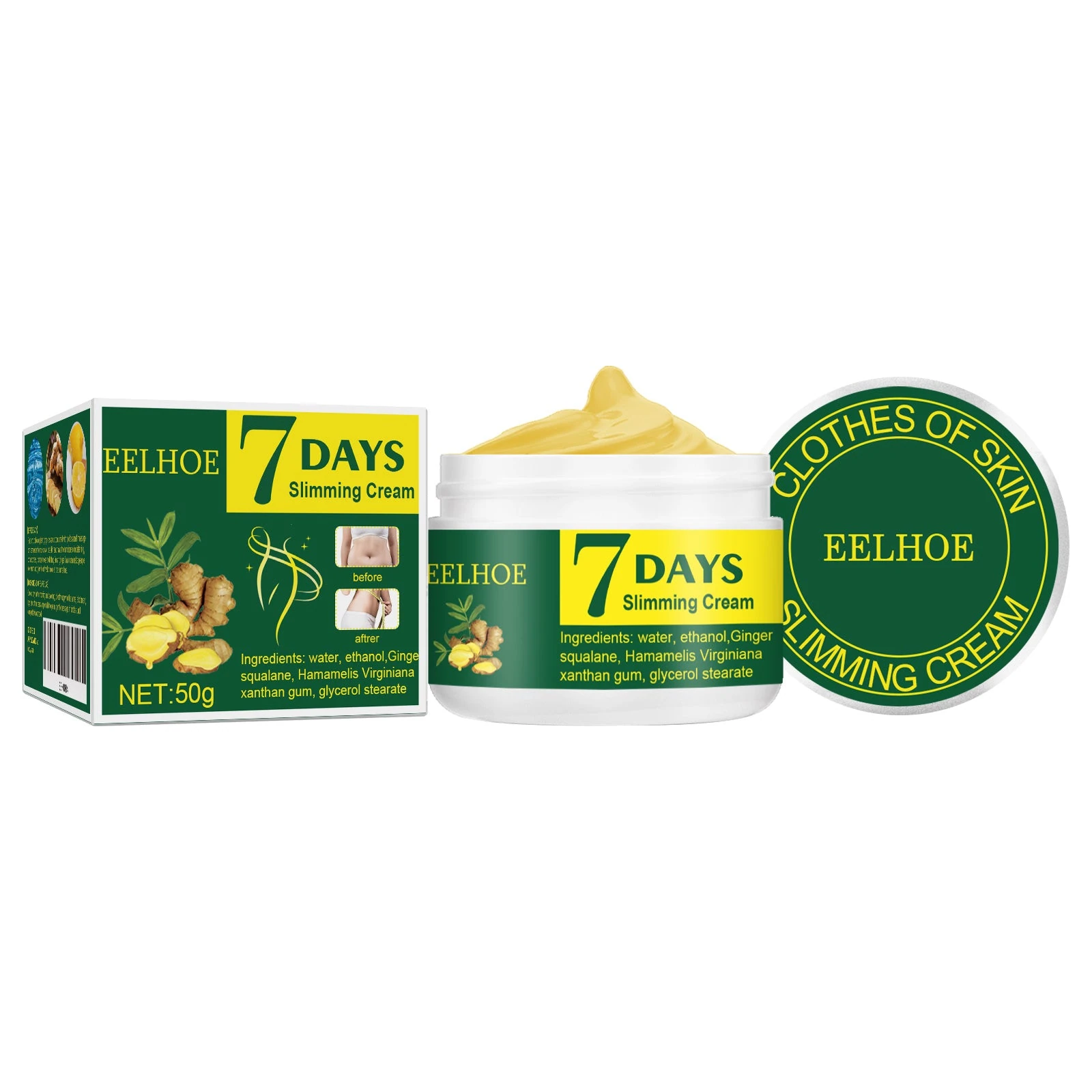
This guide compares two current EELHOE products sold by GinGrowth: a green 50g ginger body cream and a 70ml pump bottle of ginger body massage oil. The cream comes with a waist-focused massage guide; the oil offers a fluid body-care format. We compare their actual labels and methods rather than claiming to have measured glide time or clinical outcomes.
Massage cream vs oil: start with the handling difference
A cream stays together as a scoopable portion before you spread it. An oil flows more readily and can be dispensed into the palm from a pump. Both require an amount that lets your hands move comfortably without creating unnecessary excess. The right portion depends on the product and area, so neither listing supplies a universal dose for every body routine.
Think about where you want to focus. A small area around the waist, an arm and both legs are different tasks. You may enjoy placing cream on one area before following a short sequence, or prefer adding a little oil as your hands move. Those are useful choices you can make without assuming one product penetrates deeper or produces faster body changes.
On a small screen, swipe or scroll the table sideways to compare all columns.
| Detail | Green ginger body cream | Body massage oil |
|---|---|---|
| Format | 50g scoopable green jar | 70ml pump bottle |
| Ingredient highlights | Ginger, squalane and witch hazel; ethanol also listed | Mineral oil, castor oil, ginger root extract and tocopherol |
| Application | Small amount on clean external body skin | Small amount on clean, dry external body skin |
| Routine emphasis | Five-step waist guide; other body areas also illustrated | Fluid spreading one body area at a time |
| Finish | Allow cream to settle before dressing | Allow oil to settle; wipe away excess before dressing |
| Choose for | Portioning cream and a structured waist-care sequence | Pump dispensing and a fluid oil texture |
| Not established | Comparative glide time or body-measurement results | Comparative glide time or clinical treatment results |
The package sizes use different units: 50g for the cream and 70ml for the oil. This is not a direct count of massages. We have no measured portions or cost-per-session figures for either example. Compare current prices and packaging on the product pages, while considering the area and frequency of your own suitable routine.
Choose the green cream for a focused conditioning step
The green EELHOE ginger body cream is a 50g jar with water, ethanol, ginger, squalane, Hamamelis virginiana, xanthan gum and glyceryl stearate transcribed from its packaging. Its cosmetic focus is softer, smoother and firmer-looking body skin through cream application and massage.
The listed squalane is a concrete ingredient difference to consider when comparing formulas. The cream's illustrated guide organizes waist care into spreading, up-and-down, inward, downward and side-waist movements. That may suit someone who wants an easy sequence to follow rather than simply rubbing product over an undefined area.
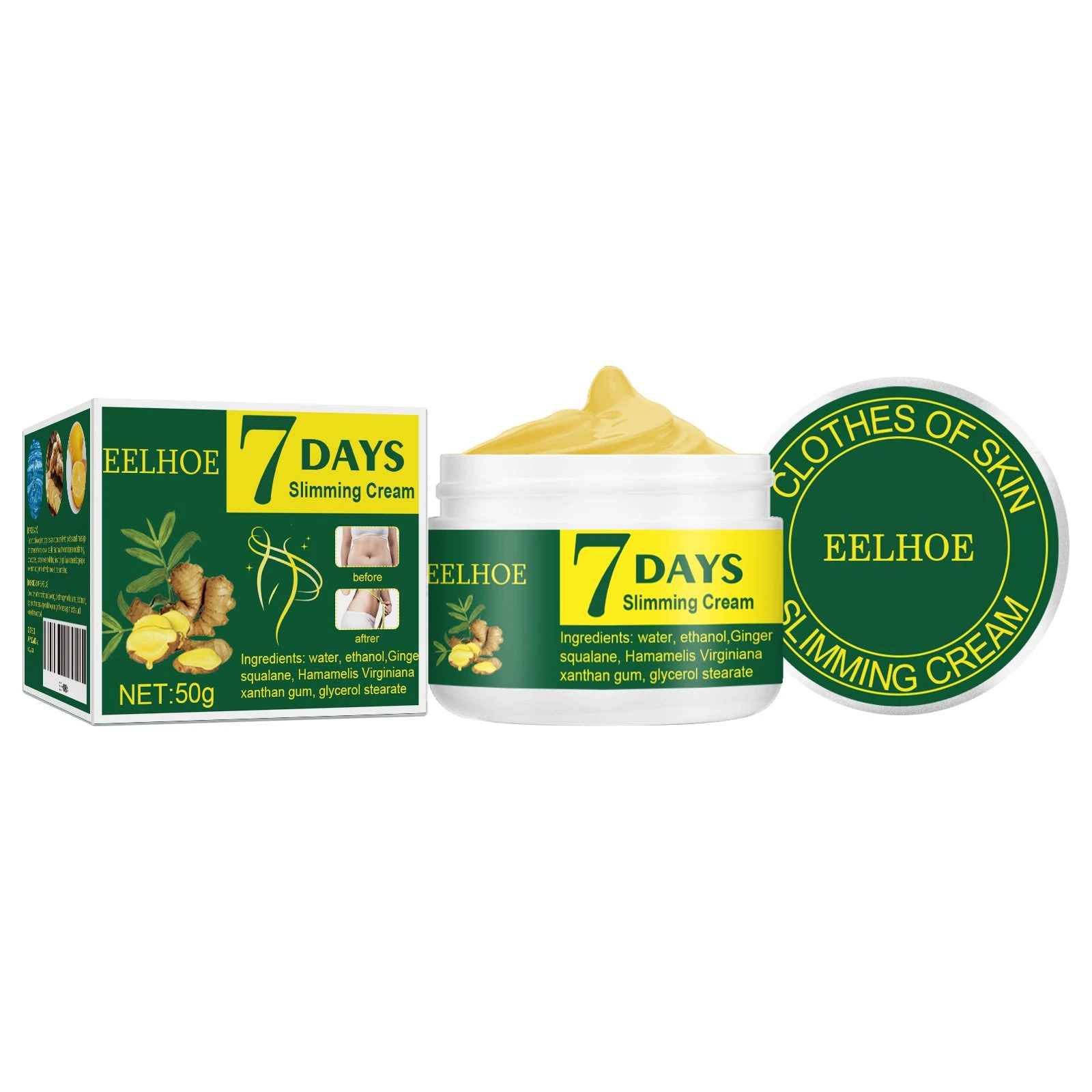
The same product materials also illustrate calves, thighs and arms. Use gentle, comfortable pressure and follow the appropriate area guide. The cream's green jar says “7 DAYS Slimming Cream,” but the name is not a personalized timetable for a change in measurements. This comparison focuses on the supported cosmetic role and handling method.
Choose the pump oil for fluid body-massage glide
The 70ml EELHOE body massage oil is a blended formula, with mineral oil and castor oil among its main highlights. Ginger root extract, tocopherol and other botanical oils appear in the ingredient panel. It is not a bottle of pure ginger essential oil to dilute or a lathering cleanser for the shower.
A pump lets you take a small portion into your palm, spread it over one body area and add more only if your hands need it. The current product method uses clean, dry external body skin, gentle massage and time for the oil to settle. Wipe away excess before dressing rather than leaving an unnecessarily heavy coating.
Choose this format when a fluid texture appeals more than a scoopable cream. The 70ml pump is also different from the separate compact 10ml ginger massage-oil bottle. Check the package and size instead of assuming every ginger oil in the store is the same product or intended for the same application area.
What can the ingredient lists tell you?
For the oil-specific evidence and formula differences, read what benefits to expect from a ginger massage oil blend.
The cream and oil have distinct bases. The green cream highlights squalane and witch hazel, while the oil identifies mineral and castor oils with ginger extract. These are useful facts for choosing between disclosed formulas, especially if you already know which ingredients you prefer or avoid.
They do not establish the exact feel on every person's skin. We have no controlled comparison of spreadability, absorption time or the amount needed for a session. A product labeled oil is not necessarily a pure plant oil, and a product labeled cream is not automatically fragrance-free or suitable for extremely dry, reactive skin.
The American Academy of Dermatology's dry-skin guidance recommends gentle, fragrance-free care and notes that alcohol-containing products may irritate dry skin. Because ethanol appears on the green cream's label, someone with very dry or sensitive skin should consider that rather than treating the cream format as an automatic recommendation. General moisturizer advice is not an endorsement of this particular formula.
Use enough slip without relying on stronger pressure
Begin with clean external body skin and a small amount. Spread the product before increasing the movement of your hands. If the skin drags, pause and reassess the amount and technique rather than pushing harder. Comfortable pressure is part of the method for both current products.
For the green cream's waist routine, the illustrated sequence moves up and down over the front of the abdomen, inward from the sides, downward over the lower abdomen and along the sides of the waist. Treat this as an organizational guide for cosmetic self-care, not an instruction for deep-tissue treatment or forceful pinching.
- Start with the appropriate clean body area and a small portion.
- Spread gently so hands move comfortably without dragging.
- For the cream, follow the illustrated waist or body-area guide; for oil, work one area at a time.
- Keep pressure comfortable and stop on pain or irritation.
- Allow the product to settle; for the oil, remove excess before dressing.
For the pump oil, work over one area at a time and keep the amount manageable. Allow it to settle and remove excess before dressing. Keep product off the floor and clean spills so a slippery surface does not become part of the routine. The correct finish is comfortable skin and a manageable residue level, not a competition to use more product.
Do cream and oil belong before or after washing?
These examples belong after washing. They provide massage glide and conditioning on external body skin; they do not replace a rinse-off cleanser. If you are choosing the shower step, our bar soap vs body wash guide compares the solid and liquid cleansing formats separately.
A scrub is another distinct step. Our body-scrub guide covers gentle exfoliation and finishing with moisturizer. Do not automatically combine a strong scrub and a prolonged massage on skin that already feels tender. Each addition changes the total amount of handling your skin receives.
If you prefer a routine with only a cleanser and one leave-on product, keep it that simple. There is no requirement to use cream and oil together. Choosing one format makes it easier to judge portion size, comfort and the finish before adding anything else.
Cosmetic skin care and massage therapy are different claims
Massage can be part of a personal care ritual, but research on massage therapy does not prove that a particular cream or oil treats pain or a medical condition. The National Center for Complementary and Integrative Health explains that evidence varies by condition and study, and advises against using massage to postpone medical care.
The practical product benefits discussed here are glide, skin conditioning and a softer or smoother-looking surface. We have not established that either formula drains lymph, removes fat or treats swelling. Product names and promotional images do not turn those outcomes into verified facts about your own use.
If you have pain, an injury, an unexplained swollen area or a health condition that affects whether massage is appropriate, ask a qualified professional. Do not increase pressure or apply more product in an attempt to solve a problem that needs assessment. An ordinary cosmetic routine should remain within its intended use.
Make the choice with a short checklist
Choose the green cream if you want a scoopable 50g formula, its squalane-and-witch-hazel profile fits your preferences and the waist-focused guide helps you organize the routine. Compare the oil if you prefer fluid spreading, pump dispensing and a mineral-and-castor-oil blend for body massage.
Before buying, check the complete ingredient list, the illustrated areas and the finishing method. If you dislike residue on clothes, pay particular attention to portioning and allowing the product to settle. If a formula has bothered your skin before, packaging convenience is not enough reason to ignore that experience.
The product pages linked above show the current pack, price and purchase options. They are the next step for a shopper ready to match a specific formula to their routine. This guide provides the comparison; the product page remains the place to choose the actual cream or oil.
Frequently asked questions
Is massage oil always longer-lasting than cream?
Not enough information is available to make that claim about these products. Formula, amount, skin and technique affect how the layer behaves. We have no timed glide test, so choose by disclosed format and adjust portioning according to the directions.
Can I use body massage oil on my scalp?
Do not assume that a body oil is interchangeable with a scalp product. This 70ml listing is for external body massage. Follow the intended area and compare a separately identified hair or scalp product if that is your goal.
Is the green cream the same as the yellow body cream?
No. The green 50g jar highlights ginger, squalane and witch hazel. The separate yellow jar highlights glycerin, mineral oil and ginger root oil. Both are creams, but their formulas and illustrated routines differ.
Do I have to use both cream and oil?
No. They are alternative textures for the decision discussed here. Start with the one whose formula and handling fit your needs, rather than layering both simply because they share ginger in their names.
Sources and product information
AAD guidance supports the discussion of dry-skin product choice; NCCIH provides the distinction between massage research and medical claims. Product facts, photographs and current directions were checked October 15, 2026. GinGrowth sells both examples. No original clinical trial, comparative wear test or customer outcome is represented.