
A face balm and a face cream can both be moisturizers. The useful choice is how the finished formula fits your skin and how you prefer to apply it. A stick places balm directly on selected facial areas before you blend it; a cream is dispensed into your hands and spread. Choose by ingredients, application and comfort, rather than assuming that a solid product always moisturizes more or that a cream is always lighter.
This guide compares two current EELHOE products sold by GinGrowth: a 15g turmeric facial balm stick and a 30g bottled turmeric face cream. We explain their real differences without claiming a head-to-head wear test. If your main need is direct placement on dry-feeling areas, start with the stick. If you want a measured, even moisture layer before makeup, consider the bottled cream.
Face balm vs face cream: what actually changes?
The first difference is the route from the package to your face. With the stick, remove the cap, expose a little balm and move the product across clean, dry facial skin. Then blend gently with your fingertips. With the cream, take the directed amount into your palm and spread it outward across the face. Both examples stay on after application.
That difference can matter more than the name. Someone who likes placing product on a few dry-feeling patches may find the stick convenient. Someone who already applies facial care with their hands may prefer spreading a small portion of cream. Neither handling preference establishes better hydration for every person. The formula and the amount applied remain part of the decision.
On a small screen, swipe or scroll the table sideways to compare all columns.
| Detail | 15g facial balm stick | 30g bottled face cream |
|---|---|---|
| Format | Twist-up stick; direct placement | Bottled cream; spread from the palm |
| Highlighted ingredients | Turmeric extract, glycerin, beeswax (cera alba) | Glycerin, mineral oil, niacinamide, turmeric and tea tree leaf oil |
| Current amount guidance | Twist up a small amount; apply lightly | Pea-sized amount |
| Routine | Clean, dry face; blend; leave on | After cleansing; spread evenly; massage until absorbed |
| Reason to explore | You prefer applying directly to facial areas | You prefer a measured pre-makeup moisture layer |
| Not established | SPF or comparative hydration duration | SPF or comparative makeup wear |
A product can also look like a balm without belonging to the same routine. A cleansing balm is massaged and rinsed away; a mask stick has its own contact time and removal instructions. The product in this comparison is a leave-on facial balm. Check that role before comparing ingredients, especially when several products have similar turmeric packaging.
Choose the facial balm stick for direct placement
The EELHOE facial balm stick contains 15g and highlights turmeric root extract, glycerin and beeswax, listed as cera alba. Its current purpose is moisture care for dry-feeling facial areas. The solid format lets you place a light layer where you want it and blend afterward, without first scooping from a jar.
A practical example is a routine in which your cheeks feel dry but you do not want another thick layer everywhere. You can apply lightly to the areas that need attention, then spread the balm so the finish feels even. This is a way to control placement, not a promise that the formula will suit every skin type or layer perfectly over every makeup product.
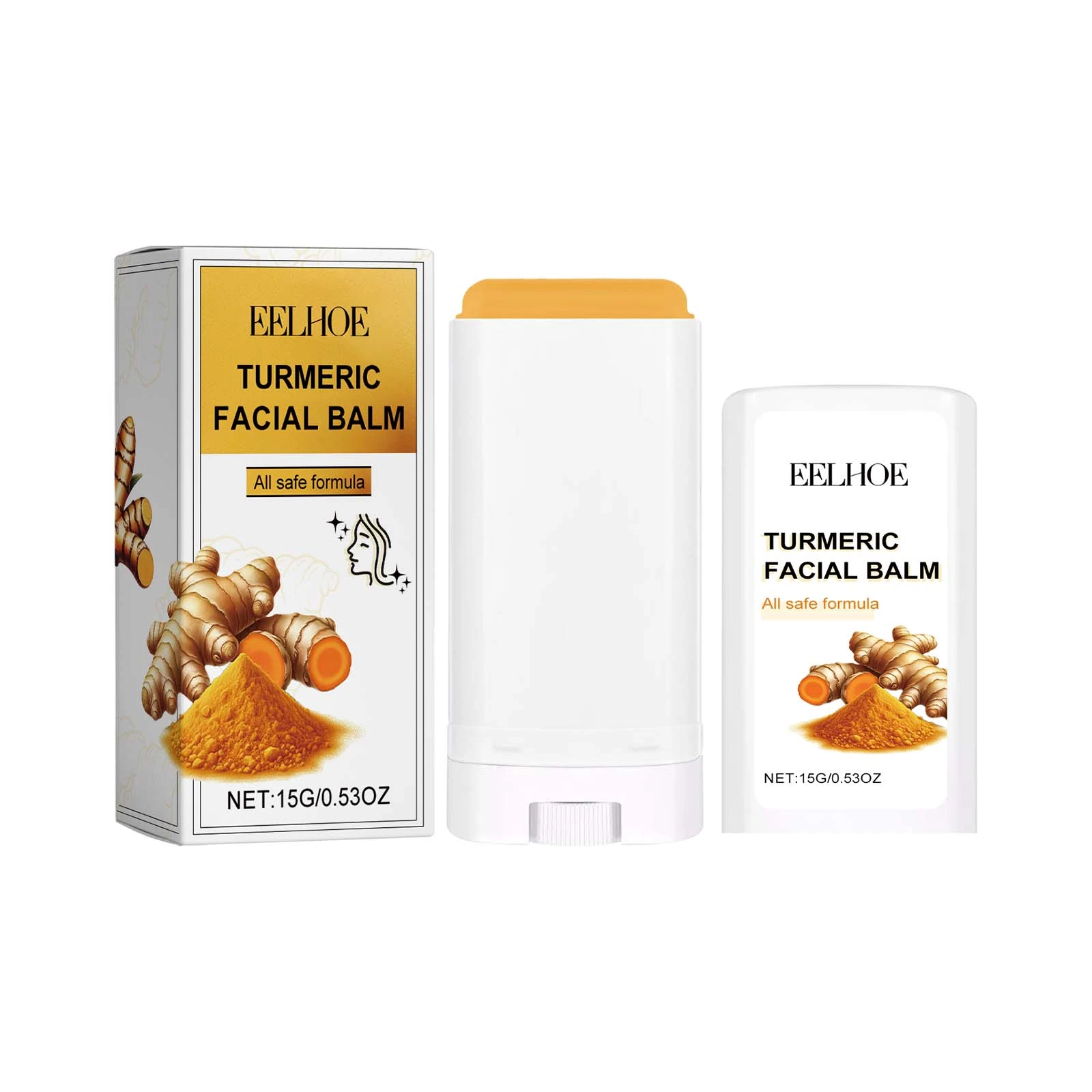
Keep the stick capped between uses and follow the clean-skin method. A compact package is useful only if its application fits your routine. If you prefer putting all products into your palms first, the cream may feel more familiar. If you are avoiding beeswax, the ingredient listing gives you a concrete reason to compare another formula before buying.
Choose the bottled cream for an even pre-makeup layer
The second example is a 30g silver-capped bottle of turmeric face cream. It highlights glycerin, mineral oil and glyceryl stearate for moisture care, with niacinamide, turmeric extract, tocopherol and tea tree leaf oil also listed. Its current directions call for a pea-sized amount after cleansing, spread evenly and massaged until absorbed.
This format fits someone who wants to portion cream in the palm and distribute it across the face before foundation. Begin with the listed amount, let the layer settle and judge how it works with the products you already use. The cream is a moisture step; it is not presented here as a tested makeup primer or a guarantee against pilling.
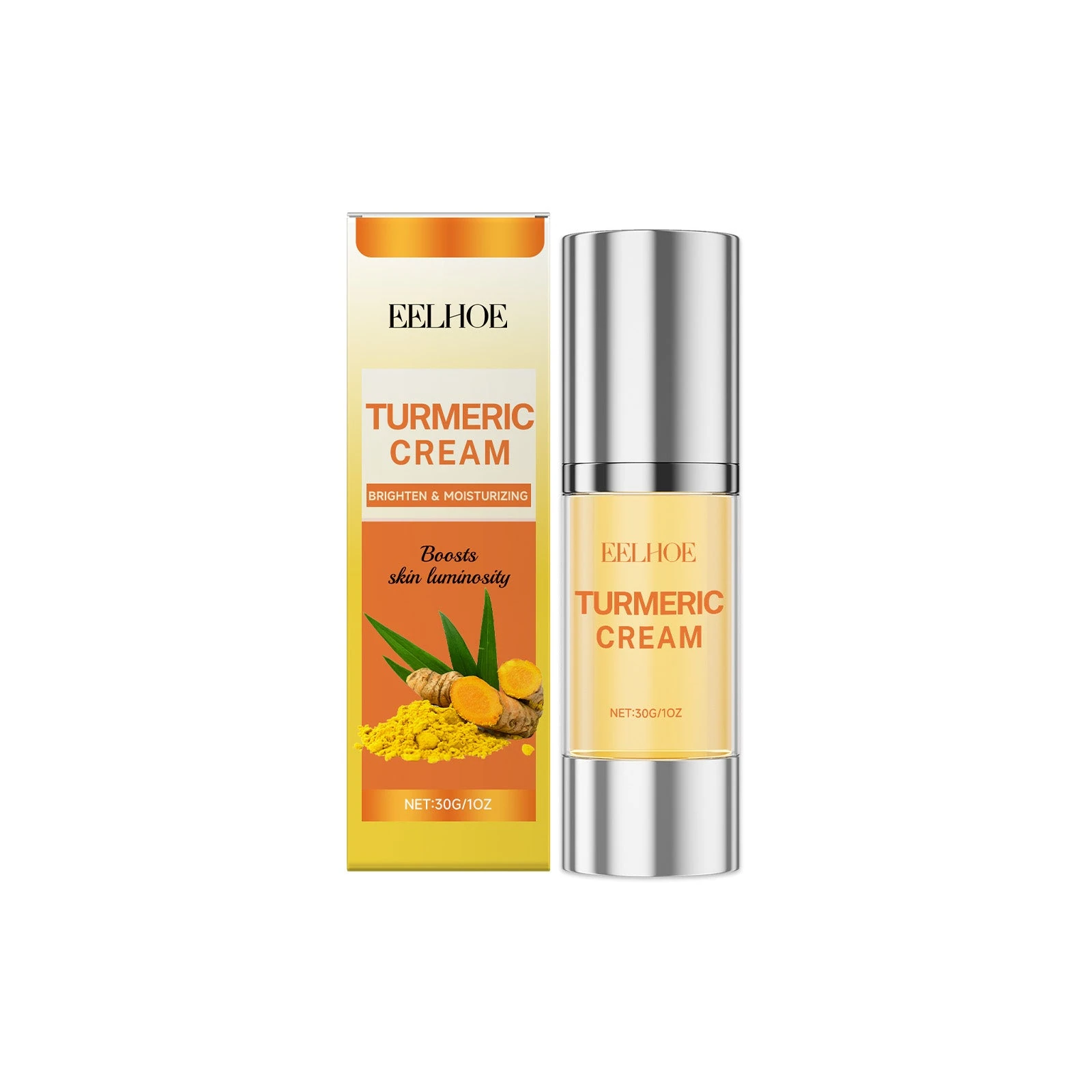
Do not confuse this bottle with the separate jar moisturizer in the store. Similar names do not mean identical ingredient lists. This comparison specifically concerns the 30g bottled cream and the 15g facial balm. The product page lets you match the package, ingredients and directions to the exact item you intend to order.
Compare ingredients as a complete formula
Glycerin appears in both examples, but shared ingredients do not make the products interchangeable. The stick also highlights beeswax, while the cream includes mineral oil and niacinamide among its listed components. The relative amounts and finished textures are not provided as a laboratory comparison, so the lists cannot tell you precisely which leaves a heavier film or lasts longer on your skin.
The American Academy of Dermatology's dry-skin guidance identifies creams and ointments as useful moisturizing formats and lists ingredients including glycerin and mineral oil. It also recommends gentle, fragrance-free products for dry, sensitive skin. That general advice is useful context, not an endorsement of either turmeric product.
If you have previously reacted to a botanical ingredient, fragrance or a particular formula, read the complete package rather than relying on turmeric as a reassuring label. Likewise, a stick is not automatically an oil-free product, and cream is not a guarantee of a particular pH. Choose with the information actually available and seek advice if persistent irritation makes ordinary moisturizing uncomfortable.
How to apply a facial balm stick or cream
For a comfortable layer and practical pilling checks, see how much face moisturizer to apply.
Start by identifying the product and finishing your cleansing step. The current balm guide specifies clean, dry facial skin. Twist up a small amount, apply a light layer away from the eyes, blend gently until absorbed and recap. There is no rinse step in that method, and there is no need to borrow a mask's waiting period.
For the bottled cream, cleanse and dry the face, warm a pea-sized amount in your palm and spread outward from the center over the forehead and cheeks. Keep it out of the eyes and massage gently until absorbed. Allow the layer to settle before continuing with makeup or another compatible step.
- Finish cleansing and identify the exact leave-on product.
- For the stick, expose a little balm, apply away from the eyes and blend gently.
- For the cream, warm a pea-sized amount in the palm and spread outward over the face.
- Allow the product to settle, recap or close it and continue appropriate daytime protection.
The purpose of these steps is comfortable, even coverage. Applying more because a product feels pleasant can make it harder to assess how it behaves with the rest of the routine. If your face feels irritated, adding another layer is not the answer. Stop the new product and review what changed rather than repeatedly switching between balm and cream in the same session.
Where do toner, serum and sunscreen fit?
A moisturizer normally comes after cleansing and any optional leave-on steps that belong earlier in your routine. If you are deciding whether toner and serum are both useful, our toner vs serum comparison handles that question separately. You do not need to buy every category before choosing a facial moisturizer.
Neither of these two products has an established SPF rating in the current information. Keep a separately labeled sunscreen in your daytime routine. The AAD recommends broad-spectrum, water-resistant SPF 30 or higher along with other sun protection measures; a yellow botanical label does not establish UV protection.
For a mask day, follow the mask's removal instructions before the leave-on portion of the routine. Our turmeric face-mask guide explains the rinse-off task. Do not use the facial balm's leave-on method for an orange clay-mask stick simply because both packages twist up.
Make the choice with three practical questions
Before applying an older cream, review moisturizer expiry, storage and unexpected changes. Product age and makeup-layering performance are separate checks.
If your choice is a lighter lotion or a cream, use the face cream vs lotion comparison to check texture and formula.
First, where do you want to place the product? Direct placement favors the stick, while palm-to-face spreading favors the cream. Second, which disclosed ingredients fit your preferences and past experience? That question is more useful than asking whether every balm is richer than every cream. Third, does the product fit the steps you already perform consistently?
For focused facial moisture with a capped stick, explore the 15g balm's current details. For a small, even layer before makeup, compare the 30g bottled cream. Check the actual price, package and purchase options on the corresponding page. The sizes use the same unit but differ in amount; we have no measured cost-per-application data for either product.
Frequently asked questions
Can a face balm replace face cream?
It can serve as your moisturizing step if its directions, formula and finish fit your needs. These two products are both leave-on options. You do not automatically need to layer them together, and choosing one format does not establish that it will outperform the other for everyone.
Is a facial balm stick the same as lip balm?
No. This 15g product is identified for facial skin, with instructions to avoid the eyes. Follow the intended area on the package rather than moving it to lips or other areas because it resembles a familiar balm container.
Does a thicker texture mean stronger ingredients?
Texture does not reveal active concentrations. Ingredient percentages and comparative clinical results are not supplied here. Choose by the disclosed formula and routine role, then assess comfort instead of treating thickness as a strength scale.
Do I rinse either product off?
The current directions for both examples finish with gentle massage until absorbed. They are leave-on moisture steps. A cleansing balm and a clay mask follow different methods and should be identified separately.
Sources and product information
General dry-skin advice comes from the American Academy of Dermatology guidance linked above. Product sizes, ingredient highlights, photographs and application directions were checked against current GinGrowth listings on October 15, 2026. GinGrowth sells the examples; this guide reports product facts and a selection framework, not original testing or dermatological endorsement.