
To patch test skincare at home, first check the full label and whether the product is appropriate for you, then try a normal-use amount on a small area of intact skin. The American Academy of Dermatology describes applying a new product twice daily for 7–10 days on the underside of the arm or bend of the elbow. Follow the product’s rinse-off or leave-on directions, and stop if a reaction develops.
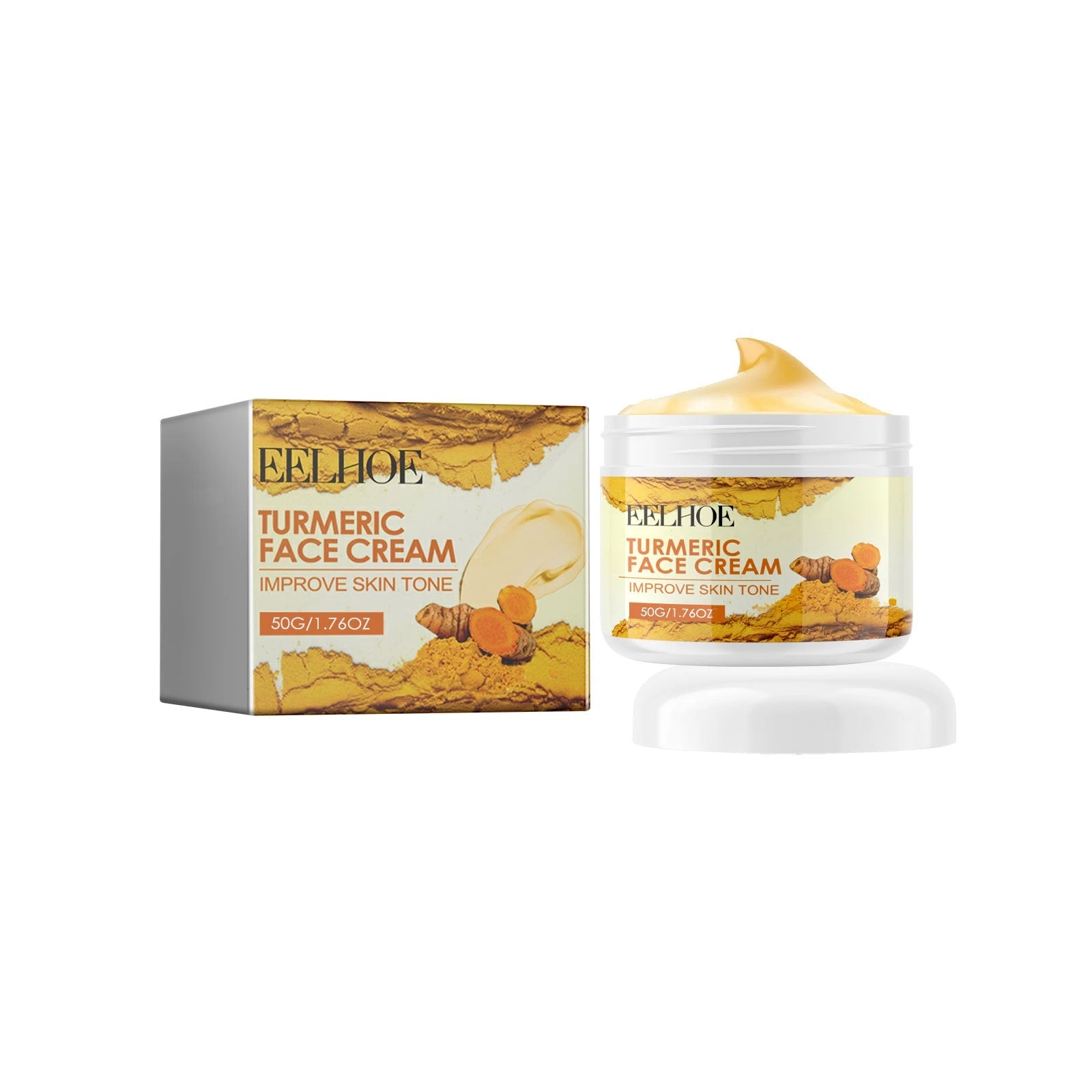
A home product trial is not the same as dermatologist-led allergy patch testing. It cannot guarantee future tolerance or identify an allergen. Do not deliberately test a known allergen or experiment on an active rash. GinGrowth sells the featured moisturizer, which is used below to illustrate a leave-on product check rather than a promise of compatibility.
Before testing, decide whether a home trial is appropriate
Read the complete ingredient list and directions for the exact product you have. If you have a known allergy to an ingredient, avoid that exposure according to your medical advice; do not use a small test to try to overturn the avoidance recommendation. If your skin is currently broken, inflamed or reacting, postpone a new cosmetic trial on the affected area.
The AAD’s guide to testing a skin-care product explains that even products selected for your skin type can irritate your skin. A small-area trial helps you observe how you respond before using a product more widely. It is a practical precaution, not a substitute for reading the label or seeking help for repeated reactions.
If the product is a medicine, a professional peel or another item with specific testing instructions, follow those instructions and your clinician’s advice. The method in this guide is about introducing ordinary cosmetics. Do not extend it automatically to hair dye, strong treatments or products intended for a different body area.
On a small screen, swipe or scroll the table sideways to compare all columns.
| Situation | Home trial appropriate? | Next step |
|---|---|---|
| New cosmetic, intact calm skin, no known conflicting allergy | May help observe tolerance | Follow the small-area method and product directions |
| Known allergy to an ingredient | No deliberate exposure | Choose a compatible product with professional guidance |
| Current rash, broken skin or irritation | Not on the affected skin | Pause the new product and address the reaction |
| Repeat unexplained reactions | Not a diagnostic substitute | Ask about dermatologist-led assessment |
| No reaction during a home test | Useful but limited observation | Introduce cautiously; later reactions remain possible |
Where to patch test skincare at home
The AAD suggests a quarter-sized spot where the product will not be rubbed or washed away immediately, such as the underside of the arm or the bend of the elbow. Use intact, calm skin. Pick one identifiable area and record it so you can observe the same site without confusing the trial with unrelated marks or irritation.
Do not start with the eyelid, lash line or an irritated facial patch merely because the product will eventually be used on the face. A trial site should allow a controlled observation without expanding a product’s permitted use. The skin at different sites can respond differently, so an uneventful arm trial is not proof that the face will never react.
Avoid improvising an airtight covering or taping on a generous layer. A home use trial should follow normal product instructions, not imitate the controlled chambers used in medical patch testing. Covering or extending exposure can change how a product behaves and makes the result less representative of intended use.
How long to patch test skincare
The AAD method uses twice-daily application for seven to ten days. A single overnight check is not the same observation period. Keep the product’s own directions in force: do not increase application frequency beyond a specific label restriction just to copy a general method. Ask for advice if the instructions do not fit the proposed trial.
- Read the complete label and confirm that a home test is appropriate for you.
- Choose a small intact area on the underside of the arm or the bend of the elbow.
- Apply a normal-use amount to the small area, following the product’s leave-on or rinse-off instructions.
- AAD guidance describes repeating twice daily for 7–10 days; do not exceed a product’s directions.
- Stop and wash off if irritation develops; seek medical advice for concerning or persistent symptoms.
For a rinse-off cleanser, follow its contact-time and rinsing directions. The AAD discusses leaving a wash-off product on for five minutes or as long as its instructions say; a product-specific shorter limit takes priority. Do not leave a cleanser on overnight or treat a rinse-off mask as a cream simply to make the test feel more thorough.
For a leave-on moisturizer, use the normal thickness on the small area and leave it on as directed. You are not trying to stress-test the skin with a thick mound of product. More product, more frequent application or a larger area does not make the test more informative in a useful way.
How to patch test new skincare without mixing experiments
Try one new product at a time. If you start a cleanser, serum and moisturizer together and a reaction appears, it will be difficult to identify which exposure mattered. Keep the rest of the routine steady enough to interpret what happened, and avoid introducing a new exfoliant on the same test area during the trial.
Keep a brief note of the product name, version, lot if available, application site and timing. You do not need a complex spreadsheet. A label photo and a short daily observation can help you explain the sequence if you later seek advice. Describe what you saw or felt rather than declaring an allergy from one symptom.
On a small screen, swipe or scroll the table sideways to compare all columns.
| Record | What to write | Why it helps |
|---|---|---|
| Product and version | Name, lot and label photo | Identify exactly what you tried |
| Site and timing | Area, date and application time | Avoid mixing several experiments |
| Method | Amount and rinse-off or leave-on use | Keep the trial relevant to real use |
| Observation | No concern, itching, redness or other change | Report facts without diagnosing the cause |
Use clean hands and handle packaging as directed. For a jar, take the intended amount without contaminating the contents and close the lid after use. Do not mix the sample with other creams or essential oils; that would test a homemade mixture rather than the product you plan to use.
If you miss an application or wash the trial area sooner than intended, note it rather than silently counting the schedule as complete. Do not compensate with a thicker application. When the observation period is interrupted or the instructions are unclear, ask an appropriate professional how to proceed instead of inventing a more aggressive catch-up method.
What to do if you see redness, itching or swelling
Stop the product and gently wash it off if you notice a concerning reaction. Do not deliberately apply it again to confirm the result. The AAD recommends avoiding further use when a skin reaction occurs and contacting a dermatologist if a reaction is severe or does not improve. Keep the packaging and notes available for that discussion.
A home reaction does not establish whether the cause is allergy, irritation or something else. The FDA’s cosmetic-allergen guidance explains that healthcare professionals may use patch testing or other assessments to identify allergens. That is different from simply trying a finished moisturizer on your arm.
Seek urgent medical help for severe symptoms such as breathing difficulty, faintness or significant swelling. For recurring or persistent localized symptoms, obtain medical advice before introducing another product to the area. Do not add a fragranced cosmetic to soothe a reaction while continuing the original trial.
What a successful home trial can and cannot tell you
No concerning reaction during the trial is useful information about that exposure. It does not guarantee that the product will suit every body area, work well with every other product or remain tolerated forever. Introduce it cautiously in its intended routine and stay attentive to later changes.
You also have not tested effectiveness. A moisturizer that causes no visible reaction on the arm has not thereby proved it will meet your facial moisture needs. Separate tolerance from the product’s job, texture and convenience. A useful next step is a controlled routine introduction, not immediately adding several new products because one trial was uneventful.
If you need help placing a facial product, the turmeric skincare routine-order guide explains cleansing, serum and moisturizer sequence. It does not replace the formula check or the trial. Routine order and personal compatibility are related decisions, but one cannot prove the other.
Applying the checks to our jar moisturizer
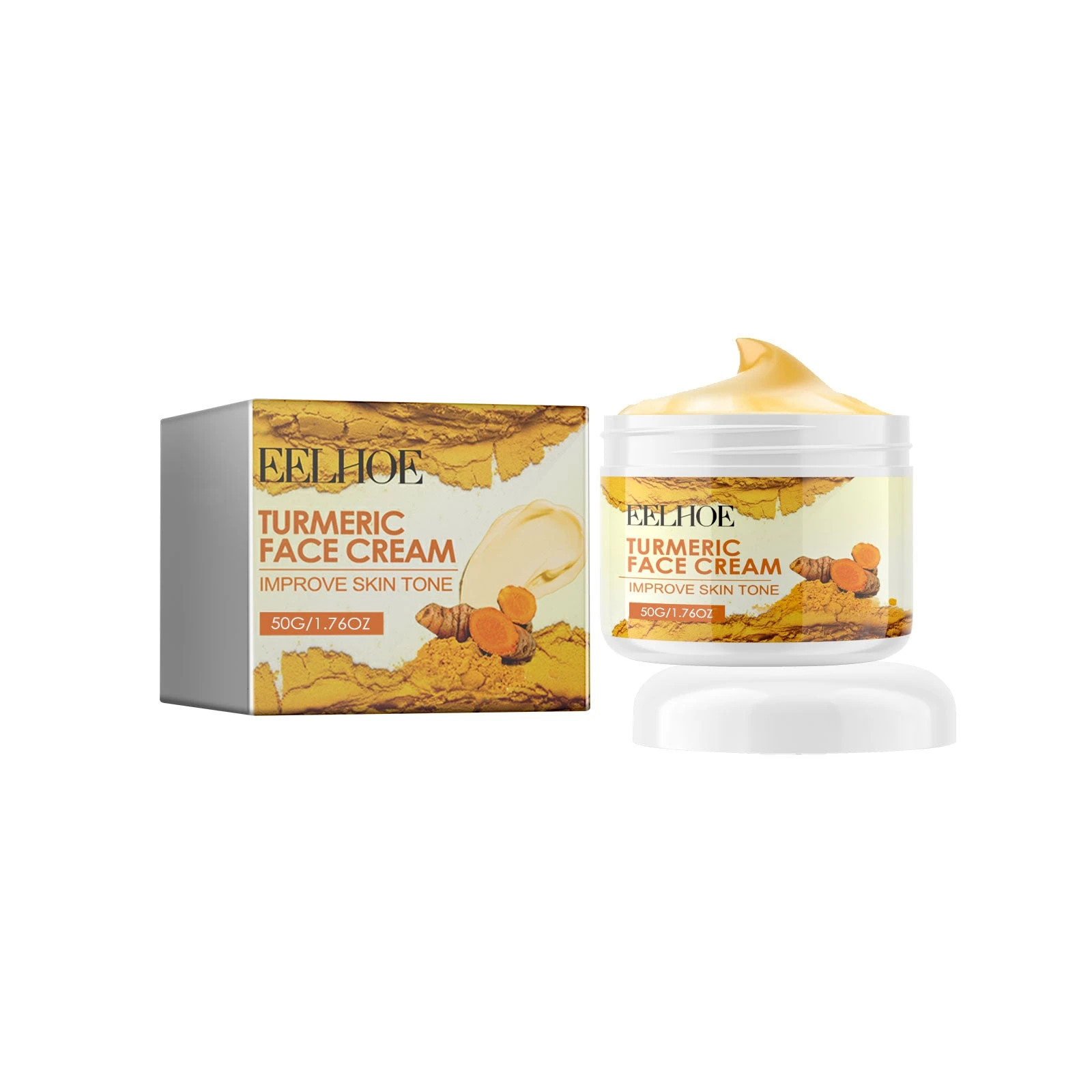
Our EELHOE turmeric face moisturizer is a 50g leave-on jar cream with water, turmeric extract and glycerin among its highlights. Its directions are to cleanse first, spread an appropriate amount over the face with clean fingertips, avoid the eyes and massage gently until absorbed. Replace the lid after taking your portion.

The highlight panel is not the complete ingredient declaration. Before a trial, obtain and read the full current label, particularly if you have known sensitivities. Fragrance-free and hypoallergenic status are not verified here. The trial method is not a reason to choose this product when an ingredient or information gap makes it unsuitable for you.
If the formula fits your needs and a trial is appropriate, its leave-on role determines how you use it on the test area. Do not wash it away immediately as though it were the separate facial cleanser. After an uneventful trial, follow the facial directions and introduce it as a single new step so you can evaluate comfort and usefulness.
Frequently asked questions
Is a 24-hour patch test enough for every new cosmetic?
A single day is not the same as the AAD’s seven-to-ten-day home product-testing method. Follow the relevant product instructions and seek advice when they differ. No fixed home test period can guarantee that future irritation or allergy will not occur.
Can I patch test several products on different spots?
Keeping trials separate in time is easier to interpret, especially if you have a history of reactions. Multiple simultaneous exposures can complicate the sequence and what you report to a clinician. A cautious one-product introduction is more useful than rushing a whole routine.
Does tingling mean the product is working?
Tingling is not proof of effectiveness. Read the product’s instructions and stop if there is a concerning or persistent reaction. Do not force continued use of an ordinary moisturizer because you assume discomfort is necessary for a benefit.
How is medical patch testing different?
Medical patch testing uses selected allergens, controlled application and scheduled professional interpretation to investigate contact allergy. A home trial of a finished cosmetic does not identify which ingredient caused a reaction. Repeated unexplained reactions are a reason to ask about professional assessment.
This guide follows the linked AAD home product-testing method and FDA allergy information. Current product details were checked October 25, 2026. It is general education, not an allergy diagnosis or a guarantee that the featured moisturizer is suitable for you.