
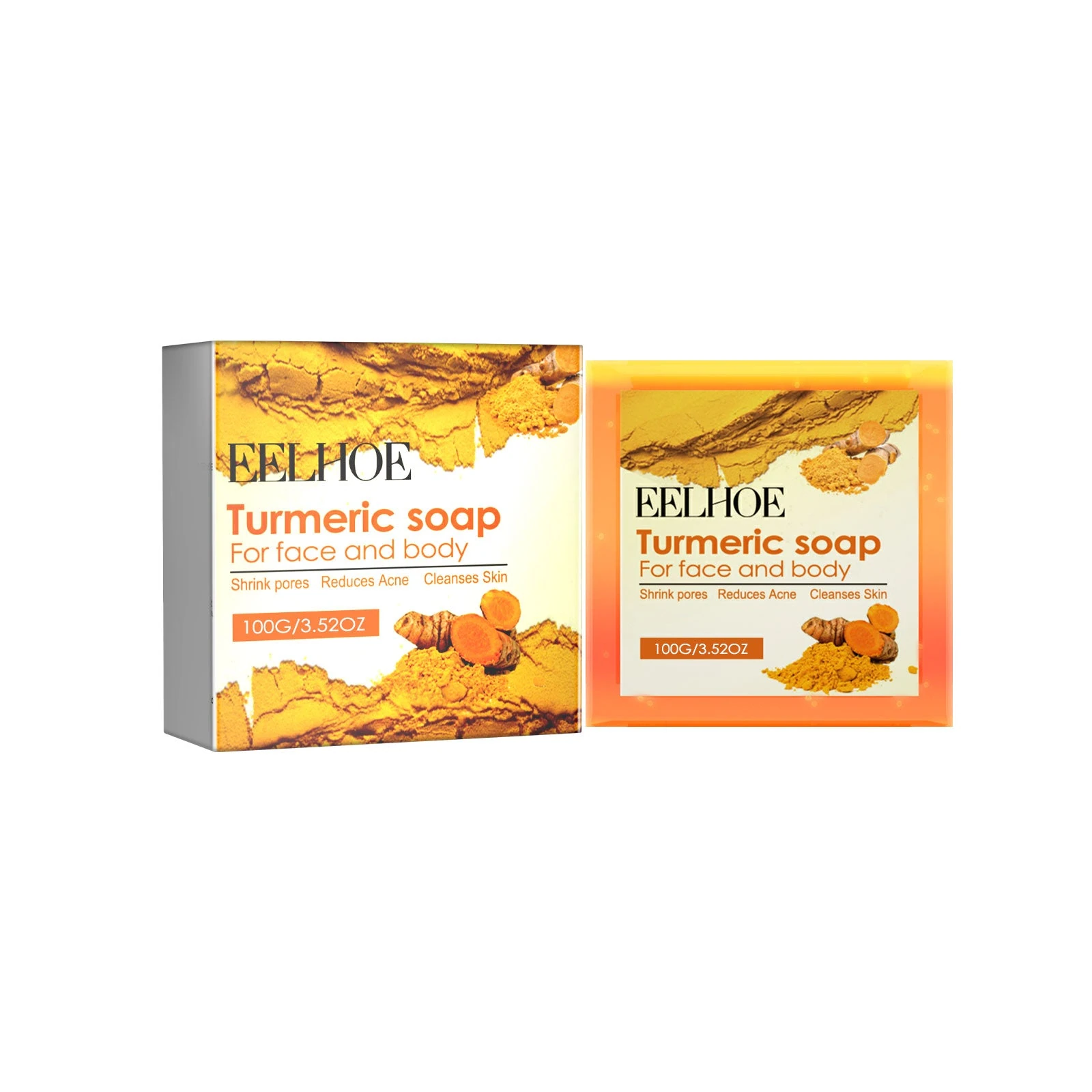
To use turmeric soap on your face, wet your face and hands, create lather between your palms, spread it gently with fingertips, rinse thoroughly and pat dry. Follow with a suitable moisturizer. Do not turn a facial cleansing bar into a leave-on mask unless that exact product provides such directions. More rubbing or a longer wait is not a proven shortcut to clearer-looking skin.
The two bars compared here are sold for face and body use, but they have different ingredient highlights and package weights. This guide helps you choose between them, follow their actual cleansing method and recognize when a simpler approach is better for your skin.
Start with the right bar and a realistic job
Turmeric soap is a rinse-off cleanser. Its immediate job is to cleanse; it does not replace a leave-on moisturizer or daytime sunscreen. Packaging that emphasizes turmeric does not tell you the finished product's pH, how your face will tolerate it or how quickly a dark mark will change. Those are separate questions from whether it can make lather and rinse away.
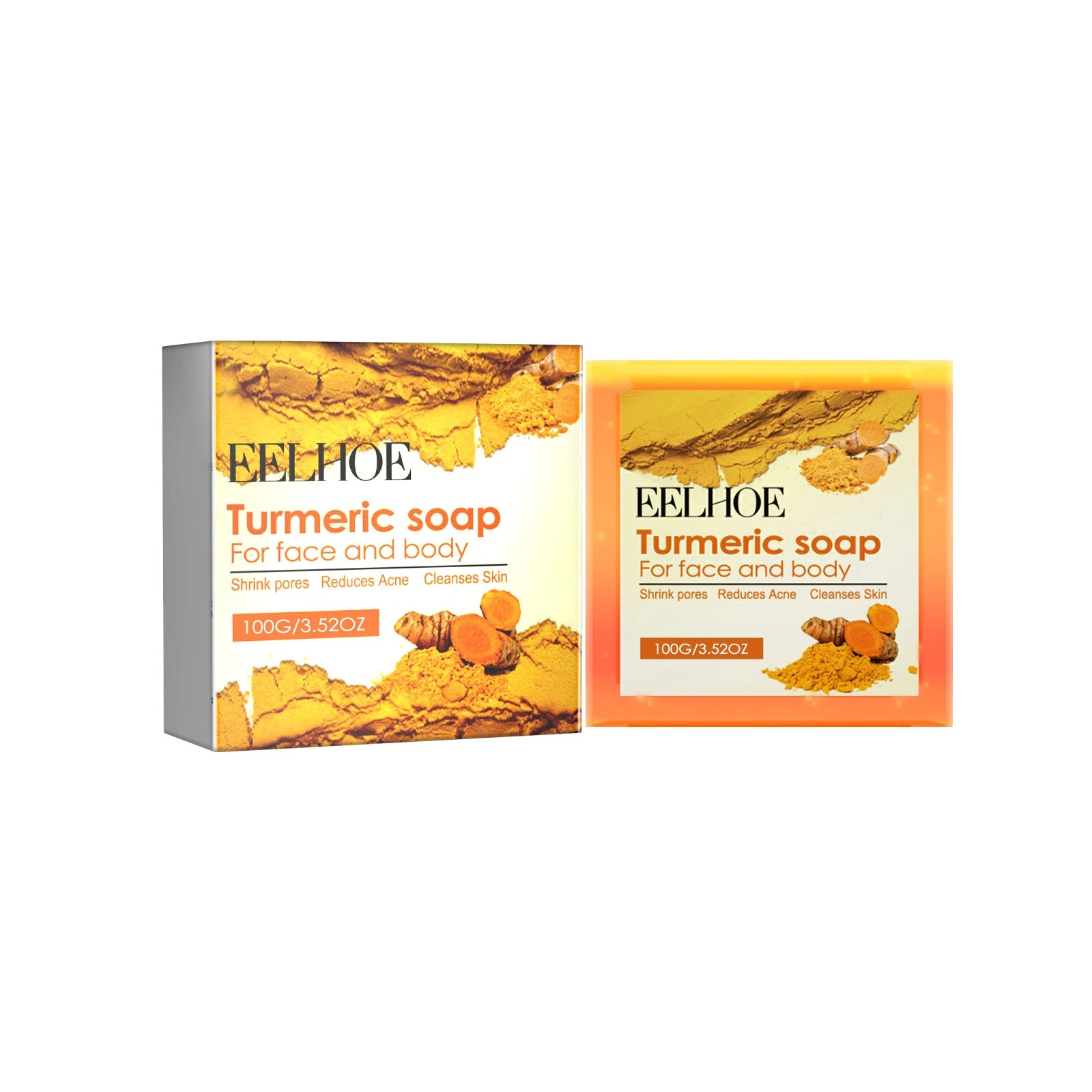
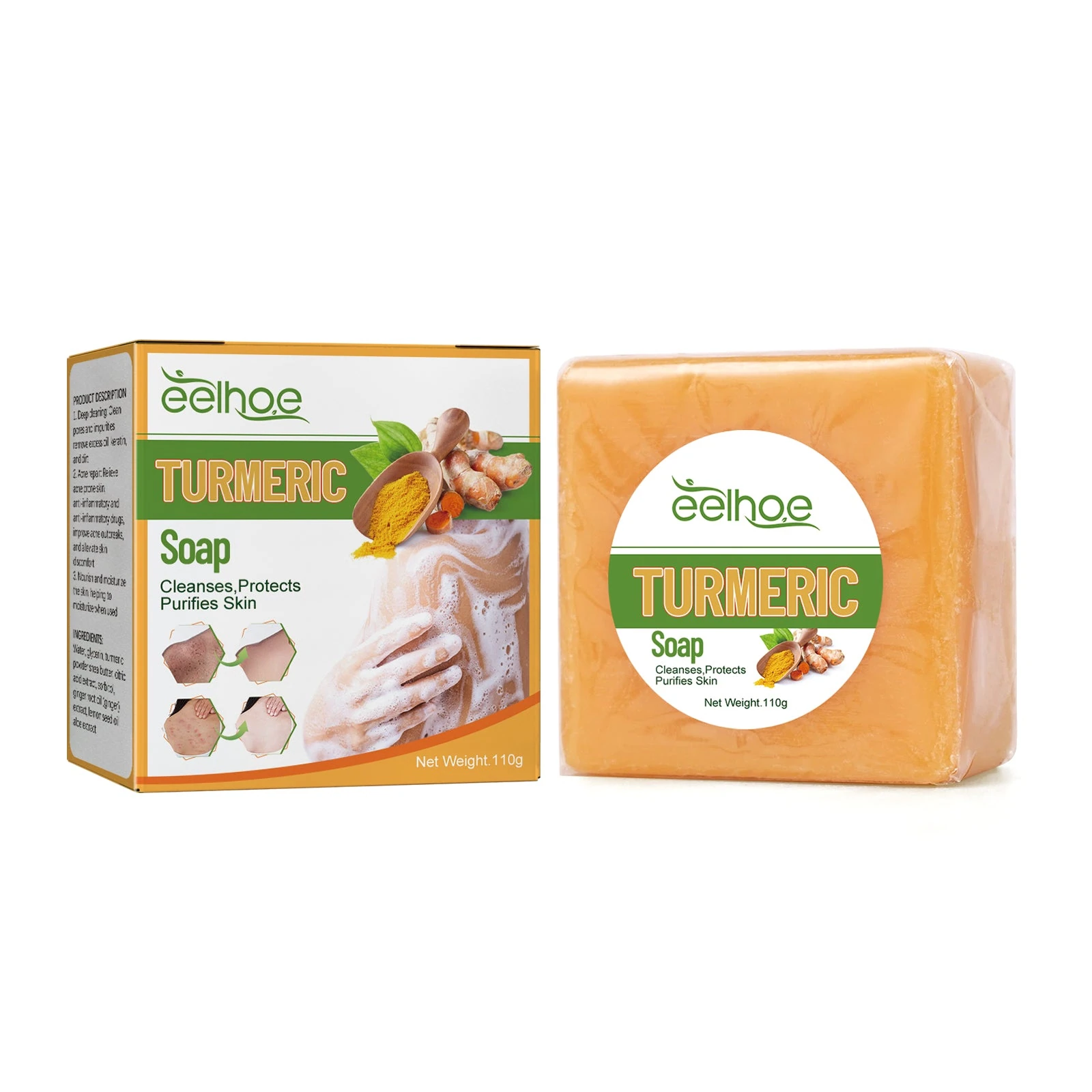
The 100g square bar highlights turmeric and vitamin E. The 110g bar highlights turmeric, shea butter, glycerin and sorbitol. Choose based on the actual formula information and how you prefer to handle a bar, rather than assuming the larger size or a particular botanical automatically makes one gentler. No head-to-head skin-comfort test is supplied for these two products.
On a small screen, swipe or scroll the table sideways to compare all columns.
| Detail | 100g turmeric bar | 110g turmeric and shea bar |
|---|---|---|
| Intended area | Face and body | Face and body |
| Ingredient highlights | Turmeric, vitamin E and water | Turmeric, shea butter, glycerin and sorbitol |
| Application | Wet bar and hands; apply lather gently | Wet bar and hands; apply lather gently |
| Removal | Rinse with warm water | Rinse; pat dry |
| After use | Let bar dry on a draining surface | Let bar dry on a draining surface |
| Missing comparison data | No measured pH or timed mask protocol | No head-to-head gentleness or hydration test |
The 100g product's name includes “exfoliating,” but its current directions are to make lather in your hands and cleanse gently. Do not interpret that word as an instruction to rub the solid bar forcefully over your face or add a grain scrub. The method matters more than the impression created by a product name.
Follow a gentle wash sequence
Begin with clean hands and comfortably lukewarm water. Wet the bar enough to create lather between your palms. This lets you spread the foam with fingertips rather than dragging the bar across facial contours. Avoid the eyes and lips, and do not scrub an area repeatedly because you can still see a dark spot or texture underneath the lather.
- Wet your face and clean hands with comfortably lukewarm water.
- Wet the bar and create lather between your hands.
- Spread the lather gently with fingertips, avoiding the eyes.
- Rinse thoroughly without adding a mask-style waiting period.
- Pat dry, apply a suitable moisturizer and leave the bar to drain.
The American Academy of Dermatology's face-washing advice recommends gentle cleansing with fingertips, lukewarm water, a thorough rinse and patting dry. It cautions that scrubbing and tools can irritate. That general method is useful here without claiming the AAD has tested or recommended these particular bars.
Rinse around the jaw, hairline and sides of the nose so you do not leave obvious lather behind. Use a clean towel to pat rather than rub. If you wear makeup that your ordinary cleanse does not remove, follow the removal method appropriate to those cosmetics; do not compensate by keeping turmeric soap on longer or applying much harder pressure.
How long should you leave turmeric soap on your face?
The current directions for these bars do not provide a timed facial-mask protocol. Apply the lather gently and rinse after cleansing. There is no basis here to prescribe a five- or ten-minute wait. A video demonstrating a long contact time for another product is not a substitute for your own bar's instructions.
Leaving a cleanser on until it feels dry or tight is also a poor success test. Tightness does not demonstrate that pigmentation is fading or that pores have become permanently smaller. If you are looking for a treatment step, choose and assess that step separately instead of trying to make a rinse-off cleanser behave like a serum.
How often should you wash with turmeric soap?
Build the frequency around your overall cleansing needs and tolerance. The AAD generally advises limiting facial washing to twice a day and after sweating. That guidance does not mean a new turmeric bar must be used at every wash, nor does it establish that any bar will suit a sensitive or dry face.
When changing cleansers, keep other optional treatments steady so you can judge the change. If a wash repeatedly leaves you stinging, unusually dry or uncomfortable, stop using that product rather than adding more rounds to “get used to it.” A gentle alternative may suit you better. Persistent irritation is a reason to get advice from a qualified clinician.
A practical routine note can be very simple: record which cleanser you used, whether you also scrubbed or used an acid product, and how skin felt afterward. That gives you more useful information than judging a cleanser only from the amount of foam. It is not a clinical test, but it can reveal an unnecessarily harsh combination.
Should you moisturize after turmeric soap?
Yes, use a suitable moisturizer when your face needs moisture after cleansing. A bar containing shea butter or glycerin still rinses away; those ingredient highlights do not make a separate moisture step redundant for everyone. Apply your leave-on products after the cleanser has been rinsed off, using amounts that feel comfortable rather than piling on multiple new layers at once.
The AAD's dry-skin guidance emphasizes gentle care and suitable creams or ointments. If your face is already very dry or sensitive, do not choose a product solely because the marketing name sounds natural. Read the full package ingredient list and prefer products that match your known tolerances.
For the broader sequence, see our turmeric skincare routine order. That guide separates cleansing, optional treatments, serum and cream so you do not accidentally apply a rinse-off step over products you meant to leave on.
Which of the two bars is worth exploring?
Explore the 100g bar if you want the square turmeric-and-vitamin-E option and a straightforward hand-lather method. Compare the 110g bar if its shea butter, glycerin and sorbitol ingredient highlights are what you want to investigate. Read the current product details before buying, including the full label and any package-specific cautions.
Do not make the decision from weight alone. A 110g bar contains more product by mass than a 100g bar, but that does not establish the number of face washes, how quickly it dissolves or cost per use. Those depend on portioning, storage and whether you also use it on your body. Neither product has a verified universal lifespan in this guide.
Store the bar so it can drain between washes
After washing, place the bar on a clean draining surface rather than leaving it submerged in water. Letting it dry is part of the listed care method. Keep the area around the bar clean, and avoid packing a wet bar into a closed travel container for an extended period when you can let it drain first.
You do not need to invent a disinfecting recipe for the soap. Do not add bleach, acids or essential oils to the bar or its lather. Those changes create a mixture that the product directions do not describe. For travel, follow the container's practical drying and storage instructions, and avoid sharing personal facial cleansing items.
Troubleshoot the result you actually notice
If skin feels tight, review water temperature, rubbing and the rest of your cleansing routine. If lather remains around the hairline, rinse more carefully rather than cleansing a second time automatically. If the bar becomes soft in its dish, improve drainage. These problems have different causes, so one solution—using more soap—will not address all of them.
If dark spots are your main concern, focus on their cause and sun protection as well as product choice. The AAD's dark-spot guidance explains that irritation itself can contribute to discoloration. A cleanser that repeatedly stings is not a useful route to an even-looking complexion simply because it contains turmeric.
Frequently asked questions
Can turmeric soap be used on the face every day?
Some people may tolerate a facial bar as part of their regular wash routine, but these products do not come with evidence establishing universal daily suitability. Follow your own package directions, consider your existing routine and stop if irritation develops.
Should I rub the bar directly onto my face?
For the two bars here, make lather in clean hands first and apply it with fingertips. That follows their current method and avoids treating a solid bar as a rubbing tool. Keep the lather away from your eyes.
Can I use a brush or exfoliating pad with the same wash?
There is no need to add friction to make the bar work. If you already use exfoliating treatments, consider the combined routine carefully. Gentle fingertip cleansing is the AAD's recommended baseline, especially when you are trying to identify why skin feels irritated.
Is the shea butter bar proven better for dry skin?
No comparative test is provided. Its ingredient highlights are a reason to read more about that formula, not proof that it will be gentler or more moisturizing for your face than the 100g bar. Your known sensitivities and response matter.
Sources and product information
The product comparison reflects GinGrowth information checked October 16, 2026. The linked AAD resources support cleansing, dry-skin care and pigmentation principles, not a product endorsement. No personal-use trial, measured pH comparison or guaranteed brightening timeline is claimed.