
Hydrating usually describes helping skin hold water, while moisturizing is a broader term that can include attracting water, softening the surface and reducing water loss. These are overlapping jobs, not two mutually exclusive product categories. Many moisturizers do both. Choose by the formula, your skin's comfort and the routine you can maintain rather than assuming you always need a separate hydrator and moisturizer.
If your cheeks feel tight but your forehead looks shiny, the labels can be confusing. This guide explains humectants, emollients and occlusives in everyday terms, shows how to compare a serum with a cream, and helps you decide whether an extra layer adds something useful. It focuses on facial moisture care, not a diagnosis of a skin condition.
Hydration vs moisture for skin: start with the jobs
Humectants, including glycerin, help attract and hold water. Emollients improve a rough surface's smoothness and softness. Occlusive ingredients help reduce water loss by forming a barrier at the skin's surface. These functions can overlap within a formula, and an ingredient list may contain several types together.
The Healthline explanation of hydrators and moisturizers notes that the consumer terms are used flexibly and that many lotions combine humectants, emollients and occlusives. This matters when shopping: a bottle called a hydrating cream is not necessarily doing the opposite job from a moisturizing serum. Its name is only the start of the comparison.
Glycerin in a serum is a useful clue to a water-binding role, but it does not establish the finished product's measured hydration performance or how long that effect lasts. Similarly, the presence of an oil does not tell you exactly how heavy, protective or comfortable the whole product will feel. Formula proportions and the complete formulation matter, even when they are not published.
On a small screen, swipe or scroll the table sideways to compare all columns.
| Role | What it helps do | What to check |
|---|---|---|
| Humectant | Attract and retain water | Examples include glycerin; assess the complete formula |
| Emollient | Soften and smooth the surface | Consider the finished feel and your preferences |
| Occlusive | Reduce water loss from the surface | Choose a comfortable degree of richness |
| Combined formula | Cover more than one job | A moisturizer may already meet your needs |
Dry and dehydrated describe different concerns
In everyday skin-care language, dry skin often refers to a tendency toward insufficient oil and a rough or flaky feel, while dehydrated skin describes a lack of water. Someone with oily-looking skin can still experience tightness or need moisture care. These descriptions help organize questions, but they are not diagnoses that a mirror, pinch test or online quiz can reliably confirm.
Notice when discomfort occurs. Skin that feels tight immediately after washing may need a gentler cleansing routine as well as leave-on care. A heavier cream will not necessarily solve repeated over-cleansing. Skin that feels comfortable at home but tight in a dry office may need a change in the final moisturizing step or environment. Observe the pattern before buying several new products at once.
Flaking, itching and stinging can also occur with irritation or skin conditions. Do not assume that every uncomfortable patch is simply thirsty skin that needs more serum. Persistent symptoms, cracking, an evolving rash or pain deserve professional advice. Adding a strongly fragranced or exfoliating product to irritated skin can make the routine harder to tolerate and the cause harder to identify.
Read the formula rather than the bottle nickname
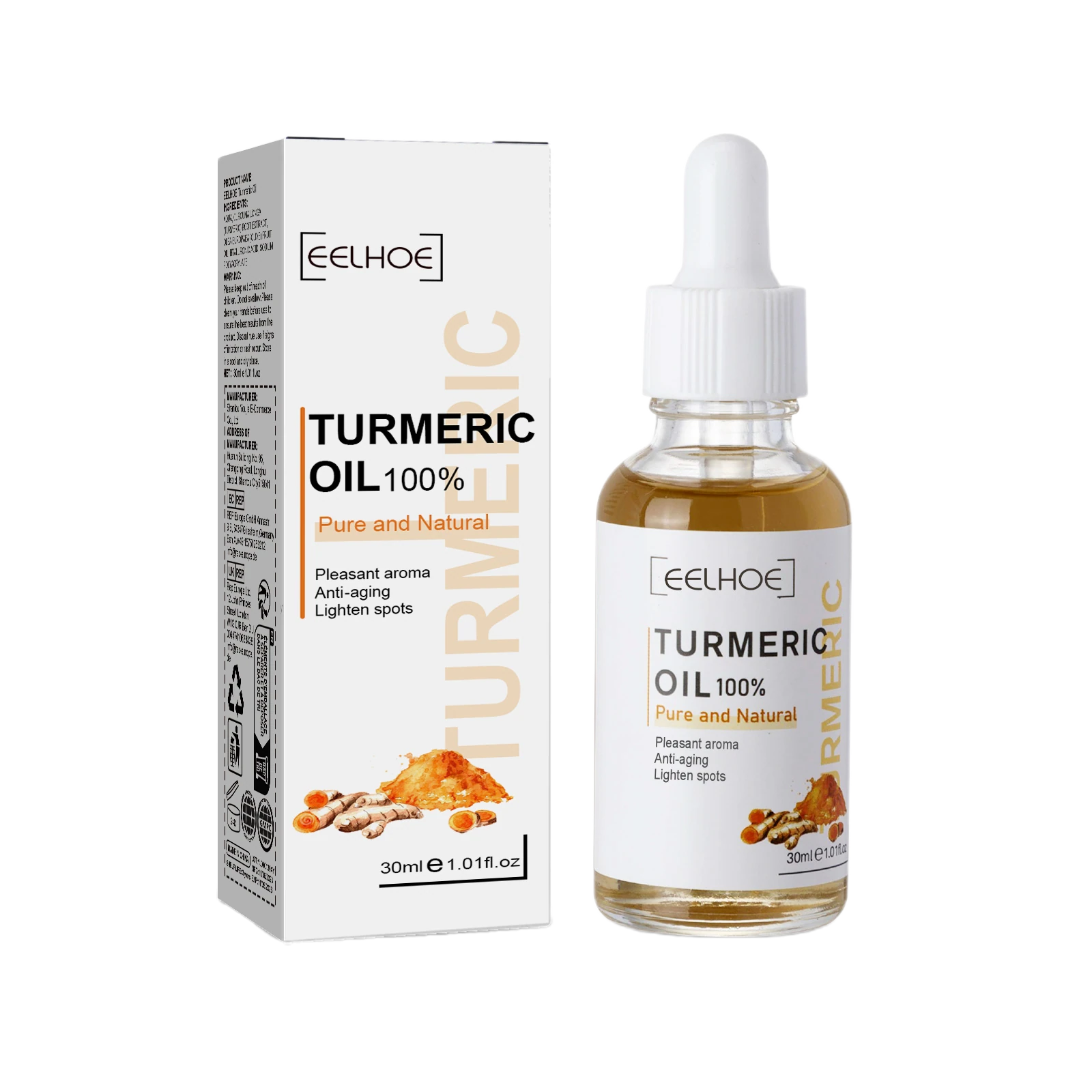
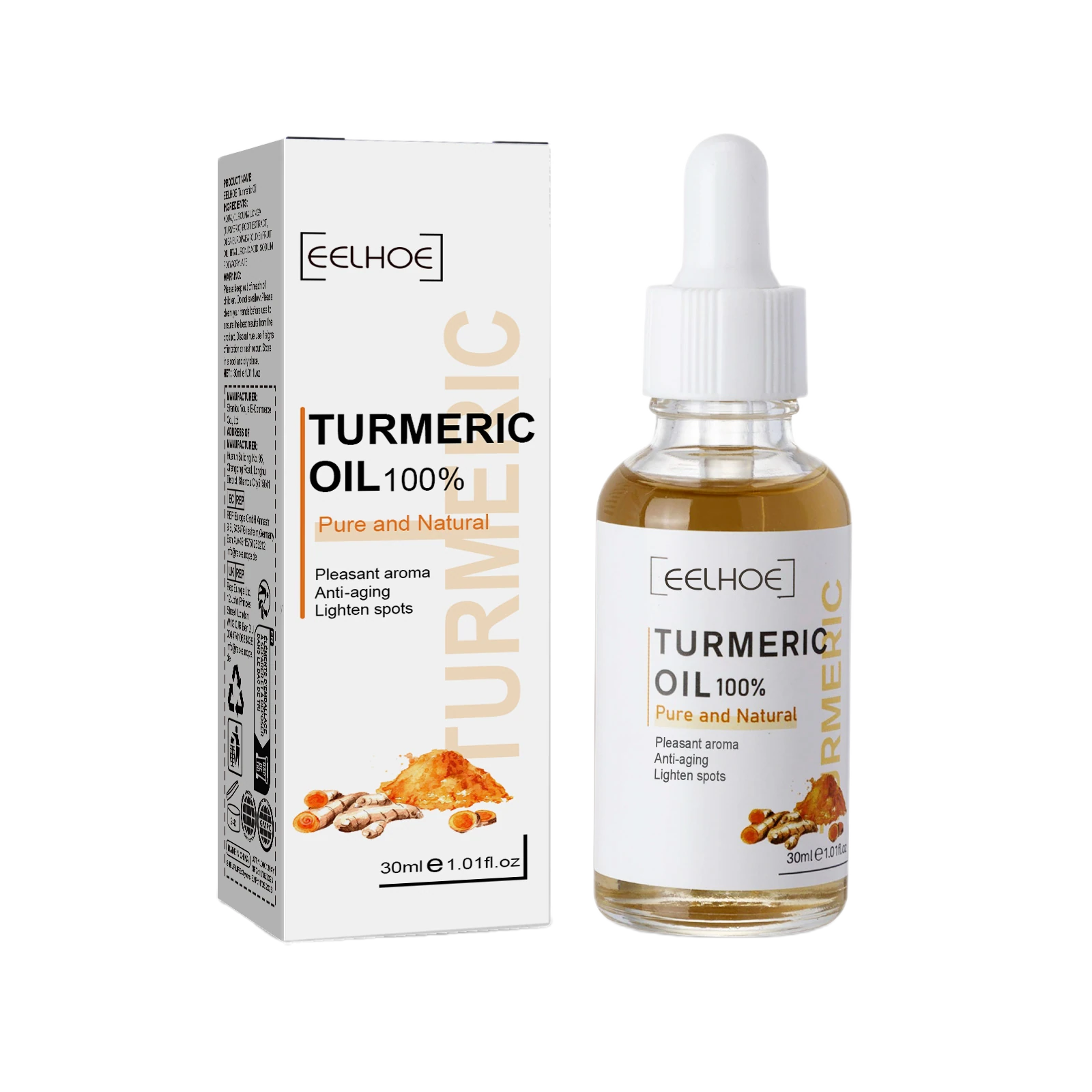
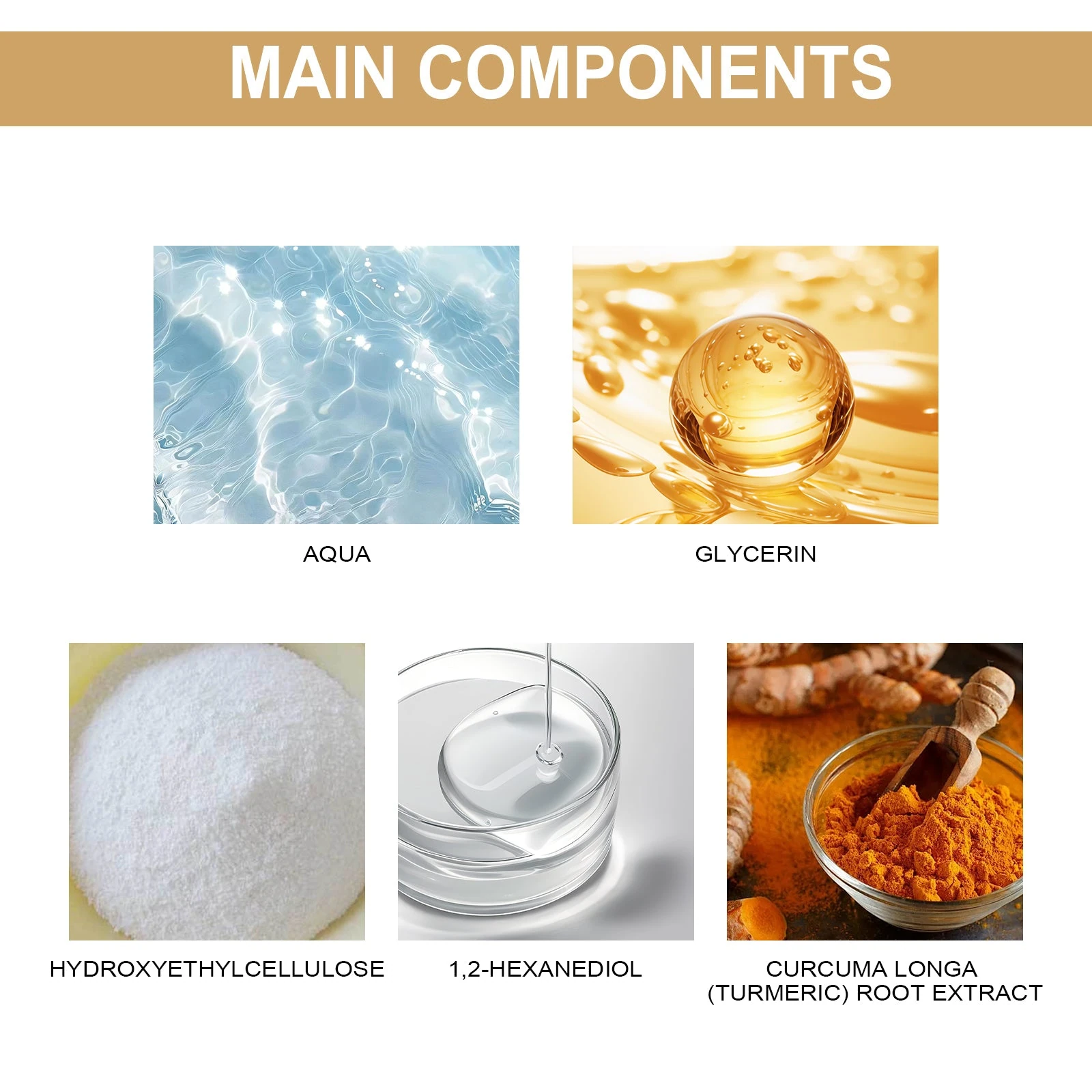
Our EELHOE turmeric face serum comes in a 30ml dropper bottle labelled Turmeric Oil. Its published ingredient highlights are water, glycerin, hydroxyethylcellulose, 1,2-hexanediol and turmeric root extract. The water-and-glycerin formulation is the reason to consider it for a facial hydration step. It is not an undiluted essential oil to mix into a homemade product.
That example shows why a large word on the front label should not replace the ingredient and directions check. A product called an oil may be a formulated serum, and a cream can contain substantial water-binding ingredients. Check the intended body area and routine position too. A facial serum should not silently become an eye product, scalp treatment or all-purpose mixing ingredient.
Do you need a hydrating serum as well as moisturizer?
Start with the simplest routine that keeps your skin comfortable. A suitable moisturizer may already cover the functions you need. A separate hydrating serum is an optional layer when you want a lighter water-binding step before cream and the combination feels comfortable. It is not a mandatory purchase just because one product says hydration and the other says moisture.
If you already use a serum and still feel dry, assess your moisturizer and cleansing habits before increasing the serum amount. If you use a cream and feel comfortable throughout the day, another bottle may add little practical value. If everything feels sticky or rolls into small flakes, the issue may be the amount, layering or compatibility rather than insufficient hydration.
The AAD's dry-skin guidance emphasizes moisturizer, gentle habits and applying moisturizer while skin is still damp after washing. For a particular treatment or serum, follow its own wet- or dry-skin instructions. General damp-skin advice does not override a product that requires a dry surface.
On a small screen, swipe or scroll the table sideways to compare all columns.
| Observation | Question to ask | Possible adjustment |
|---|---|---|
| Tight immediately after washing | Is cleansing too harsh? | Review cleanser and wash method |
| Comfortable until a dry afternoon | Does the finishing moisturizer suit the setting? | Reassess cream and environment |
| Sticky under sunscreen | Are the layers or amounts excessive? | Try less or simplify one step |
| Comfortable with one moisturizer | Is another layer needed? | Keep the routine simple |
| Persistent rash or burning | Is this more than ordinary dryness? | Stop irritating products and seek advice |
A simple way to compare your routine
Keep your cleanser, sunscreen and other established products steady while you evaluate one moisture-care change. Note how skin feels after cleansing, after the products settle and later in your normal day. This is a practical comfort log, not a clinical hydration measurement or a promise that a cosmetic will treat a damaged barrier.
- Record your current cleanser, serum, moisturizer and sunscreen.
- Note when tightness, roughness or excessive stickiness appears.
- Choose one relevant adjustment rather than replacing the whole routine.
- Use the changed product as directed and keep the other steps steady.
- Observe comfort during your normal day; stop a product that irritates.
Changing several products together makes it difficult to identify which one caused a benefit or a reaction. You do not need a laboratory-style score for your face. A short note such as “cheeks comfortable until afternoon, forehead too sticky under makeup” is more actionable than deciding the entire routine is good or bad. Apply the next change to the actual problem.
If a new product causes stinging or a rash, discontinue it rather than waiting for a hydration adjustment period. A home trial does not rule out allergy. You can seek a dermatologist's advice when discomfort persists or when choosing a routine around an existing condition.
Place serum and cream where they belong
For our turmeric face serum, the published directions are 2–3 drops after cleansing and before face cream. Dispense into the palm, keep the dropper tip off the skin, spread gently and allow the layer to settle. The drop count belongs to this product's directions; it is not a universal amount for every serum bottle or dropper.
Use the cream as directed and keep sunscreen as a separate daytime decision unless a product is explicitly labelled with the required sun protection. A moisturizing claim alone does not establish SPF. Our turmeric skin-care routine guide explains the broader sequence without turning this comparison into another complete routine page.
For small rolls or flakes appearing during layering, see why moisturizer pills. Product pilling is not automatically dead skin or proof that you need stronger exfoliation. First consider the amount and how the layers interact.
Frequently asked questions
Does dehydrated skin need moisturizer?
It often benefits from a suitable moisturizer because retaining water matters as well as attracting it. A hydrating serum alone may not provide the finish you need. Choose a comfortable formula and observe your skin, while seeking advice for ongoing irritation rather than self-diagnosing dehydration.
Is hydrating vs moisturizing skincare a serum-versus-cream choice?
No. Both formats can contain water-binding and softening ingredients, and a cream may provide several functions together. Compare the ingredients, directions and finished feel. The packaging category cannot tell you the product's performance by itself.
Can oily skin need hydration?
Yes. Visible oil does not establish that the skin has all the water it needs. A lightweight, comfortable moisturizer may suit your routine. Do not assume a product is non-comedogenic simply because it is water-based or called a serum; check any such claim on the actual product.
Is facial oil enough to hydrate skin?
An oil can soften skin or help reduce water loss, but that does not make it equivalent to a water-and-humectant formula. Check what the product actually contains. If your skin remains uncomfortable, consider the complete routine instead of assuming that a shinier surface means adequate hydration.
Choose the missing function, if there is one
If you want a small water-and-glycerin step before your existing cream, review our 30ml serum's full product information. If your moisturizer already keeps skin comfortable, you may not need it. The most useful purchase adds a clear role to the routine instead of creating a second bottle with a similar label.
Product information reviewed October 24, 2026. GinGrowth sells the featured serum. Ingredient roles and routine guidance are supported by the linked sources; no independent comparison trial or measured hydration-duration claim is presented.