
Toner usually fits immediately after cleansing as a light liquid step, while serum adds a more targeted application before moisturizer. If you use both of the products compared here, apply toner first, then serum and face cream. You do not automatically need both. Choose according to the job missing from your routine, the actual ingredients and directions, and how your skin responds to an additional layer.
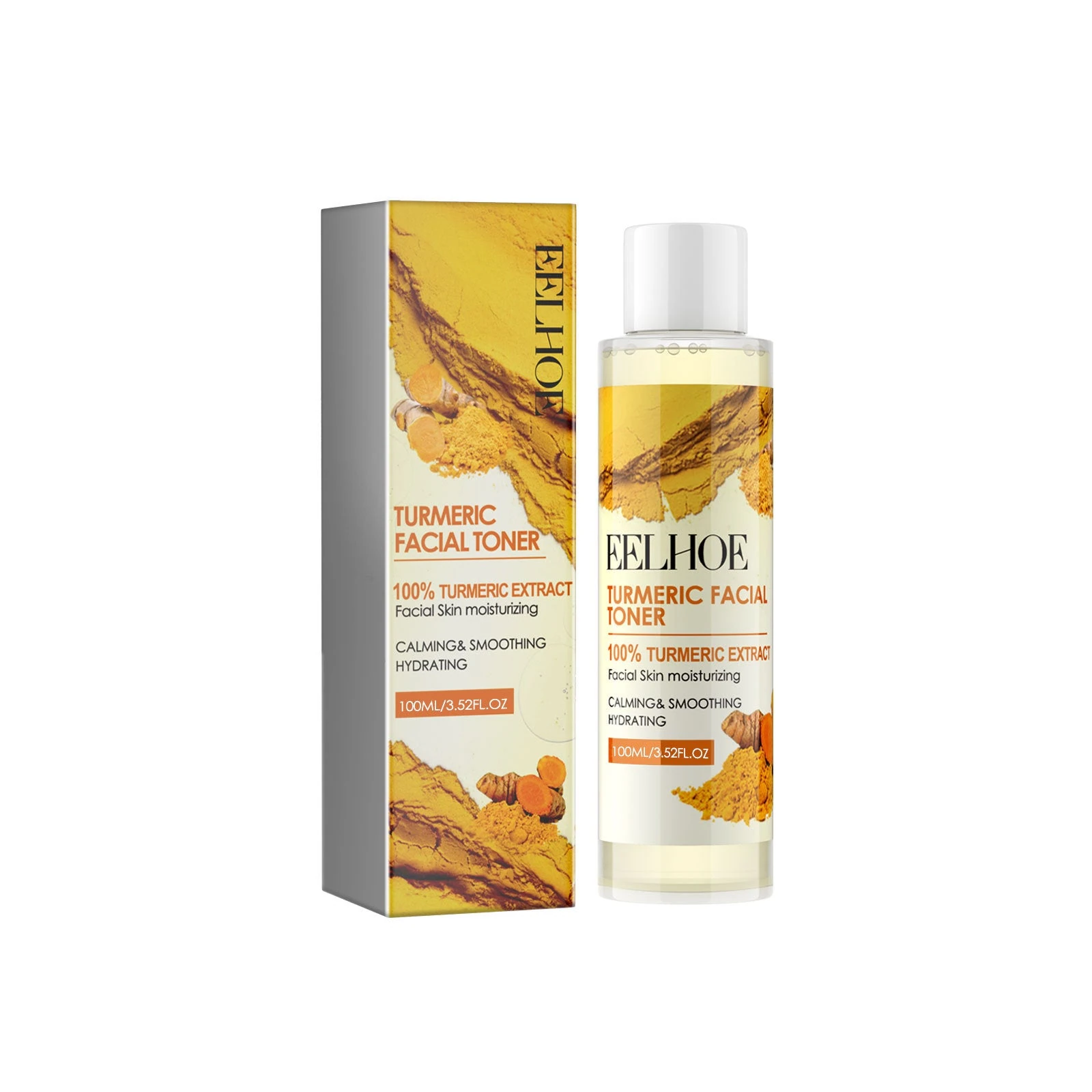
The distinction is not that every toner only cleans and every serum always treats a condition. Modern toners can focus on hydration, and a serum can also have a moisturizing role. Two products with different names may overlap. This guide uses a 100ml EELHOE turmeric toner and a 30ml EELHOE turmeric face serum to show how to compare them. GinGrowth sells both examples; their current listings were checked on October 14, 2026.
Toner vs serum: compare the job first
A toner is commonly a water-based liquid applied after cleansing. Cleveland Clinic's guide to face toner explains that contemporary formulas vary and may be moisturizing rather than resembling older, strongly astringent products. The name alone does not tell you whether a toner hydrates, exfoliates or contains ingredients that your skin may find irritating.
Serum is also a broad product category. Look for the particular benefit, application amount and formula rather than assuming that a dropper bottle contains a stronger version of everything in a toner. The dispenser does not tell you an ingredient percentage. The current serum example here is a water-and-glycerin facial formula for dry, dull-looking skin, used in a small amount before cream.
On a small screen, swipe or scroll the table sideways to compare all columns.
| Question | Toner | Serum |
|---|---|---|
| Where does it usually fit? | After cleansing, before thicker leave-on care | After cleansing or optional toner, before moisturizer |
| What should guide the choice? | The actual formula and your reason for adding a liquid step | The actual formula, application directions and care goal |
| Is it always required? | No; the routine can be simpler | No; an additional product should serve a useful need |
| What cannot be inferred from the name? | That it removes makeup, exfoliates or suits every skin type | That it is always stronger or contains a known active percentage |
For these two products, hydration is the shared goal. The toner provides a pourable liquid layer straight after cleansing; the serum gives a measured dropper application before face cream. That overlap is useful when choosing one, but it also means buying both is not automatically necessary. Start by describing the change you want in ordinary terms, such as a more comfortable feeling after washing, instead of building a routine around bottle categories.
Read the formula instead of relying on the front name
The current toner highlights water, turmeric extract, licorice extract and rosehip oil. It is a formulated leave-on facial toner, not a pure turmeric extract. Its directions use clean hands, a small amount spread over the face and gentle massage until absorbed. A cotton pad is not required for this particular product's method.
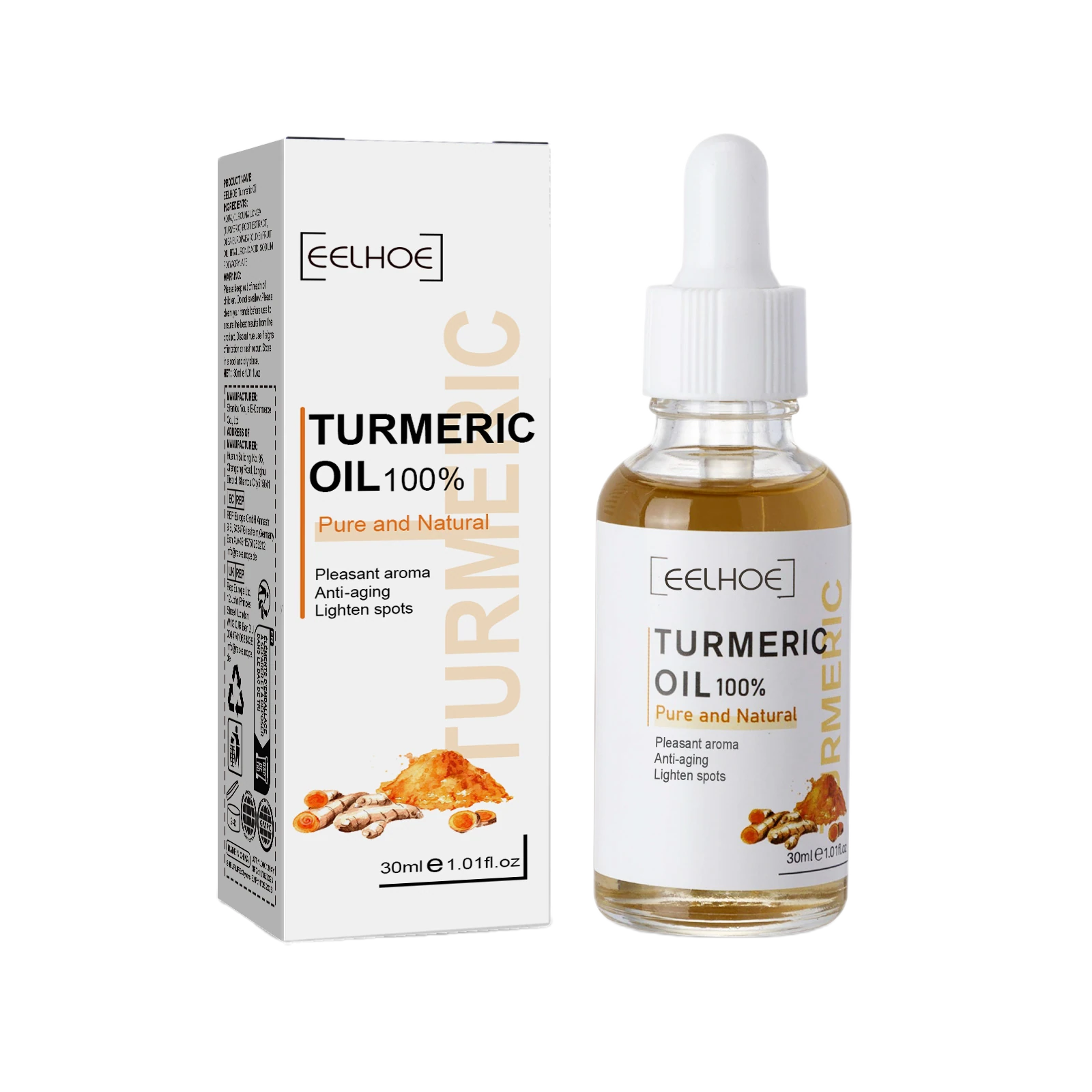
The current serum lists water, glycerin, hydroxyethylcellulose, 1,2-hexanediol and turmeric root extract among its ingredients. It comes in a 30ml dropper bottle whose front label says “Turmeric Oil.” That package wording does not override the disclosed formula or its directions. The current product is used as a facial serum before cream, not as an undiluted essential oil for mixing.
This is why two bottles should be compared on the same fields: the area of application, the intended benefit, the listed ingredients, whether the product rinses away and where it fits in the routine. If you are choosing ingredients for a particular condition, a highlighted botanical alone does not establish the concentration, delivery or outcome you need. Ask for complete product information when a detail matters to your decision.
On a small screen, swipe or scroll the table sideways to compare all columns.
| Detail | Turmeric toner | Turmeric face serum |
|---|---|---|
| Size and format | 100ml liquid toner bottle | 30ml dropper bottle labeled Turmeric Oil |
| Formula highlights | Water, turmeric extract, licorice extract, rosehip oil | Water, glycerin, hydroxyethylcellulose, 1,2-hexanediol, turmeric root extract |
| Care role | Post-cleanse hydration and a refreshed-looking finish | A small moisture step for dry, dull-looking facial skin |
| Amount | A small amount in clean hands | 2–3 drops into the palm |
| Order | After cleansing; before serum or moisturizer | After optional toner; before face cream |
| Rinse or leave on? | Leave on as directed | Leave on as directed |
Choose toner when you want a post-cleanse liquid step
The EELHOE turmeric toner may fit someone who enjoys a light liquid layer after rinsing and before cream. Its current role is hydration for dry-feeling skin and a softer, refreshed-looking finish. The bottle holds 100ml and uses a pourable format, so the practical action is to take a little in clean hands and spread it evenly.
The benefits to look for are linked to moisture care: whether the skin feels more comfortable and whether the extra step is easy to use. Do not assume that all toners exfoliate or that using more will remove more makeup. This particular toner is left on after cleansing; makeup removal belongs to an earlier step using a suitable rinse-off cleanser.
Choose serum when a small application before cream fits better
The EELHOE turmeric face serum may suit someone who prefers a small dropper application rather than another pourable liquid. The current directions specify 2–3 drops after cleansing, with toner first if used, followed by face cream. The water-and-glycerin formula supports hydration and a softer, fresher-looking surface on dry-feeling facial skin.
For this 30ml product, dispense 2–3 drops into the palm, smooth over facial skin, keep it out of the eyes and keep the dropper tip clean. Other serums can have different directions. For the eye area, follow a separate product's directions rather than extending facial-serum use simply because it feels light.
Moisture can make dryness-related texture and lines look less noticeable, but this is different from establishing a specific treatment result. The current listing supports the serum's hydration role; it does not provide a concentration-based comparison proving that it is stronger than the toner. Choose it for its disclosed routine and formula rather than treating serum as a synonym for better.
Should toner go before or after serum?
For application methods and the leave-on sequence, read how to apply toner with hands or a pad.
For the full sequence, including rinse-off masks and the finishing cream, see our turmeric skincare routine order.
For the two products in this guide, toner goes before serum. The current toner directions place it after cleansing and before optional serum or moisturizer. The serum directions say to use toner first if it is part of your routine, then apply 2–3 drops and finish with face cream. The two sets of instructions agree, so there is no need to invent a separate layering method.
- Complete the cleansing step and follow the products’ directions for preparing facial skin.
- If using the toner, spread a small amount with clean hands and let it absorb.
- If using the serum, dispense 2–3 drops into the palm and smooth over the face, keeping it out of the eyes.
- Let the serum settle, then apply your usual face cream.
- Keep daytime sun protection as a separate part of the morning routine.
Cleveland Clinic's guide to skin-care product order describes a general light-to-heavy approach and emphasizes a simple routine. Treat that as a useful starting framework, while following the actual instructions for any treatment product you use. An exfoliating toner or prescribed topical can have different considerations from these two hydrating examples.
The current product directions do not specify a fixed waiting period between toner and serum. Let the layer settle as directed so you can spread the next one comfortably; there is no source here for a universal five-minute rule. If products rub into little rolls, simplify the amount and number of layers before assuming that more waiting time alone will solve the problem.
Do you need toner and serum together?
Start with the routine you already have. If gentle cleansing, moisturizer and daytime sun protection meet your needs, an additional toner or serum may be optional. Cleveland Clinic identifies those basic steps as the foundation and cautions that using more products increases the opportunity for irritation. An elaborate sequence is not a requirement for a complete routine.
If you want to add one hydrating step, choose the format and formula that best fit the problem you can describe. Toner offers a light layer immediately after cleansing; the serum offers a small dropper application before cream. Introduce one new product at a time so that a change in comfort is easier to notice. Buying both together makes it harder to tell which addition you actually prefer.
If you already use both comfortably, you do not need to remove one just because their benefits overlap. Keep their roles clear and follow the order. The useful question is whether each step adds something you value. Neither bottle is a substitute for a suitable cleanser, and neither of these products is presented as a sunscreen.
For an ordinary cleanser choice, see cleansing balm vs cleansing oil. Finish that rinse-off step before toner or serum. If you use an occasional mask, the existing turmeric face-mask guide explains that separate rinse-off step. You do not need to add a mask, toner and serum in the same session merely because the products share turmeric in their names.
Keep these common mix-ups out of the routine
One mix-up is treating toner as a second makeup remover. The current EELHOE toner is applied with clean hands and left on; it is not the step intended to rinse facial makeup away. If you repeatedly see makeup remaining after cleansing, review the cleanser and its method before using more toner to compensate.
Another is treating ingredient repetition as proof of a cumulative treatment benefit. Two turmeric-labeled products do not establish a tested double-strength result. Their ingredient lists, concentrations, intended roles and tolerance matter. In these examples, the practical comparison is between two hydrating applications with different dispensers, not between quantified doses of turmeric treatment.
A third is applying more layers when skin feels irritated. Stop the new product if it causes irritation and review the routine. The AAD's face-washing guidance supports gentle cleansing and moisturizing dry or itchy skin. Persistent redness, itching or discomfort calls for professional advice, rather than assuming another hydrating bottle will address the cause.
Turmeric toner vs serum: choose your next step
Choose the 100ml toner when you want a pourable, hydrating layer immediately after cleansing; its current highlights include licorice and rosehip oil. Choose the 30ml serum when you prefer a small dropper application before cream; its water-and-glycerin formula supports a softer, fresher-looking finish on dry skin. If you enjoy both, use toner first, then serum and cream.
Start with the step that serves a need you can identify. The matching product page shows the current pack, ingredients, directions, price and purchase options, so you can check the specific formula before adding it to your routine.
See the toner option · See the serum option
Frequently asked questions
Can I use serum without toner?
Yes, the current serum directions make toner optional. Cleanse, follow the serum's application directions and finish with face cream. You do not need toner simply to make this serum count as a valid step.
Can I use toner without serum?
Yes. The current toner directions allow moisturizer as the next step. Choose the extra serum only if you want that additional application and it works comfortably in your routine.
Is the turmeric face serum a pure oil?
No. Although its bottle is labeled Turmeric Oil, the disclosed formula includes water and glycerin, and the current directions treat it as a leave-on facial serum before cream. It is not an undiluted essential oil for home mixing.
Which product is stronger?
The current listings do not provide a concentration comparison or a head-to-head trial that could answer that question. Choose by the actual care role and ingredients. Serum is not automatically stronger than toner just because it uses a dropper.
Sources and product information
General guidance comes from Cleveland Clinic's face-toner explanation, its skin-care product-order guide, and the American Academy of Dermatology's gentle-cleansing advice. Product sizes, formula highlights, images and directions were verified against the current GinGrowth listings on October 14, 2026. These organizations do not endorse the products. The product-detail buttons above lead to the current toner and serum listings for further comparison.