
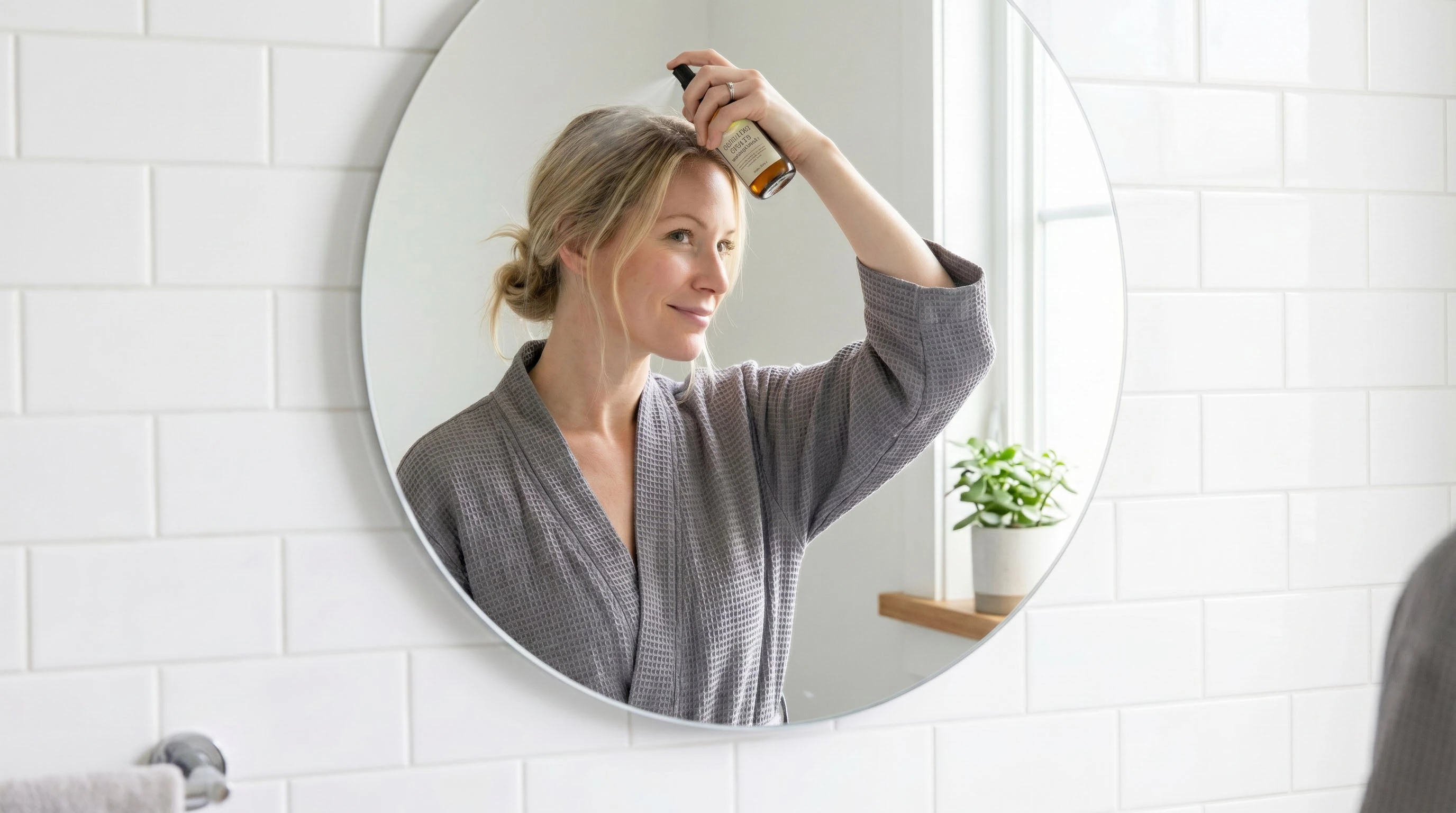
The best routine for thinning hair is one you can follow consistently: cleanse according to your scalp and hair needs, condition the lengths as directed, handle hair gently, and keep any diagnosed hair-loss treatment on its own schedule. Add a scalp serum only when it has a clear care role, such as a light moisturizing step.
This guide organizes wash days and the time between them without prescribing the same wash frequency for everyone. It uses American Academy of Dermatology guidance and current GinGrowth product information checked October 1, 2026. A routine can improve cleanliness and manageability without proving that it treats the cause of thinning.
What Makes a Routine Useful for Thinning Hair?
A useful routine separates three goals: care for the scalp, care for the hair shaft, and treatment of any diagnosed condition. Shampoo and leave-on cosmetics can help with the first two; treatment selection depends on the cause of the loss.
The AAD explains why diagnosis comes before choosing hair-loss treatment. If your part is widening or shedding has changed, do not let a complicated cosmetic routine delay that decision. Record the pattern and symptoms while keeping ordinary grooming manageable.
A Simple Routine at a Glance
On a wash day, use your selected shampoo as directed, rinse thoroughly and use conditioner on the intended hair area. Handle wet hair gently. If your chosen scalp-care product calls for washed and dried hair, wait for that preparation before applying it.
Between washes, avoid adding leave-on products simply because another day has passed. Follow any treatment schedule, note comfort and residue, and choose the next wash according to your needs. The table separates routine roles so you can decide which steps actually belong in your plan.
A treatment's directions take priority over a generic cosmetic schedule. Ask a clinician or pharmacist about uncertain combinations.
For a workable care sequence, organizing a thinning-hair routine keeps cleansing, length conditioning, prescribed treatment and optional scalp moisture separate.
Swipe the table sideways to compare all columns.
| Your decision | What to compare | Practical next step |
|---|---|---|
| Wash day | Cleanse the scalp with your chosen shampoo. | Follow your hair type and product directions; no fixed schedule fits everyone. |
| Condition lengths | Care for dry or rough hair where the conditioner directs. | Avoid unnecessary scalp layering. |
| Optional scalp care | Use one appropriate leave-on for a defined purpose. | Follow its preparation, amount and frequency. |
| Between washes | Check comfort, root residue and styling needs. | Adding more leave-in is not always the answer. |
When This Approach Fits Best
This structure suits someone who wants fewer decisions and a clear purpose for each product. It can also help when hair looks weighed down because too many products are accumulating at the roots. That is a routine-management problem, not proof of a particular cause of thinning.
If you have sudden or patchy loss, persistent scalp pain, inflammation or unexplained symptoms, arrange an assessment. A routine guide cannot determine whether you have inherited pattern loss, temporary shedding, breakage or another condition. Keep the cause question separate from whether you prefer a spray or dropper.
What Each Step Needs to Achieve
Cleansing should address oil and ordinary residue without requiring you to scrub with your nails. Hair-length conditioning should focus on the part of the hair the label identifies. A scalp leave-on should have a specific purpose and an application method that reaches the scalp rather than coating every strand.
Do not assign every step a regrowth claim. Freshly washed roots may look less flat, while smoother lengths may feel more manageable. Neither observation measures a change in hair count. For a comparison of actual treatment questions and cosmetic care, read the hair-thinning treatment guide.
For the ordinary cleansing step in the wash-day sequence, review the 100ml Ginger Shampoo for Thinning Hair.
Choose the Wash Step and One Optional Leave-In
Choose an optional everyday-care product by the task you need and the formula you prefer. The comparison below concerns cosmetic care, not proof that different products have identical treatment effects. GinGrowth sells the two products below.
Swipe the table sideways to compare all columns.
| Detail | 100ml Ginger Shampoo for Thinning Hair | 30ml Lightweight Scalp Serum with Ginger |
|---|---|---|
| Format | Rinse-off liquid cleanser | Water-based dropper essence |
| Ingredient highlights | Ginger, coconut oil and Polygonum multiflorum highlighted in the product materials. | Aqua, glycerin, ginger root oil, Polygonum multiflorum extract and hydroxyethylcellulose in the ingredient graphic. |
| Application | Wet hair and scalp, lather, massage gently with fingertips and rinse thoroughly. | After washing and drying, apply a small amount to the scalp, massage gently and leave in. The product guide describes daily use. |
| Reason to compare | Choose for ordinary cleansing of oil and everyday buildup, with a softer-hair focus. | Choose for a light moisturizing step and precise placement along a part. |
View 100ml Ginger Shampoo for Thinning Hair or compare 30ml Lightweight Scalp Serum with Ginger. Review the current product page for price and package details.
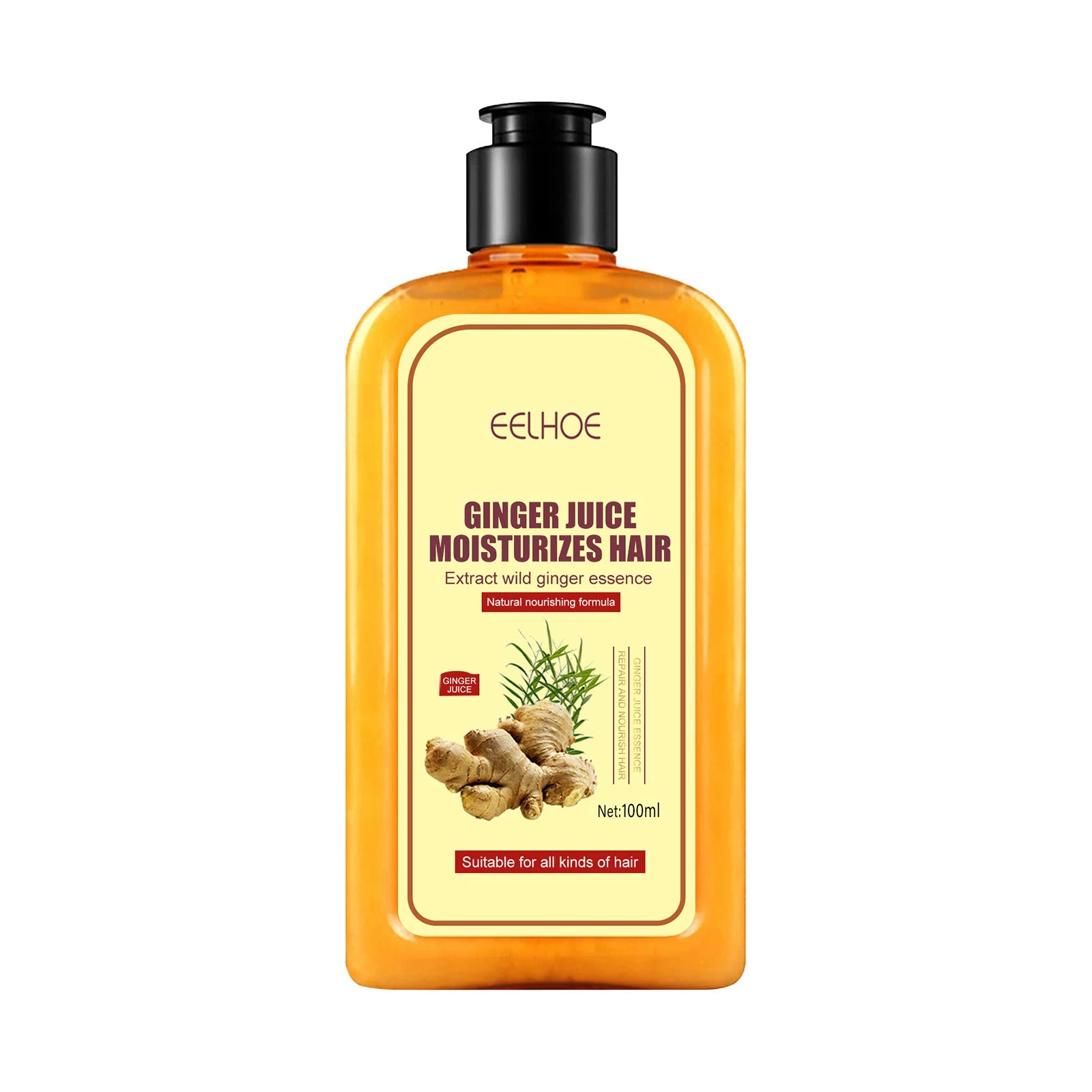
This shampoo belongs in the wash step. Its purpose is scalp cleansing and softer-feeling hair, rather than a leave-on scalp layer. The highlighted ingredients are not a complete concentration statement. If you use a medicated shampoo or a specific pre-shampoo treatment, keep its directions in place and decide whether an additional cleanser is necessary before adding another bottle.
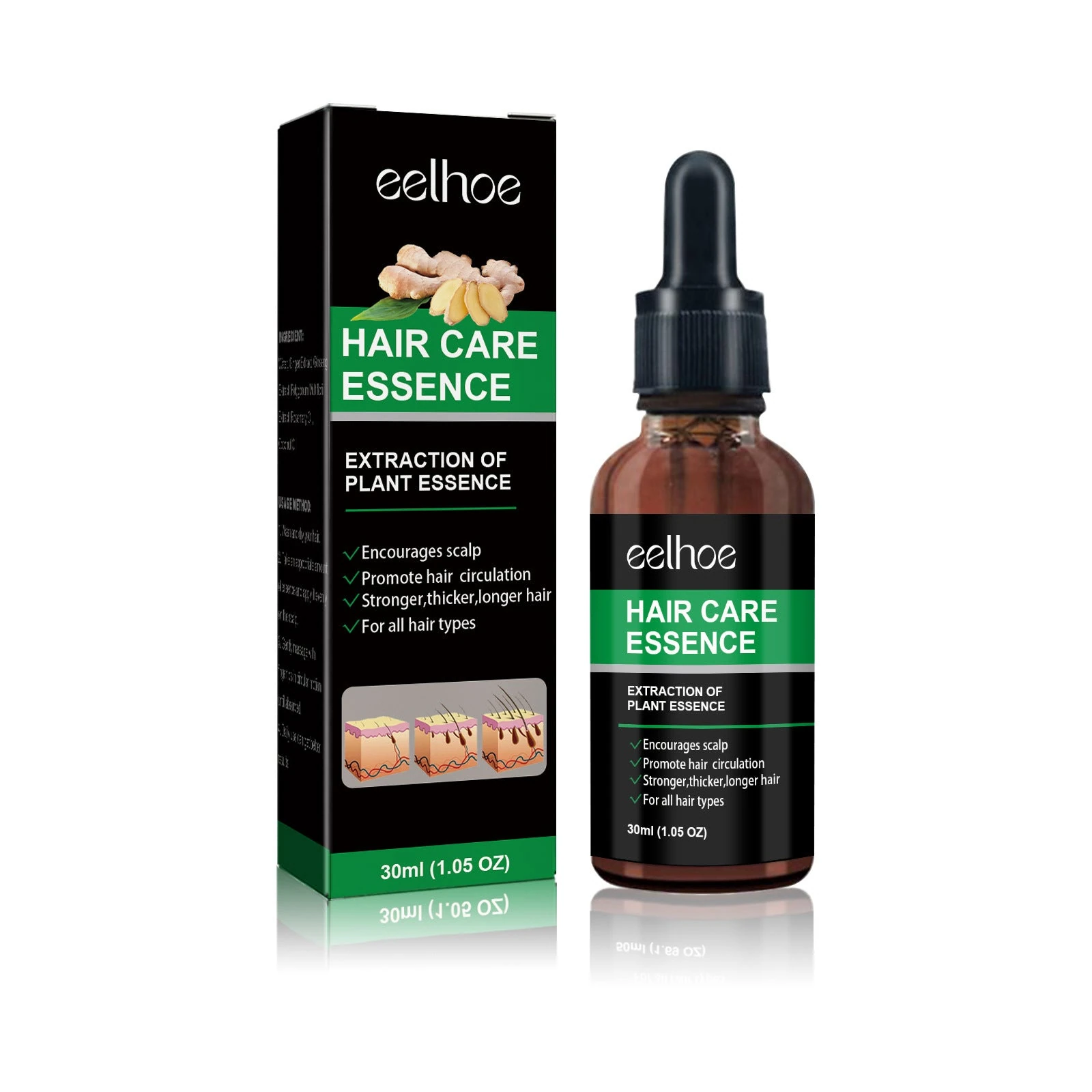
The essence contains ginger root oil within a water-based formula. That is different from buying a bottle of pure essential oil. Glycerin provides a concrete moisturizing ingredient to compare, while the dropper helps direct a small amount to the scalp. Use the finish on your own hair as the practical test: controlled placement matters more than saturating the roots or spreading scalp care through the lengths.
Step One: Plan the Wash Around Your Scalp
Use the shampoo's directions and adjust the routine to how your scalp and hair behave. An oily scalp and a scalp that feels dry after washing may need different discussions; there is no single schedule supplied by the phrase thinning hair.
The current GinGrowth 100ml shampoo is a rinse-off cleanser with ginger, coconut oil and Polygonum multiflorum highlighted in its product materials. Its guide describes wetting hair and scalp, lathering, gentle fingertip massage and thorough rinsing. It is an everyday-care choice, not a verified treatment for every hair-loss cause.
If you use a medicated dandruff shampoo, retain its own instructions. The AAD notes that directions and hair type matter, including the contact time on the label.
Step Two: Add Lightweight Scalp Care Only if Needed
A leave-on should solve a separate care preference, such as wanting a light moisturizing formula. The current 30ml essence guide describes use after washing and drying, a small amount directed to the scalp, gentle massage and leave-in use. It describes daily use, but that does not make daily serum a requirement for everyone with thinning hair.
Part the hair for placement. Do not increase the amount to wet the whole head or assume that a stronger sensation means better performance. If you are using a scalp medicine, check how an optional cosmetic fits its directions before layering.
For technique and applicator differences, read the scalp-serum application guide.
Step Three: Keep Between-Wash Care Manageable
Notice whether the roots feel coated, the scalp is comfortable and your styling choices are putting repeated tension on the hair. These observations can help you simplify the routine. They do not require a new product for every change in feel.
Keep leave-on use within its directions. Do not compensate for residue by adding another oil or exfoliant, and avoid aggressive brushing or scratching. If discomfort begins after a product change, reassess that product rather than assuming the scalp needs time to “detox.” Persistent symptoms deserve advice.
The Simplest Version of the Routine
Start with appropriate cleansing and hair-length care. Add any diagnosis-specific treatment exactly as instructed. Then decide whether an optional scalp cosmetic has a remaining job. If it does not, the routine can stop there.
When introducing something new, change one optional step at a time and note the date. A short record of comfort, residue and ease of use is enough to evaluate routine fit. You do not need an elaborate daily scoring system or a photograph after every wash.
Adjust the Plan to Your Situation
For flat-feeling roots, look at cleansing and product amount before choosing a richer formula. For dry hair lengths with a comfortable scalp, focus on the lengths instead of automatically applying oil to the scalp. For recurrent itchy flakes, consider the appropriate dandruff guidance and seek advice if symptoms persist.
For a diagnosed hair-loss condition, keep treatment follow-up separate from cosmetic preferences. The AAD describes minoxidil as an option that can stimulate growth and help prevent further loss in suitable cases, with results potentially taking six to twelve months. That timeline should not become a promise for the shampoo or essence in this guide.
If the concern is rough or fragile lengths, deep conditioning for thin hair explains rinse-out conditioning as a separate task from scalp treatment.
A Checklist for a Workable Routine
- Each product has a defined application area and purpose.
- Wash and treatment instructions are written down when they differ.
- Optional scalp care does not leave unwanted residue or persistent discomfort.
- You can explain what changed when a problem started.
- You have a plan to seek advice about new or ongoing thinning.
Frequently Asked Questions: Do I Need Both Shampoo and Scalp Serum?
You need an appropriate cleansing routine; a serum is optional. Choose it for a clear care role rather than to complete a set.
Can I use the same routine on every wash day?
A consistent basic structure can help, but medicated products and other treatments retain their own schedules and instructions.
Should I stop washing because I see shed hairs?
Visible shed hairs alone do not tell you why hair is thinning. Discuss a changing pattern with a dermatologist rather than abandoning scalp hygiene based on that observation.
Common Routine Mistakes
The first mistake is building a daily schedule from several brands' unrelated instructions. A pre-shampoo product, a leave-on and a medication should not inherit one another's timing. The second is measuring every benefit as growth: cleanliness, root appearance and comfort are separate outcomes.
The third is continuing a product that consistently causes discomfort because you expect an adjustment phase. Finally, avoid postponing assessment while cycling through bottles. A clearer diagnosis can make the routine simpler and the treatment decision more focused.
Choose the Next Step Your Routine Is Missing
Write a short wash-day sequence and identify the purpose of each step. If ordinary cleansing is what you need, compare the shampoo below. If your routine already covers cleansing and you want lightweight scalp care, review the essence separately. Keep the plan simple enough to follow and specific enough to evaluate.
Build the wash step first: review the shampoo’s ingredients and rinse-off directions.
Sources and Product Information
- American Academy of Dermatology: Hair loss—Diagnosis and treatment — Clinical education, accessed October 1, 2026; treatment benefits apply to the specified treatment and cause.
- American Academy of Dermatology: How to treat dandruff — Product-specific directions and hair-type considerations, checked October 1, 2026.
GinGrowth product details were checked October 1, 2026. This guide compares published information and current product specifications; it does not report a GinGrowth clinical trial or personal use test.