
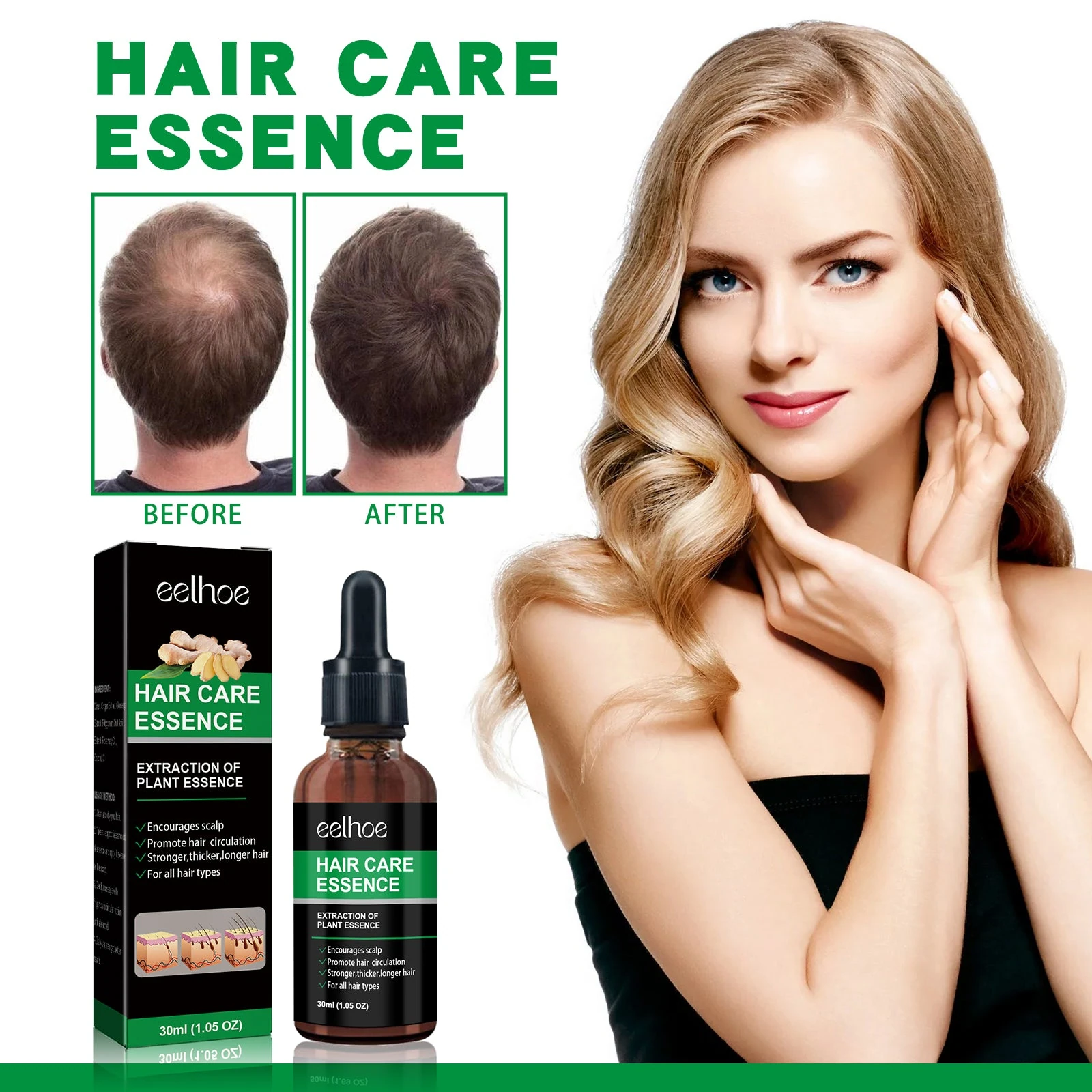
Treatments for thinning hair work best when selected for the cause of loss. Pattern hair loss, temporary shedding, breakage and inflammatory conditions do not share one universal treatment. Current options include medicines, selected procedures and changes to damaging hair habits; an ordinary shampoo or serum serves a separate cosmetic role. This 2026 guide organizes the choices by evidence and indication rather than ranking every product called growth.
The Main Decisions to Make First
Identify whether you are seeing gradual thinning, sudden shedding, patches or broken strands. Consider how long it has been happening and whether there are scalp symptoms or recent health changes. These observations help an assessment but do not diagnose the condition on their own.
The American Academy of Dermatology emphasizes finding the cause before choosing treatment. Some hair can regrow after a temporary trigger resolves; other conditions need treatment to prevent further loss.
Why the Cause Changes the Treatment
A clinician may examine the scalp, nails and other affected areas, ask about the course of loss and check whether hair breaks easily. Blood tests or a biopsy may be appropriate when the findings suggest a particular underlying issue. Not everyone needs every test.
This matters commercially because a treatment package can sound comprehensive while failing to address the actual cause. A good consultation explains what is suspected and why each proposed step is relevant.
For preparation before choosing treatment, the thinning-hair treatment decision guide organizes diagnosis, suitable options, costs and review questions.
Swipe the table sideways to compare all columns.
| Decision | Verified detail or question | What it means |
|---|---|---|
| Temporary or persistent | Cause and course of loss | Some situations differ in treatment need |
| Medicine | Suitability, maintenance and adverse effects | Follow professional and label instructions |
| Procedure | Indication, evidence and follow-up | Not a universal upgrade from cosmetics |
Evidence-Supported Options for Appropriate Patients
AAD describes minoxidil as a treatment that can stimulate growth and help prevent further loss. Many responders see some regrowth in about six to twelve months, with continued use needed to maintain benefit. Suitability and instructions depend on the product and individual situation.
Finasteride is described by AAD as FDA-approved for male pattern hair loss and can slow loss and stimulate growth when appropriately prescribed. Prescription decisions require consideration of health, potential adverse effects and pregnancy-related issues. This guide does not supply a dose or recommend borrowing another person’s medicine.
Procedures Are Different Treatment Decisions
AAD discusses options including platelet-rich plasma, laser approaches, selected injections and hair transplantation. These have different indications, evidence and commitments. Steroid injections for some alopecia areata cases should not be presented as a universal upgrade for pattern thinning.
Ask what population the evidence concerns, the likely maintenance and the risks for your diagnosis. A clinic photograph cannot by itself establish a procedure’s advantage over another option for you.
For an ordinary wash-day cleanser, review the 100ml Ginger Shampoo for Thinning Hair.
Keep Ordinary Washing and Handling alongside Treatment
The shampoo and conditioner support washing and handling of existing hair; they do not replace diagnosed treatment. GinGrowth sells the two products below.
Swipe the table sideways to compare all columns.
| Detail | 100ml Ginger Shampoo for Thinning Hair | Ginger Conditioner for Dry Damaged Hair |
|---|---|---|
| Format | Rinse-off liquid cleanser | Rinse-out conditioning cream in a jar |
| Ingredient highlights | Ginger, coconut oil and Polygonum multiflorum highlighted in the product materials. | Aqua, cetrimonium chloride, dimethicone, 1,2-hexanediol and ginger root oil in the ingredient artwork. |
| Application | Wet hair and scalp, lather, massage gently with fingertips and rinse thoroughly. | After washing, gently remove excess water, distribute through dry-feeling lengths and ends, then rinse thoroughly. Follow the jar for any waiting time. |
| Reason to compare | Choose for ordinary cleansing of oil and everyday buildup, with a softer-hair focus. | Choose for slip, softness and easier handling of dry lengths. |
View 100ml Ginger Shampoo for Thinning Hair or compare Ginger Conditioner for Dry Damaged Hair. Review the current product page for price and package details.
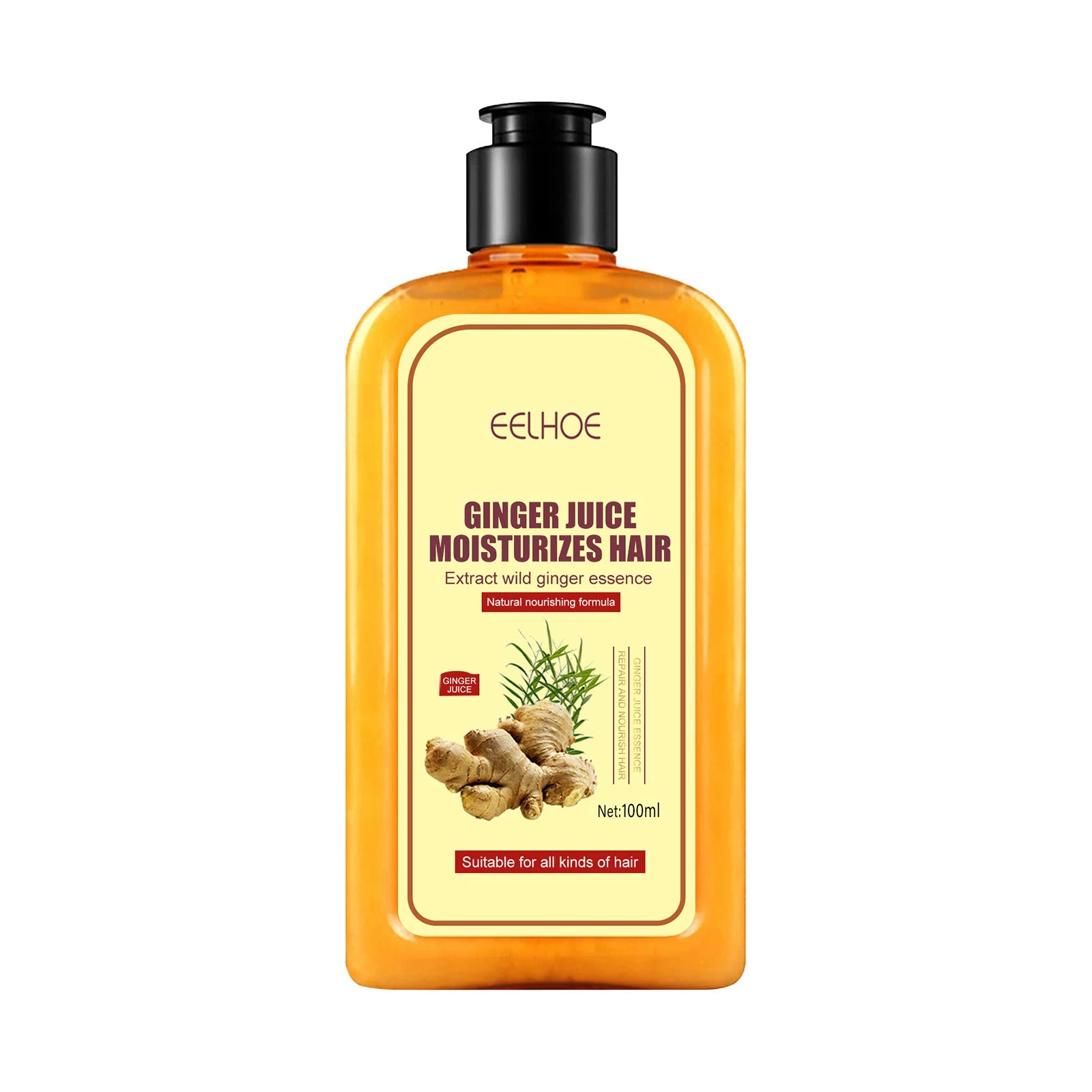
This shampoo belongs in the wash step. Its purpose is scalp cleansing and softer-feeling hair, rather than a leave-on scalp layer. The highlighted ingredients are not a complete concentration statement. If you use a medicated shampoo or a specific pre-shampoo treatment, keep its directions in place and decide whether an additional cleanser is necessary before adding another bottle.
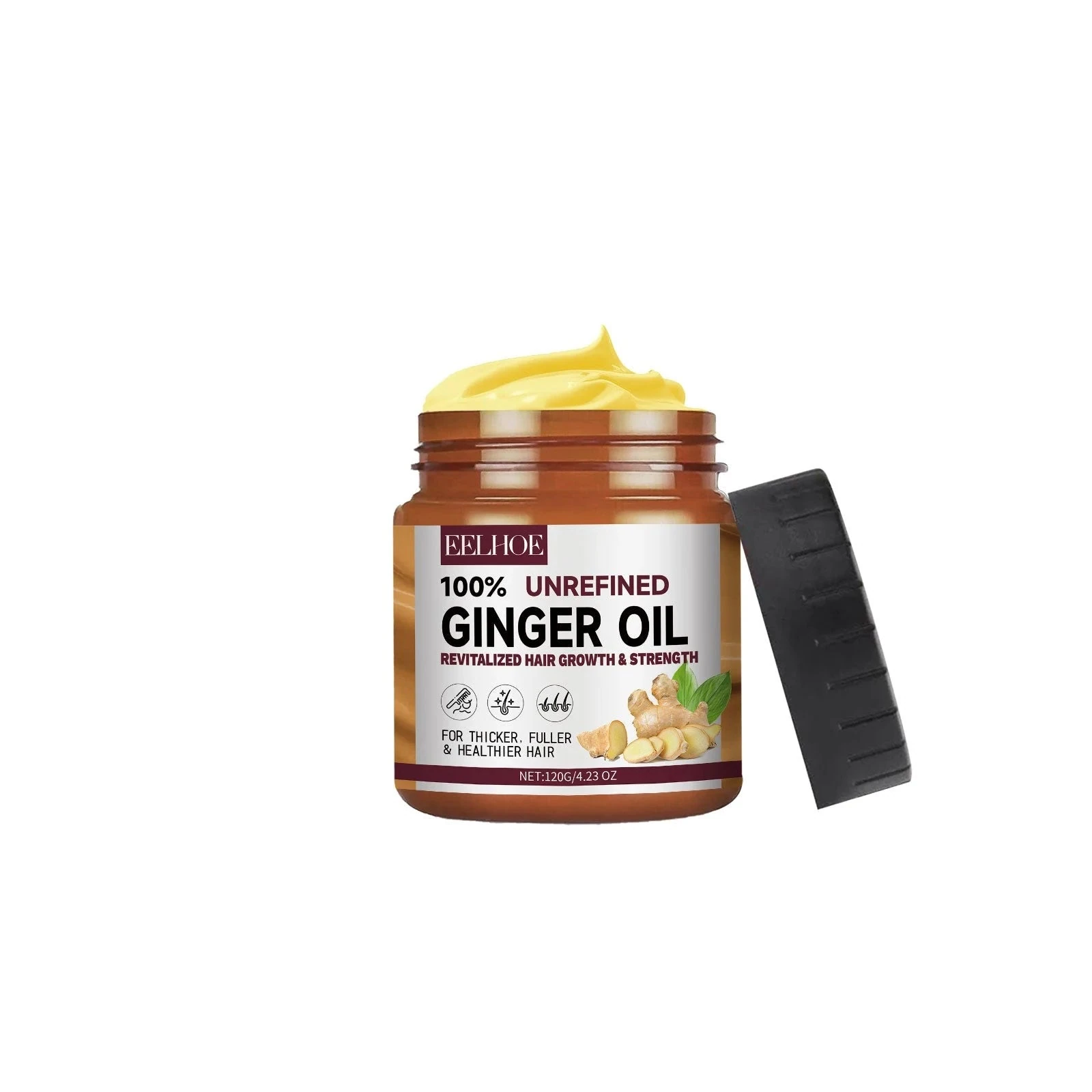
This is a finished conditioner, even though the front artwork uses the words Ginger Oil. Cetrimonium chloride and dimethicone are concrete conditioning ingredients to compare. The supplied directions do not establish a fixed waiting time or an overnight treatment. Some range images show ginger and rosemary jars together; the listing is for the ginger conditioner rather than a two-jar set.
Choose a Plan You Can Understand
Write down the diagnosis or working diagnosis, intended outcome, application or appointment schedule and review date. Ask how benefit and side effects will be assessed, what continued treatment may involve and what would prompt a change.
Convenience matters because a plan must be usable. It should not, however, become the only criterion: the easiest cosmetic application does not automatically replace a medicine with appropriate evidence.
Avoid Common Comparison Errors
Do not transfer studies from a raw ingredient to every finished formula. Do not confuse less breakage with more hairs or a proportion of satisfied respondents with a percentage density gain. Check whether an impressive study involved a combination regimen.
Also avoid treating the year 2026 as evidence of a new breakthrough. This page uses current guidance, but no treatment becomes more effective because an article’s title has been refreshed.
What to Track during Treatment
Use the agreed review interval, not daily fluctuations in a mirror. Photographs are more useful when lighting, camera distance, part placement and styling stay consistent. Record irritation and practical problems as well as appearance changes.
If symptoms worsen or new concerning changes develop, contact the professional managing care. Do not interpret every adverse reaction as a necessary phase or increase a dose to compensate for slow visible progress.
For a workable care sequence, organizing a thinning-hair routine keeps cleansing, length conditioning, prescribed treatment and optional scalp moisture separate.
Frequently Asked Questions
Can thinning hair always be restored?
No. Response depends on the cause, extent and treatment. No option works for everyone, and expectations should be discussed for the specific diagnosis.
Do shampoos count as hair-loss treatment?
Some products have particular labeled roles, but an ordinary cosmetic cleanser’s ingredients do not establish regrowth. Use it for washing unless a separate supported claim applies.
Should I add vitamins automatically?
No. AAD discusses supplements when a deficiency is identified. Unnecessary extra nutrients are not a universal solution for thinning.
Can a procedure replace the need for follow-up?
Do not assume so. Maintenance, outcomes and risks differ, and follow-up belongs in the plan before committing.
Where Ordinary Care Fits
GinGrowth sells the shampoo and conditioner below for cleansing and easier handling of dry lengths. They are not represented as a treatment for a diagnosed cause of loss. A comfortable wash routine can support daily care while medical decisions remain tied to their own evidence and instructions.
Choose the care step only when it solves a separate need. Keep the medicine, procedure and cosmetic product names distinct in your record so you can describe exactly what changed at follow-up.
Keep the cosmetic wash routine and the medical treatment plan clearly identified.
Sources and Product Information
- AAD: Hair loss diagnosis and treatment — Official product or guidance page checked October 1, 2026; findings retain their product and population scope.
- NHS: Hair loss — Official product or guidance page checked October 1, 2026; findings retain their product and population scope.
GinGrowth product details were checked October 1, 2026. This guide compares published information and current product specifications; it does not report a GinGrowth clinical trial or personal use test.