
Ayurvedic treatment for hair thinning can include traditional products, diet and lifestyle practices, but traditional use is not the same as evidence that a particular formula regrows hair. The useful starting point is to distinguish conditioning existing strands, making scalp care comfortable and treating the cause of loss. Keep a preferred botanical routine compatible with proper assessment and any treatment already prescribed.
Which Approaches Have a Clear Role?
Gentle handling, suitable cleansing and length conditioning have practical care roles. An oil can lubricate hair or provide a richer scalp feel when its label permits that use. Those benefits should be described directly instead of being converted into a promise of new follicles.
The NCCIH overview reports limited well-designed clinical research on Ayurvedic approaches and little scientific evidence for many health claims. It does not establish a universal Ayurvedic hair-regrowth regimen.
Traditional Explanations and Medical Diagnosis
Ayurveda has its own traditional framework for health, involving products, diet, exercise and lifestyle. Readers may value that cultural context. A traditional explanation, however, should not be presented as a laboratory diagnosis of why a person is shedding hair.
Pattern hair loss, breakage, temporary shedding and inflammatory scalp conditions require different decisions. If thinning continues, a dermatologist can examine the scalp and determine whether further tests or treatment are appropriate.
Swipe the table sideways to compare all columns.
| Decision | Verified detail or question | What it means |
|---|---|---|
| Traditional use | Cultural practice and product history | Not by itself a clinical regrowth trial |
| Topical versus oral | Different preparations and exposures | Review exact ingredients and interactions |
| Oil routine | Area, contact time and rinse instructions | Do not assume every blend belongs overnight |
How to Read Herb and Oil Claims
Amla, bhringraj, brahmi and other botanicals can appear in traditional hair products. Their names do not identify a standardized concentration, complete formulation or clinical endpoint. Check the exact product rather than assuming all bottles with the same herb have equivalent evidence.
Similarly, rosemary extract, rosemary essential oil and a multi-ingredient oil blend are different materials. A study on one preparation should not be transferred to another solely because both use the word rosemary.
For the broader botanical decision, evaluating a plant-based scalp serum focuses on finished formulas, instructions and evidence rather than the plant name alone.
Use the Product’s Instructions, Not a Universal Oil Ritual
Confirm whether a product belongs on the scalp, lengths or both and whether it should rinse out. An overnight option on one bottle does not establish that every botanical mixture should stay on all night. Contact time and frequency should come from the current package.
Avoid copying a drops-per-section recipe from a different preparation. If directions are unclear, obtain clarification instead of assuming a stronger scent or more oil produces a greater benefit.
For a water-based botanical moisturizing step, review the 40ml Ginger Hair Tonic for Scalp & Roots.
Compare Botanical Care by Texture and Ingredients
These botanical cosmetic formats are not presented as certified Ayurvedic medicines or studied regrowth replacements. GinGrowth sells the two products below.
Swipe the table sideways to compare all columns.
| Detail | 40ml Ginger Hair Tonic for Scalp & Roots | 30ml Ginger Scalp Oil Serum for Dry Scalp |
|---|---|---|
| Format | Water-based dropper tonic | Oil-based dropper blend |
| Ingredient highlights | Ginger extract, glycerin, sodium PCA and panthenol, alongside aqua, in the product artwork. | Mineral oil, hydrogenated castor oil, olive oil, tocopherol, rosemary leaf oil and ginger root extract in the artwork. |
| Application | Part hair, apply a small amount, massage gently for 2–3 minutes and leave on. Follow the current bottle for frequency. | After washing and drying, apply a small amount and spread gently. Follow the bottle for timing, frequency and rinse instructions. |
| Reason to compare | Choose for a larger dropper format with humectant and conditioning ingredient highlights. | Choose for an oil-based conditioning feel when you tolerate richer textures. |
View 40ml Ginger Hair Tonic for Scalp & Roots or compare 30ml Ginger Scalp Oil Serum for Dry Scalp. Review the current product page for price and package details.
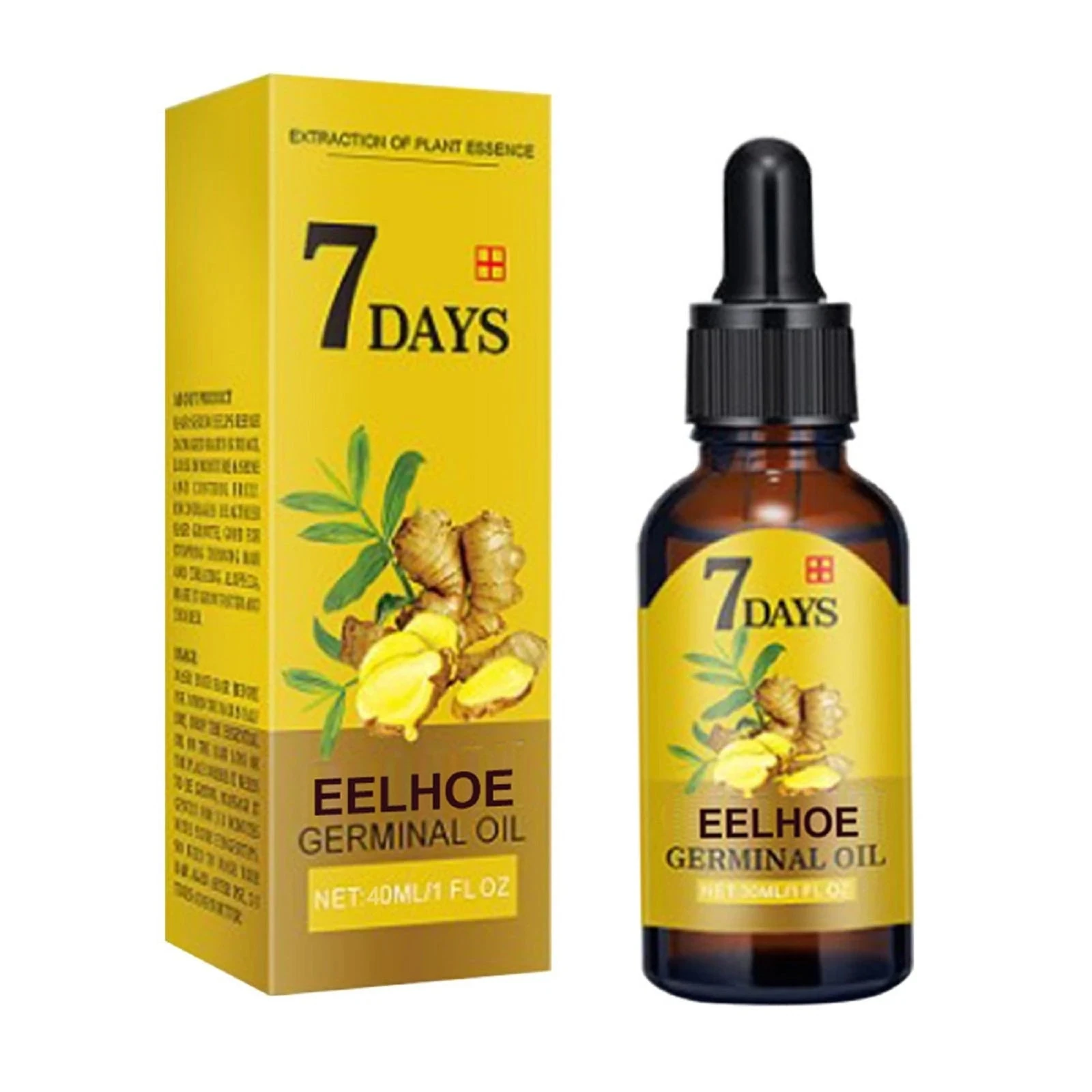
Glycerin and sodium PCA are moisture-binding ingredients, while panthenol is used for conditioning. The highlighted ingredient graphic is not a percentage breakdown. The word tonic describes this product choice; it does not establish a stronger concentration than the smaller essence. Compare the ingredients you prefer and whether direct dropper placement feels convenient in your routine.
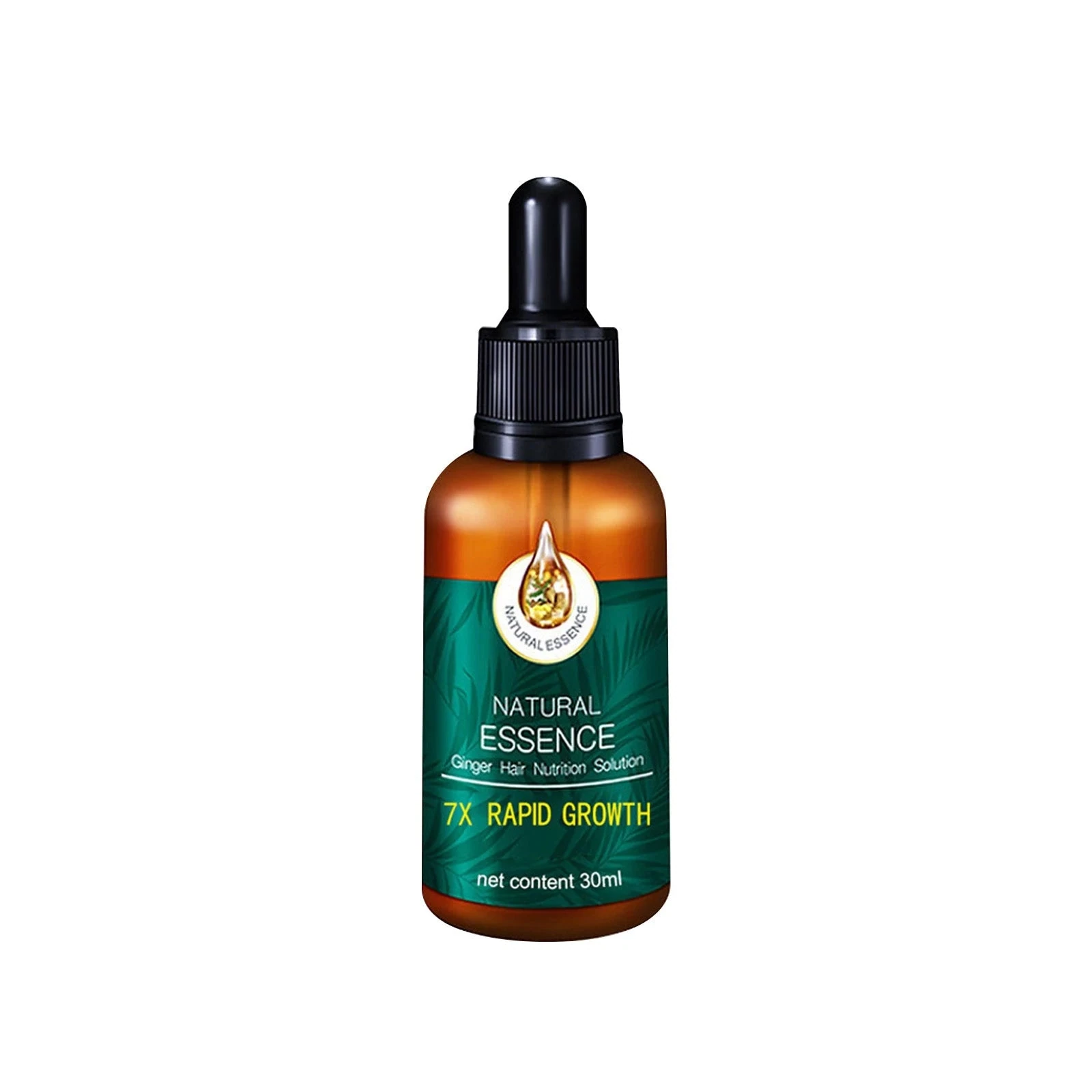
This oil blend gives you a different texture to compare with water-and-humectant formulas. It can feel more noticeable at the roots, so start sparingly and assess residue. The supplied guide does not establish an overnight treatment or a pre-wash soaking time. Botanical oils are still ingredients to check against personal sensitivities, even when you prefer an oil-based care routine.
Internal Remedies Need Their Own Review
An oral herbal preparation and a cosmetic oil involve different exposures. Tell your healthcare professional about supplements, teas and medicines you use. A familiar traditional name does not establish compatibility with every prescription or health condition.
NCCIH notes that some Ayurvedic preparations contain lead, mercury or arsenic in potentially harmful amounts. That concern is not a claim that every botanical cosmetic contains metals; it is a reason to evaluate the exact preparation and supplier rather than treating natural as a complete quality standard.
Scalp Massage Is Gentle Handling
If the product directs massage, use light fingertip pressure and avoid scratching. Massage can help distribute a formula and make application pleasant. It should not be advertised here as proven restoration of follicles through increased circulation.
Do not apply force over painful, inflamed or broken skin. If massage pulls or tangles fragile hair, adjust handling rather than interpreting discomfort as necessary stimulation.
Nutrition Should Address Actual Needs
A balanced diet supports general health, but there is no single meal plan in the sources reviewed here that reverses every form of thinning. Unnecessary restriction can make nutrition harder to maintain. Discuss suspected deficiencies or substantial dietary changes with a qualified professional.
The AAD recommends testing and supplementation when appropriate to the cause. More biotin or another nutrient is not automatically better when no deficiency has been identified.
Lifestyle Support Has Value without a Regrowth Guarantee
Sleep, activity and stress support can make a care routine easier to maintain and support wellbeing. That is different from promising a particular percentage of density improvement. Do not assign a hair-growth timeline to yoga or a stress-management practice without relevant evidence.
If hair loss is affecting confidence or mood, mention that impact during an appointment. Emotional support can be useful alongside medical and cosmetic care rather than waiting for visible regrowth first.
Track the Change You Can Actually Observe
For conditioning, note slip, tangling and breakage during handling. For scalp care, note comfort and residue. For hair-loss treatment, follow the clinician’s outcome and review schedule.
Photographs are easier to compare when the part, light, distance and styling stay consistent. A shinier or freshly styled strand can look fuller without demonstrating that the number of growing hairs increased.
Choose a Botanical Product Transparently
GinGrowth sells the tonic and oil compared below as distinct cosmetic formats. The tonic highlights humectants and conditioning ingredients; the oil offers a richer blend. Neither is presented as a certified Ayurvedic medicine or a studied replacement for a prescribed treatment.
If your requirement is a particular traditional preparation, verify its identity separately. If the practical need is moisture or a preferred texture, compare those established features without requiring an unsupported therapeutic story.
For the rosemary-specific evidence, the rosemary oil and serum evidence review explains what the studied preparation can and cannot tell you about another finished formula.
When Professional Assessment Comes First
Seek advice for sudden patches, scalp pain, sores, marked inflammation or continuing loss. NCCIH specifically advises against using Ayurvedic care to postpone conventional assessment of a medical problem.
Bring the labels or ingredient lists of products you use. That helps the clinician evaluate possible irritation, interactions and whether the cosmetic routine is making treatment harder to apply.
Frequently Asked Questions
Can an Ayurvedic oil guarantee regrowth?
No. Evidence depends on the exact preparation, cause of loss and study. Traditional use alone does not establish a universal outcome.
Is every ginger product Ayurvedic?
No. An ingredient does not confer a whole medical system’s identity, certification or evidence on a cosmetic formula.
Should I leave oils on overnight?
Only when the exact product’s instructions support that use and it is appropriate for you. Longer exposure is not automatically better.
Can I combine herbs with prescribed treatment?
Discuss the exact products with the professional managing your care, especially for oral preparations. Do not assume a universal combination is suitable.
Keep Preference and Evidence Together
Choose botanical care for a purpose you can describe and a formula you can identify. Preserve any credible product-specific findings with their limits, and keep diagnosis central when loss is progressing. A useful routine can respect traditional preferences without claiming more than the evidence shows.
Select the texture and verified ingredients that fit your care needs.
Sources and Product Information
- NCCIH: Ayurvedic Medicine — Official product or guidance page checked October 1, 2026; findings retain their product and population scope.
- AAD: Hair loss diagnosis and treatment — Official product or guidance page checked October 1, 2026; findings retain their product and population scope.
- AAD: Causes of scalp itch — Official product or guidance page checked October 1, 2026; findings retain their product and population scope.
GinGrowth product details were checked October 1, 2026. This guide compares published information and current product specifications; it does not report a GinGrowth clinical trial or personal use test.