
The best hair growth serum for Black women depends on the problem you are trying to solve: dry-feeling scalp, fragile lengths, thinning edges and a widening part need different decisions. A cosmetic scalp serum can fit a care routine, but it should not be presented as a treatment for every cause of hair loss. For everyday scalp care, compare the formula, application area and residue. For new or progressing thinning, seek a diagnosis rather than waiting for an oil to regrow hair.
Updated October 9, 2026. This guide draws on American Academy of Dermatology guidance and current product information. GinGrowth sells the cosmetic options shown below; this is a label-based comparison, not a personal wear test or a clinical ranking of serums for Black women.
Quick takeaways: choose for the concern, not a growth promise
If your main issue is roughness or snapping along the lengths, start with conditioning and gentler handling. If the scalp feels dry but looks otherwise normal, a small, targeted cosmetic step may be worth comparing. If your edges are receding or the center of your scalp is thinning, changing a bottle is not enough: tension and medical causes deserve attention.
| What you notice | First decision | Role of a cosmetic serum |
|---|---|---|
| Rough lengths or snapping ends | Review conditioning, detangling and heat or chemical exposure. | A scalp serum does not replace care for the hair shaft. |
| Dry-feeling, otherwise comfortable scalp | Check ingredients, application area and tolerance. | An optional targeted scalp-care step, judged by comfort and residue. |
| Painful braids or receding edges | Reduce tension and seek advice about persistent loss. | Cannot offset a hairstyle that keeps pulling. |
| New crown thinning, patches or scalp pain | Arrange a professional assessment. | Not a substitute for identifying and treating the cause. |
The AAD explains that diagnosis guides hair-loss treatment. Short pieces of broken hair and hairs shed from the root can coexist, so a home observation is not a reliable diagnosis. Bring photographs and details about styling, medications and when changes began to an appointment.
Why Black hair care needs attention to texture and styling
Black women do not share one curl pattern, strand thickness, scalp condition or styling routine. Fine coils can feel overloaded by a rich oil, while coarse lengths can need conditioning without requiring more product on the scalp. Relaxed, colored and heat-styled hair also introduces different handling needs. A racial category alone cannot tell you which ingredient will work or how often to apply it.
The AAD's Black hair care guidance emphasizes minimizing damage, using conditioner when washing and keeping braids, cornrows and weaves from being too tight. These steps support the existing hair. Length retention and new follicle growth are separate outcomes; a smoother-feeling strand is not proof that a serum has changed the growth cycle.
Pay particular attention to a new thinning area at the crown. Central centrifugal cicatricial alopecia, or CCCA, is a form of potentially permanent hair loss more commonly seen in Black women. It often begins near the center of the scalp, and early treatment matters. This does not mean every widening part is CCCA. It means crown thinning, especially with burning, tenderness or itching, is a reason for assessment rather than a longer cosmetic trial.
For the practical styling question, a scalp-serum routine for Black hair covers gentle scalp access and keeping length care separate from scalp application.
Which ingredients belong in a useful comparison?
Begin with the finished formula and the job it is meant to do. Glycerin, sodium PCA and panthenol appear in the cosmetic options discussed here for moisture-related or conditioning roles. Their presence does not demonstrate treatment of traction alopecia, CCCA or pattern hair loss. An ingredient illustration also does not disclose concentrations or replace the complete label.
| Label detail | Useful comparison | What it does not establish |
|---|---|---|
| Glycerin, sodium PCA or panthenol | Moisture-related and conditioning ingredients in a complete formula. | A measured increase in hair count. |
| Oils and botanical extracts | The oil or water-based format, residue and personal sensitivities. | That natural ingredients are always gentle or treat thinning edges. |
| Ginger, caffeine, biotin or rosemary in a headline | Whether the exact finished formula has relevant evidence. | A proven result for every cause of hair loss or every curl type. |
| A medicine such as minoxidil | Its specific indication, warnings and directions, with appropriate advice. | That it suits every person or can be replaced by a cosmetic. |
Be cautious with the phrase “proven growth ingredients.” The limited rosemary trial discussed in our rosemary serum evidence guide does not validate every rosemary blend. Ginger, biotin or caffeine on a label likewise does not establish that the complete serum regrows edges. We have not established a clinical regrowth result for the GinGrowth cosmetics compared below.
“Natural,” “clean” and “for 4C hair” do not establish individual tolerability. Fragrance or botanical ingredients may be unsuitable for a particular person. Conversely, a long chemical name or the presence of a preservative is not, by itself, a reason to call a formula harmful. Compare ingredients you know you react to and request the full label when the available panel only highlights selected ingredients.
Match the format to your scalp and styling routine
COMPARE COSMETIC SCALP CARE
Choose a dropper for your scalp-care routine
For everyday scalp care, compare these two water-based dropper products sold by GinGrowth. Choose by bottle size and ingredient combination. If your main concern is dry lengths, start with conditioning those lengths instead.
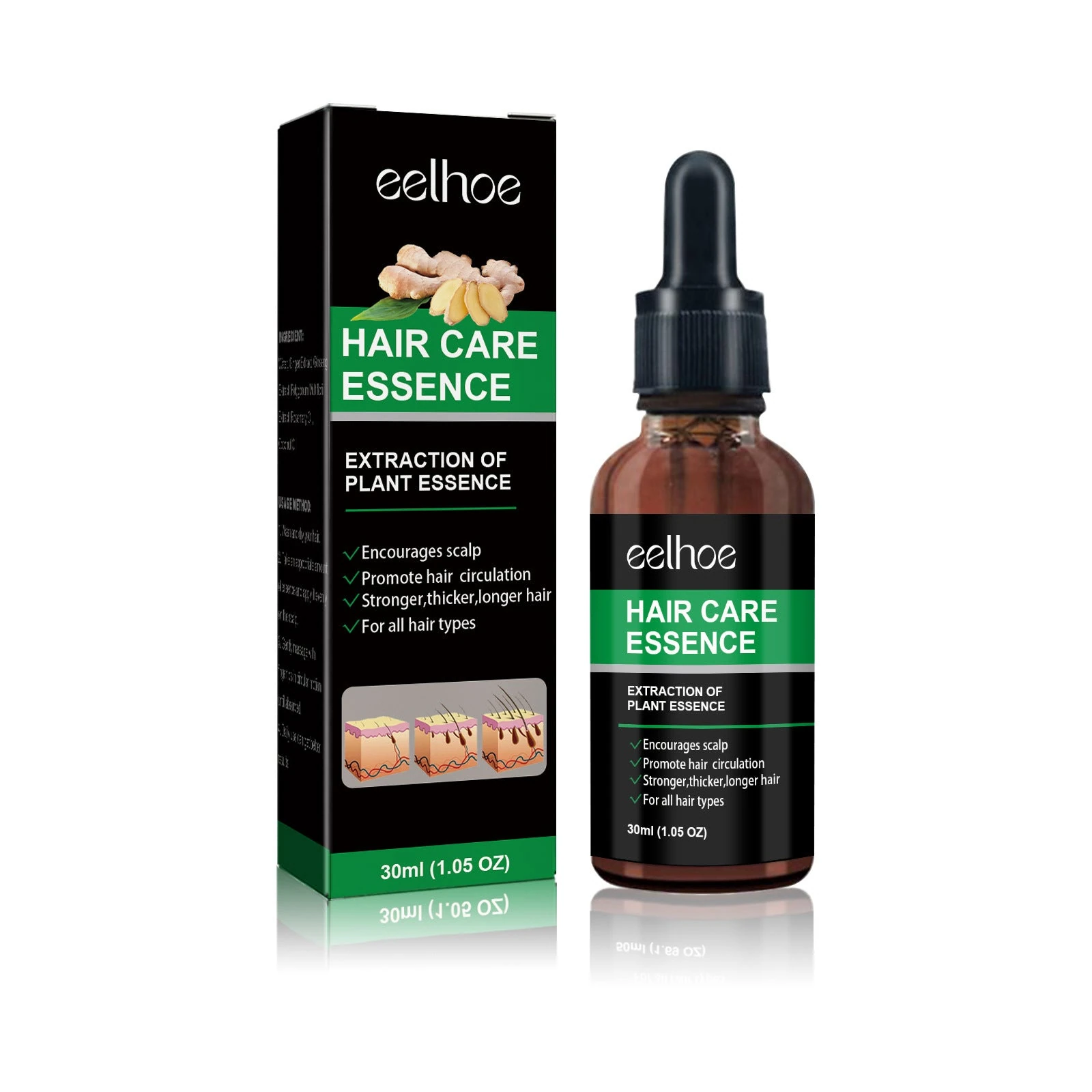
30ml lightweight scalp essence
A smaller 30ml bottle with ginger root oil, glycerin and Polygonum multiflorum extract. Use the dropper for direct scalp application.
See the 30ml lightweight scalp serum and directions →40ml ginger hair tonic
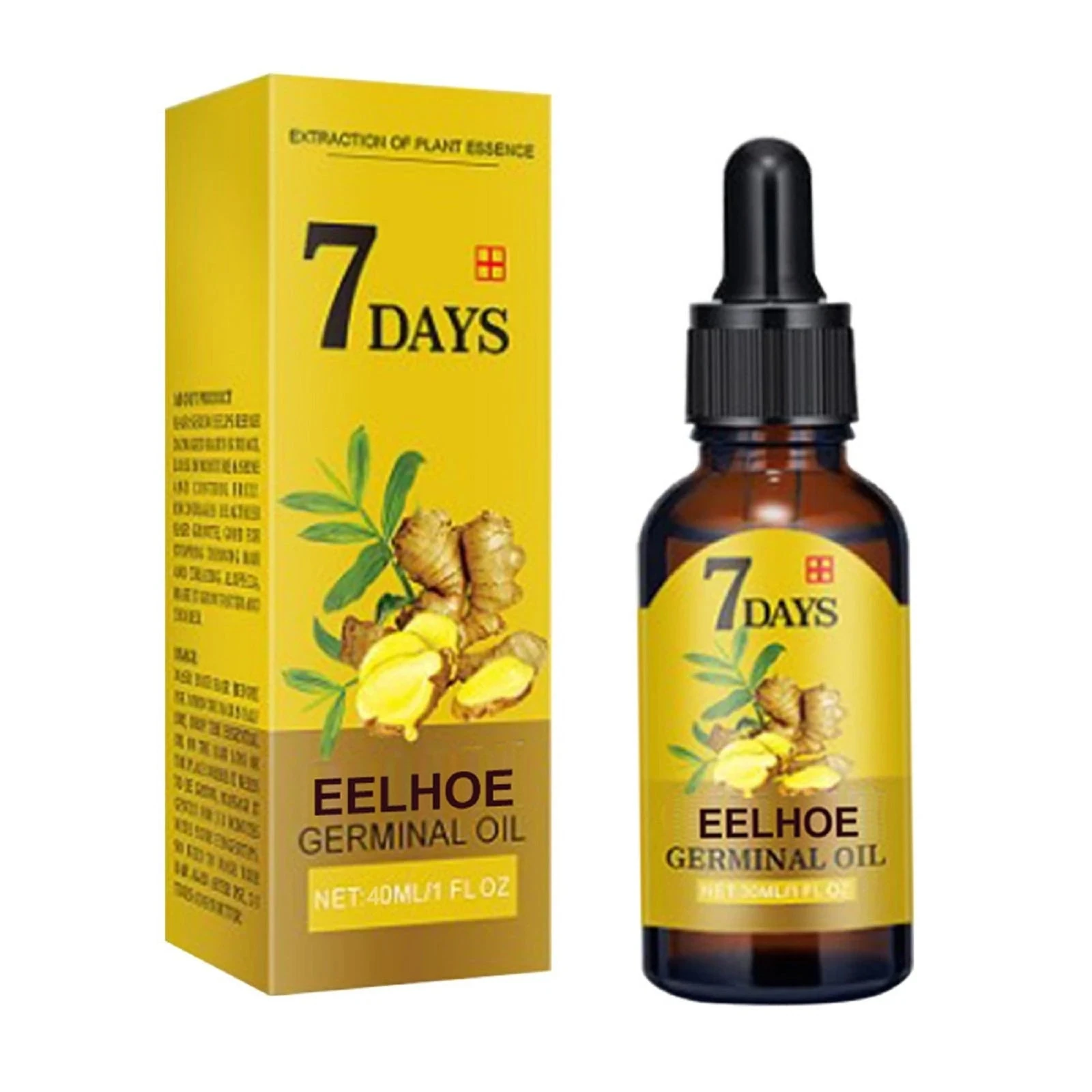
A larger 40ml bottle with ginger extract, glycerin, sodium PCA and panthenol. Like the 30ml serum, it is a water-based dropper product for scalp application.
Compare the 40ml scalp-and-root tonic →For roots that feel easily coated, consider a fluid product applied only along accessible partings. A dropper can help with placement, but does not guarantee a weightless finish at any dose. For hair kept in braids or beneath a wig, access to the scalp, comfort and cleansing matter more than adding another layer every day. If you cannot inspect or comfortably reach the area, reconsider the routine before buying a serum.
For dry lengths or a shine-focused goal, compare a product intended for the hair shaft. A scalp serum does not replace rinse-out conditioner. Keeping these jobs separate also makes the purchase decision clearer: choose a scalp format for scalp care, and a conditioner or finishing product for lengths.
For curls or a style that makes scalp access difficult, applying scalp serum with curly hair covers gentle parting, placement and avoiding unnecessary saturation.
How to use a scalp serum without overloading the routine
- Check the application area and label. Confirm whether the product is intended for scalp, lengths or both, and whether it stays on or rinses out. Do not transfer the directions from a conditioner to a serum.
- Make the scalp accessible. Part the hair gently. Avoid pulling at edges or scratching with an applicator. Do not apply a cosmetic serum to broken or inflamed skin.
- Use the product's stated amount and preparation. The 30ml essence guide starts after washing and drying. The 40ml tonic describes a small scalp-and-root application. Neither instruction establishes a universal drop count for every hairstyle.
- Spread gently and follow timing. Leave these water-based options in as directed. More pressure or a longer massage is not a demonstrated way to accelerate growth.
- Check comfort before adding anything else. Introduce one new product at a time. Stop if burning, rash, swelling or worsening irritation develops.
- Keep cleansing and styling practical. Adjust cosmetic use around your normal wash routine and the bottle instructions. Do not postpone cleansing merely to keep accumulating serum under a style.
If you are comparing the lighter option, read the 30ml essence ingredient highlights and application guide before choosing. The useful question is whether its actual format fits your routine, not whether its name contains “growth.”
Common mistakes with edges and protective styles
A protective style still needs to be comfortable. The AAD's traction alopecia guidance says pain, stinging and other signs of excessive pulling warrant changing the hairstyle. Serum cannot cancel mechanical tension from a tight installation, heavy extensions or repeated pulling at the hairline.
Other avoidable mistakes include layering several new botanicals, assuming a tingling sensation proves effectiveness, and applying scalp products through all the lengths because more coverage seems better. A “sulfate-free” claim does not answer whether a leave-in contains something you react to. Nor does a product's popularity establish a result for your own cause of thinning.
What results and timeline are realistic?
Separate routine observations from hair-growth outcomes. After using a cosmetic, you can note residue, ease of application and scalp comfort. You cannot infer new growth from those observations. There is no verified six- or eight-week regrowth schedule for the GinGrowth options in this article.
| Observation | What it can tell you | What it cannot prove |
|---|---|---|
| Comfort, residue and ease of placement | Whether the cosmetic step fits your routine. | That follicles are growing new hair. |
| Snapping or roughness along lengths | A reason to review handling and conditioning. | The diagnosis behind scalp thinning. |
| Hairline, part or crown photographs | A consistent record to discuss with a clinician. | That the serum caused a change. |
| Burning, tenderness or progressing patches | A reason to stop experimenting and seek assessment. | A normal phase that must be endured for regrowth. |
Photographs taken with the same parting, lighting and distance may help describe change, but do not establish its cause. A different braid pattern, stretch or amount of oil can alter the visible scalp. Do not wait for a planned photo date when thinning is progressing or the scalp hurts.
Can a serum fit alongside other treatments?
If you use minoxidil or a prescribed scalp treatment, ask your clinician or pharmacist how an optional cosmetic fits around it. There is no single layering interval that is correct for every formula. Keep the medicine's directions intact rather than diluting it in another serum or substituting an oil on treatment days.
Conditioner serves a different role. You can organize wash-day care around a rinse-out conditioner for the lengths and assess an optional scalp product separately. Do not add supplements solely because a topical routine includes biotin or because an influencer pairs them together; the AAD discusses supplements in the context of a diagnosed deficiency.
A practical ginger serum option, with clear limits
The 30ml lightweight essence is the primary cosmetic option here because its water-based dropper format and scalp-focused instructions match readers comparing a lighter scalp step. It is not a “fast growth” recommendation. The 40ml tonic is an alternative format with a different set of highlighted ingredients and bottle size, not a stronger version proven to deliver more regrowth.
Neither product has been shown here to work differently according to race, curl category or protective style. Choose on the documented formula and practical fit. If your actual need is shine, detangling or softening dry ends, a hair-length product may be the better purchase.
Buying guide: the details that matter
Check the complete ingredient label, bottle size, application area, rinse instructions and current price. A cost-per-milliliter comparison is possible when sizes and prices are known; a cost-per-month estimate is unreliable without a measured dose and schedule. We do not assume a 30ml bottle lasts a month or that a larger bottle contains a higher concentration.
Read reviews for practical details such as applicator access, residue and packaging, while remembering that someone else's hair change does not establish a clinical result. Packaging photographs and before-and-after marketing are also not substitutes for a controlled study of the finished product.
Frequently asked questions
What is the best hair growth serum for Black women?
There is no universally best serum established by this comparison. Start by distinguishing scalp care, breakage and hair loss. For cosmetic scalp care, compare placement, ingredients and texture. For a widening part or thinning edges, determine the cause before relying on a growth claim.
Will ginger serum regrow thinning edges?
A regrowth result is not established for these products. If styling tension is involved, reducing that tension is essential. Persistent hairline loss deserves evaluation because traction-related loss can become permanent.
Can I use a serum with braids, a wig or relaxed hair?
Check the specific label and scalp condition. Avoid applying to irritated areas or using serum to tolerate a painful style. Being able to reach and inspect the scalp matters; no blanket schedule covers every installation or chemical treatment.
Should serum go on wet or dry hair?
Follow that product's directions. The 30ml essence's current guide says to wash and dry first; that does not establish the correct preparation for every scalp serum.
Does a hair serum improve shine or length retention?
A product intended for the lengths may improve their feel or finish, while conditioner and gentler handling support an appropriate care routine. Those outcomes should not be described as proof of faster follicle growth or treatment of scalp disease.
Choose the next step that matches the problem
For an otherwise comfortable scalp and a lighter cosmetic step, compare the 30ml essence's formula and directions. For painful styling, change the tension. For persistent or progressing hair loss, arrange an assessment. Keeping those decisions separate helps you spend on the care you need and avoids asking a cosmetic to solve an undiagnosed problem.
Compare the lightweight scalp option
Review the 30ml bottle, ingredient highlights and application guide before adding a new step.
View the 30ml lightweight scalp serum →Sources: AAD Black hair care, traction alopecia, CCCA overview, and hair-loss diagnosis and treatment, accessed September 30, 2026. The AAD does not endorse the commercial products in this article.