
Rosemary serum for hair growth has a limited evidence base: a small randomized trial studied a rosemary oil preparation, not every retail serum sold under the rosemary name. It reported improved hair counts after six months in people with androgenetic alopecia, but does not establish that a cosmetic blend is equivalent to minoxidil or will regrow hair within weeks. Choose a product by its actual formula, intended use and evidence for the finished product.
Updated September 30, 2026. GinGrowth sells the cosmetic products compared below. This is a research-and-label guide, not a hands-on trial, independent product ranking or claim that our formulas reproduce the published study. The study records were reviewed from archived September 14, 2026 abstracts; product information and the accessible clinical guidance were checked September 30.
What did the rosemary oil study actually find?
The 2015 trial by Panahi and colleagues, published in Skinmed, randomly assigned 100 people with androgenetic alopecia to rosemary oil or 2% minoxidil, with 50 participants in each group. The researchers assessed participants at baseline and at three and six months, using standardized professional microphotographs. These details matter because the result concerns a defined diagnosis and comparison, not every reason someone notices thinning.
| Study detail | Reported finding | What to avoid concluding |
|---|---|---|
| Participants and comparator | 100 people with androgenetic alopecia; 50 per group; rosemary oil versus 2% minoxidil. | A test of every serum, 5% minoxidil or every hair-loss diagnosis. |
| Three months | No significant mean hair-count change in either group. | A promise of visible regrowth within weeks. |
| Six months | Both groups increased hair counts compared with baseline and three months. | That a different retail blend will produce the same change. |
| Between groups | No statistically significant hair-count difference at either follow-up. | Proven equivalence across formulations. |
| Scalp itching | Increased in both groups; more frequent with minoxidil at both follow-ups. | That rosemary is free from adverse effects. |
“No statistically significant difference” does not mean the treatments were proved equivalent. The abstract does not establish an equivalence margin or show that every rosemary concentration, carrier and application schedule produces the same result. It also does not compare the tested oil with 5% minoxidil, a modern retail scalp serum, or any GinGrowth product.
The trial is useful human evidence to discuss, but it is not a finished shopping recommendation. Its six-month endpoint does not justify promising baby hairs after two weeks, and the reported increase in itching means “natural” should not be translated into “no side effects.” A study on one cause of hair loss also cannot confirm treatment of traction alopecia, scarring hair loss, postpartum shedding or scalp inflammation.
For the broader botanical decision, evaluating a plant-based scalp serum focuses on finished formulas, instructions and evidence rather than the plant name alone.
Rosemary oil, rosemary serum and a ginger blend are different products
“Serum” describes a product format, not a standardized treatment. A bottle may contain rosemary leaf oil, rosemary extract, a water-based formula with selected botanicals, or an oil blend. The plant name alone does not tell you the concentration, the rest of the formula or whether the preparation matches a clinical trial.
| Format | Details to check | Evidence boundary |
|---|---|---|
| Rosemary oil preparation | Concentration, carrier, scalp suitability and use instructions. | A retail bottle may differ from the tested preparation. |
| Water-based rosemary serum | Full ingredients, rosemary material, application and warnings. | Adding a botanical does not reproduce a clinical result. |
| Ginger and rosemary oil blend | Which botanical forms and carrier oils are actually listed. | No added growth benefit follows from combining names. |
| Hair-length conditioning oil | Whether directions specify the hair shaft or scalp. | Smoother lengths are not the same outcome as new hair growth. |
| Minoxidil medicine | Indication, concentration, warnings and label directions. | Does not treat every cause of hair loss; suitability needs assessment. |
Look at the actual ingredient panel rather than relying on a collection title. Rosemary extract and rosemary leaf oil should not be silently treated as identical materials. A larger bottle also does not establish a higher concentration. When a seller provides only highlighted ingredients, the missing complete label is a reason to ask for more information before comparing sensitivities or strength.
For an oil-based comparison, the castor-oil serum evidence guide distinguishes conditioning uses from the limited hair-growth evidence for castor oil.
Does adding ginger strengthen the hair-growth evidence?
The rosemary trial did not test a ginger combination or demonstrate that ginger enhances rosemary's effect. Ingredient pairing is not evidence of synergy. A claim that ginger “boosts circulation to regrow hair” needs relevant human evidence on the preparation being recommended, not just a plausible-sounding explanation.
A 2013 study by Miao and colleagues investigated 6-gingerol in cultured human hair follicles and animal experiments and reported growth inhibition under those experimental conditions. It was not a clinical trial of a retail ginger serum. It therefore does not establish that a GinGrowth cosmetic causes hair loss in people, but it also cannot be used to claim that ginger reliably stimulates regrowth.
The practical conclusion is specific: evaluate the finished product on its documented cosmetic role and available evidence. A rosemary-and-ginger blend can be compared as an oil or conditioning format without claiming an additional hair-growth benefit that has not been demonstrated.
For a named rosemary-extract example, the Renpure Tea Tree & Rosemary formula review keeps the dated mixed formula separate from pure rosemary oil research.
COMPARE THE FORMULA FORMAT
An oil-based scalp option or a lighter essence?
Both options are sold by GinGrowth. Neither is the rosemary preparation tested in the 2015 trial, and neither has an established equivalent regrowth result.
30ml ginger scalp oil serum
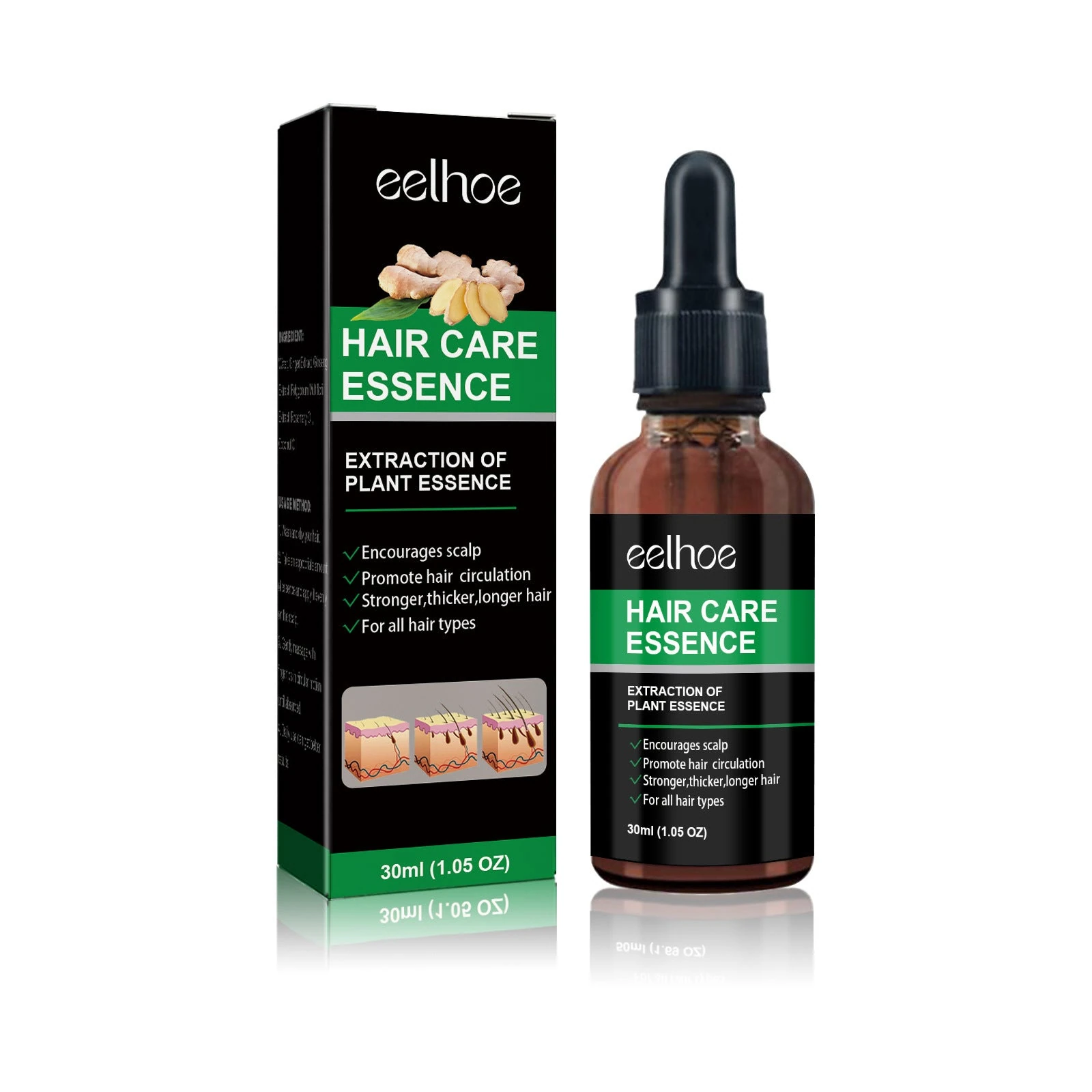
Consider this if you want oil-based care for dry-feeling scalp areas. The highlighted ingredients include mineral oil, hydrogenated castor oil, olive oil, tocopherol, rosemary leaf oil and ginger root extract. Rosemary is one part of a blend; its percentage is not established.
See the 30ml scalp oil formula and application notes →30ml lightweight scalp essence
Compare this water-based dropper format if your priority is a lighter scalp routine. It highlights ginger root oil, glycerin and Polygonum multiflorum extract. It is a non-rosemary alternative, not a substitute claimed to have the trial's effect.
Compare the lighter, water-based scalp essence →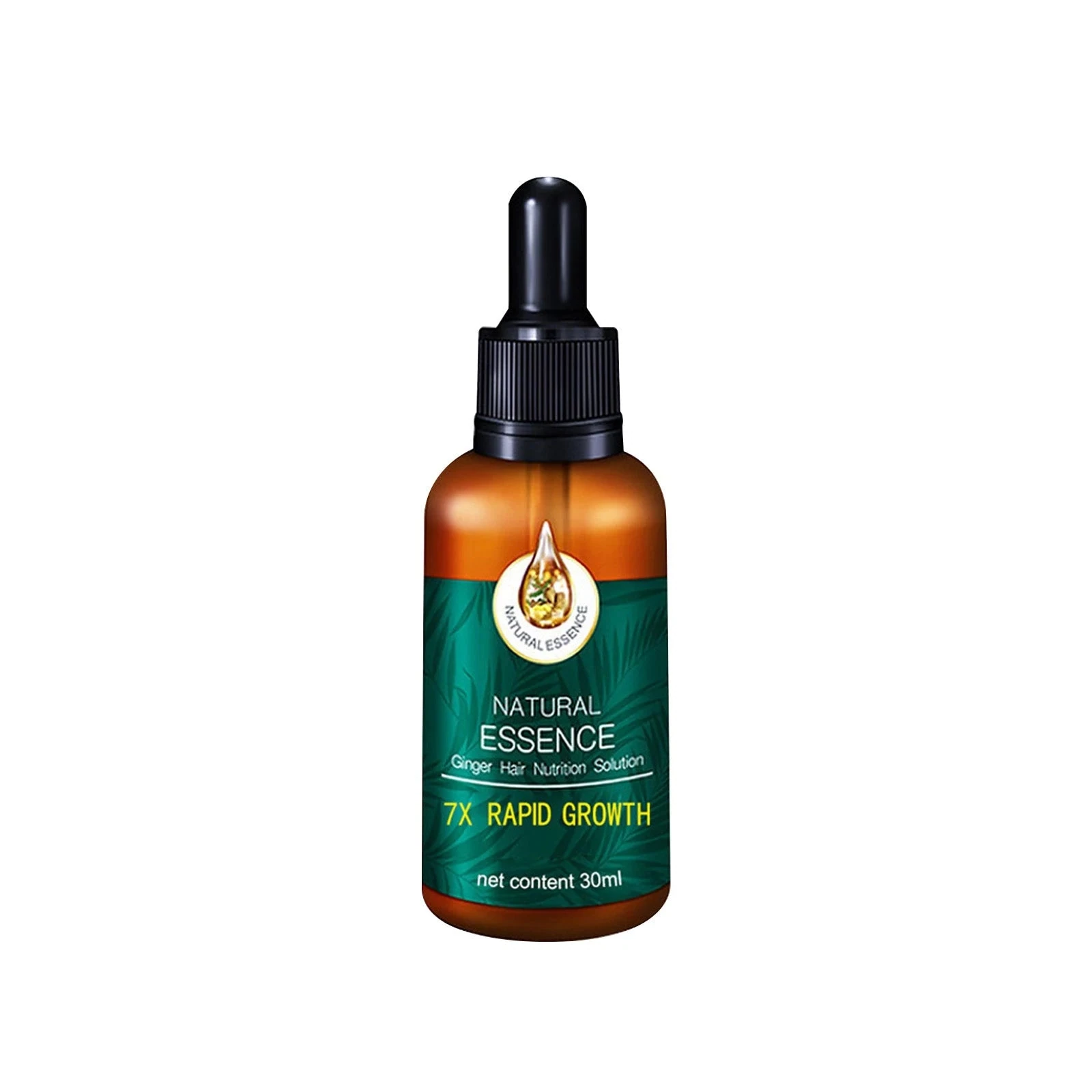
How to choose a rosemary serum without guessing
Start with the outcome you want. If your concern is rough hair lengths, a conditioning finish may address the shopping task. If you want to care for an otherwise comfortable but dry-feeling scalp, compare a product intended for that area. If your goal is to treat progressive hair loss, identify the cause and discuss treatment options before substituting a botanical.
Read the whole product, not just the headline. Confirm the ingredient form, whether it is an essential oil or a ready-to-use blend, the application area, the size and the directions. Do not assume all hair oils belong on the scalp or that a serum label guarantees a leave-in product. If directions are missing or contradictory, get clarification rather than copying a recipe from another bottle.
Compare tolerance and practical fit. An oil-rich product may feel different from a fluid water-based essence, but neither format guarantees comfort or zero residue. Known ingredient sensitivities are more useful than a generic “natural versus chemical” distinction. Products containing fragrance or botanicals are not automatically suitable for sensitive scalps.
Ask what was actually tested. Was it a finished formula, an isolated ingredient, a laboratory model or consumer opinions about appearance? Does the outcome measure hair count, reduced breakage or perceived fullness? A result on one of these measures should not be relabeled as another. The rosemary trial is not evidence that every serum improves scalp itch or dandruff, either.
For an oil-based cosmetic comparison, review the 30ml ginger scalp oil serum's ingredient highlights and use guide. Choose it only if that cosmetic role matches your aim; a familiar botanical name is not a reason to abandon a treatment plan.
How should you use a rosemary scalp serum?
Use the directions for the exact bottle. There is no universal rosemary-serum dose or frequency established by this article. The published abstract does not provide a recipe that readers should copy into a different concentration or carrier. Avoid applying concentrated essential oil directly to the scalp simply because a video shows a dropper.
- Confirm the intended area and preparation. Check scalp versus lengths, wet versus dry use, and whether the formula is ready to use. The 30ml scalp oil's current illustrated guide starts after washing and drying.
- Part gently and apply the stated amount. The oil guide describes a small, targeted application spread with clean fingertips. It does not establish a specific number of drops for every head or a daily clinical-treatment dose.
- Check timing and rinsing separately. For the oil, follow the current bottle for frequency, contact time and rinsing. The supplied guide does not establish overnight or pre-wash soaking instructions.
- Introduce one change at a time. This makes an unwanted reaction or residue problem easier to identify. Stop if burning, rash, swelling or worsening itch develops.
- Keep medical treatment instructions intact. Ask a clinician or pharmacist before adding a cosmetic alongside prescribed products or minoxidil. Do not mix them together to create a stronger homemade formula.
More product and more vigorous massage are not established shortcuts to growth. If the roots feel coated, reassess the quantity and fit of the product. If the scalp is painful, inflamed or losing hair in patches, the next step is evaluation rather than another layer.
For an aromatic-oil example, the L’Occitane Anti Hair Loss formula record identifies the historical ingredient source and explains which current product details still need checking.
What results and timeline are realistic?
The study's three- and six-month findings are research observations, not a schedule promised for a store-bought serum. No fixed time to regrowth is established here for either GinGrowth option. Keep cosmetic observations separate from changes in density so that a nicer finish is not mistaken for a medical effect.
| What you observe | Useful action | Interpretation limit |
|---|---|---|
| Coated roots or difficult application | Check amount, placement and whether an oil format suits you. | Residue does not measure a growth response. |
| Softness or a different styling finish | Assess the cosmetic result separately. | A nicer finish is not an increased hair count. |
| Changes in the part or hairline | Keep consistent photographs and discuss progressing loss. | Home photos do not establish cause or clinical efficacy. |
| Burning, rash or worsening itch | Stop the new product and seek advice as appropriate. | Not proof that the scalp is being stimulated beneficially. |
When tracking appearance, use the same part, lighting, distance and styling state. A freshly oiled scalp or a different amount of curl stretch can change how much scalp shows. Photographs may help a clinician understand your concern, but do not prove that a single product caused a change.
The AAD's diagnosis and treatment guidance explains why the cause matters. Sudden, persistent, patchy or painful hair loss needs assessment. Readers noticing tension around braids or edges can also use our guide to scalp care, breakage and thinning edges to distinguish routine decisions from reasons to seek help.
Frequently asked questions
Is rosemary serum as effective as minoxidil?
That broad claim is not established. The cited trial compared a rosemary oil preparation with 2% minoxidil and found no significant between-group difference in hair count at its follow-ups. That is not proof of equivalence for every rosemary serum, other minoxidil strengths or other diagnoses.
Can rosemary serum grow hair in two weeks?
The cited study does not support that promise. Neither group had a significant mean hair-count change at three months, while both had increases at six months. A change in softness or styling appearance in the meantime is a different outcome.
Is rosemary extract the same as rosemary essential oil?
Do not treat those label terms as interchangeable. The exact ingredient material, concentration, carrier and finished formulation matter. A product with rosemary extract in its highlights does not automatically match the trial's rosemary oil preparation.
Can I use rosemary serum every day or leave it overnight?
Only use the schedule and contact time stated for the specific product. Daily or overnight use is not a rule for the entire category. For the 30ml scalp oil shown here, the available guide does not establish either schedule.
Does ginger make rosemary work better?
No added hair-growth benefit is established by the evidence reviewed here. The rosemary trial did not test the combination, and laboratory findings about isolated ginger compounds do not establish a human result for a retail blend.
Does more shedding mean the serum is working?
Do not interpret new or worsening shedding as proof of successful growth. The evidence discussed here does not establish a normal “purge” or shedding phase for a cosmetic rosemary blend. Seek advice about the change rather than continuing solely because you expect regrowth afterward.
Is a water-based ginger essence a rosemary serum?
No. The lighter essence shown here is a different cosmetic choice and does not list rosemary among its highlighted ingredients. It is included to help compare texture and routine fit, not to borrow rosemary's research.
A useful buying decision ends with the exact formula and use instructions. If oil-based scalp care is your aim, compare the 30ml blend. If you are seeking treatment for hair loss, make the diagnosis and treatment discussion the priority.
Compare an oil-based scalp-care format
Check the 30ml blend's rosemary leaf oil, carrier oils and application notes before deciding.
View the 30ml ginger scalp oil serum →Research sources: Panahi et al., Skinmed, 2015, 13(1):15–21, PMID 25842469; Miao et al., PLOS One, 2013, DOI 10.1371/journal.pone.0057226. Clinical guidance: American Academy of Dermatology. These research organizations and authors do not endorse the GinGrowth products in this guide.