
A deep conditioning treatment for thin hair should improve softness and handling without leaving unwanted coating at the roots. Choose a rinse-out formula, apply it to the hair area that needs conditioning and follow its specific contact time. A scalp essence is a different product and should not automatically be used as a finishing serum for the lengths.
This guide compares details for the conditioner currently sold by GinGrowth checked October 1, 2026. It focuses on placement, amount and rinsing so you can evaluate the finished feel without treating conditioning as a hair-loss treatment.
Start with the Kind of Thinness You Mean
Fine strands and reduced hair density are different descriptions, and they can occur together. Conditioning addresses the feel and handling of the hair shaft. It does not diagnose why density changed.
For rough ends, look for slip and softness. For flat roots, review amount and placement before assuming you need a stronger mask. If shedding or changing density is the main concern, the AAD recommends identifying the cause so treatment can match it.
Conditioner and Scalp Serum Have Different Jobs
A rinse-out conditioner is applied and removed according to its instructions. A scalp serum may provide a leave-on care step or another product-specific role. The word serum alone does not identify whether a formula belongs on scalp or lengths.
The essence currently sold by GinGrowth is directed to the scalp after washing and drying; this guide does not repurpose it as a damp-length finishing serum. For this article's conditioning question, the relevant comparisons are the ginger conditioner jar and the 100ml rosemary ginger conditioner.
For a styling-product example, the Goldie Locks hair-serum identity guide identifies the verified lengths-and-ends serum and keeps its claims separate from scalp treatment.
Swipe the table sideways to compare all columns.
| Your question | What to compare | Next step |
|---|---|---|
| Rough ends | Targeted rinse-out conditioner | Start with the area that needs slip. |
| Flat roots | Amount and placement review | Avoid unnecessary rich layers at the scalp. |
| Longer treatment time | Only when the product directs it | More time does not establish more benefit. |
| Thinning density | Separate hair-loss question | Conditioning changes feel, not a diagnosis. |
What to Compare in a Conditioning Formula
Read the product format, intended area, ingredient highlights and rinse directions. The ginger jar highlights cetrimonium chloride and dimethicone with ginger root oil, among other ingredients. These give concrete conditioning and slip-related features to evaluate.
The 100ml rosemary ginger product highlights rosemary extract, ginger root extract, keratin and shea oil. Ingredient highlights do not establish concentration or permanent split-end repair. Do not rank the formulas by the number of botanical names or assume the product called intensive must be heavier.
Use the current package when checking sensitivities. A familiar oil on the front label does not make a blended conditioner pure essential oil.
For the protein-care question, what keratin serums can do for existing strands separates manageability and hair-shaft care from evidence of follicle growth.
Apply and Rinse with the Specific Formula in Mind
- Shampoo according to your routine and rinse.
- Gently remove excess water if the conditioner directs it.
- Distribute an appropriate amount through the lengths that need conditioning.
- Follow that product's waiting time, if specified.
- Rinse thoroughly, including the underside and nape.
- Assess softness and movement once the hair is in its usual dry or styled state.
The rosemary ginger bottle's current guide states five to ten minutes on freshly washed, damp hair, then rinsing. The ginger jar's supplied guide does not establish a fixed waiting time. Do not borrow the five-to-ten-minute interval for the jar or invent an overnight mask routine.
For a rinse-out conditioner with a stated 5–10 minute interval, review the Rosemary Ginger Conditioner for Dry Hair, 100ml.
Compare Two Rinse-Out Conditioning Formats
The rosemary-and-ginger pump conditioner specifies 5–10 minutes; the ginger jar does not establish the same waiting time. Both rinse out. GinGrowth sells the two products below.
Swipe the table sideways to compare all columns.
| Detail | Rosemary Ginger Conditioner for Dry Hair, 100ml | Ginger Conditioner for Dry Damaged Hair |
|---|---|---|
| Format | 100ml pump bottle of rinse-out conditioner | Rinse-out conditioning cream in a jar |
| Ingredient highlights | Rosemary extract, ginger root extract, water, keratin and shea oil in the highlighted panel. | Aqua, cetrimonium chloride, dimethicone, 1,2-hexanediol and ginger root oil in the ingredient artwork. |
| Application | Apply to freshly washed, damp hair, distribute through lengths, wait 5–10 minutes as pictured and rinse thoroughly; current bottle directions take precedence. | After washing, gently remove excess water, distribute through dry-feeling lengths and ends, then rinse thoroughly. Follow the jar for any waiting time. |
| Reason to compare | Compare when you want a separate rinse-out conditioner for dry, rough-feeling lengths. | Choose for slip, softness and easier handling of dry lengths. |
View Rosemary Ginger Conditioner for Dry Hair, 100ml or compare Ginger Conditioner for Dry Damaged Hair. Review the current product page for price and package details.
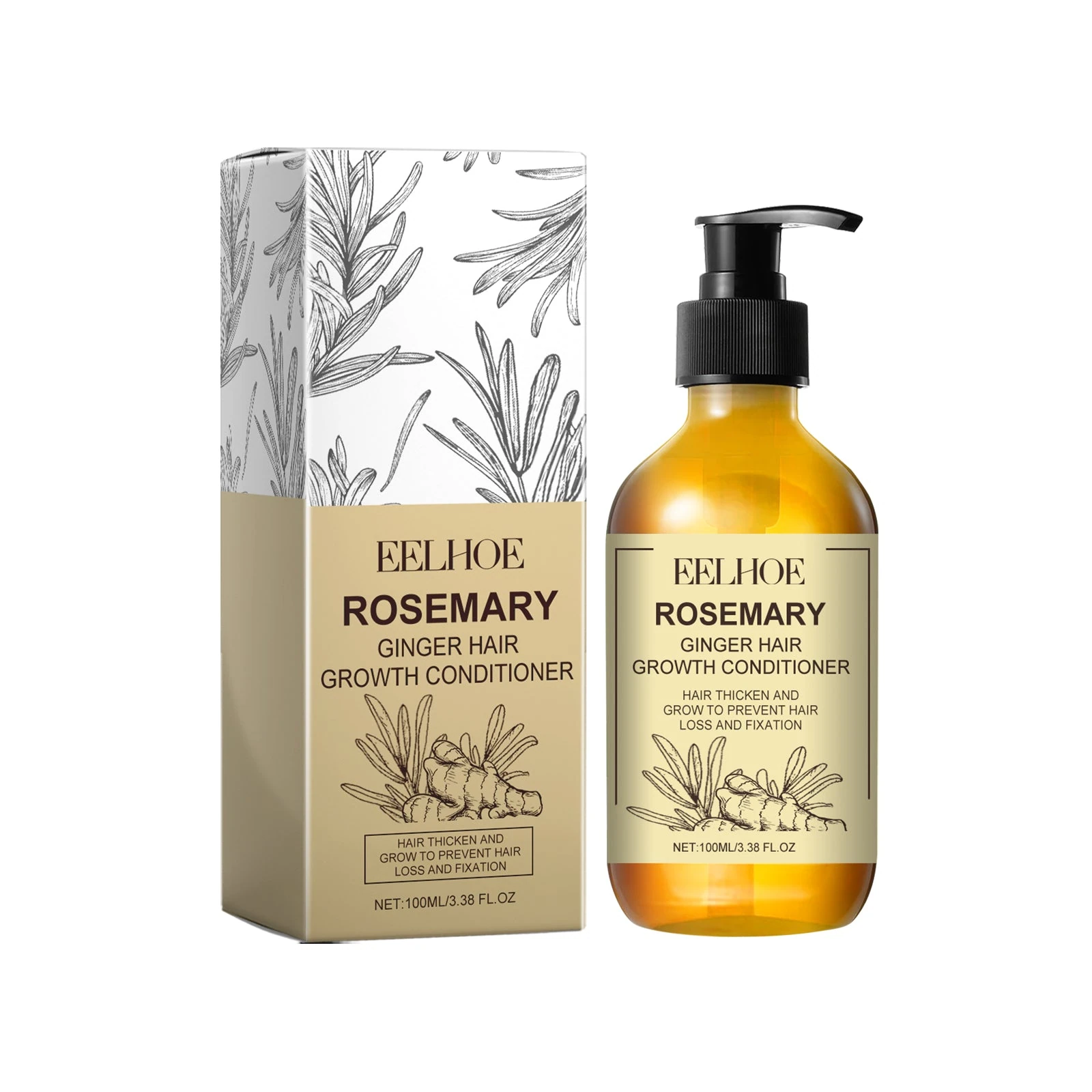
Compare this conditioner with the ginger jar by the intended hair area, texture and your current package directions. Do not select it as a scalp-regrowth treatment merely because rosemary appears in its name. A conditioning result concerns the feel and handling of the hair shaft. This bottle has a stated 5–10 minute contact interval, while the ginger jar’s supplied directions do not specify one. Do not copy timing between them.
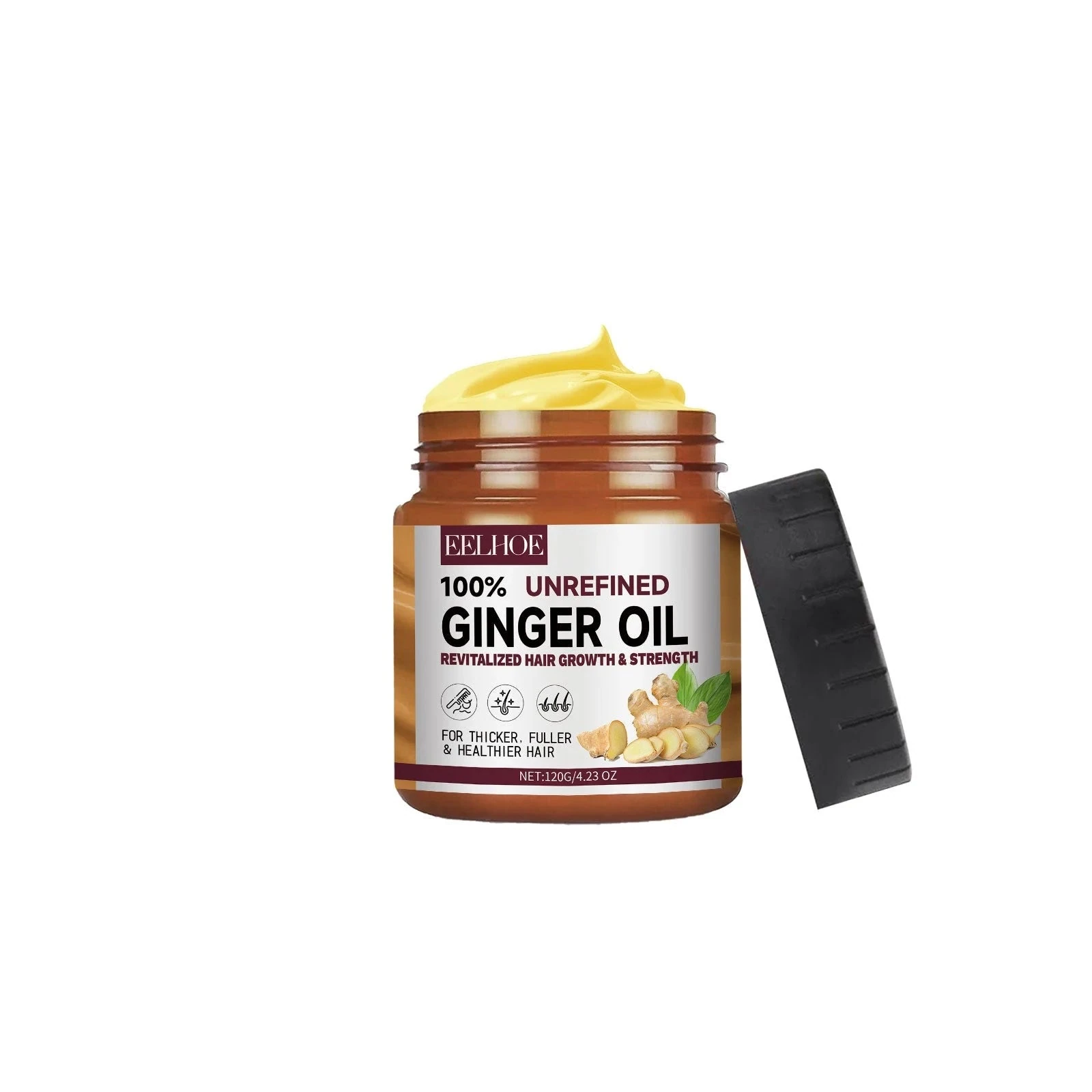
This is a finished conditioner, even though the front artwork uses the words Ginger Oil. Cetrimonium chloride and dimethicone are concrete conditioning ingredients to compare. The supplied directions do not establish a fixed waiting time or an overnight treatment. Some range images show ginger and rosemary jars together; the listing is for the ginger conditioner rather than a two-jar set.
When an Optional Leave-On Belongs Elsewhere
If your scalp needs a separate moisturizing-care step, compare a product explicitly directed there. If your lengths need a finishing product, choose one with directions for those lengths. The two should not be interchanged to complete an imagined routine.
You may not need a leave-on after conditioning. First assess the rinse-out result. Adding several rich layers can make it difficult to tell whether the conditioner itself suits you. For scalp-specific care, the scalp-serum guide explains product roles.
For an overnight-care example, the Crown Affair strand-repair product check distinguishes the brand’s documented strand-repair product from an unresolved scalp-serum search.
Choose by the Hair Situation
For rough ends and comfortable roots, focus conditioner on the ends. For lengths that feel coated, review the amount and rinse thoroughly before adding a clarifying step. For chemically processed or frequently heat-styled hair, consider the broader handling routine as well as the bottle.
A conditioner is not automatically heat protection, and a smoother feel is not permanent repair. If a product claims either, that claim needs its own support and directions. Keep your expectations tied to the benefits actually described by the formula.
Common Deep-Conditioning Mistakes
Do not treat longer contact as automatically better. Do not put a product everywhere because the ends feel dry. Do not use an arbitrary weekly schedule when the current label or your routine calls for something different.
Another mistake is interpreting softness as increased density. Better handling can reduce the need for tugging during grooming, but that observation does not establish new follicular growth. Keep the grooming benefit and the treatment question separate.
If the scalp becomes uncomfortable after a product change, stop and reassess. Do not continue rubbing or adding layers to make a rich formula feel absorbed.
For day-to-day care alongside any indicated treatment, a practical routine for thinning hair gives washing, conditioning and optional scalp care distinct jobs.
Is Lightweight Always Better?
A lighter finish may suit someone whose roots flatten easily, while another person may prefer more conditioning through dry ends. These are finish preferences, not a universal ranking. The useful test is whether your hair feels manageable without a coating you dislike.
Compare similar wash and styling conditions. A different drying technique or another leave-on can change the result. One optional change at a time makes it easier to decide whether the new conditioner has a useful role.
GinGrowth sells both products below; the comparison is based on current specifications, not an independent salon trial or a claim that one outperformed the other.
Frequently Asked Questions
How long should I leave conditioner on?
Follow the specific product. The rosemary ginger guide states five to ten minutes; the ginger jar's supplied guide does not specify a waiting time.
Can I deep-condition every day?
Do not infer a daily schedule from the category. Use the current label and assess whether the routine leaves your hair comfortable and manageable.
Does conditioner go on the scalp?
Use the intended area on the label. These comparisons focus on dry, rough-feeling hair lengths rather than scalp treatment.
Is the ginger essence a substitute?
No. Its current application is scalp-directed leave-on care, a different role from rinse-out conditioning.
Will it restore lost density?
The verified benefits here concern softness and handling. Changing density needs a separate cause-and-treatment discussion.
Match conditioning time and application area to your fine-hair wash routine.
Sources and Product Information
- AAD: Hair loss—Diagnosis and treatment — Official guidance accessed October 1, 2026; applies to the stated topic, not a trial of GinGrowth products.
GinGrowth product details were checked October 1, 2026. This guide compares published information and current product specifications; it does not report a GinGrowth clinical trial or personal use test.