
The most useful scalp serum for curly hair is one whose purpose, placement and finish fit your scalp and styling routine. Apply a scalp-directed formula through gentle parting, use the directed amount and keep curl-length conditioning separate. Curl pattern alone does not establish that you need a particular oil, a daily serum or a hair-growth treatment.
This guide focuses on reaching the scalp without unnecessarily coating or disturbing the curls. GinGrowth product examples were checked October 1, 2026.
Choose for the Scalp and the Routine
Start with the job: moisturizing care, a specific labeled treatment or a separate pre-wash step. Then check the product's directions and whether you can apply it accurately through your hair. A light format may be convenient, but lightweight wording does not guarantee zero residue at every amount.
If the curls feel dry while the scalp is comfortable, a hair-length conditioner may be the more relevant choice. If the scalp itches or flakes persist, investigate that issue rather than adding a richer serum by default.
Why Scalp Access Matters with Curls
Dense hair or a defined style can make the intended scalp area harder to reach. Product placed on top may mostly land on the hair. Parting helps direct application, but repeated pulling and rubbing can disrupt the style or irritate the scalp.
There is no one formula shared by all curly-haired readers. Fine curls, thick strands, low or high density and different styling products can produce different finish preferences. Use these practical observations to compare products without turning curl type into a diagnosis.
For styles that pull, the AAD explains that repeated tension can damage hair and lead to traction alopecia. A scalp cosmetic cannot cancel that stress.
For the routine question, using PATTERN scalp care around protective styles covers scalp access and styling tension alongside the product’s comfort role.
Swipe the table sideways to compare all columns.
| Your question | What to compare | Next step |
|---|---|---|
| Defined curls | Scalp access without repeated rubbing | Part carefully and place the directed amount. |
| Coated roots | Formula, amount and wash routine | Do not assume every lightweight label prevents residue. |
| Dry curl lengths | Hair-length conditioning | Keep scalp and strand needs separate. |
| Itch or changing density | Cause-specific assessment | A serum format alone cannot diagnose symptoms. |
Compare Formula, Applicator and Finish
A dropper can help you see placement along a part. A spray can be convenient when aimed at exposed scalp, but misting the hair surface is not the same application. Neither applicator proves greater strength or faster results.
Check ingredients against personal sensitivities and read the entire routine requirement. Some products need washed and dried hair, while others specify a different preparation. Do not choose a formula from its packaging and then change the directions to fit your styling schedule.
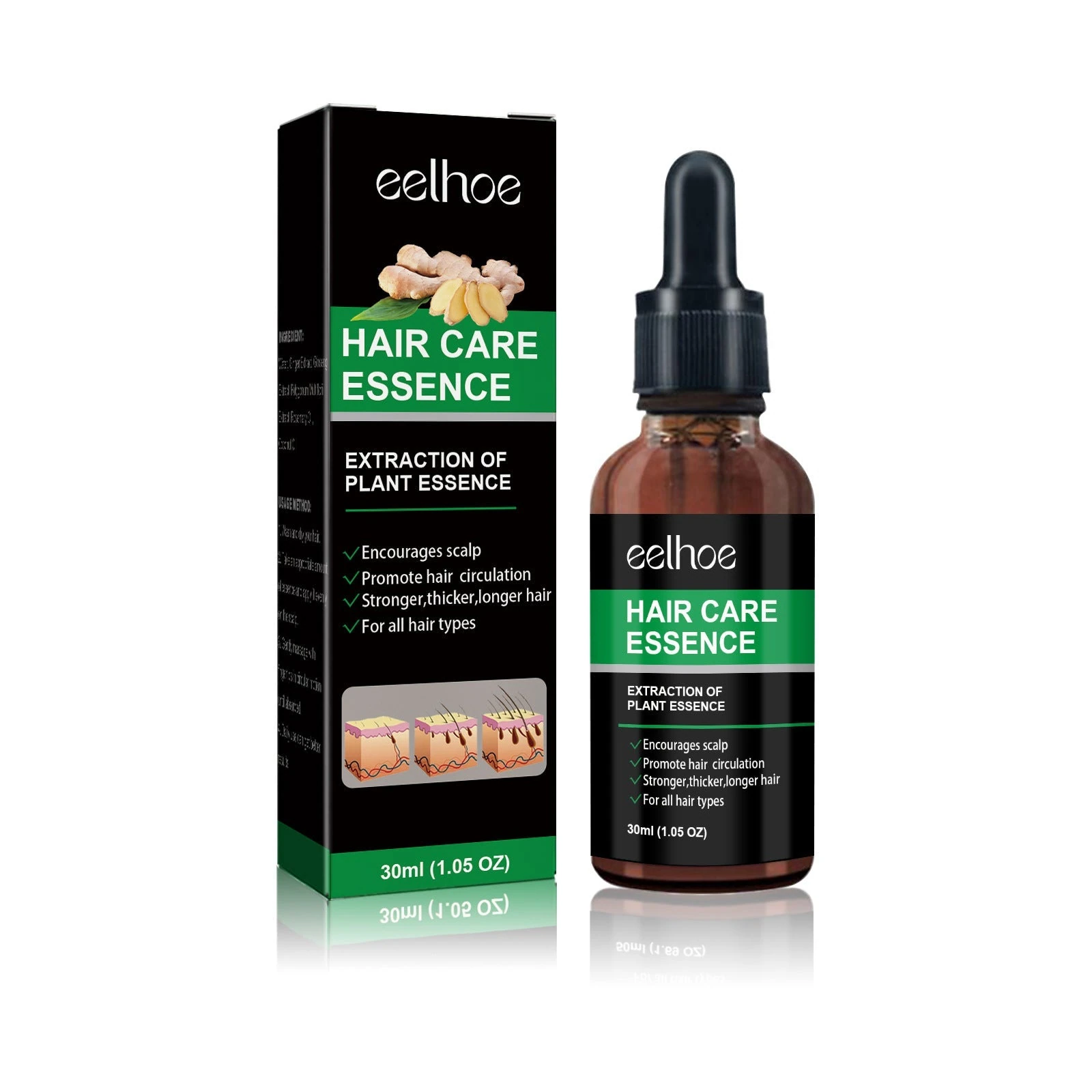
The current essence and spray below are separate cosmetic-care options sold by GinGrowth. The essence is water-based and highlights glycerin and ginger root oil. The spray offers a different delivery method and botanical highlights. They are not represented as a head-to-head clinical comparison.
For practical placement, choosing a scalp-serum applicator compares droppers, nozzles and sprays with the formula and scalp access in mind.
Apply Without Saturating the Style
- Read the product's preparation and amount instructions.
- Expose the intended scalp area with fingers or a suitable parting tool, avoiding unnecessary tugging.
- Place the directed amount along the exposed area.
- Distribute gently with fingertips if instructed.
- Leave on or rinse according to the product.
- Assess scalp comfort and root residue before adding another layer.
The essence guide starts after washing and drying. The spray guide also describes that preparation and a gentle two-to-three-minute massage. Do not turn this into a fixed spray count for every head of hair.
For washing with dandruff products, the AAD recommends following label directions and considering hair type. Keep a treatment's requirements in place rather than reducing or increasing use solely to preserve a style.
For a small amount placed on scalp part lines between curls, review the 30ml Lightweight Scalp Serum with Ginger.
Compare Dropper and Spray Placement for Curls
Compare dropper placement with spray application through exposed scalp part lines. Both are separate from conditioner used on curl lengths. GinGrowth sells the two products below.
Swipe the table sideways to compare all columns.
| Detail | 30ml Lightweight Scalp Serum with Ginger | 50ml Ginger Scalp Spray |
|---|---|---|
| Format | Water-based dropper essence | Leave-on scalp and root spray |
| Ingredient highlights | Aqua, glycerin, ginger root oil, Polygonum multiflorum extract and hydroxyethylcellulose in the ingredient graphic. | Ginger extract, black sesame, angelica flower and safflower in the ingredient graphic. |
| Application | After washing and drying, apply a small amount to the scalp, massage gently and leave in. The product guide describes daily use. | After washing and drying, spray a small amount at the intended scalp area, massage for 2–3 minutes and leave on. |
| Reason to compare | Choose for a light moisturizing step and precise placement along a part. | Choose when a spray applicator is easier for you than a dropper. |
View 30ml Lightweight Scalp Serum with Ginger or compare 50ml Ginger Scalp Spray. Review the current product page for price and package details.
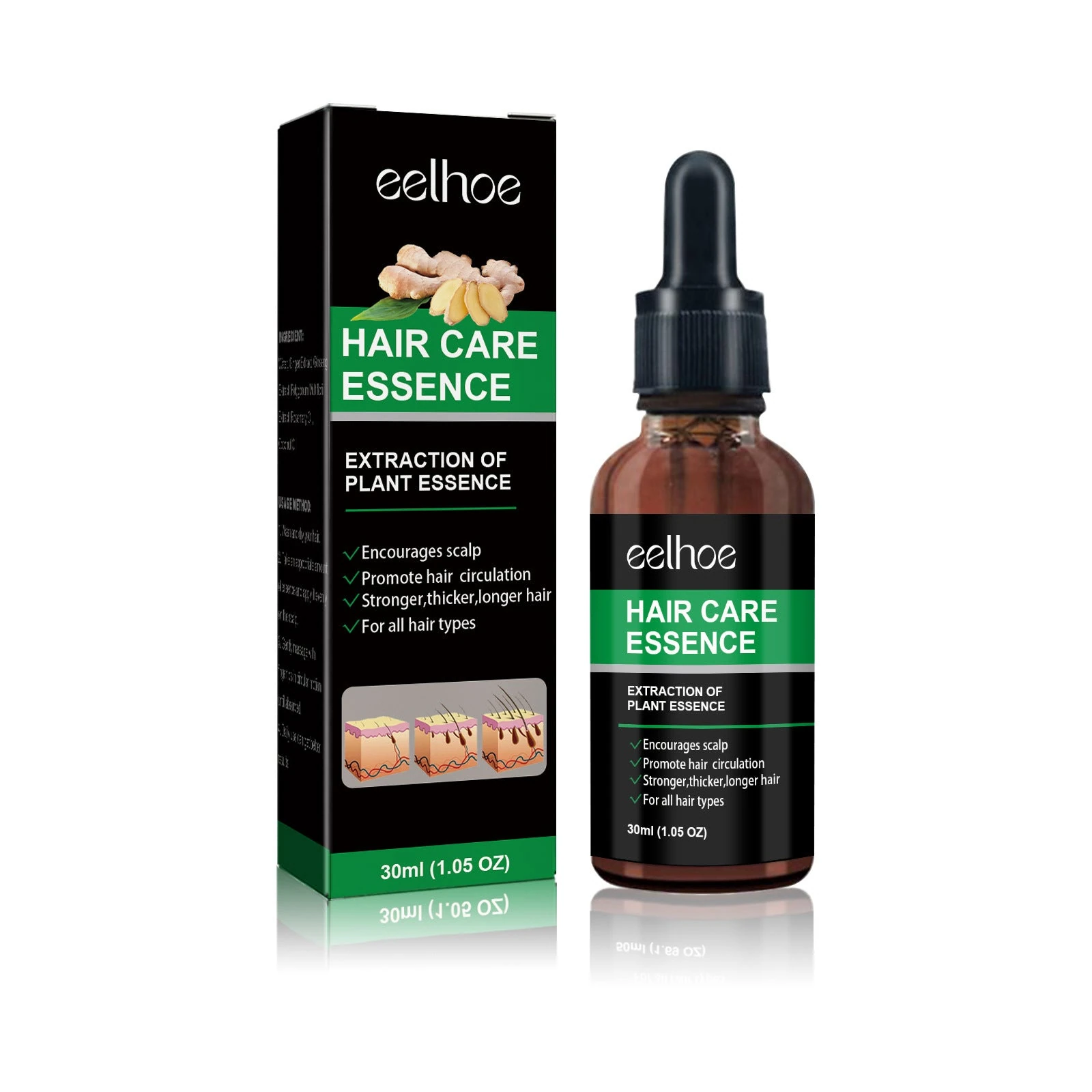
The essence contains ginger root oil within a water-based formula. That is different from buying a bottle of pure essential oil. Glycerin provides a concrete moisturizing ingredient to compare, while the dropper helps direct a small amount to the scalp. Use the finish on your own hair as the practical test: controlled placement matters more than saturating the roots or spreading scalp care through the lengths.

The spray is an applicator choice, not evidence that the formula is more diluted or that it produces faster results. Part the hair before applying so the spray reaches the intended scalp area. Do not borrow a fixed pump count from another brand, and do not use additional sprays simply to wet every strand. Keep the choice focused on application preference and the current instructions.
When a Lightweight Format Is Worth Comparing
Consider a lighter-feeling format when a richer leave-on leaves roots coated or makes your routine inconvenient. First check amount and placement: even a light formula can build up when repeatedly layered beyond its directions.
Evaluate the finish at a normal styling or wash step. Note whether curls remain manageable and whether the scalp feels comfortable. Those observations are useful for routine fit, but do not measure regrowth or prove that a product regulates oil production.
If a leave-on is not solving a defined problem, you can keep the routine simpler. A serum is optional, not a requirement for curly hair to be well cared for.
For an overnight curl-care example, the Not Your Mother’s Curl Talk product check explains the verified lengths-and-ends product and why its directions are not scalp instructions.
Mistakes to Avoid
Do not apply a scalp essence through the full lengths because it is called hair serum. Do not add more when product fails to reach the scalp; improve access instead. Do not assume every natural oil or cooling ingredient is suitable for a reactive scalp.
Avoid making several new changes together. Styling cream, scalp oil, exfoliant and shampoo can all affect residue or comfort. Introduce one optional change at a time so you can identify what happened.
Persistent itching has several possible causes, as described in the AAD itchy-scalp guide. Stop a suspect product and seek advice when symptoms persist or worsen rather than waiting for a supposed adjustment phase.
Match the Choice to Your Main Concern
For controlled placement of a small moisturizing step, compare the essence. If a spray is easier to handle, compare that format while still exposing the scalp. For rough lengths, read the conditioning guide and follow the hair product's intended area.
For a repeatable schedule, use the serum routine guide. For treatment of changing density, identify the cause first. These separate next steps prevent one cosmetic bottle from being assigned every job.
Frequently Asked Questions
Will serum ruin curl definition?
The result depends on formula, amount, placement and other products. Target the scalp and assess the finish rather than assuming any category guarantees a result.
Is oil always better for curls?
No universal preference applies. Scalp care and conditioning the curl lengths are different decisions.
Can I spray over my finished style?
Follow the exact directions and make sure the product reaches its intended area. Spraying the hair surface may miss the scalp.
Should I use it between every wash?
Only when that fits the specific product's schedule. No-rinse wording does not by itself mean daily application.
What if I notice pain or loss near a tight style?
Reassess the pulling and seek advice. Adding serum is not a way to make ongoing tension harmless.
Choose targeted scalp moisture while keeping curl conditioning on the lengths.
Sources and Product Information
- AAD: How to treat dandruff — Official guidance accessed October 1, 2026; applies to the stated topic, not a trial of GinGrowth products.
- AAD: Hairstyles that pull can lead to hair loss — Official guidance accessed October 1, 2026; applies to the stated topic, not a trial of GinGrowth products.
- AAD: Causes of itchy scalp — Official guidance accessed October 1, 2026; applies to the stated topic, not a trial of GinGrowth products.
GinGrowth product details were checked October 1, 2026. This guide compares published information and current product specifications; it does not report a GinGrowth clinical trial or personal use test.