
The best hair-growth serum choice for Black hair depends on the problem you want to address: scalp dryness, hair-shaft breakage, styling tension or a cause of hair loss. Compare those needs separately. A moisturizing serum and a rinse-out conditioner can support different care goals, while regrowth claims require evidence for the specific product and condition.
This shortlist uses current GinGrowth product information and American Academy of Dermatology guidance checked October 1, 2026. It is a practical selection framework, not a personal product trial or a claim that every person with Black hair needs the same formula.
Start with the Location of the Concern
Notice whether the concern is the scalp, the visible hair lengths or a changing pattern of density. Rough lengths may benefit from conditioning and gentler handling. A dry-feeling scalp may prompt a moisturizing-care comparison. Stressed edges or pain under a tight style require attention to the pulling itself.
The AAD explains that repeated tension can cause traction alopecia. Adding oil or serum does not cancel that mechanical stress. Seek advice about a changing hairline or persistent symptoms instead of covering them with more product.
Two Care Picks for Two Different Jobs
For scalp moisturizing care, the current 40ml water-based tonic highlights glycerin, sodium PCA and panthenol with ginger extract. Its dropper provides targeted placement. For dry, rough-feeling lengths, the rinse-out ginger conditioner highlights cetrimonium chloride and dimethicone alongside ginger root oil.
GinGrowth sells these products. Their place in this comparison comes from their verified care roles, not from a head-to-head regrowth study. The tonic should not be represented as containing castor oil simply because another ginger product does. The conditioner is not a scalp leave-on merely because its packaging uses oil wording.
Swipe the table sideways to compare all columns.
| Your question | What to compare | Next step |
|---|---|---|
| Dry-feeling scalp | Water-based moisturizing formula | Check ingredients and scalp placement. |
| Rough or tangled lengths | Rinse-out conditioner | Condition the hair shaft rather than coating the scalp. |
| Tight style or stressed edges | Reduce repeated pulling | Serum cannot cancel ongoing traction. |
| Progressive or patchy loss | Diagnosis-specific treatment | Discuss the cause before ranking serums. |
What to Look for in a Growth Claim
Ask which outcome was measured. Hair shine, easier detangling, reduced breakage, perceived fullness and measured density are different endpoints. A product that improves the feel of the lengths has not thereby demonstrated new growth from the scalp.
A 2022 systematic review of coconut, castor and argan oils included 22 articles. It found weaker evidence for castor oil improving luster and no strong evidence supporting castor oil for hair growth. Keep the oil, outcome and limits together; the review does not invalidate a personal conditioning preference or validate an unrelated blend.
For treatment of thinning, the AAD recommends identifying the cause. A product labeled for a particular hair community still needs appropriate evidence for its claims.
If the concern is rough or fragile lengths, deep conditioning for thin hair explains rinse-out conditioning as a separate task from scalp treatment.
Apply According to the Chosen Product
For a scalp-directed dropper, expose a part so the formula reaches the intended area. Use the amount on the label and distribute gently. Do not increase the amount to wet braids or saturate the top surface of the hair.
For conditioner, follow its wash-and-rinse sequence and focus on the lengths that need slip. A scalp tonic and a conditioner should not be mixed into one bottle or given the same rinse instruction. For a practical wash-day walkthrough, see the scalp-care routine guide for Black hair.
If scalp moisture is your priority rather than conditioning the lengths, review the 40ml Ginger Hair Tonic for Scalp & Roots.
Choose Scalp Moisture or Hair-Length Conditioning
Compare the scalp tonic with a rinse-out conditioner according to where the problem occurs: scalp skin or the hair shaft. GinGrowth sells the two products below.
Swipe the table sideways to compare all columns.
| Detail | 40ml Ginger Hair Tonic for Scalp & Roots | Ginger Conditioner for Dry Damaged Hair |
|---|---|---|
| Format | Water-based dropper tonic | Rinse-out conditioning cream in a jar |
| Ingredient highlights | Ginger extract, glycerin, sodium PCA and panthenol, alongside aqua, in the product artwork. | Aqua, cetrimonium chloride, dimethicone, 1,2-hexanediol and ginger root oil in the ingredient artwork. |
| Application | Part hair, apply a small amount, massage gently for 2–3 minutes and leave on. Follow the current bottle for frequency. | After washing, gently remove excess water, distribute through dry-feeling lengths and ends, then rinse thoroughly. Follow the jar for any waiting time. |
| Reason to compare | Choose for a larger dropper format with humectant and conditioning ingredient highlights. | Choose for slip, softness and easier handling of dry lengths. |
View 40ml Ginger Hair Tonic for Scalp & Roots or compare Ginger Conditioner for Dry Damaged Hair. Review the current product page for price and package details.
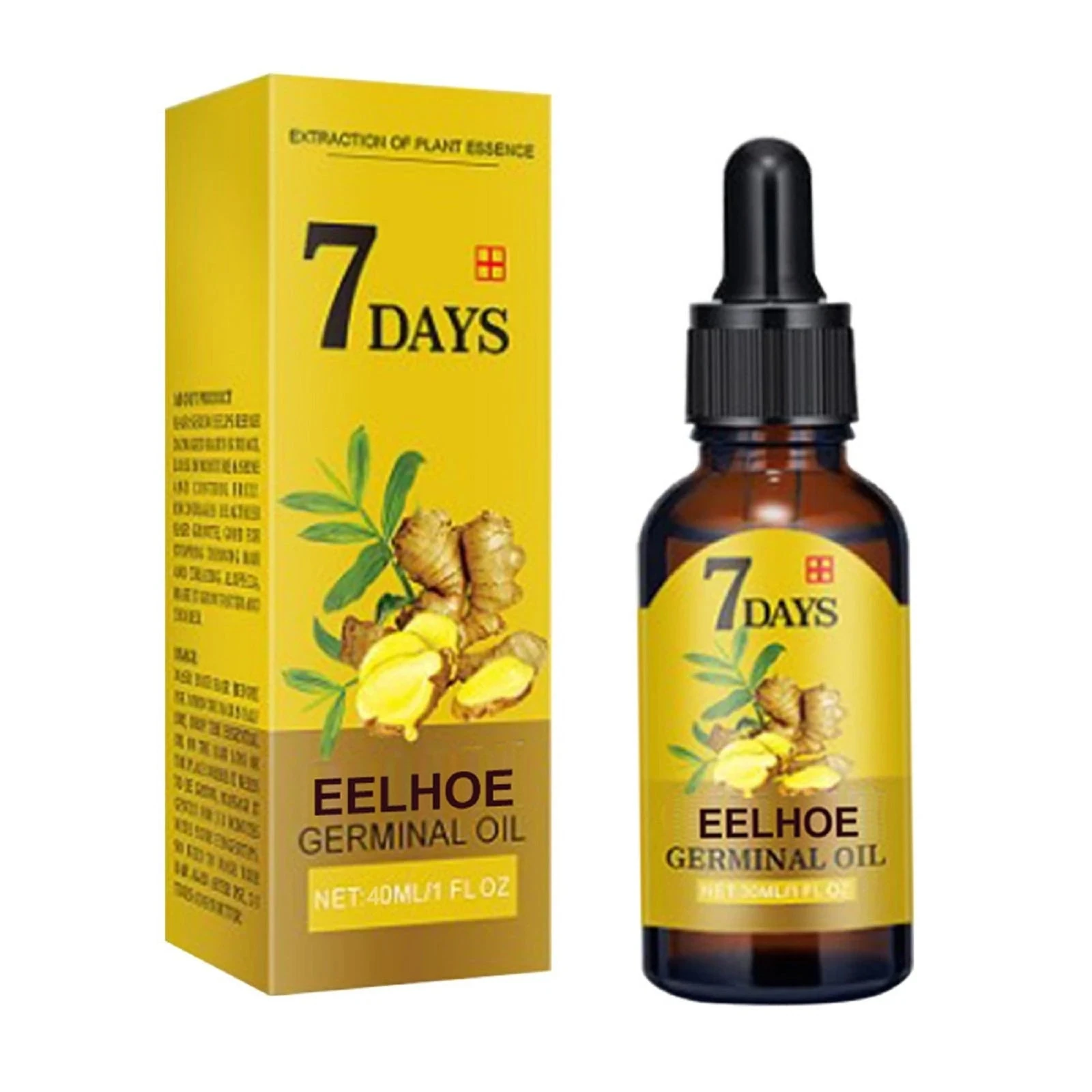
Glycerin and sodium PCA are moisture-binding ingredients, while panthenol is used for conditioning. The highlighted ingredient graphic is not a percentage breakdown. The word tonic describes this product choice; it does not establish a stronger concentration than the smaller essence. Compare the ingredients you prefer and whether direct dropper placement feels convenient in your routine.
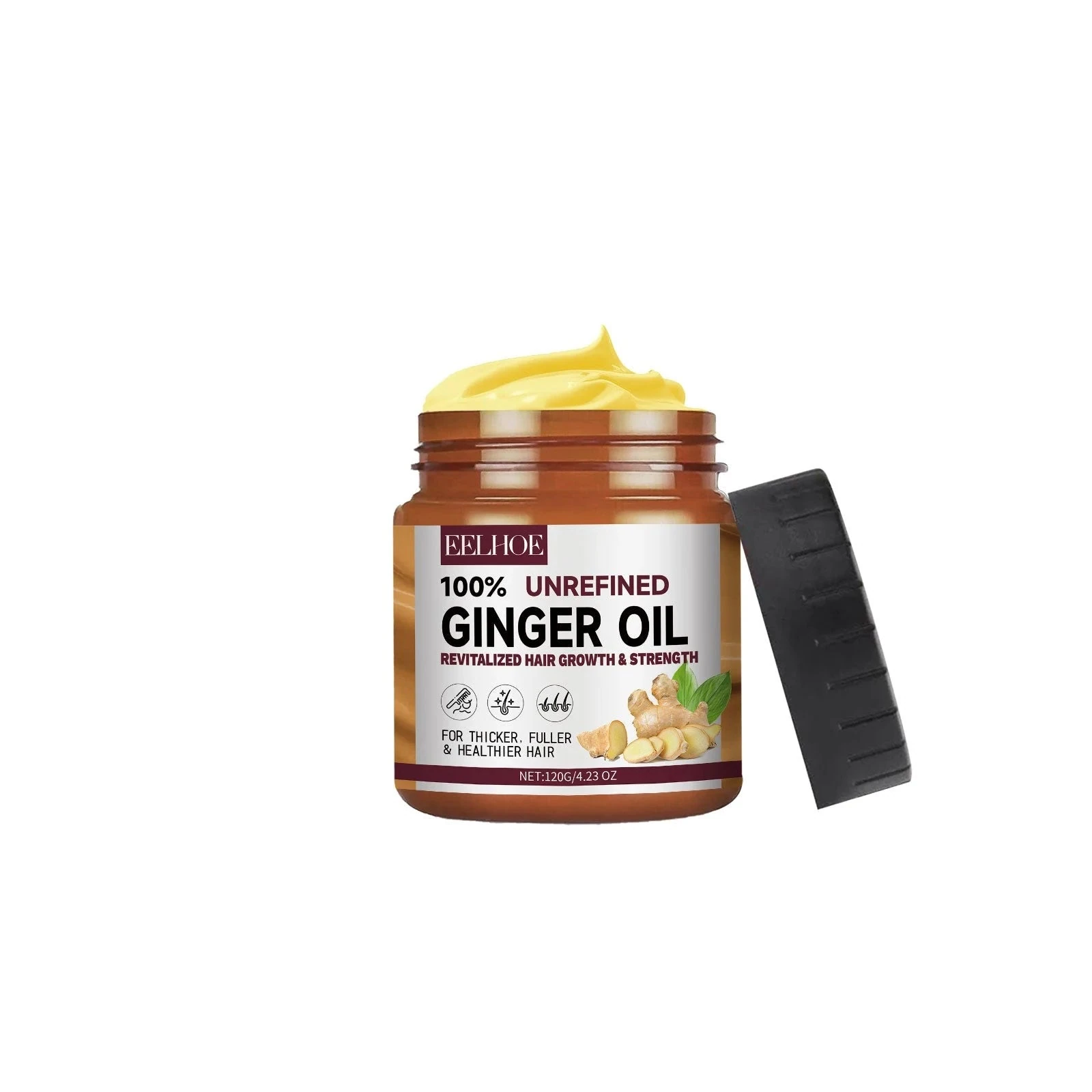
This is a finished conditioner, even though the front artwork uses the words Ginger Oil. Cetrimonium chloride and dimethicone are concrete conditioning ingredients to compare. The supplied directions do not establish a fixed waiting time or an overnight treatment. Some range images show ginger and rosemary jars together; the listing is for the ginger conditioner rather than a two-jar set.
Who Should Compare These Options?
Someone seeking a water-based scalp-care step may want the tonic's format. Someone struggling mainly with rough or tangled lengths may want the conditioner's rinse-out role. Someone already comfortable with their routine may not need either addition.
Black hair includes different textures, densities, styling practices and personal preferences. Avoid assigning a universal wash frequency or oil requirement based on identity. Use your own scalp symptoms, hair behavior and the exact product directions to narrow the choice.
If loss is sudden, patchy or accompanied by pain, scale or inflammation, prioritize an assessment. Cosmetic shopping cannot distinguish all possible causes from a photograph or a description of edges.
For a concern-first comparison, choosing a scalp serum for Black women separates scalp dryness, fragile lengths, thinning edges and styling tension.
Mistakes That Can Undermine the Choice
Do not interpret warming or tingling as proof of improved blood flow or growth. Do not assume that a richer oil always means more moisture where it is needed. Do not call every breakage problem slow follicular growth.
Another mistake is picking a formula only from an ingredient trend. A named oil or extract does not establish concentration, delivery or personal tolerance. Read the full package, especially if fragrance or botanical ingredients have caused a reaction before.
Finally, do not keep a painful hairstyle because you have added a scalp product. The styling decision and the cosmetic formula are separate parts of the routine.
Use a Consistent Comparison Checklist
Compare intended area, formula base, ingredient information, application, rinse requirement and evidence. For value, use the current seller price and bottle size, while recognizing that cost per use needs a reliable dose. A larger bottle does not prove greater strength.
If your main goal is conditioning, a formula that provides slip and rinses comfortably may be a useful choice. If your main goal is treatment, ask what evidence applies to your diagnosis. This approach keeps a commercial shortlist honest and useful without pretending one product wins for every reader.
Frequently Asked Questions
Do Black hair and curly hair always need the same serum?
No. Texture, density, styling and scalp condition vary. Choose for the specific care task and application requirements.
Can serum repair edges while a style keeps pulling?
Do not rely on a serum to counter ongoing tension. Reassess the style and seek advice for changing density or symptoms.
Is castor oil required for growth?
The reviewed evidence does not establish it as a required or proven universal growth treatment. It may be chosen for a separate cosmetic preference.
Should conditioner go on the scalp?
Use the exact product's instructions. The conditioner compared here is a rinse-out option for dry-feeling lengths and ends.
Choose for the Need You Can Identify
Use the tonic comparison for targeted scalp moisture and the conditioner comparison for hair-length handling. Keep any hair-loss treatment decision tied to a diagnosis and specific evidence. The next useful product is the one with a clear job in your own routine.
Choose the tonic for scalp care; use the conditioner comparison for tangled or rough lengths.
Sources and Product Information
- AAD: Hair loss—Diagnosis and treatment — Official guidance accessed October 1, 2026; applies to the stated topic, not a trial of GinGrowth products.
- AAD: Hairstyles that pull can lead to hair loss — Official guidance accessed October 1, 2026; applies to the stated topic, not a trial of GinGrowth products.
- 2022 systematic review of hair oils — Indexed abstract verified through NCBI’s public API October 1, 2026; original study scope applies.
GinGrowth product details were checked October 1, 2026. This guide compares published information and current product specifications; it does not report a GinGrowth clinical trial or personal use test.