
The ginger conditioner has a clear place after shampooing. A rinse-out cream with dimethicone and cetrimonium chloride is an appealing format when the lengths need conditioning slip.
Jack Campbell · Oct 18, 2026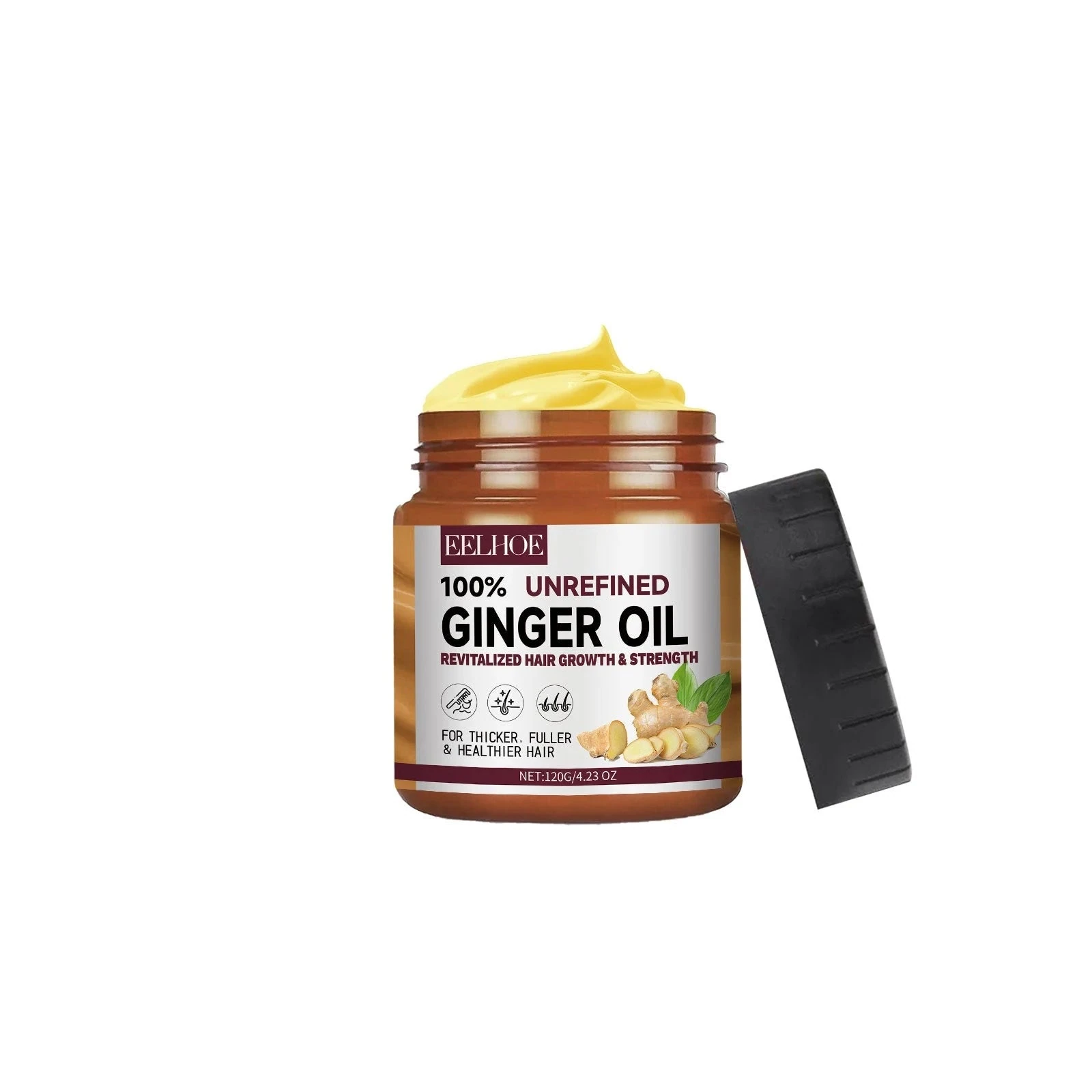
EELHOE Ginger Conditioner for Softer, Easier-to-Manage Hair
$19.99
Rough, tangled lengths after shampoo? Add a creamy rinse-out step for softness, slip and easier handling. Choose the ginger jar shown.
- Format
- Conditioning cream in a jar
- How to use
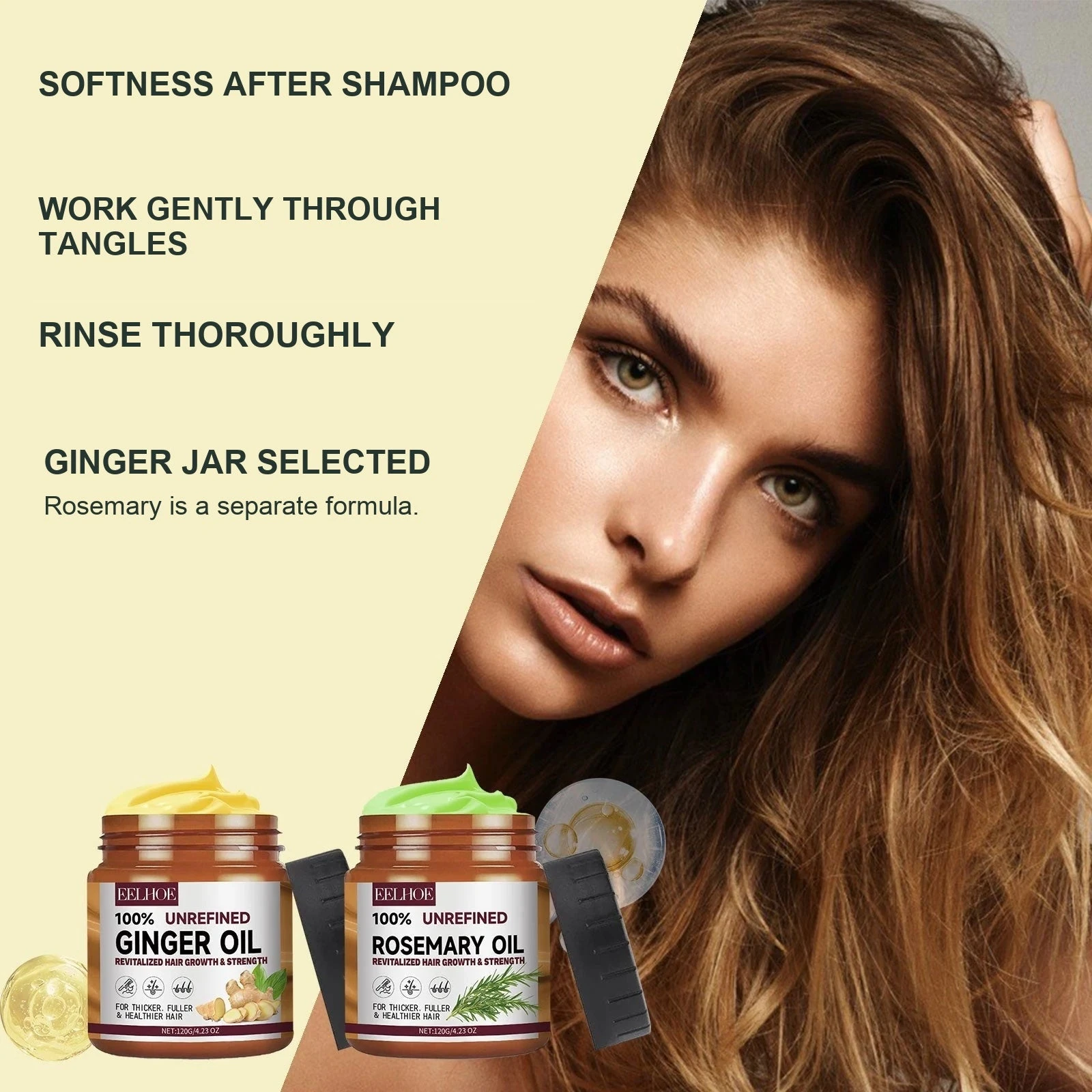
- Apply after shampooing, then rinse thoroughly
Guaranteed Safe & Secure Checkout
Product description
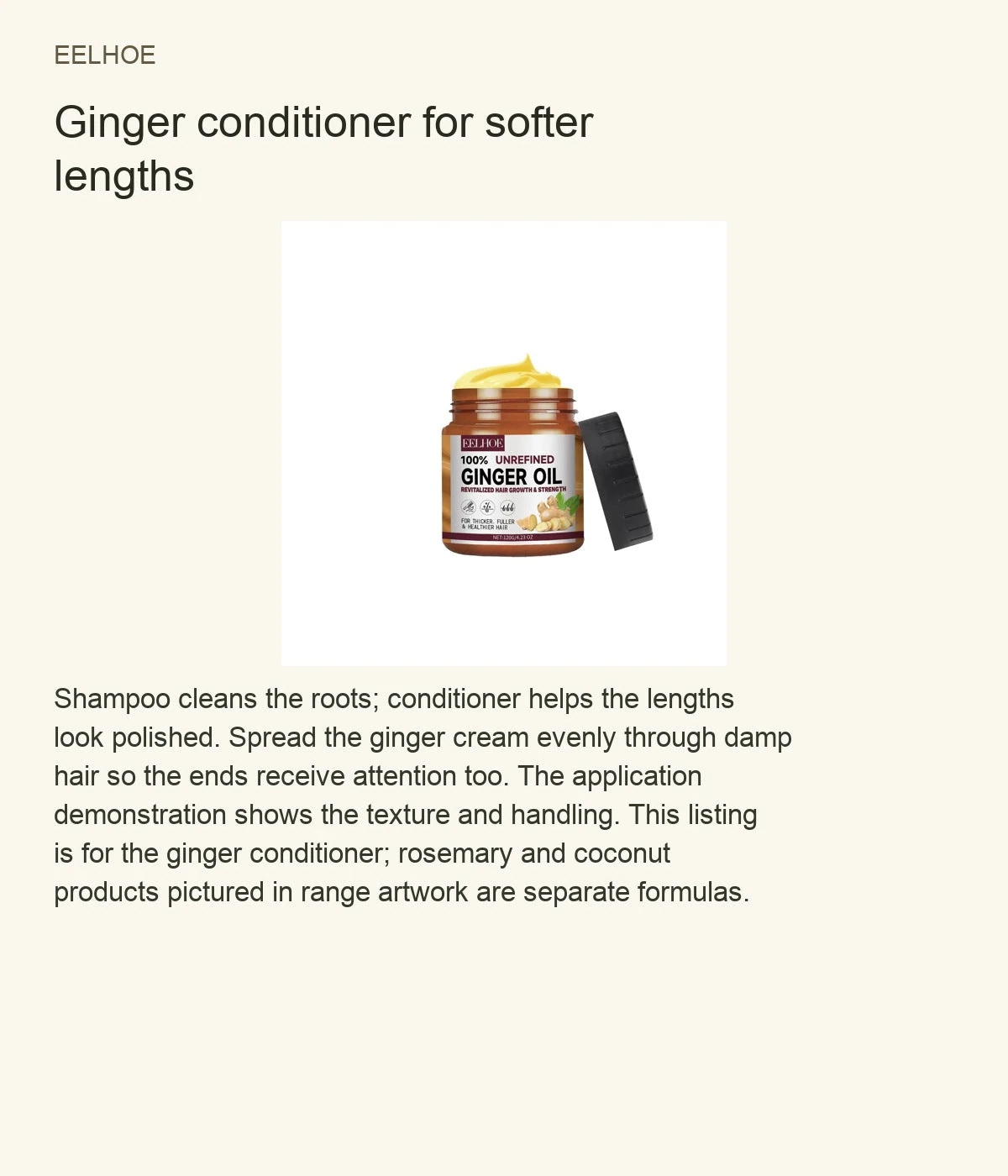
Give rough-feeling lengths a softer finish after washing. EELHOE ginger conditioner adds conditioning slip so dry hair feels smoother and easier to handle. Work the cream through damp lengths and ends, paying attention to the sections that tangle, then rinse thoroughly. This is the ginger jar; rosemary products shown in range photos are separate formulas.
- Add softness and slip to dry-feeling lengths after shampoo.
- Rinse-out cream with cetrimonium chloride and dimethicone.
- Ginger formula in a jar; rosemary range products are separate.
Choose your ginger conditioner
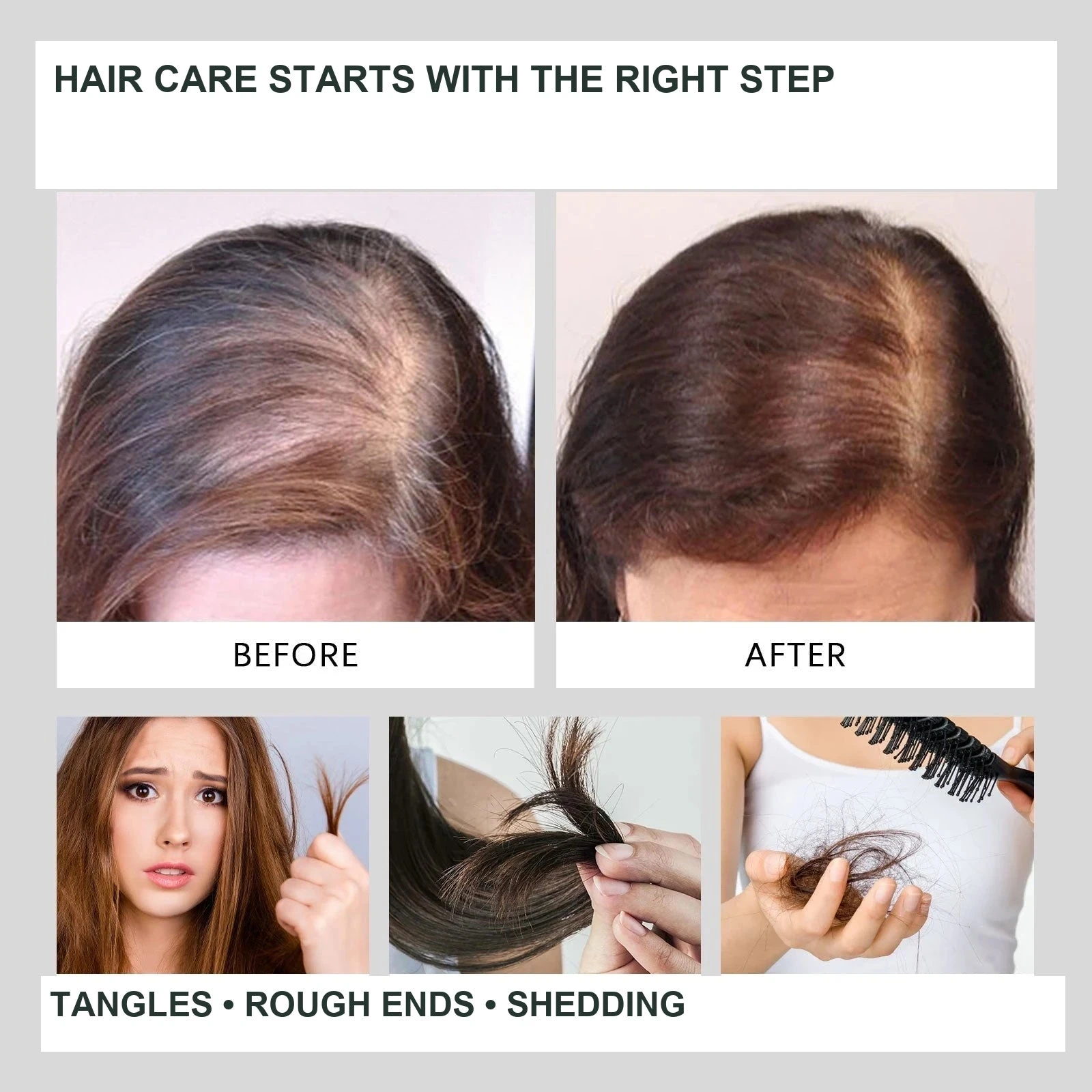
Ease the roughness you feel after washing
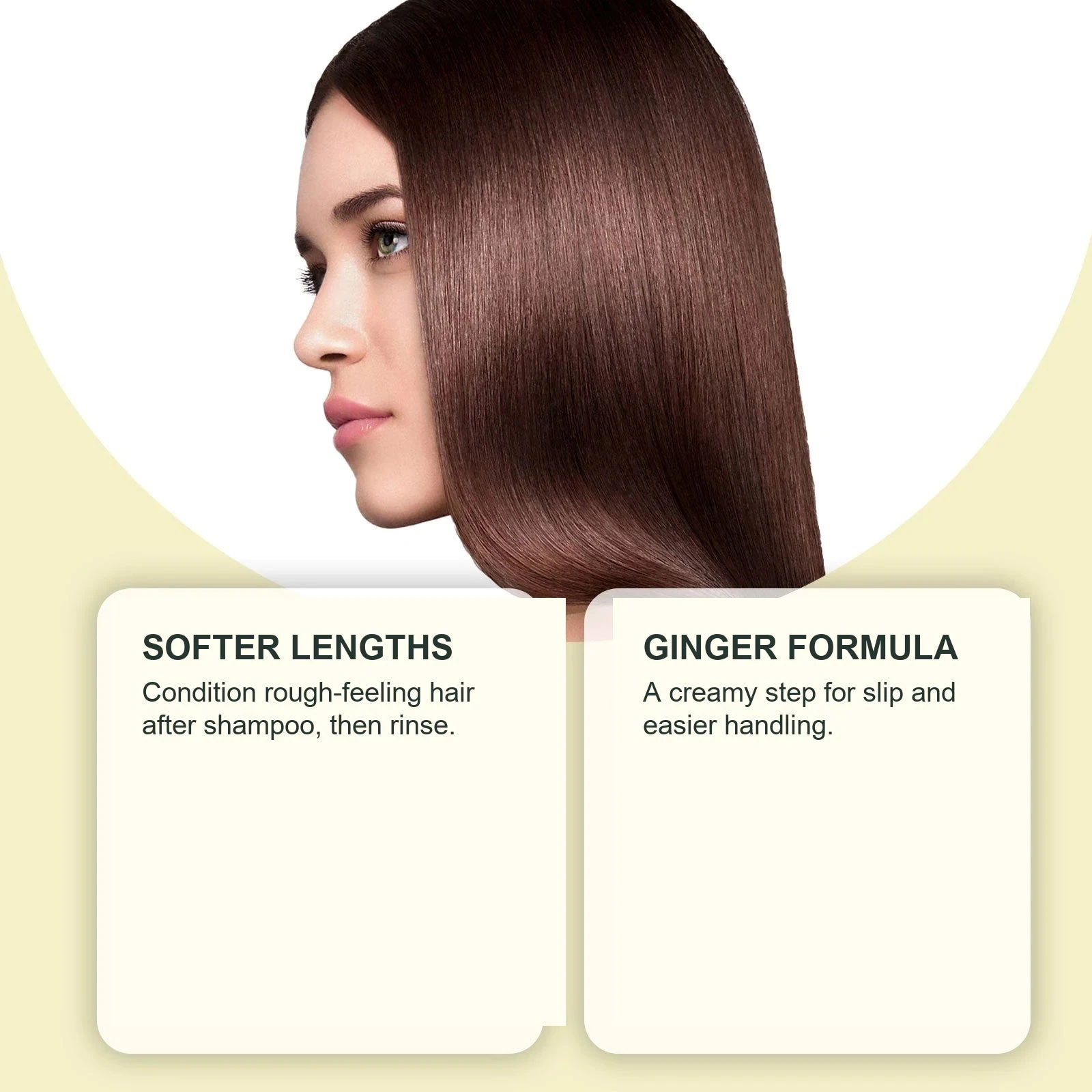
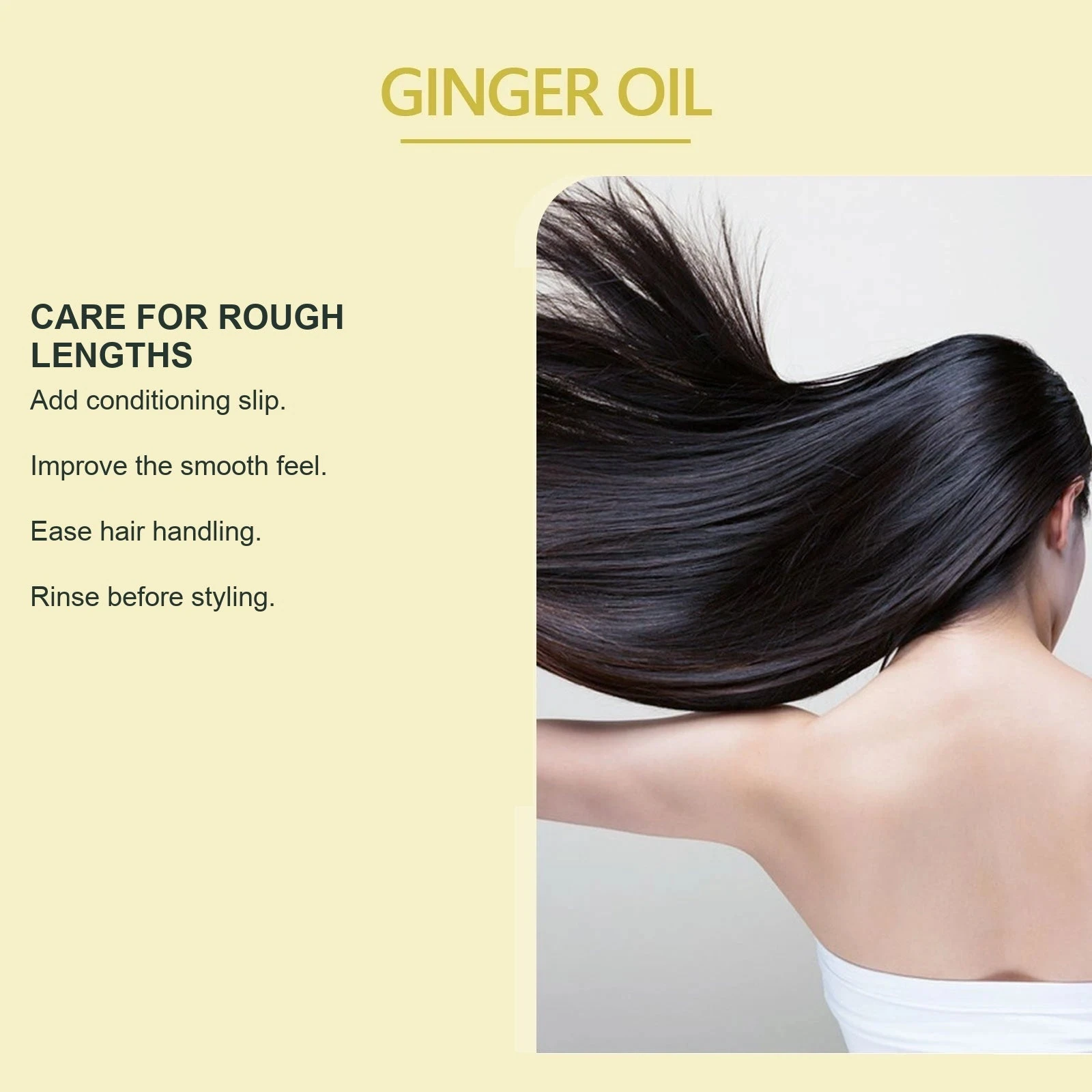
Choose ginger conditioner for dry hair when shampoo leaves the ends coarse or difficult to comb. Distribute the cream evenly through damp lengths so the driest sections receive attention. Use a light touch to work through tangles instead of pulling at the hair, then rinse completely.
Conditioning ingredients with a clear job
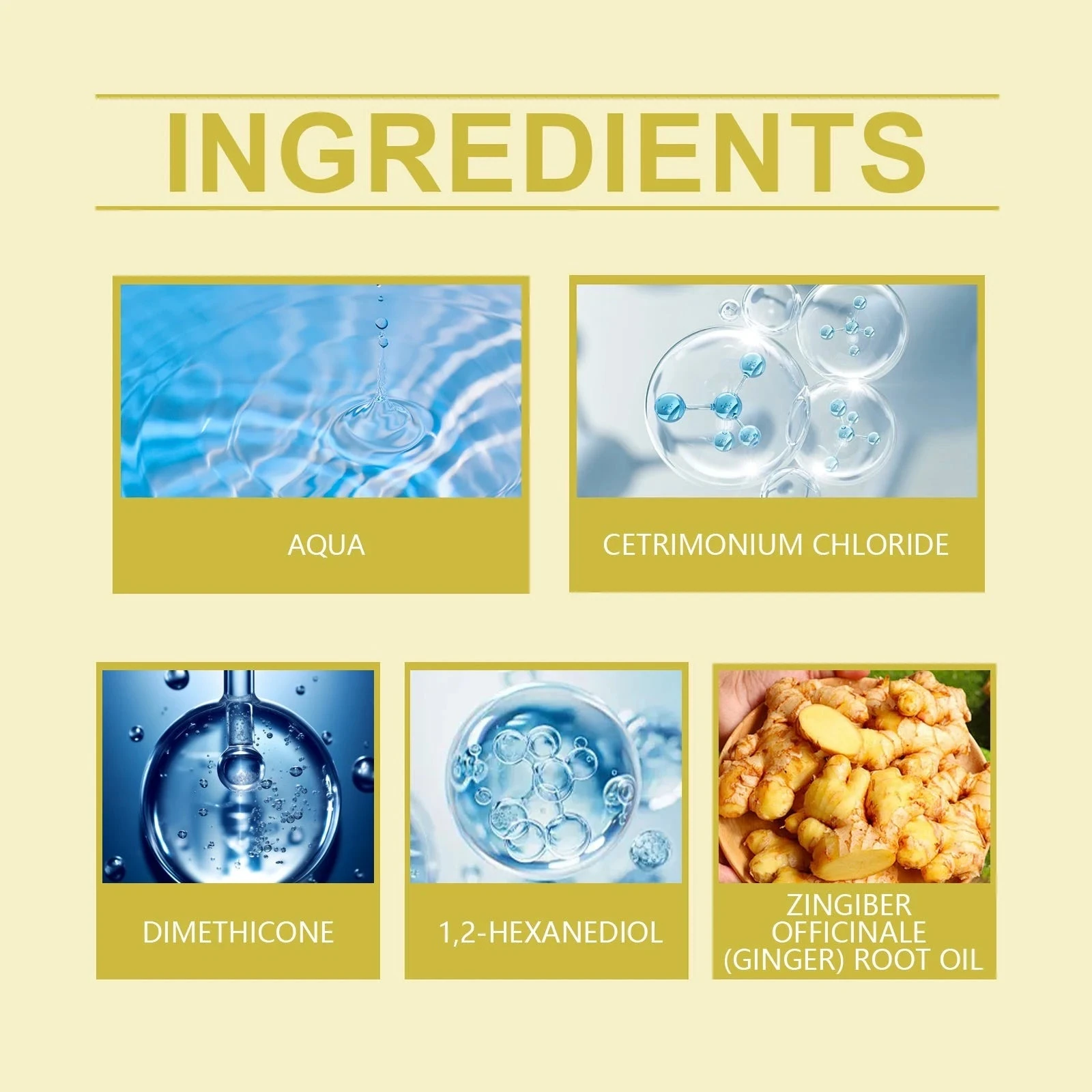
This ginger conditioner for dry damaged hair highlights ginger root oil alongside cetrimonium chloride and dimethicone. Those conditioning ingredients help improve slip and a smoother feel. The ingredient panel also lists water and 1,2-hexanediol. The cream conditions the hair you have; a smoother finish does not mean split ends have been permanently repaired.
Choose the ginger jar from the range
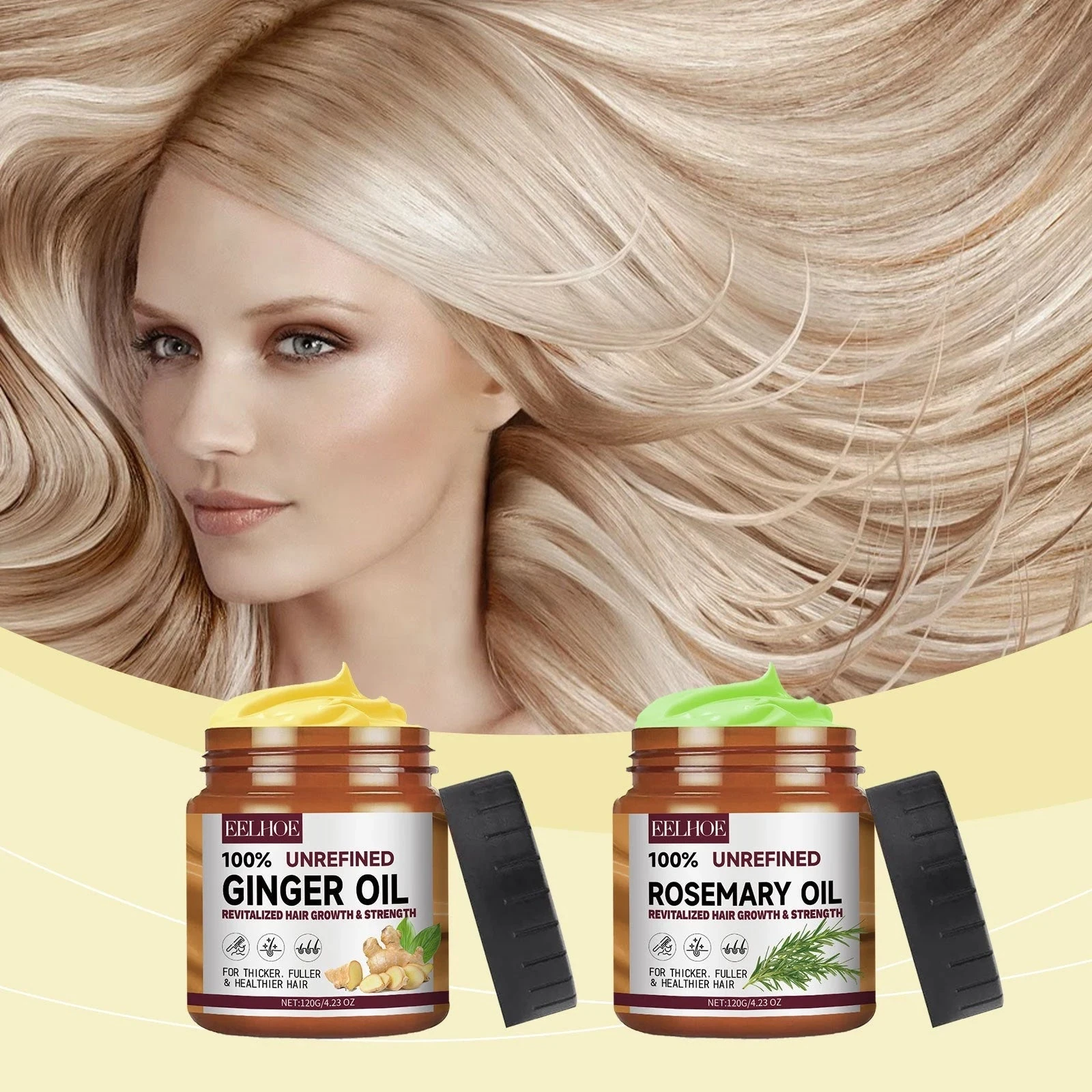
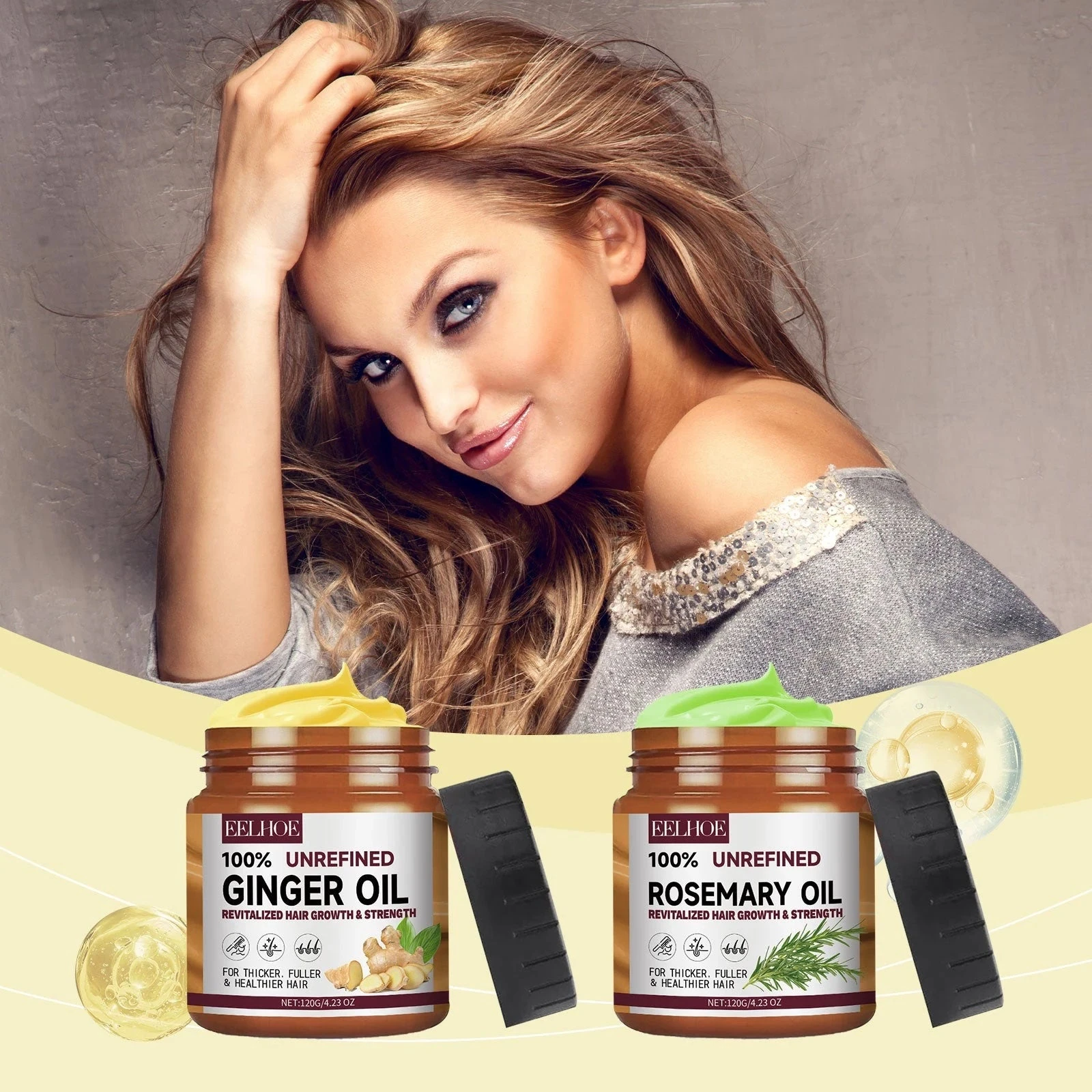
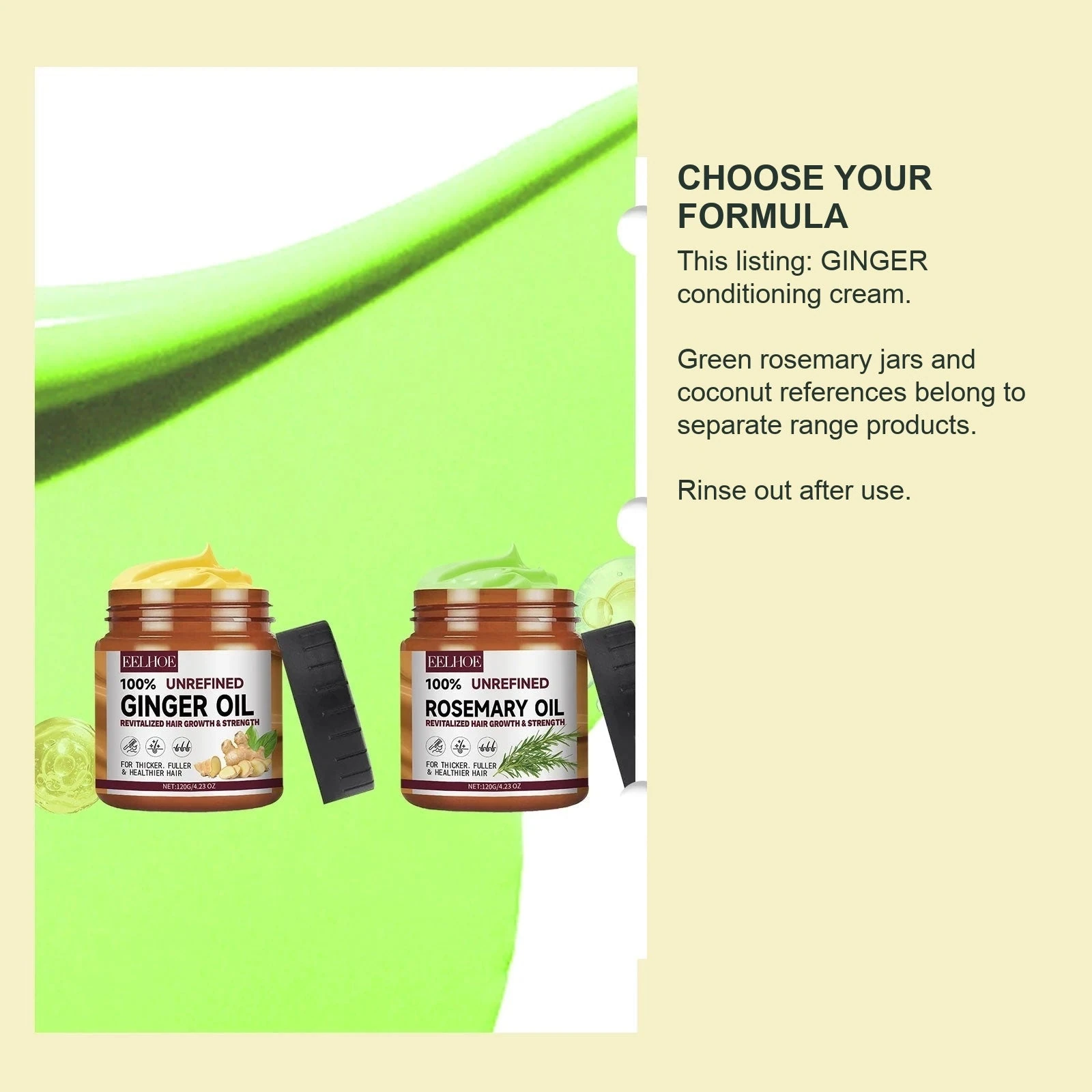
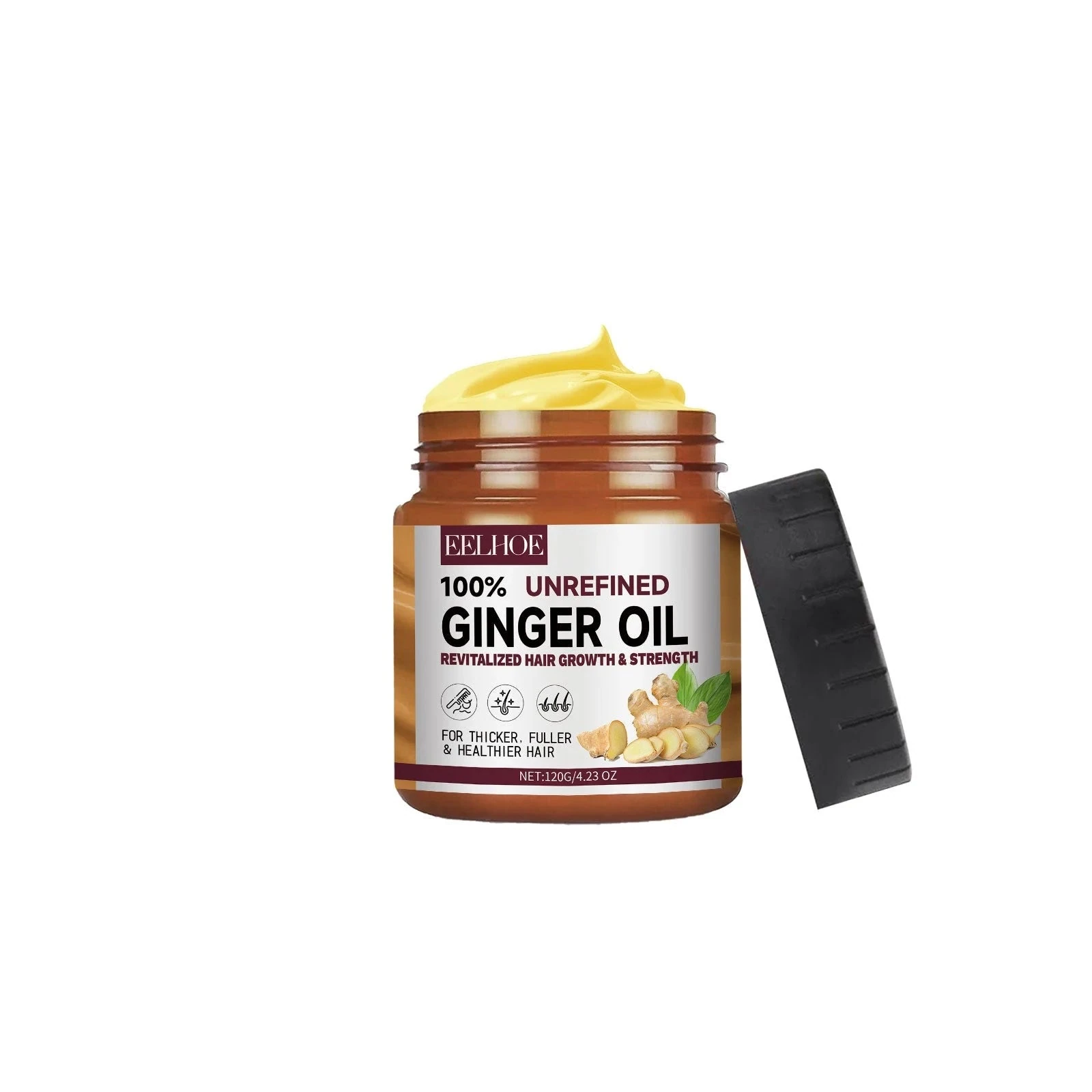
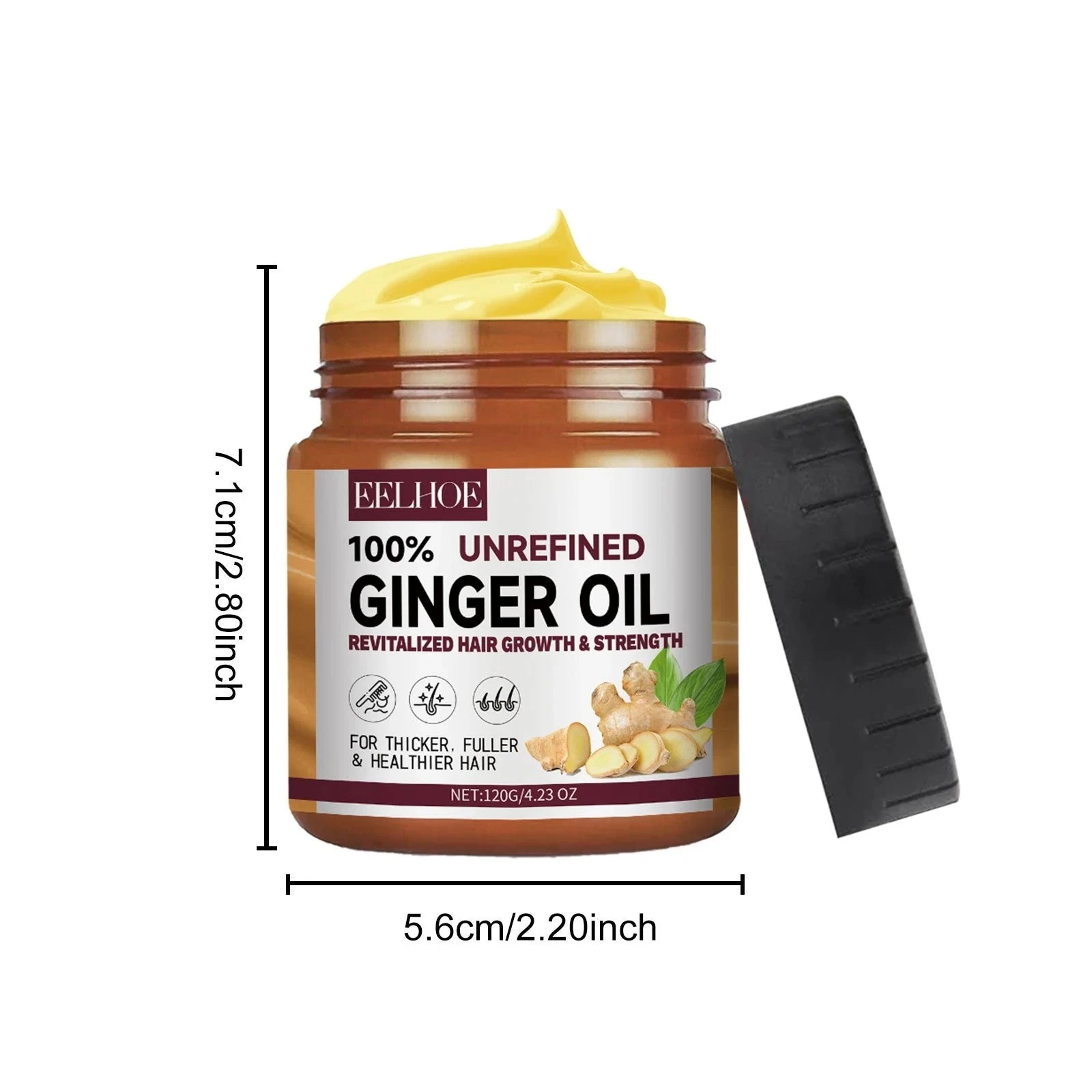
The yellow cream and ginger-labelled jar identify this ginger hair conditioner. Some range artwork and the application demonstration also show a green rosemary jar, while one panel mentions coconut care. Those are separate formulas, not additional products included with this ginger listing. Use the main ginger product photo to match your selection.
Keep the wash routine balanced
Cleanse the scalp with shampoo first, then concentrate conditioner where the lengths need softness. If roots tend to feel heavy, use less there and give the ends more attention. Rinse the cream out before drying or styling. This separates fresh roots from the smooth, manageable finish you want through the lengths.
What you are choosing
| Brand | EELHOE |
|---|---|
| Selected formula | Ginger conditioning cream; yellow cream in the ginger jar |
| Routine role | After shampoo; rinse out |
| Ingredient highlights | Water, cetrimonium chloride, dimethicone, 1,2-hexanediol and ginger root oil |
| Care focus | Dry, rough-feeling or tangled lengths |
| Other products pictured | Rosemary jars and coconut range references are separate formulas |
How to use
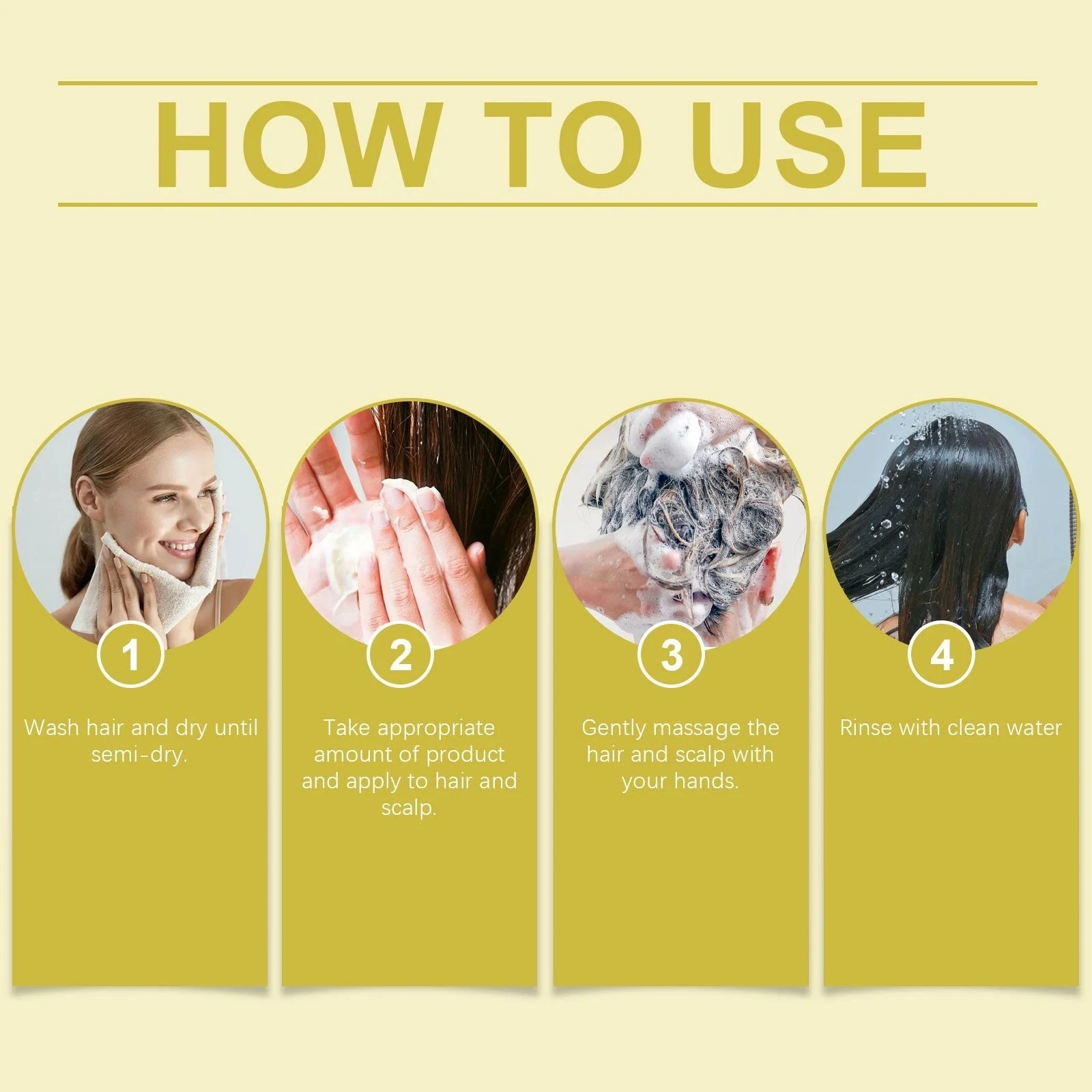
- Shampoo and rinse first. Gently squeeze out excess water so hair stays damp.
- Spread the ginger cream through the lengths and ends, focusing on rough or tangled sections. Work gently with your hands.
- Rinse thoroughly with clean water. Follow any contact time printed on your jar; no fixed minute count is specified in the illustrated guide.
Find your next step
For a step-by-step way to work through knots, read how to detangle hair gently.
Start by cleansing roots before conditioning. Ginger liquid shampoo →
Prefer a prepared herbal wash? Compare the sachet format. Water-activated shampoo powder →
Questions before you choose
Is this ginger conditioner a leave-in cream?
No. Use it after shampooing and rinse the cream out thoroughly before drying or styling.
Does this listing include the green rosemary jar?
No. This is the ginger formula. The green rosemary jar appears in shared range imagery and is a separate product.
Is the product pure ginger oil?
The packaging uses the name Ginger Oil, but the ingredient panel and rinse-out directions describe a formulated conditioning cream containing water and conditioning ingredients.
Where should I apply it if my roots get oily?
Focus on the lengths and ends that feel rough. Use less near roots that become heavy easily and rinse thoroughly.
How long should I leave it on?
The illustrated directions show application, gentle handling and rinsing without a fixed minute count. Follow the contact time printed on the jar you receive.
Can it help dry, damaged-feeling hair?
It is a conditioning step for softness, slip and manageability. Pay attention to rough lengths and ends; permanent repair of split ends is not the product role described here.