
A hair-growth serum routine for Black hair should start with the chosen product's purpose and clear access to the scalp. Part gently, apply the directed amount to the intended area and keep hair-length conditioning separate. A serum can provide a cosmetic care step, but it cannot cancel repeated styling tension or establish treatment for every cause of thinning.
This guide focuses on application and wash-day decisions. For selecting a formula by evidence and care role, use the hair-serum buying guide for Black hair. Product details here were checked October 1, 2026.
Decide What the Serum Is Supposed to Do
Write the goal before arranging the routine: moisturizing scalp care, a preferred conditioning feel or a specific labeled treatment. These goals can require different products and different schedules. The term hair growth on a bottle does not establish the cause of a changing hairline.
If the concern is progressive or patchy loss, the AAD recommends identifying the cause. Keep that decision separate from whether you prefer a dropper or a richer texture.
Account for Texture and Styling Without a Universal Rule
Black hair includes varied curl patterns, strand thickness, density and styling practices. A single wash frequency or oil requirement will not describe everyone. Consider how easily you can access the scalp, how the lengths respond to conditioning and whether the style places tension on the hairline.
The AAD warns that repeated pulling can cause traction alopecia. Pain or a changing hairline should prompt reassessment of the style. Applying serum to tolerate a tight style does not address the pulling.
For a concern-first comparison, choosing a scalp serum for Black women separates scalp dryness, fragile lengths, thinning edges and styling tension.
Swipe the table sideways to compare all columns.
| Your question | What to compare | Next step |
|---|---|---|
| Accessible part lines | Targeted scalp application | Use the directed amount without soaking the style. |
| Dry lengths | Conditioner where directed | Do not assume scalp oil solves every dry end. |
| Scalp discomfort under a style | Inspect and reassess tension | Do not hide symptoms beneath more product. |
| Between washes | Follow the chosen label | Do not stack daily layers by habit. |
Choose a Product with Usable Instructions
Look for the intended area, dry-or-damp preparation, amount, frequency and rinse requirement. A dropper helps only if you can expose the intended area. Spraying across the top of a dense style may deposit much of the formula on the hair instead.
If a product's dose is unclear, do not estimate it from another brand's dropper. A drop, full dropper and milliliter are different units. Likewise, a product designed before washing should not be added after the final rinse merely because another serum is a leave-on.
Where Ginger-Based Care Fits in the Sequence
The current 40ml tonic is a water-based dropper formula highlighting ginger extract, glycerin, sodium PCA and panthenol. It is a cosmetic moisturizing-care option. The ginger conditioner is a rinse-out cream for dry, rough-feeling lengths.
GinGrowth sells both. Their roles are practical and distinct: targeted scalp care versus slip and softness through the hair. They should not be combined into one formula or represented as a proven treatment for traction-related loss. The product comparison below gives the current specifications for each.
For a dropper you can place along accessible part lines, review the 40ml Ginger Hair Tonic for Scalp & Roots.
Place Scalp Care and Conditioner Where They Belong
The tonic supports precise scalp placement; the rinse-out conditioner belongs on the lengths. Choose the care location before choosing a bottle. GinGrowth sells the two products below.
Swipe the table sideways to compare all columns.
| Detail | 40ml Ginger Hair Tonic for Scalp & Roots | Ginger Conditioner for Dry Damaged Hair |
|---|---|---|
| Format | Water-based dropper tonic | Rinse-out conditioning cream in a jar |
| Ingredient highlights | Ginger extract, glycerin, sodium PCA and panthenol, alongside aqua, in the product artwork. | Aqua, cetrimonium chloride, dimethicone, 1,2-hexanediol and ginger root oil in the ingredient artwork. |
| Application | Part hair, apply a small amount, massage gently for 2–3 minutes and leave on. Follow the current bottle for frequency. | After washing, gently remove excess water, distribute through dry-feeling lengths and ends, then rinse thoroughly. Follow the jar for any waiting time. |
| Reason to compare | Choose for a larger dropper format with humectant and conditioning ingredient highlights. | Choose for slip, softness and easier handling of dry lengths. |
View 40ml Ginger Hair Tonic for Scalp & Roots or compare Ginger Conditioner for Dry Damaged Hair. Review the current product page for price and package details.
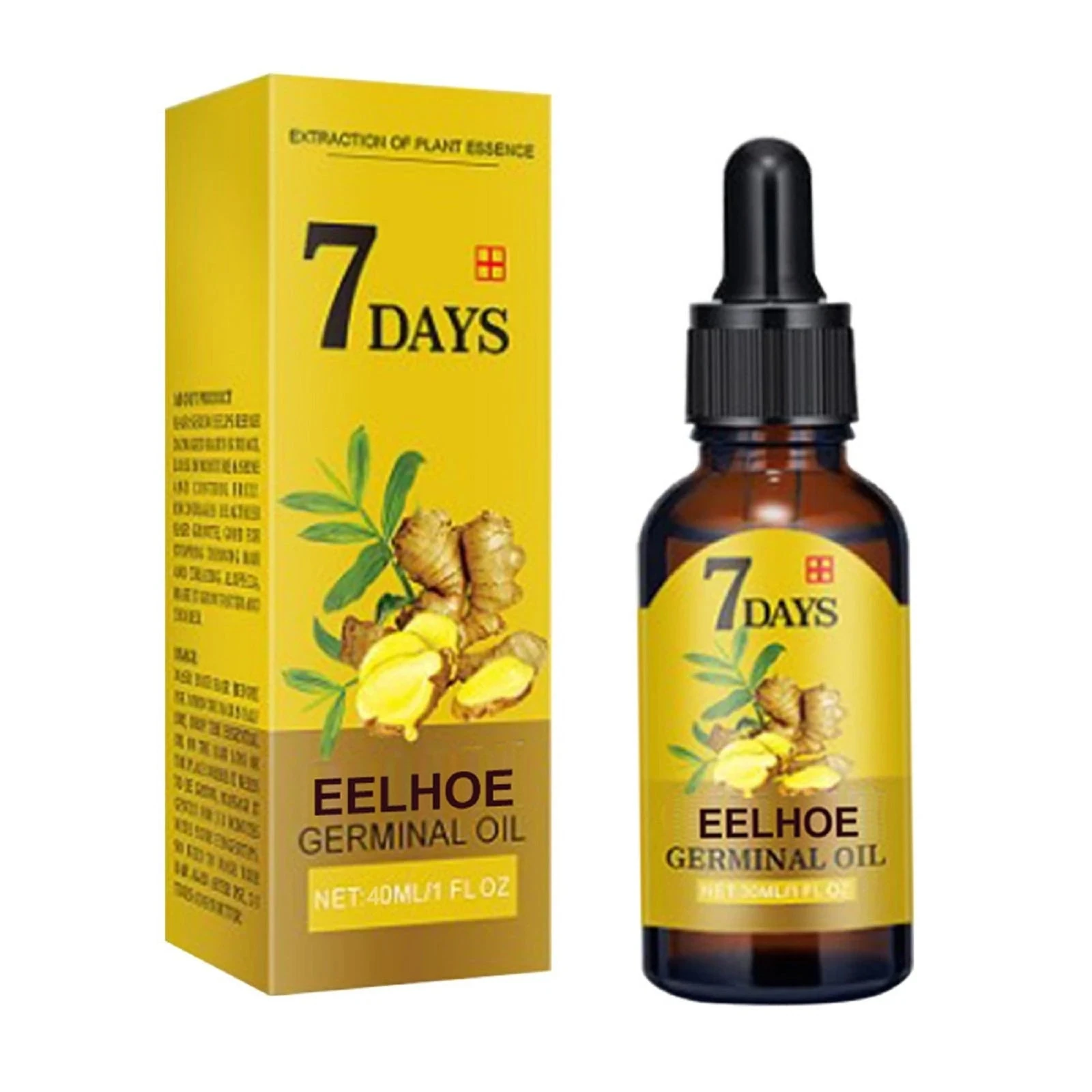
Glycerin and sodium PCA are moisture-binding ingredients, while panthenol is used for conditioning. The highlighted ingredient graphic is not a percentage breakdown. The word tonic describes this product choice; it does not establish a stronger concentration than the smaller essence. Compare the ingredients you prefer and whether direct dropper placement feels convenient in your routine.
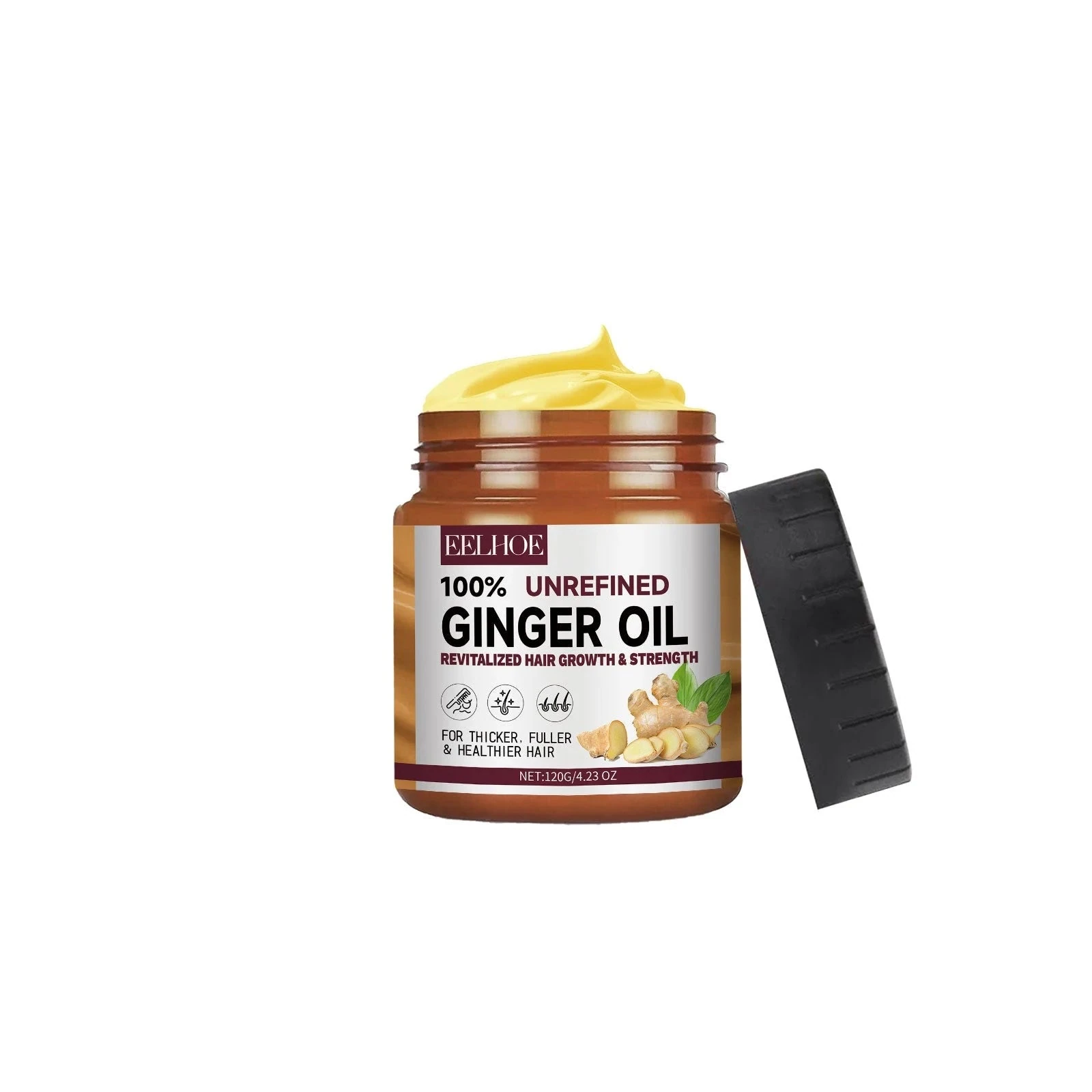
This is a finished conditioner, even though the front artwork uses the words Ginger Oil. Cetrimonium chloride and dimethicone are concrete conditioning ingredients to compare. The supplied directions do not establish a fixed waiting time or an overnight treatment. Some range images show ginger and rosemary jars together; the listing is for the ginger conditioner rather than a two-jar set.
Decide Whether You Need an Additional Step
If the scalp is comfortable and the main concern is tangling, a suitable conditioner may be more relevant than serum. If the scalp feels dry, compare a moisturizing formula while keeping persistent itch or flakes open to a different explanation.
If you already follow a treatment plan, ask about adding a cosmetic rather than assuming every leave-on is compatible. You may need fewer products, not an expanded routine. Each step should have an application area and a benefit you can name.
Apply with Care Around the Style
- Prepare according to the exact product's directions.
- Expose a part without repeated tugging or scraping.
- Place the directed amount on the intended scalp area.
- Distribute with fingertips if instructed, avoiding the nails.
- Complete the rinse or leave-on step.
- Check comfort and residue at the next ordinary styling step.
Keep the dropper tip clean. Do not saturate braids to compensate for difficult scalp access. If access is too restricted to follow directions, reconsider the application plan rather than increasing the dose.
For washing with dandruff products, the AAD notes that hair type and product instructions matter. Keep treatment on its intended area and use conditioner as appropriate to the hair lengths.
For curls or a style that makes scalp access difficult, applying scalp serum with curly hair covers gentle parting, placement and avoiding unnecessary saturation.
Observe Care Results Separately from Growth
Comfort, softness and easier detangling are meaningful cosmetic observations. They are different from a measured change in hair density. Try to compare similar wash and styling conditions rather than interpreting every change in root volume as regrowth.
Use treatment-specific expectations for a diagnosed problem. Do not wait through a generic serum timeline when symptoms worsen. A short record of the product, amount and start date is more useful than an unsupported promise of a result in a fixed number of weeks.
Common Routine Errors
Do not repeatedly apply oil to a painful scalp under a tight style. Do not use cooling or warmth as a measurement of circulation. Do not assume conditioner belongs on the scalp because the packaging mentions ginger oil.
Avoid introducing several new products on the same wash day. If a reaction occurs, it is harder to identify the cause. Keep medicines and cosmetics separate, and stop an optional product that consistently causes discomfort.
If residue is the problem, review amount, placement and the wash sequence. Adding another exfoliant to offset every leave-on can create a routine that is more complicated than the original need.
Frequently Asked Questions
Can I use serum with braids?
Check the exact product and whether you can reach the intended scalp area without pulling. The hairstyle does not change the product's dose or rinse requirement.
Should I apply it every night?
Only if that fits the product's instructions. A nightly schedule is not established by hair texture or the word serum.
Does scalp serum replace conditioner?
No. The tonic and rinse-out conditioner here have different application areas and care roles.
What if my edges are thinning?
Review tension and seek assessment for a changing hairline. Do not rely on a cosmetic to counter ongoing pulling.
What is the next purchase decision?
Compare the tonic if you want targeted water-based scalp care, or the conditioner if the missing step is softness and handling through the lengths.
Match the scalp-care step to your parting and styling routine.
Sources and Product Information
- AAD: Hairstyles that pull can lead to hair loss — Official guidance accessed October 1, 2026; applies to the stated topic, not a trial of GinGrowth products.
- AAD: How to treat dandruff — Official guidance accessed October 1, 2026; applies to the stated topic, not a trial of GinGrowth products.
- AAD: Hair loss—Diagnosis and treatment — Official guidance accessed October 1, 2026; applies to the stated topic, not a trial of GinGrowth products.
GinGrowth product details were checked October 1, 2026. This guide compares published information and current product specifications; it does not report a GinGrowth clinical trial or personal use test.