
The best scalp serums for root care match a specific need: moisturizing scalp care, a light finish or a convenient application method. Healthy-looking roots also depend on how you cleanse, condition and style the hair. A scalp serum is one possible step, not a requirement for everyone or proof of treatment for hair loss.
This guide separates scalp comfort from hair appearance, with current product details checked October 1, 2026. Its goal is to help you choose a care format and avoid adding products that do not solve the problem you actually notice.
Quick Take: What to Look for in Root-Care Serum
Start with the location of the concern. If the scalp feels dry, compare scalp moisturizing care. If the lengths feel rough, a conditioner or finishing product may be more relevant. If the roots look coated and flat, review residue, amount and washing before adding another leave-on.
Then check purpose, full ingredients, directions and applicator. For a light scalp routine, the current 30ml essence and 40ml tonic provide different water-based options. Choose by their verified details, not an assumption that a larger bottle or a more botanical name is stronger.
To narrow a broad product search, choosing a scalp serum by concern separates dry-feeling scalp, oil and buildup, and other care needs.
Why Scalp Care and Beautiful Hair Are Related but Different
Scalp skin is where the hair emerges, while the visible hair lengths have their own conditioning and styling needs. Treating those areas as one surface can lead to too much product at the roots and too little care where the ends actually need it.
A comfortable, manageable routine can support how the hair looks and feels. That does not establish that every serum feeds follicles, reverses thinning or treats inflammation. When symptoms suggest a scalp condition, choosing appropriate care begins with understanding the cause.
For example, a person with oily roots and dry lengths may need effective scalp cleansing plus conditioner on the intended hair area. Adding a rich scalp product because the ends are dry may miss both needs. The table below helps identify the next useful question.
For the everyday-care part, scalp care alongside a thinning-hair treatment plan explains washing, comfort and product placement without replacing cause-specific treatment.
Swipe the table sideways to compare all columns.
| Your decision | What to compare | Practical next step |
|---|---|---|
| Flat roots with residue | Amount, cleansing and placement. | Avoid coating lengths with additional scalp products. |
| Dry-feeling scalp | Moisturizing ingredients and tolerance. | Compare water-based essence and humectant tonic. |
| Dry or rough hair lengths | Conditioner or finishing care intended for the hair. | Apply to the labeled area rather than layering it on scalp. |
| Progressive thinning or persistent itch | The underlying cause. | Seek suitable advice instead of relying on “root health” marketing. |
Read Ingredients by Their Actual Role
The current essence contains glycerin within a water-based formula. The tonic highlights glycerin, sodium PCA and panthenol. These give concrete moisturizing and conditioning features to compare. Ginger root oil and ginger extract are different botanical details; they do not establish equivalent concentrations or clinical results.
Ingredient lists also include ingredients that affect texture, preservation and stability. Their presence does not automatically make them “fillers,” and useful ingredients do not have to satisfy an invented rule about appearing in the first half of every list.
If a product claims to improve density or treat a condition, look for evidence on that finished formula and the relevant outcome. A generic table promising that every peptide strengthens follicles or every caffeine serum blocks DHT goes beyond what ingredient presence alone can establish.
How to Choose the Right Scalp-Care Step
Use three observations: what the scalp feels like, what the roots look like and how the lengths behave. These can point to different product jobs. A leave-on serum should earn its place by providing a care benefit you want, not simply because a routine diagram includes one.
For light moisturizing care, compare the essence. For a different humectant profile and a larger bottle, compare the tonic. For everyday buildup, evaluate your cleansing step first. If itching or flakes persist, use the itchy-scalp decision guide instead of assuming all symptoms are a lack of moisture.
Applicator preference also matters. A dropper can make placement along a part easy to see. A spray may feel convenient for some users but still requires scalp access. The tool controls delivery; it does not establish the formula's effectiveness.
If the need is a light scalp-care step rather than conditioning the lengths, review the 30ml Lightweight Scalp Serum with Ginger.
Choose a Light Root-Care Step
Choose an optional everyday-care product by the task you need and the formula you prefer. The comparison below concerns cosmetic care, not proof that different products have identical treatment effects. GinGrowth sells the two products below.
Swipe the table sideways to compare all columns.
| Detail | 30ml Lightweight Scalp Serum with Ginger | 40ml Ginger Hair Tonic for Scalp & Roots |
|---|---|---|
| Format | Water-based dropper essence | Water-based dropper tonic |
| Ingredient highlights | Aqua, glycerin, ginger root oil, Polygonum multiflorum extract and hydroxyethylcellulose in the ingredient graphic. | Ginger extract, glycerin, sodium PCA and panthenol, alongside aqua, in the product artwork. |
| Application | After washing and drying, apply a small amount to the scalp, massage gently and leave in. The product guide describes daily use. | Part hair, apply a small amount, massage gently for 2–3 minutes and leave on. Follow the current bottle for frequency. |
| Reason to compare | Choose for a light moisturizing step and precise placement along a part. | Choose for a larger dropper format with humectant and conditioning ingredient highlights. |
View 30ml Lightweight Scalp Serum with Ginger or compare 40ml Ginger Hair Tonic for Scalp & Roots. Review the current product page for price and package details.
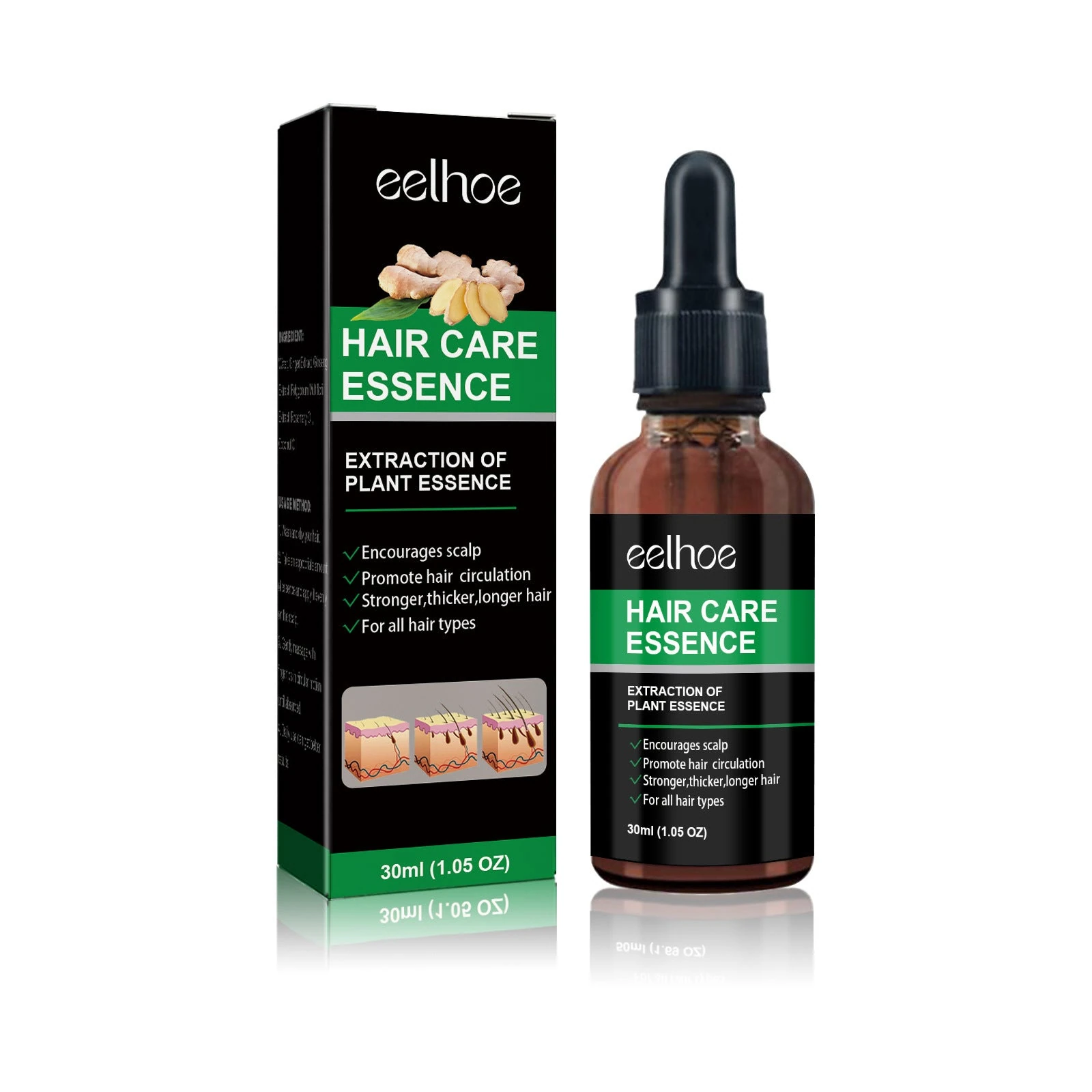
The essence contains ginger root oil within a water-based formula. That is different from buying a bottle of pure essential oil. Glycerin provides a concrete moisturizing ingredient to compare, while the dropper helps direct a small amount to the scalp. Use the finish on your own hair as the practical test: controlled placement matters more than saturating the roots or spreading scalp care through the lengths.
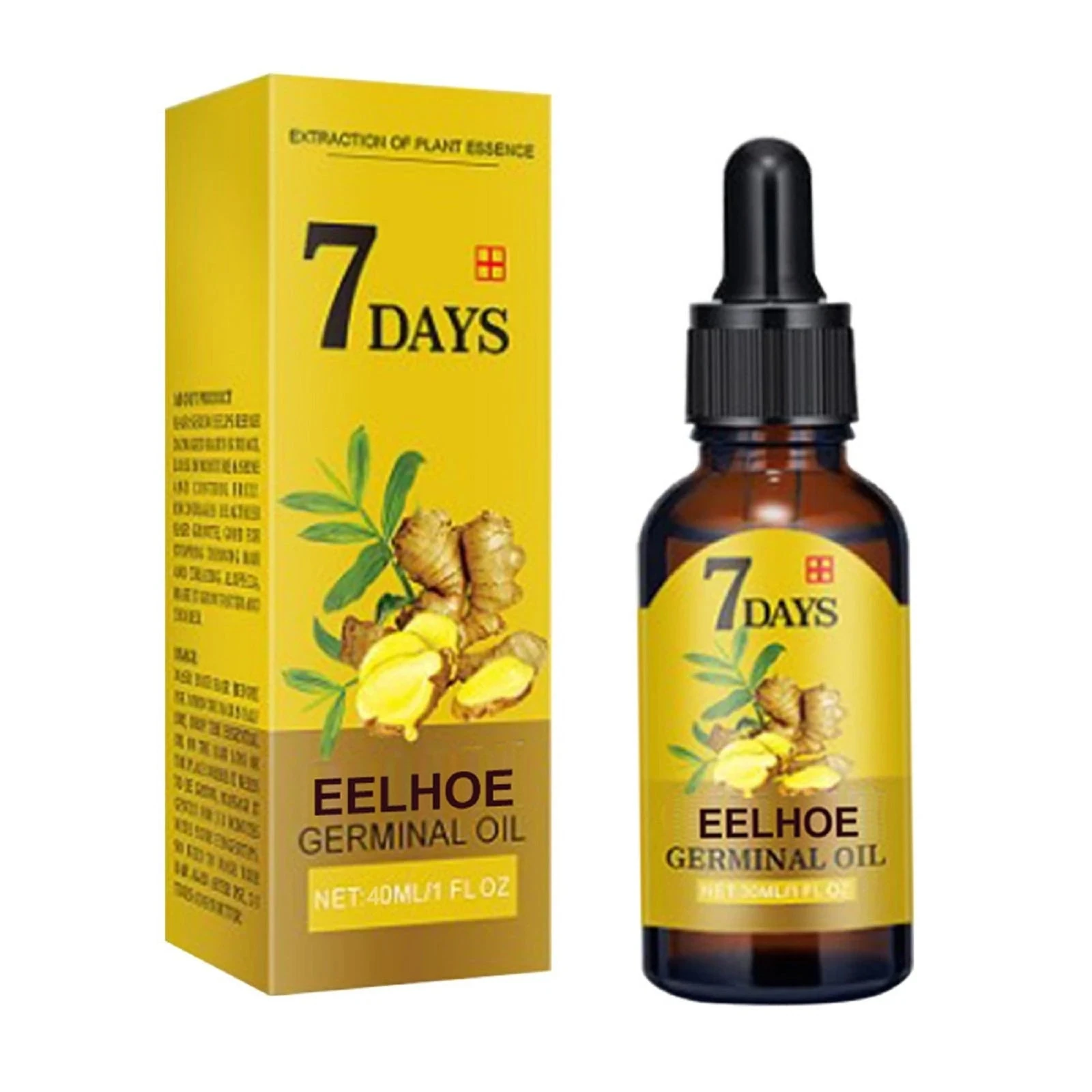
Glycerin and sodium PCA are moisture-binding ingredients, while panthenol is used for conditioning. The highlighted ingredient graphic is not a percentage breakdown. The word tonic describes this product choice; it does not establish a stronger concentration than the smaller essence. Compare the ingredients you prefer and whether direct dropper placement feels convenient in your routine.
How to Apply the Chosen Formula
Follow the product's own preparation and amount. For the current essence, the guide starts after washing and drying and describes a small amount, gentle massage and leave-in care. The tonic guide describes targeted placement, a gentle two-to-three-minute massage and leaving it on, with the current bottle controlling frequency.
Part the hair rather than coating the top surface. Keep the applicator clean and avoid scratching. If roots look heavy, check where the product landed and whether you used more than directed. Do not assume extra product will compensate for uneven placement.
A serum category does not guarantee leave-on use. Some scalp serums are pre-shampoo products. The application guide explains how to identify the intended area and rinse requirement before you begin.
Common Root-Care Mistakes
Putting every product on the scalp. A hair-length conditioner or shine serum may have a different intended area.
Equating a light finish with oil regulation. A formula can feel lighter without proving that it changes sebum production.
Layering to fix flat roots. More leave-in can increase residue. Review amount, placement and the wash step first.
Using a generic growth timeline. There is no shared six- or twelve-week result for every root-care serum. Match expectations to the actual formula and evidence.
Continuing despite irritation. Discomfort is not proof of beneficial stimulation. Stop the suspect product and seek advice if symptoms persist or worsen.
For progressive thinning, the AAD recommends finding the cause. A root-care product can serve a cosmetic preference without diagnosing or treating that cause.
If you are still deciding between scalp and hair-length care, the hair-serum selection guide compares application area, evidence and the job each format adds.
Frequently Asked Questions
Is scalp serum necessary for healthy-looking hair?
No. It is an optional step when its purpose matches your needs. Cleansing, conditioning and styling can also affect how the roots and lengths look.
Should I choose serum or hair oil?
Compare the exact formula, intended area and texture. A water-based essence and oil-based care can fit different preferences; neither is universally superior.
Can root care make my hair thicker?
Some products have supported appearance or density claims, but those need product-specific evidence. The moisturizing specifications of the products here do not establish regrowth.
Does every scalp serum stay on?
No. Check the rinse instruction. The products compared here have their own guides, while pre-shampoo serums work differently.
How do I know whether it fits my routine?
Observe comfort, ease of placement and root residue after label-directed use. Those practical checks help you assess the care format without inventing a clinical result.
Choose root care for a defined purpose: review the lightweight essence’s formula and placement.
Sources and Product Information
- American Academy of Dermatology: Hair loss—Diagnosis and treatment — Clinical education, accessed October 1, 2026; treatment benefits apply to the specified treatment and cause.
- American Academy of Dermatology: 10 reasons your scalp itches — Causes and corresponding care, accessed October 1, 2026.
GinGrowth product details were checked October 1, 2026. This guide compares published information and current product specifications; it does not report a GinGrowth clinical trial or personal use test.