
The best scalp serum for oily hair is one that gives you the scalp care you want without leaving your roots feeling coated. Start by comparing a fluid, water-based formula, a dropper that reaches the scalp and clear leave-in directions. Keep cleansing at the center of the routine, then use serum precisely where you need it.
If a few drops of a rich product leave your fringe looking flat, the next step is to look at texture and placement. This guide compares two EELHOE formulas sold by GinGrowth and shows how to fit a scalp serum around washing, conditioning and styling.
Which scalp serum fits oily hair?
Choose the job first. A leave-in scalp serum adds a care step after washing. A shampoo removes oil and buildup. A smoothing serum for the hair lengths serves a different purpose again. The right purchase depends on which part of your routine needs help.
| What you notice | What to choose or change | Where it belongs |
|---|---|---|
| A rich leave-in makes fine roots feel coated | Compare a fluid scalp formula and start with a small application. | On exposed scalp sections, following the label. |
| Roots are oily, but the ends feel dry | Keep scalp cleansing and conditioning the ends as separate steps. | Shampoo on the scalp; conditioner on fine or straight hair’s ends. |
| Roots feel heavy after several styling products | Wash out buildup and simplify the products used near the roots. | Start at the wash step before adding another leave-in. |
| Oiliness comes with persistent flakes or itching | Choose care for the scalp condition. Seek a dermatologist’s advice if dandruff persists. | A condition-specific routine, rather than choosing by serum texture alone. |
The American Academy of Dermatology’s hair-care guidance recommends washing according to how dirty or oily your hair gets, applying shampoo to the scalp and placing conditioner on the ends of fine or straight hair. Its dandruff guide explains when a dandruff shampoo or a dermatologist is the more useful next step.
When residue is the issue, the clarifying scalp-serum guide distinguishes cleansing and exfoliation from optional leave-on moisture.
If your roots feel oily while your ends feel rough, follow a routine for oily roots and dry ends to separate scalp cleansing from conditioning the lengths before adding an optional serum.
Two water-based scalp formulas to compare
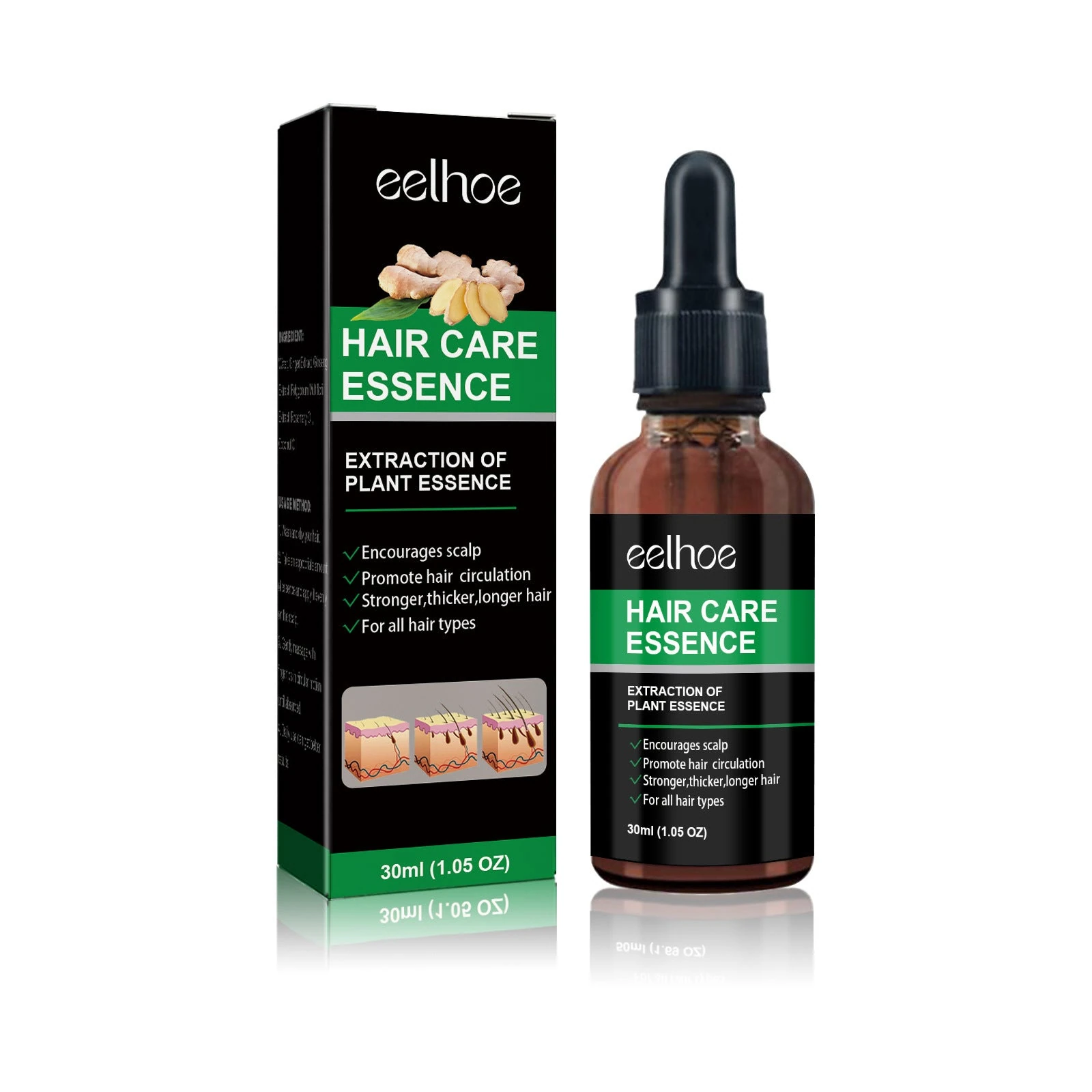
For a small dropper bottle and a fluid essence, start with our 30ml Lightweight Scalp Serum with Ginger. The 40ml Ginger Hair Tonic is another water-based option, with a different ingredient mix and a larger bottle. Here is what distinguishes them.
| Detail | 30ml Lightweight Scalp Serum | 40ml Ginger Hair Tonic |
|---|---|---|
| Format | Water-based essence in a 30ml dropper bottle. | Water-based tonic in a 40ml dropper bottle. |
| Listed ingredient highlights | Aqua, glycerin, ginger root oil and Polygonum multiflorum extract. | Ginger extract, glycerin, sodium PCA and panthenol. |
| Application | Apply a small amount after washing and drying. Massage gently and leave in. | Apply to scalp and roots, massage for 2–3 minutes and leave on as directed. |
| Choose it when | You want a small bottle of fluid essence for a targeted scalp step. | You prefer the larger bottle and its sodium PCA and panthenol ingredient mix. |
Both are sold in our store. This comparison uses the current product details and application guides; it does not rank the formulas by a measured oil-control result. If the 30ml format fits your routine, see its ingredients, directions and current price. Prefer the other formula? Compare the 40ml Ginger Hair Tonic.
Water-based does not mean oil-free
The 30ml essence lists both aqua and ginger root oil. That makes “water-based” and “oil-free” different claims: water is part of the formula, and so is an oil. If avoiding oils altogether matters to you, read the ingredient information before choosing a bottle.
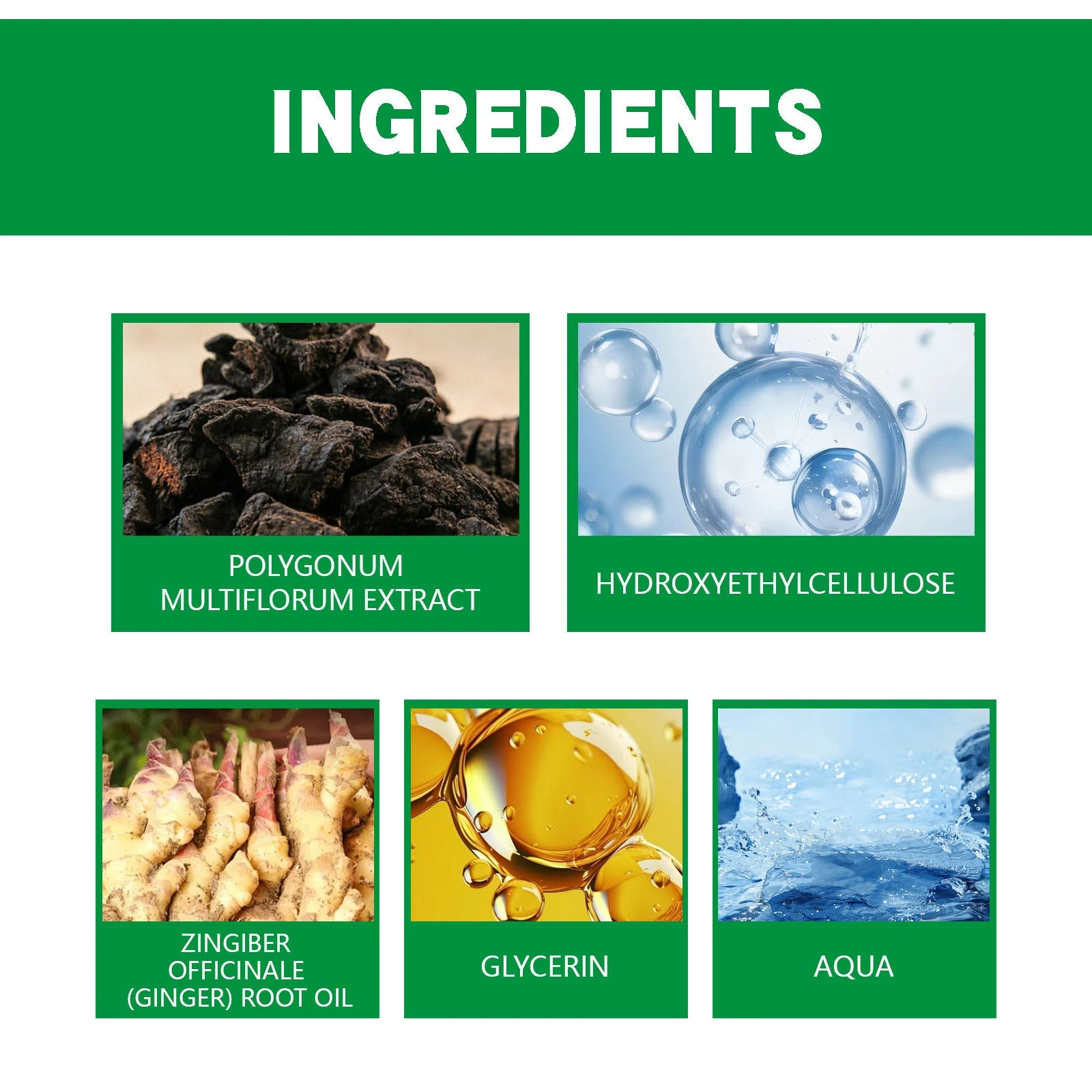
Use the whole formula to make your decision. For example, a shopper looking specifically for a salicylic-acid pre-wash treatment has a different need from someone choosing this ginger essence for a leave-in routine. The ingredient graphic shown here does not list salicylic acid. If an ingredient has irritated your scalp before, check for it before adding a new product.
If a wearable between-wash step is the goal, choosing a daily leave-on scalp formula compares finish and routine fit without assuming every serum should stay on.
How to compare a serum for oily scalp
When people search for the best serum for oily scalp, they are often trying to solve two different problems: roots that look greasy quickly and a scalp that still feels tight or uncomfortable after washing. A product can feel light without changing how much oil your scalp produces. Treat those as separate questions.
For a practical comparison, check five details on the product page. First, confirm that the product is intended for the scalp and whether it is leave-in or rinse-off. Second, check the bottle size and applicator. A dropper can make section-by-section placement easier, but it does not make a formula more effective by itself. Third, read the complete ingredient list rather than choosing from the word “ginger” or “water-based” alone. Fourth, look at the directions and start with the smallest amount that covers the intended area. Finally, decide whether the finish fits the rest of your routine. If you already use styling creams, oils or dry shampoo near the roots, the lightest serum may still feel heavy when everything is layered together.
If your question is “is hair serum good for oily hair?”, the honest answer is conditional. It can be useful when you want a targeted leave-in step and can tolerate the formula. It is unnecessary if your only goal is to remove oil, and it is not a substitute for a cleanser or for care directed at persistent dandruff, redness or itching.
How to apply scalp serum without soaking your roots
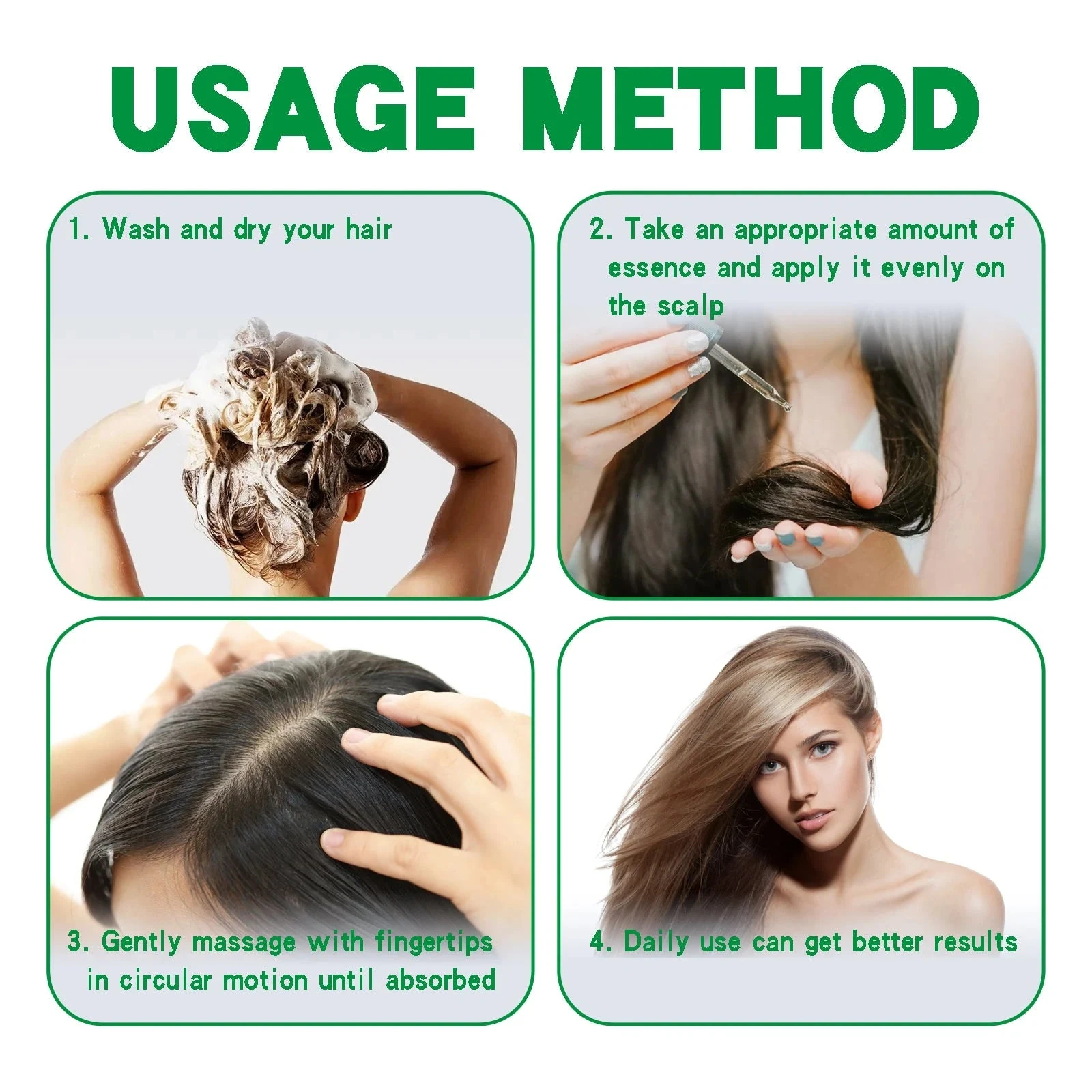
Direct placement gives you more control over where the product goes. For the 30ml essence, the product guide starts with washed, dried hair and shows application to the scalp followed by a gentle massage.
- Start with the wash step. Cleanse the scalp and rinse thoroughly. If your lengths need conditioner, apply it where your hair needs softness and detangling.
- Dry and part your hair. Follow the essence’s wash-and-dry directions. Make a part so you can see the scalp beneath it.
- Place a small amount on the scalp. Use the dropper along the exposed sections. Avoid dispensing over the top of your hairstyle or saturating the lengths.
- Massage gently and leave in. Spread with your fingertips, following the product directions.
- Check the finish before adding more. If your roots feel coated, review the amount and placement before layering another leave-in. Choose a different formula if the finish still does not suit you.
For a closer look at placement, read how to apply hair serum to the scalp. If cleansing is the step you are choosing first, our 100ml Ginger Shampoo is a rinse-off option for an ordinary wash routine.
Questions before you choose
Can a scalp serum balance oil production?
A light texture can make a product easier to fit around oily roots, but texture alone does not show that it reduces sebum production. We do not have a finished-product oil-control study for the two formulas compared here. Choose them for their format, ingredients and application; use washing to remove existing oil and buildup.
Should I use scalp serum every day if my hair gets oily?
The 30ml essence’s guide describes daily use after washing and drying. Follow your bottle’s directions and check how your scalp and roots feel. Daily use is not a reason to apply more product or keep using a formula that causes irritation.
What is the best lightweight hair serum for an oily scalp that does not make hair greasy?
Look for a fluid scalp formula, a precise applicator and directions that support a small, targeted amount. The 30ml Lightweight Scalp Serum is one option to compare because its product details describe a water-based essence and dropper application. “Lightweight” describes the intended feel; it is not a guarantee that every scalp will experience the same finish.
What should I do if my scalp becomes itchy after applying serum?
Stop the new product and rinse it out if you develop burning, swelling, hives or a worsening rash. Review the complete ingredient list and avoid applying a cosmetic serum to broken or inflamed skin. Persistent itching, marked redness or thick flakes deserves advice about the underlying scalp condition.
Sources and product evidence
- American Academy of Dermatology: Tips for healthy hair, accessed September 28, 2026.
- American Academy of Dermatology: How to treat dandruff, accessed September 28, 2026.
- GinGrowth product page: Lightweight Scalp Serum with Ginger, 30ml, current product details checked September 29, 2026.
- GinGrowth product page: Ginger Hair Tonic for Scalp & Roots, 40ml, current product details checked September 29, 2026.