
A collagen scalp serum should be assessed from its actual ingredient list and finished-product evidence. “Contains collagen,” “supports collagen” and “improves hair density” are different claims. A topical serum also cannot inherit the results of an oral supplement study merely because both mention collagen.
This guide helps you read those distinctions and decide whether your goal is scalp moisturizing care, hair appearance or treatment of thinning. GinGrowth product examples were checked October 1, 2026; they are separate care options, not represented as collagen formulas.
What Does Collagen Scalp Serum Mean?
The name can refer to a product containing a collagen-related ingredient or to marketing about supporting a biological process. Check the complete current label before assuming what is inside. A headline or collection name is not an ingredient declaration.
Identify the exact product, region and intended application area. A formula for hair lengths should not be moved to the scalp because a search result calls it a scalp serum. Rinse instructions are another separate check.
How to Read a Proposed Mechanism
A mechanism describes how an ingredient might act; it is not automatically proof of a clinical result from the finished bottle. Ask whether the cited work involves laboratory conditions, a topical formula, an oral supplement or a complete care regimen.
Then ask what outcome was actually measured. A conditioned feel, fuller-looking style and measured density are different results. A product can have a useful cosmetic role without demonstrating that it creates new follicles or treats the cause of hair loss.
For a named collagen-related product, the Color Wow Youth Juice formula review keeps its ingredients and reported benefits attached to that finished formula.
Swipe the table sideways to compare all columns.
| Your question | What to compare | Next step |
|---|---|---|
| Collagen ingredient | Exact INCI and formula | Do not infer the form from a headline. |
| Collagen-support claim | Claim about a process | May not mean the product contains collagen. |
| Oral supplement study | Different route of use | Cannot validate a topical serum automatically. |
| Density or growth claim | Finished-product study | Ask what changed and how it was measured. |
Ingredient Information Worth Checking
Look for the exact collagen-related name if that ingredient is central to your choice. Also read the base, moisturizing components, fragrance information and directions. The form and concentration should not be invented when the label does not establish them.
For a separate moisturizing-care comparison, the current 40ml tonic highlights glycerin, sodium PCA and panthenol with ginger extract. The 30ml essence highlights glycerin and ginger root oil in a water-based formula. Their supplied highlights do not identify collagen, and this article does not advertise them as collagen serums.
Who Should Compare These Products?
Someone seeking a specific collagen-containing formula should verify that ingredient and the evidence for the desired outcome. Someone mainly seeking a light scalp-care step may have a different purchasing task and can compare moisturizing ingredients directly.
Someone noticing progressive, patchy or sudden loss should prioritize identifying the cause. The AAD explains that diagnosis guides hair-loss treatment. A trending ingredient cannot determine which condition, if any, is present.
If your practical goal is moisture rather than a collagen-specific formula, review the 40ml Ginger Hair Tonic for Scalp & Roots.
Compare Formula Details Alongside Collagen Claims
The tonic and essence provide alternative moisturizing formats. Their highlighted ingredient information does not establish collagen content. GinGrowth sells the two products below.
Swipe the table sideways to compare all columns.
| Detail | 40ml Ginger Hair Tonic for Scalp & Roots | 30ml Lightweight Scalp Serum with Ginger |
|---|---|---|
| Format | Water-based dropper tonic | Water-based dropper essence |
| Ingredient highlights | Ginger extract, glycerin, sodium PCA and panthenol, alongside aqua, in the product artwork. | Aqua, glycerin, ginger root oil, Polygonum multiflorum extract and hydroxyethylcellulose in the ingredient graphic. |
| Application | Part hair, apply a small amount, massage gently for 2–3 minutes and leave on. Follow the current bottle for frequency. | After washing and drying, apply a small amount to the scalp, massage gently and leave in. The product guide describes daily use. |
| Reason to compare | Choose for a larger dropper format with humectant and conditioning ingredient highlights. | Choose for a light moisturizing step and precise placement along a part. |
View 40ml Ginger Hair Tonic for Scalp & Roots or compare 30ml Lightweight Scalp Serum with Ginger. Review the current product page for price and package details.
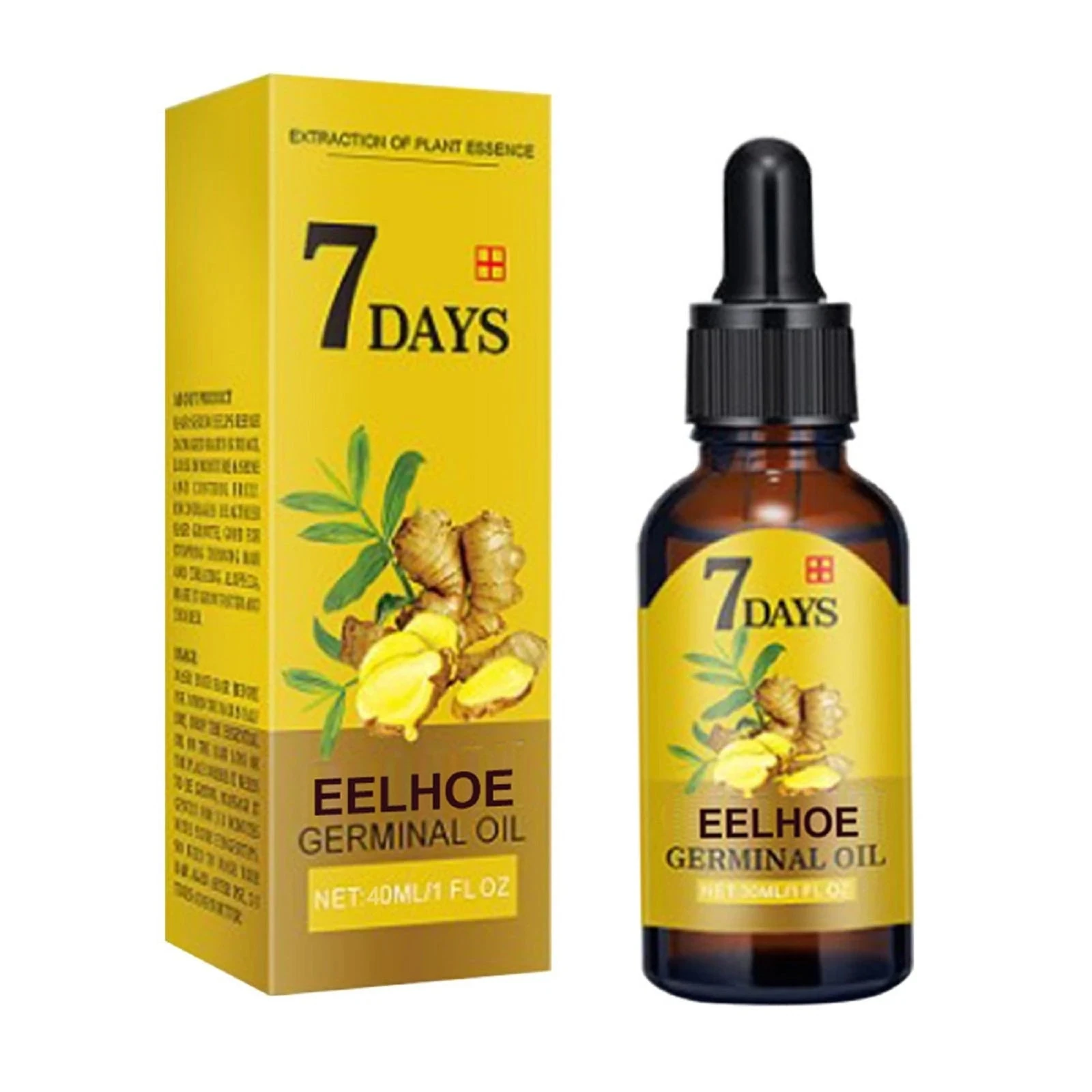
Glycerin and sodium PCA are moisture-binding ingredients, while panthenol is used for conditioning. The highlighted ingredient graphic is not a percentage breakdown. The word tonic describes this product choice; it does not establish a stronger concentration than the smaller essence. Compare the ingredients you prefer and whether direct dropper placement feels convenient in your routine.
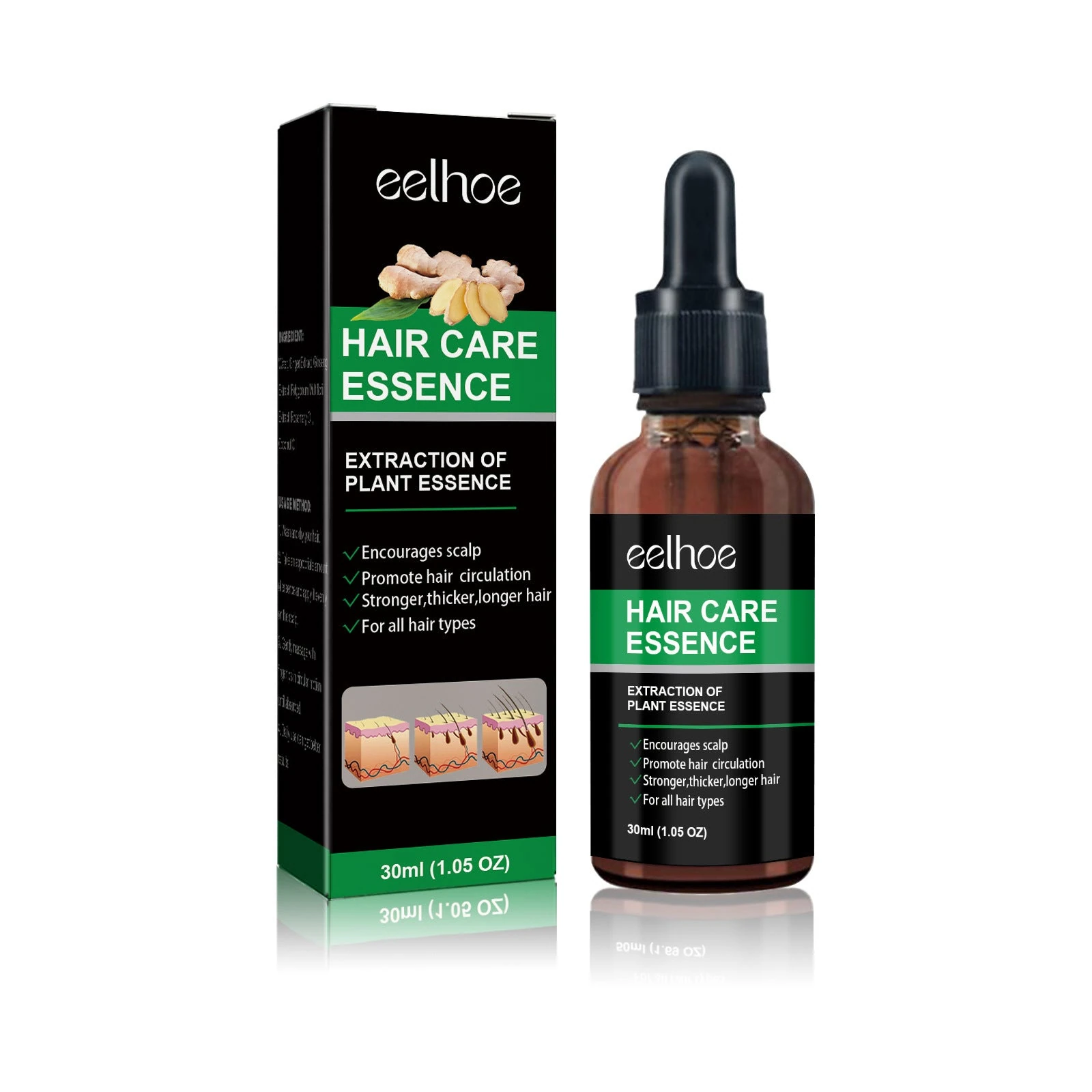
The essence contains ginger root oil within a water-based formula. That is different from buying a bottle of pure essential oil. Glycerin provides a concrete moisturizing ingredient to compare, while the dropper helps direct a small amount to the scalp. Use the finish on your own hair as the practical test: controlled placement matters more than saturating the roots or spreading scalp care through the lengths.
Apply the Product You Actually Selected
Confirm the intended area, preparation, amount, frequency and rinse requirement. Do not use a generic collagen-serum routine to overwrite the exact bottle instructions. A dropper volume from another product is not a reliable dose.
Part hair for scalp access, distribute gently when directed and avoid scratching. Keep optional cosmetics separate from medicines and ask about combinations when following a treatment plan. Application convenience is a practical feature, not evidence of better absorption or growth.
When comparing results claims, how to read hair-growth serum evidence distinguishes reduced breakage, reduced shedding, visible fullness and measured growth outcomes.
For a technique walkthrough, see how to apply hair serum to the scalp.
Compare with Other Hair-Care Categories
A rinse-out conditioner addresses hair-shaft feel and handling. An ordinary shampoo cleanses oil and residue. A moisturizing scalp formula supplies a separate care step. A medical hair-loss treatment has a particular indication and evidence base.
The word collagen should not collapse these categories into one. For example, oral supplement research cannot establish that a topical cosmetic produces the same result. Likewise, a complete-regimen trial does not isolate a serum's contribution without further data.
Decide What a Result Would Mean
For a cosmetic, observe comfort, residue and the intended appearance benefit. For a treatment, use the relevant clinical review plan. Compare like conditions when taking photographs; different parting, lighting or styling can create apparent changes that are not a measurement of density.
The AAD notes that minoxidil can stimulate growth and help prevent further loss in suitable cases, with results potentially taking six to twelve months and continued use needed to maintain benefit. That is treatment-specific guidance, not a collagen-serum timetable.
Common Claim-Reading Mistakes
Do not assume ingredient presence establishes a concentration. Do not turn “supports collagen” into “contains collagen.” Do not report a percentage of participants seeing fuller-looking hair as that percentage more hairs.
Avoid assigning another product's trial result to the tonic or essence shown here. GinGrowth sells these products, and their role in this comparison is a transparent alternative cosmetic-care choice based on verified specifications.
Finally, do not treat a strong sensation as evidence of stimulation. Stop a product that causes persistent irritation and seek advice about ongoing symptoms.
Use a Short Buying Worksheet
Write down the exact formula, the claim you care about, the source of evidence, the application routine and the current cost. Mark unknown details rather than filling them from a similar brand. Cost per use also needs a reliable amount; bottle size alone does not establish how long it lasts.
For a fuller explanation of density-study endpoints, read the scalp-density serum guide. For ordinary moisturizing selection, compare the products below by their different humectant profiles and sizes.
Frequently Asked Questions
Does collagen serum necessarily contain collagen?
Check the exact ingredient declaration. Some names describe a support claim rather than the presence of a particular ingredient.
Can supplement studies prove a topical serum works?
No automatic transfer is justified. Route of use, formula, participants and measured outcome can differ.
Are the GinGrowth options here collagen serums?
Their supplied ingredient highlights do not identify collagen. They are separate water-based scalp-care options.
Can a pleasant finish be a useful benefit?
Yes. It can justify a cosmetic preference without being reported as a regrowth result.
Choose the Claim You Can Verify
Start with the actual formula and the outcome you want. Verify collagen-specific claims when those drive the purchase; compare ordinary moisturizing care on its own merits when that is the real need. Keep evidence, application and product identity together.
Compare the tonic by its actual humectants and scalp directions.
Sources and Product Information
- AAD: Hair loss—Diagnosis and treatment — Official guidance accessed October 1, 2026; applies to the stated topic, not a trial of GinGrowth products.
GinGrowth product details were checked October 1, 2026. This guide compares published information and current product specifications; it does not report a GinGrowth clinical trial or personal use test.