
A plant-based serum for hair growth should be evaluated by its actual ingredients, finished-product evidence and directions. Botanical content may explain a formula's positioning, but it does not automatically establish regrowth, vegan certification or better tolerance. Choose the care role first, then check whether the product supports the claims that matter to you.
This guide focuses on reading labels and evidence. GinGrowth product information was checked October 1, 2026; the products are discussed as finished formulas with botanical ingredients, without inventing a certification or clinical trial.
What Does Plant-Based Mean on a Serum?
The phrase can describe ingredient sourcing or a brand's positioning, but it does not provide a complete formula specification. Ask which components are plant-derived and whether the brand defines a standard. A product containing ginger can also contain water, texture agents, preservatives or ingredients with other origins.
Do not infer vegan, organic or cruelty-free certification from the presence of a botanical. Those are separate claims with their own scope. If one is essential to your purchase, seek specific verification for the exact product rather than relying on a leaf symbol or color scheme.
For a formula combining traditional botanicals with other ingredients, the Chāmpo Pitta formula review explains the dated ingredient record and what it cannot establish about growth.
How to Assess a Hair-Growth Claim
Look for a study of the finished formula, a defined group of participants, the measured outcome and the period of use. A laboratory finding about an extract is different from evidence that applying a retail serum increases hair density.
The AAD explains that treatment depends on the cause of hair loss. A botanical formula that feels pleasant can serve a cosmetic preference while a treatment question remains separate. Do not replace an established plan solely because a new product is described as plant-powered.
For the rosemary-specific evidence, the rosemary oil and serum evidence review explains what the studied preparation can and cannot tell you about another finished formula.
Swipe the table sideways to compare all columns.
| Your question | What to compare | Next step |
|---|---|---|
| Botanical content | Named extract or oil | Read ingredient form and full formula. |
| Plant-based positioning | A brand description | Ask which components or standards it covers. |
| Vegan or certified claim | Specific verification | Do not infer it from ginger on the label. |
| Growth claim | Finished-product evidence | Keep the condition and outcome in view. |
A Ginger-Based Care Format to Compare
The current 30ml essence is water-based and highlights glycerin and ginger root oil among its ingredients. The 40ml tonic highlights ginger extract with glycerin, sodium PCA and panthenol. GinGrowth sells both, and they are included for concrete moisturizing-care and application differences.
Neither listing should be described here as a certified vegan or wholly plant-derived formula without supporting documentation. The botanical form also differs: ginger root oil and ginger extract are not interchangeable concentration statements.
Read Ingredient Roles Beyond the Hero Plant
Humectants, conditioning ingredients, solvents, preservatives and texture agents help make a formula usable. A familiar plant does not perform every job, and ingredients less prominent in advertising are not automatically useless fillers.
A product can contain an oil within a water-based formula. Water-based therefore does not mean oil-free. Likewise, an oil blend with botanical ingredients is not necessarily pure essential oil. These distinctions matter when comparing feel, application and the complete ingredient list.
If you want a water-based formula with named botanical ingredients, review the 30ml Lightweight Scalp Serum with Ginger.
Compare Botanical Ingredients in Finished Formulas
Both formulas name botanical ingredients alongside other cosmetic ingredients; neither is represented here as a certified all-plant formula. GinGrowth sells the two products below.
Swipe the table sideways to compare all columns.
| Detail | 30ml Lightweight Scalp Serum with Ginger | 40ml Ginger Hair Tonic for Scalp & Roots |
|---|---|---|
| Format | Water-based dropper essence | Water-based dropper tonic |
| Ingredient highlights | Aqua, glycerin, ginger root oil, Polygonum multiflorum extract and hydroxyethylcellulose in the ingredient graphic. | Ginger extract, glycerin, sodium PCA and panthenol, alongside aqua, in the product artwork. |
| Application | After washing and drying, apply a small amount to the scalp, massage gently and leave in. The product guide describes daily use. | Part hair, apply a small amount, massage gently for 2–3 minutes and leave on. Follow the current bottle for frequency. |
| Reason to compare | Choose for a light moisturizing step and precise placement along a part. | Choose for a larger dropper format with humectant and conditioning ingredient highlights. |
View 30ml Lightweight Scalp Serum with Ginger or compare 40ml Ginger Hair Tonic for Scalp & Roots. Review the current product page for price and package details.
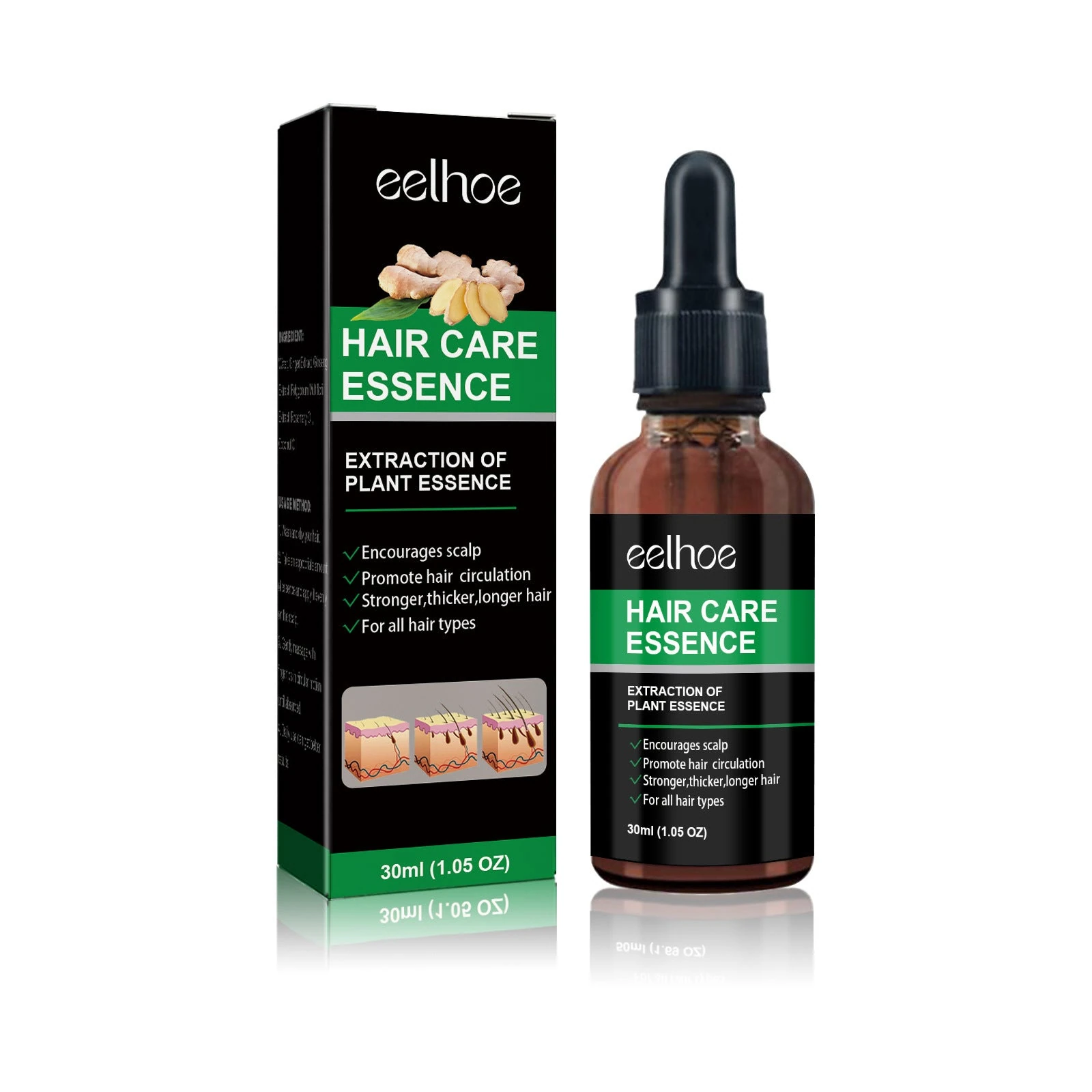
The essence contains ginger root oil within a water-based formula. That is different from buying a bottle of pure essential oil. Glycerin provides a concrete moisturizing ingredient to compare, while the dropper helps direct a small amount to the scalp. Use the finish on your own hair as the practical test: controlled placement matters more than saturating the roots or spreading scalp care through the lengths.
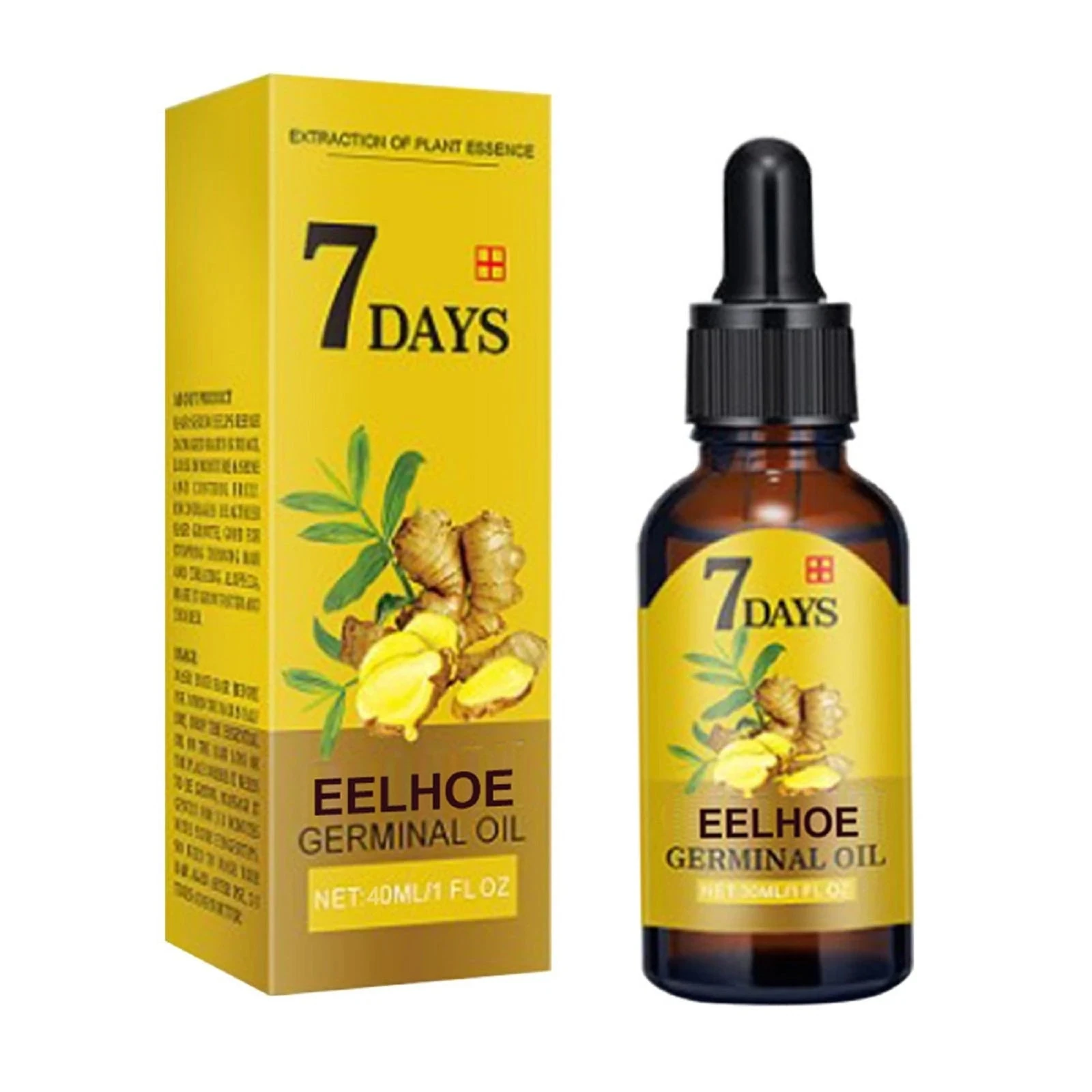
Glycerin and sodium PCA are moisture-binding ingredients, while panthenol is used for conditioning. The highlighted ingredient graphic is not a percentage breakdown. The word tonic describes this product choice; it does not establish a stronger concentration than the smaller essence. Compare the ingredients you prefer and whether direct dropper placement feels convenient in your routine.
Choose the Standard That Matters to You
Separate your priorities: botanical preference, scent, sourcing standard, texture, application and expected result. Then check each against product information. If a preferred certification is unknown, keep it unknown rather than converting a marketing phrase into proof.
The FDA explains that hypoallergenic wording does not guarantee a product cannot cause an allergic reaction. The broader lesson for shopping is to inspect the actual formula and your sensitivities instead of treating a reassuring label as a universal tolerance test.
Apply the Finished Formula as Directed
Read its intended area and preparation. The current essence guide starts after washing and drying, uses a small amount and gentle massage, and describes leave-in care. The tonic has its own directions and package-controlled frequency.
Do not add essential oils to increase its botanical percentage or mix it with a medicine. That changes the formula without establishing greater benefit. For placement, use the scalp-serum application guide.
Set a Product-Specific Expectation
For moisturizing care, assess comfort, residue and whether the format is easy to use. For a growth claim, use the evidence and timeline for that exact treatment or study. There is no universal botanical-serum deadline for thicker hair.
A routine can become easier to maintain without changing follicular growth. Keeping those observations separate makes a product comparison more accurate and helps you avoid repeatedly changing formulas for the wrong reason.
Common Plant-Based Shopping Mistakes
Do not assume a longer list of extracts guarantees a better result. Do not rank products by how strongly they smell or tingle. Do not transfer an oral supplement study to a topical serum or a pure-oil study to an unrelated blend.
Also avoid declaring a product unsafe simply because its formula includes synthetic ingredients. Suitability depends on the complete product, intended use and individual response, not a simplistic natural-versus-synthetic score.
Who Might Prefer Botanical Scalp Care?
Someone who likes a particular formula and can verify the sourcing claims that matter to them may find botanical care appealing. Someone whose priority is a fragrance-free formula should check that specific property rather than assuming plant-based means unscented.
Someone with persistent symptoms or progressive thinning needs the cause evaluated. An ingredient preference can guide cosmetic shopping without answering a medical question.
For a botanical-rich example, the Supa Thick botanical-formula review explains the dated formula record, aromatic oils and the need to confirm current rinse instructions.
Fit It into a Simple Routine
Keep shampoo for cleansing, conditioner for the intended hair area and optional scalp care for its defined role. Changing all three together makes it harder to understand irritation or residue.
For a comparison of oil-related evidence and texture, see the castor-oil serum guide. For a repeatable schedule, use the scalp-serum routine guide.
Frequently Asked Questions
Does plant-based mean vegan?
Not automatically. Ask what the claim covers and whether the exact product has relevant verification.
Does more ginger mean better growth?
A highlighted ingredient does not provide concentration or establish a finished-product growth result.
Are botanical products always fragrance-free?
No. Read the complete current ingredient list and any explicit fragrance claim.
Choose a Verifiable Care Benefit
Pick a product whose formula, sourcing information and instructions match your priorities. For a light moisturizing step, compare the current essence and tonic below. Keep botanical preference as a clear shopping criterion without turning it into an unsupported treatment promise.
Compare actual botanical ingredients and application, then choose the texture you prefer.
Sources and Product Information
- AAD: Hair loss—Diagnosis and treatment — Official guidance accessed October 1, 2026; applies to the stated topic, not a trial of GinGrowth products.
- FDA: Hypoallergenic cosmetics — Accessed October 1, 2026; marketing language is not a universal tolerance guarantee.
GinGrowth product details were checked October 1, 2026. This guide compares published information and current product specifications; it does not report a GinGrowth clinical trial or personal use test.