
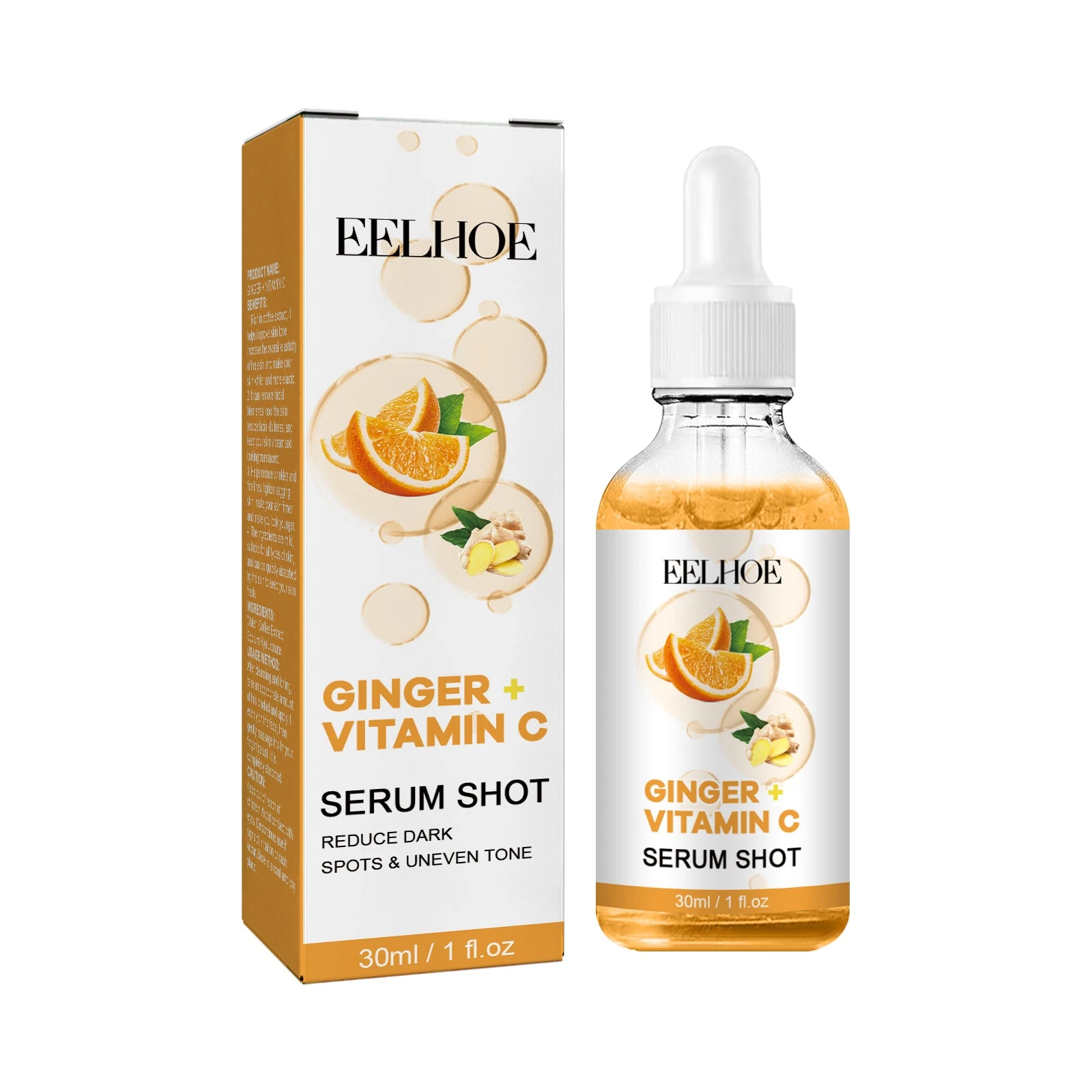
Apply vitamin C serum before moisturizer in a standard skincare routine: cleanse, use optional toner, apply the serum, then moisturize. In the daytime, follow with sunscreen according to its directions. The orange 30ml Ginger + Vitamin C Serum Shot discussed here specifically uses 2–3 drops before cream. Your own product's instructions take priority if they describe a different method.
The order is straightforward; the useful details are how much to apply, how to handle pilling and what to do when your routine includes other treatments. This guide answers those questions without inventing a universal waiting time or treating vitamin C as a substitute for sunscreen.
Why does vitamin C serum go before moisturizer?
A facial serum is normally placed after cleansing and before the cream step in this routine. The current instructions for the orange 30ml serum follow that sequence. Applying it first gives you a straightforward way to spread its small portion evenly, then add the separate moisture layer you need. It also makes the steps easier to identify if the combination feels uncomfortable or pills.
Cleveland Clinic's vitamin C serum guide similarly places serum after washing and optional toner and explains its role alongside sun protection. That is general guidance, not proof that every formula called a serum has identical texture, concentration or stability. Read the directions for the exact bottle in your hand before borrowing another person's routine.
On a small screen, swipe or scroll the table sideways to compare all columns.
| Stage | Order and purpose | Example or practical cue |
|---|---|---|
| Cleanser | First; rinse away | Remove cleanser before layering leave-on products |
| Optional toner | After cleansing, before serum | Use only if already suited to your routine |
| Vitamin C serum | Before moisturizer | Orange 30ml serum: 2–3 drops |
| Moisturizer | After serum | 50g turmeric jar: a small fingertip portion |
| Daytime sunscreen | After skincare; follow sunscreen directions | Vitamin C does not provide an SPF rating |
| Makeup | After skincare/protection have settled | Avoid repeatedly rubbing unset layers |
You do not need to assemble every possible layer. Toner is optional, and a second serum is not a prerequisite for using the first. A comfortable routine that you can repeat is more useful than one that is so crowded you cannot tell which product is causing an issue. If you already use prescribed treatment, follow its instructions rather than moving it around to fit a generic sequence.
How to apply the orange 30ml serum
Start after cleansing and any optional toner. The current product method specifies 2–3 drops, gently spread over the intended facial areas before moisturizer. Avoid the eyes. More drops do not demonstrate better brightening and may simply create a wetter layer that takes more effort to distribute.
- Cleanse and rinse; apply optional toner if you use one.
- Apply 2–3 drops of the orange 30ml vitamin C serum.
- Spread gently and let the layer settle before adding cream.
- Use a small amount of moisturizer where needed.
- In the daytime, apply sunscreen as directed before makeup or going outside.
The bottle shown is the orange Ginger + Vitamin C Serum Shot. Range artwork may also show a green hyaluronic-acid product or pink vitamin-A product, but those are separate items, not additional bottles included with this serum. Check the product identity and current contents before ordering so your routine is built around what you will actually receive.
The reviewed information does not state a vitamin C percentage or provide a finished-product clinical trial. Do not assign a concentration from an unrelated article about vitamin C, or interpret the orange packaging as a strength rating. The current product details support its cosmetic role for dullness and uneven-looking tone; they do not establish a guaranteed timetable for a specific dark spot.
How long should you wait before moisturizer?
There is no verified product-specific five- or ten-minute waiting rule for this serum. Let the layer settle enough that you can apply cream without pushing a wet coating around. Then use a suitable amount of moisturizer. Do not keep rubbing the serum because you believe every trace of surface feel must disappear before the next step.
If the layers roll into small crumbs, consider the portion size, how much rubbing you are doing and how many products are involved. Try smaller amounts and fewer optional layers while keeping essential care and prescribed treatments appropriate. A long timer may not solve a combination that pills because of the way the products are applied together.
Avoid mixing the serum and moisturizer in your palm as a shortcut. That makes it harder to follow the serum's drop guidance and to distribute each product consistently. Applying them as separate steps also helps you identify which product to review if you notice stinging or another unexpected reaction.
What if you already put moisturizer on first?
One reversed application does not require an aggressive extra cleanse. Do not scrub your face to start over or double the serum amount to compensate. Resume the usual order at the next routine, and follow your products' directions. The information available does not let us calculate how much effect was lost from a single reversed application.
For someone whose clinician has recommended a buffering method around an irritating treatment, that individualized plan is a different situation. Follow the clinician's instructions. Do not assume a cosmetic-serum article should override a prescribed routine, or that putting moisturizer first automatically makes an unsuitable product suitable.
Morning or night: does the order change?
The serum-before-moisturizer sequence stays the same whether you apply it in a morning or evening routine, unless the product directions say otherwise. Cleveland Clinic discusses morning vitamin C use alongside sunscreen. The practical daytime sequence is cleanse, optional toner, serum, moisturizer and sunscreen, followed by makeup if you use it.
Vitamin C does not have an SPF rating simply because it is an antioxidant ingredient. It cannot replace sunscreen, and the moisturizer shown here is not presented as sunscreen either. Follow the protection product's own instructions, including application before outdoor exposure and reapplication when needed.
At night, keep the same order for the serum and moisturizer while accounting for any other treatments you already use. There is no need to automatically add a second daily application because you have a spare slot in the evening. Consistency, comfort and the exact label matter more than maximizing the number of applications.
Choose a moisturizer as a separate step
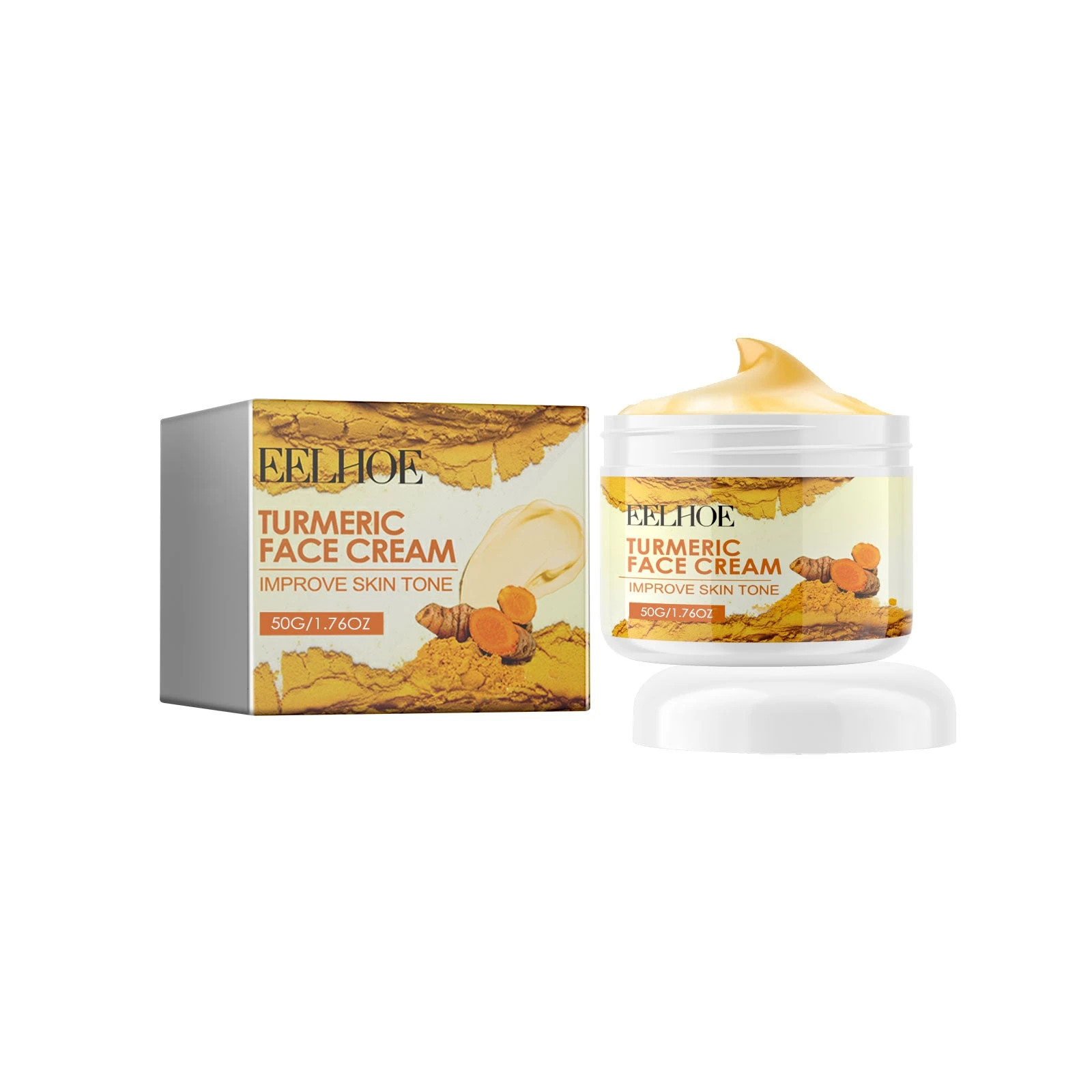
The example paired with the serum here is a 50g turmeric face moisturizer jar with water, turmeric extract and glycerin among its highlights. It is a leave-on facial cream portioned with clean fingertips. Start with a small amount, spread it over the intended areas and close the jar after taking your portion.
This pairing illustrates order; it is not a claim that both products have been clinically tested together or that you must buy this moisturizer to use the serum. If your current moisturizer is comfortable and appropriate, it may already fill that role. Explore the jar if you want a separate fingertip-applied moisture step and its ingredient information fits your needs.
The AAD's dry-skin guidance explains why suitable moisture care and gentle cleansing matter. If your skin feels persistently dry, review those fundamentals before adding multiple serums. An uneven-looking complexion and a tight-feeling face are not necessarily solved by the same extra product.
Fit other products around the actual job they do
A rinse-off cleanser or mask comes before the serum, because its removal would otherwise wash over the leave-on layers. An optional toner, if you use one, comes between cleansing and serum. Our toner versus serum guide explains that distinction if the labels are confusing.
If your routine also includes turmeric products, our turmeric skincare routine order maps the wider rinse-off and leave-on sequence. You do not need to use both the turmeric serum and vitamin C serum merely because both appear in related guides. Choose an optional step for a clear reason and avoid introducing several new products at once.
For an eye concern, a facial serum is not automatically an eye cream. Keep it away from the eyes and use products according to their intended area. Our separate vitamin C eye-cream guide discusses why under-eye appearance and facial uneven tone are not identical problems.
Troubleshooting: identify the symptom before changing the order
If products roll during your routine, use the moisturizer pilling troubleshooting guide.
Pilling calls for a review of quantity, friction and unnecessary layers. Stinging calls for stopping and assessing the product rather than patiently waiting for it to prove itself. Dryness calls for a review of cleansing and moisture care. None of these observations proves that applying serum after moisturizer is the universal solution.
If pigmentation is your main concern, keep sun protection consistent and investigate the cause. The AAD's dark-spot guidance includes vitamin C among relevant ingredients but emphasizes avoiding irritation and addressing what caused the discoloration. A changing or unexplained mark should be assessed rather than hidden behind an increasingly complicated routine.
Frequently asked questions
Does vitamin C serum go on before or after moisturizer?
Before moisturizer for the standard sequence and the orange serum described here. Apply after cleansing and optional toner, then use a separate cream. In the daytime, finish with sunscreen as directed.
Can I skip moisturizer after vitamin C serum?
A serum does not automatically replace moisturizer. Whether you need a separate moisture step depends on your skin and the products involved. If your face feels dry or tight, do not assume extra drops of serum provide the same role as a suitable cream.
Do I apply vitamin C serum before sunscreen?
Yes, in this routine serum precedes moisturizer and daytime sunscreen. Vitamin C does not replace the sunscreen step. Apply your protection product according to its own directions rather than mixing it into serum or cream.
Should I use more serum if my moisturizer is thick?
No fixed increase is supported here. Use the serum's listed 2–3 drops and portion the moisturizer separately. If the combination feels heavy, review the amount and optional layers rather than doubling the serum.
Sources and product information
Product information was checked October 16, 2026. Cleveland Clinic's vitamin C guidance was reviewed from the source retrieved October 15; the AAD resources support general moisture and pigmentation care. These sources do not endorse this pairing, and this guide does not claim an original compatibility trial or guaranteed outcome.