
A leave-in scalp serum for hair growth is a product you apply to the scalp without rinsing it out. What it can achieve depends on the formula: a cosmetic serum can provide moisturizing care and fit a thinning-hair routine, while a treatment with evidence for hair regrowth has a different purpose. Start with the result you want, then check the ingredients, directions and evidence behind that exact product.
This guide explains how to make that choice and compares a 30ml dropper essence with a 50ml scalp spray sold by GinGrowth. The product details were checked on September 30, 2026. The comparison uses current listings and supplied product information, not a clinical trial or a claimed personal test.
What Is a Leave-In Scalp Serum?
“Leave-in” and “leave-on” describe the same basic instruction: the product remains on the scalp after application. Neither term specifies an active ingredient, concentration or proven outcome. A bottle can contain a water-based cosmetic essence, an oil blend or a treatment formula, so the product name alone is not enough to compare them.
A scalp serum is also different from a finishing serum intended for hair lengths. One is placed on the skin between the hairs; the other may be designed to smooth the hair surface or manage frizz. Check the application area on the label rather than assuming every product called hair serum belongs at the roots.
The everyday advantage of an appropriate leave-on product is convenience: you can place a small amount where you want it and continue your routine without an extra rinse. That is a useful format benefit, but longer contact time does not establish greater hair-growth activity than another product.
How Leave-In Scalp Serums Fit a Hair-Growth Routine
Separate three goals before buying: moisturizing the scalp, improving the way existing hair looks or feels, and treating a cause of hair loss. They can matter to the same person, but they are not interchangeable outcomes. A comfortable scalp or a fuller-looking style does not by itself demonstrate that new hair has grown.
The American Academy of Dermatology's hair-loss treatment guide explains that effective treatment begins with finding the cause. It states that minoxidil can stimulate hair growth and prevent further hair loss when used as directed, while also noting that no treatment works for everyone. Those are benefits of that treatment and its evidence; they should not be transferred to a cosmetic ginger serum.
| Your goal | What to compare | What counts as useful evidence |
|---|---|---|
| Moisturizing scalp care | A suitable cosmetic formula and texture. | Ingredients, directions and your comfort with the product. |
| A fuller or smoother look | A product intended for the hair appearance you want. | The claimed cosmetic effect, not an assumption of new growth. |
| Hair regrowth or reduced progression of hair loss | A treatment appropriate to the diagnosed cause. | Evidence for the treatment, outcome and user group. |
A cosmetic serum can still have a clear role. For example, the 30ml essence below contains moisturizing glycerin in a water-based formula. It provides a way to add scalp-focused care without spreading an oil through all the hair lengths. Choose it for that practical benefit, and make treatment decisions separately if you are investigating ongoing shedding or thinning.
Looking for a light leave-on scalp-care step? The 30ml essence combines a water-based formula with a dropper for targeted placement.
See the lightweight scalp serum's ingredients and directions →
Key Ingredients to Look For
Read ingredient information alongside the intended use. In the current 30ml essence listing, aqua provides the fluid base and glycerin is a moisturizing ingredient. The supplied ingredient graphic also lists ginger root oil, Polygonum multiflorum extract and hydroxyethylcellulose. This describes the formula more usefully than calling it a generic “circulation booster.”
Ginger root oil in a water-based essence does not make the entire product a pure essential oil. Equally, the presence of water does not establish that the formula is fragrance-free, allergy-free or suitable for every sensitive scalp. If a particular ingredient causes you problems, check the complete current label rather than relying on the featured botanical.
When another serum advertises peptides, caffeine, biotin or a plant extract, look for evidence that matches the finished product, the tested group and the claimed result. Ingredient research and a product's clinical results are different kinds of evidence. A list of several fashionable ingredients does not show that their combination produces faster regrowth.
For a general introduction to product categories, see the scalp serum guide. This page focuses on how a leave-in product fits a hair-growth or thinning-hair routine and how to choose a manageable application format.
Which Leave-On Format Fits Your Routine?
GinGrowth sells the two options below. Compare them by the formula details and application task you prefer. Bottle size and dispenser type are confirmed differences; a stronger concentration or better regrowth result is not established by the format.
| Detail | 30ml lightweight scalp serum | 50ml ginger scalp spray |
|---|---|---|
| Applicator | Dropper for targeted placement. | Spray nozzle for spray-and-massage application. |
| Format | Fluid, water-based essence. | Leave-on scalp and root spray. |
| Listed ingredient highlights | Glycerin, ginger root oil and Polygonum multiflorum extract. | Ginger extract, black sesame, angelica flower and safflower in the ingredient graphic. |
| Application guide | After washing and drying; apply a small amount, massage gently and leave in. | After washing and drying; spray a small amount, massage for 2–3 minutes and leave on. |
| Practical reason to choose | Preference for a lightweight moisturizing formula and controlled dropper placement. | Preference for using a spray applicator and a larger bottle. |
| Evidence boundary | No established clinical regrowth result from the verified specifications. | No established clinical regrowth advantage over the dropper essence. |
Compare the 30ml lightweight scalp serum if you want a water-based essence and dropper placement along a part. View the 50ml ginger scalp spray if you prefer a spray-and-massage step. Check the current product page for price, ingredients and directions before choosing.
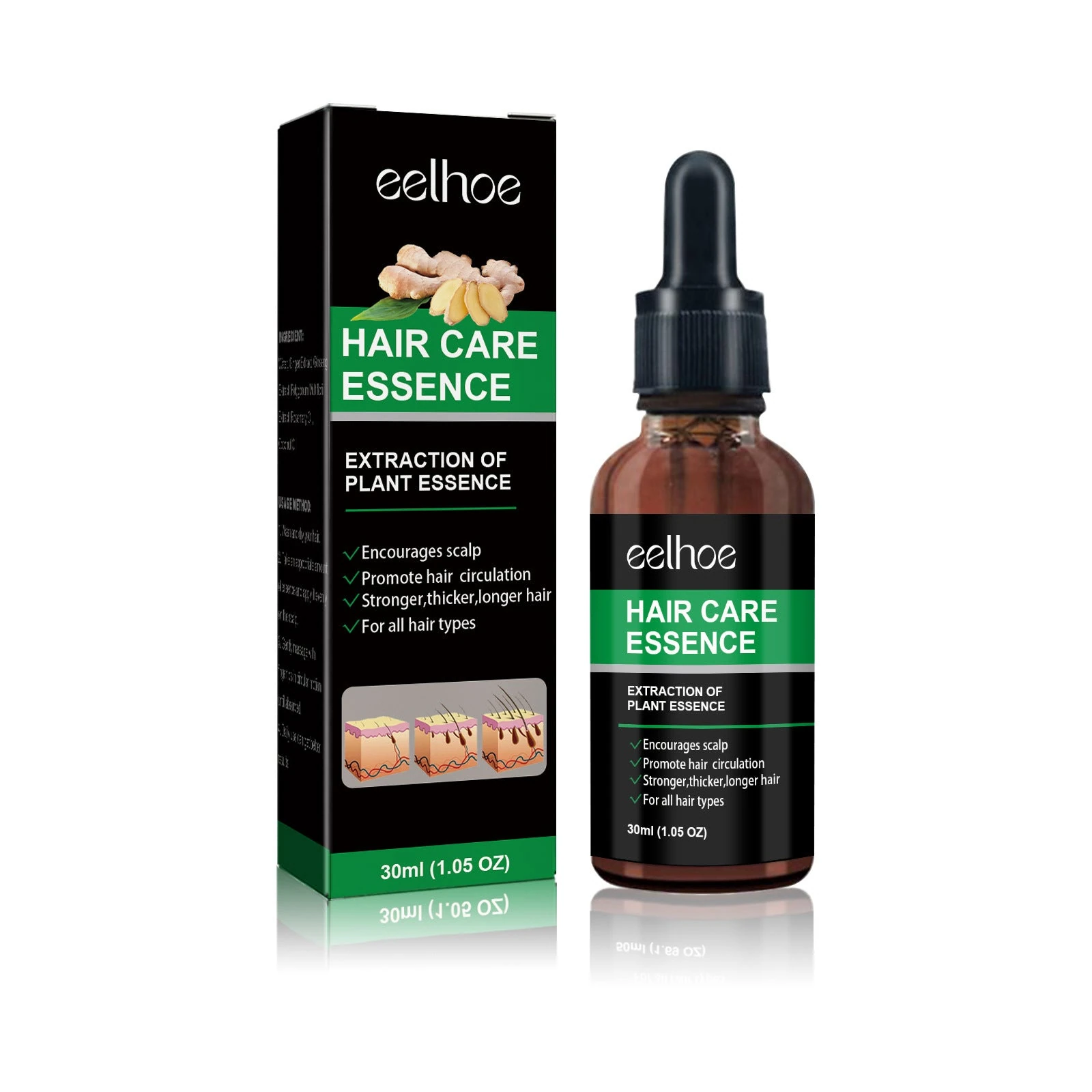
The 30ml essence is a practical comparison for fine-hair routines where placement matters. A dropper lets you work along a part rather than spraying across the hair surface. That can help you keep the application focused, but using the right amount still matters: a light formula can leave residue if you repeatedly add more.

The 50ml spray offers a different handling preference. Part the hair so the spray reaches the intended scalp or root area, then distribute it as directed. Spraying more widely is not the same as reaching the scalp more effectively when dense hair blocks the liquid. For a fuller format discussion, read hair growth spray versus serum.
Who Should Use a Leave-In Scalp Serum?
A leave-on cosmetic can suit someone who wants targeted scalp care, prefers a small step after washing, and has a formula they tolerate. It can also fit a thinning-hair routine when the person understands which part is everyday care and which part, if any, is treatment.
Choose the task before the product. If your roots feel weighed down by oils, compare the 30ml water-based essence and careful dropper placement. If handling a dropper is inconvenient, compare the spray format. If the question is sudden, patchy or unexplained hair loss, seek an assessment rather than selecting a bottle by its growth-related name.
For readers whose main concern is a dry or itchy scalp, the itchy-scalp serum guide explains the difference between moisturizing care, dandruff needs and possible product reactions. Do not assume that adding a leave-on product is always the right answer to irritation.
How to Use a Leave-In Scalp Serum
Build the routine around the actual instructions, including the application area and whether the scalp should be dry. The 30ml essence guide describes washing and drying the hair before application, followed by a small amount, gentle massage and leaving the product in place. It describes daily use. That is product-specific guidance, not a requirement to copy onto every serum.
- Check the label and scalp. Confirm that the product is intended for the scalp and for leave-on use. Avoid broken or inflamed areas and follow any local-test advice.
- Prepare as directed. Rinse out shampoo thoroughly and follow the bottle's dry- or damp-application instructions. Do not assume a serum must be applied to wet hair.
- Create a clear part. Expose the target area before using a dropper or spray so the formula reaches the scalp rather than only the hair.
- Start with a small amount. Spread gently with clean fingertips. A full dropper is not a universal dose, and a fixed number of drops should not be borrowed from another bottle.
- Follow the finish step. Leave on when directed and give the formula time to settle before judging whether you need anything else.
- Keep the comparison simple. Introduce one new leave-on product at a time so you can judge comfort, residue and whether the routine is practical.
The 50ml spray's current guide describes applying after washing and drying, spraying a small amount, massaging gently for two to three minutes, and leaving it on. Its dispenser and application instructions do not establish a stronger effect than the essence. Follow the current package if the instructions change.
If you already use a prescribed or labeled hair-loss treatment, follow that treatment's directions and ask your clinician or pharmacist about additional products. Do not mix a cosmetic serum into the treatment bottle or assume that using both at exactly the same time improves results.
For the scheduling question, building a scalp-serum routine explains how to fit the exact product’s directions around washing and styling.
Leave-In Scalp Serum vs. Other Hair-Growth Products
Compare products according to their job rather than a single “strongest” ranking. A rinse-off cleanser, a leave-on cosmetic and a hair-loss treatment answer different needs. Paying for all three does not automatically produce a better growth result.
| Product type | Main routine task | What the format does not prove |
|---|---|---|
| Cosmetic scalp serum | Targeted leave-on scalp care according to its formula. | That it treats the cause of thinning. |
| Rinse-off shampoo | Cleansing, or a treatment purpose where the label specifies one. | That short contact time makes all shampoos ineffective. |
| Scalp oil | Oil-based care with product-specific directions. | That every oil is suitable overnight or produces regrowth. |
| Scalp spray | Delivery through a spray nozzle. | A lower concentration or a weaker effect than a serum. |
| Hair-loss treatment | Treating a suitable hair-loss condition as directed. | That it is appropriate for every cause or can be freely mixed with other products. |
For daily texture and styling questions, use the separate lightweight leave-on formula guide. Keep the distinction clear: “leave-on” is a usage direction, while a light or rich finish depends on the formula, amount and placement.
What to Expect: Realistic Timelines
Judge a cosmetic serum first by the benefits its formula and listing actually support. You can note whether application is easy, the scalp feels comfortable, and your roots remain manageable. These observations help you decide whether to keep the product in your routine, but they are not a count of new hairs.
For treatment expectations, use treatment-specific evidence. The AAD says people using minoxidil may see some regrowth, usually after about six to twelve months, and continued use is needed to retain its benefits. That timeline is not a promise for a ginger essence or spray. A seven-day slogan, an ingredient name or a before-and-after panel does not establish the same result for another formula.
If monitoring thinning, keep photos consistent in lighting, angle, parting and styling so a change in presentation does not look like a change in density. For an actual treatment plan, use the review schedule agreed with your clinician. Stop a cosmetic that causes irritation instead of waiting for an advertised growth timeline.
Common Mistakes to Avoid
Covering the hair instead of reaching the scalp. Make a part and place the product deliberately. Extra liquid on the lengths may change how hair feels without improving scalp coverage.
Stacking serum, tonic, oil and spray at once. Choose one format first. More layers can make residue harder to manage and make it difficult to tell which product is causing discomfort.
Treating tingling as proof of growth. Sensation does not demonstrate follicle activity. Burning, increased itching or a rash is a reason to stop and review the product.
Turning an application schedule into a results guarantee. Using a cosmetic daily does not establish that hair density will improve in eight or twelve weeks. Keep routine instructions separate from outcome evidence.
Choosing the Right Leave-In Scalp Serum
Use a short checklist before buying: does the product address the task you have identified, is the application area clear, do the ingredients suit you, and can you realistically follow the instructions? Then compare bottle size, applicator and current price. Without a defined amount per application, a bottle-life estimate would be guesswork.
For lightweight cosmetic scalp care, the 30ml essence is the main option in this comparison. For a spray-and-massage preference, consider the 50ml spray. For treatment of a diagnosed hair-loss condition, compare the evidence and directions for treatments appropriate to that condition. This makes each purchase a deliberate step.
Frequently Asked Questions
Are leave-in and leave-on scalp serum different?
Both terms generally mean that the product stays on after application. Neither defines the formula's strength or the result. Check whether the label specifies scalp placement, frequency and any exceptions to leaving it on.
Can I use a leave-in scalp serum every day?
Use the frequency on the chosen product's current directions. The 30ml essence guide describes daily use. Do not copy another formula's frequency or increase use to compensate for a missed application.
Is leave-in hair serum non-greasy enough for daily use?
That depends on the formula and how much reaches the hair. Compare a water-based scalp product, apply a small amount to an exposed part, and assess the finish before layering other products. “Leave-in” by itself is not a non-greasy guarantee.
Can I leave scalp serum on overnight?
Follow the bottle's leave-on and timing instructions. An evening application may fit some products, but leaving on more product for longer does not establish better growth. Never leave a rinse-off product overnight simply because another serum can remain on the scalp.
Can I use it with minoxidil?
Follow the minoxidil label and ask a clinician or pharmacist how additional products fit your routine. Compatibility, order and timing should not be assumed from a cosmetic product name. Keep the products in their own packaging.
Will it regrow thinning hair or only provide scalp care?
Check evidence for the exact formula and outcome. The two GinGrowth products here are compared for their cosmetic format, ingredients and application. Their current verified specifications do not establish a clinical regrowth result. Treatment benefits should be assessed separately with the cause of thinning in mind.
Choose a Leave-On Step with a Clear Purpose
A useful leave-in routine is one you understand and can follow: choose the right task, place the product on the scalp, and assess the benefit it is actually intended to provide. Moisturizing care and convenient application have value without turning every cosmetic into a medical treatment.
Start with targeted, lightweight scalp care. Compare the 30ml water-based essence, its ingredients and current directions before adding it to your routine.
Sources and Product Information
- American Academy of Dermatology: Hair loss—Diagnosis and treatment, for identifying causes, treatment benefits and treatment-specific expectations.
- Current GinGrowth listings and supplied ingredient/application materials for the 30ml lightweight scalp serum and 50ml ginger scalp spray, linked above. Checked September 30, 2026.