
Hydrating scalp serums are worth comparing when you want a moisturizing scalp-care step with a texture you can comfortably keep in your routine. Look at the complete formula, humectant ingredients, application and residue. A dry-feeling scalp, recurring dandruff and a product reaction can feel similar, so hydration is not automatically the answer to every itch or flake.
This guide focuses on water-based moisturizing care and current GinGrowth ingredient information checked October 1, 2026. It distinguishes that task from treating a scalp condition or promising new hair growth.
What Hydrating Scalp Serums Do
A moisturizing scalp formula can add a care step centered on ingredients such as glycerin or sodium PCA, with conditioning ingredients such as panthenol in some products. The finished formula determines how it spreads and feels; one ingredient name does not tell you the whole experience.
The current 30ml essence and 40ml tonic below are both water-based dropper products, but their highlighted ingredient profiles differ. That makes them useful concrete comparisons. Neither should be described as pure ginger essential oil, and water-based does not mean oil-free.
If you are evaluating a separate brand's barrier-repair or itch-relief claim, read that product's evidence. Do not transfer the result to every moisturizing serum because they share glycerin.
For the dry-scalp product itself, the Nutritive Nutri-Supplement formula review separates its moisture claims from hair-length products in the same range.
How Hydration Relates to Hair-Growth Questions
Scalp comfort and regrowth are different outcomes. A formula can be a useful moisturizer without demonstrating a change in hair count or treating the cause of thinning. A more comfortable care routine is not evidence that follicles have been “restarted.”
The AAD explains that treatment selection begins with the cause of hair loss. If thinning prompted your serum search, keep that question separate from the texture or moisturizing step you prefer. You can make both decisions without assigning a regrowth mechanism to an untested cosmetic.
For a specific hydrating product, the OUAI Scalp Serum hydration and study review separates expert grading from consumer-reported results.
Swipe the table sideways to compare all columns.
| Your decision | What to compare | Practical next step |
|---|---|---|
| Glycerin | A moisture-binding cosmetic ingredient. | Present in both current water-based options below. |
| Sodium PCA | A humectant ingredient highlighted in the 40ml tonic. | Compare the whole formula rather than counting ingredients. |
| Panthenol | A conditioning ingredient highlighted in the 40ml tonic. | Use conditioning benefits as a care criterion, not proof of regrowth. |
| Ginger root oil versus extract | Different botanical details in different formulas. | The 30ml essence is still water-based; check the full current label. |
Choose by Formula, Finish and Tolerance
Start with the ingredients you are comparing, then consider application. The tonic highlights glycerin, sodium PCA and panthenol with ginger extract. The essence highlights glycerin and ginger root oil within its water-based formula. These are ingredient highlights, not a published percentage breakdown or proof that more humectant names guarantee better hydration.
Fine hair may show root residue readily, while dense hair can make scalp placement harder. Both are reasons to evaluate the directed amount and applicator carefully. They are not reasons to invent a different dose or promise that one texture never leaves buildup.
Review known sensitivities as well. Fragrance, aromatic oils and other ingredients can matter to an individual even in a product marketed around soothing or natural care. A short ingredient list alone does not guarantee tolerance.
For a specific fragrance-free example, the SEEN Restore formula review describes its moisturizing ingredients and dry-scalp positioning.
How to Apply a Moisturizing Scalp Formula
Use the exact product guide. The current essence describes washing and drying first, applying a small amount to the scalp, gentle massage and leaving it in. The tonic guide describes a small amount at the scalp and roots, gentle massage for two to three minutes and leave-on use, with package-specific frequency.
Part the hair so the dropper can reach the area you want to care for. Distribute with fingertips and keep the applicator clean. Avoid coating the lengths unless the product's instructions say to do so.
Do not assume damp scalp always improves absorption or that every hydrating product needs a fresh wash before every application. Different products can have different preparations. If you want a detailed placement walkthrough, use the scalp-serum application guide.
For a water-based moisturizing option highlighting glycerin, sodium PCA and panthenol, review the 40ml Ginger Hair Tonic for Scalp & Roots.
Compare Two Water-Based Moisturizing Options
Choose an optional everyday-care product by the task you need and the formula you prefer. The comparison below concerns cosmetic care, not proof that different products have identical treatment effects. GinGrowth sells the two products below.
Swipe the table sideways to compare all columns.
| Detail | 40ml Ginger Hair Tonic for Scalp & Roots | 30ml Lightweight Scalp Serum with Ginger |
|---|---|---|
| Format | Water-based dropper tonic | Water-based dropper essence |
| Ingredient highlights | Ginger extract, glycerin, sodium PCA and panthenol, alongside aqua, in the product artwork. | Aqua, glycerin, ginger root oil, Polygonum multiflorum extract and hydroxyethylcellulose in the ingredient graphic. |
| Application | Part hair, apply a small amount, massage gently for 2–3 minutes and leave on. Follow the current bottle for frequency. | After washing and drying, apply a small amount to the scalp, massage gently and leave in. The product guide describes daily use. |
| Reason to compare | Choose for a larger dropper format with humectant and conditioning ingredient highlights. | Choose for a light moisturizing step and precise placement along a part. |
View 40ml Ginger Hair Tonic for Scalp & Roots or compare 30ml Lightweight Scalp Serum with Ginger. Review the current product page for price and package details.
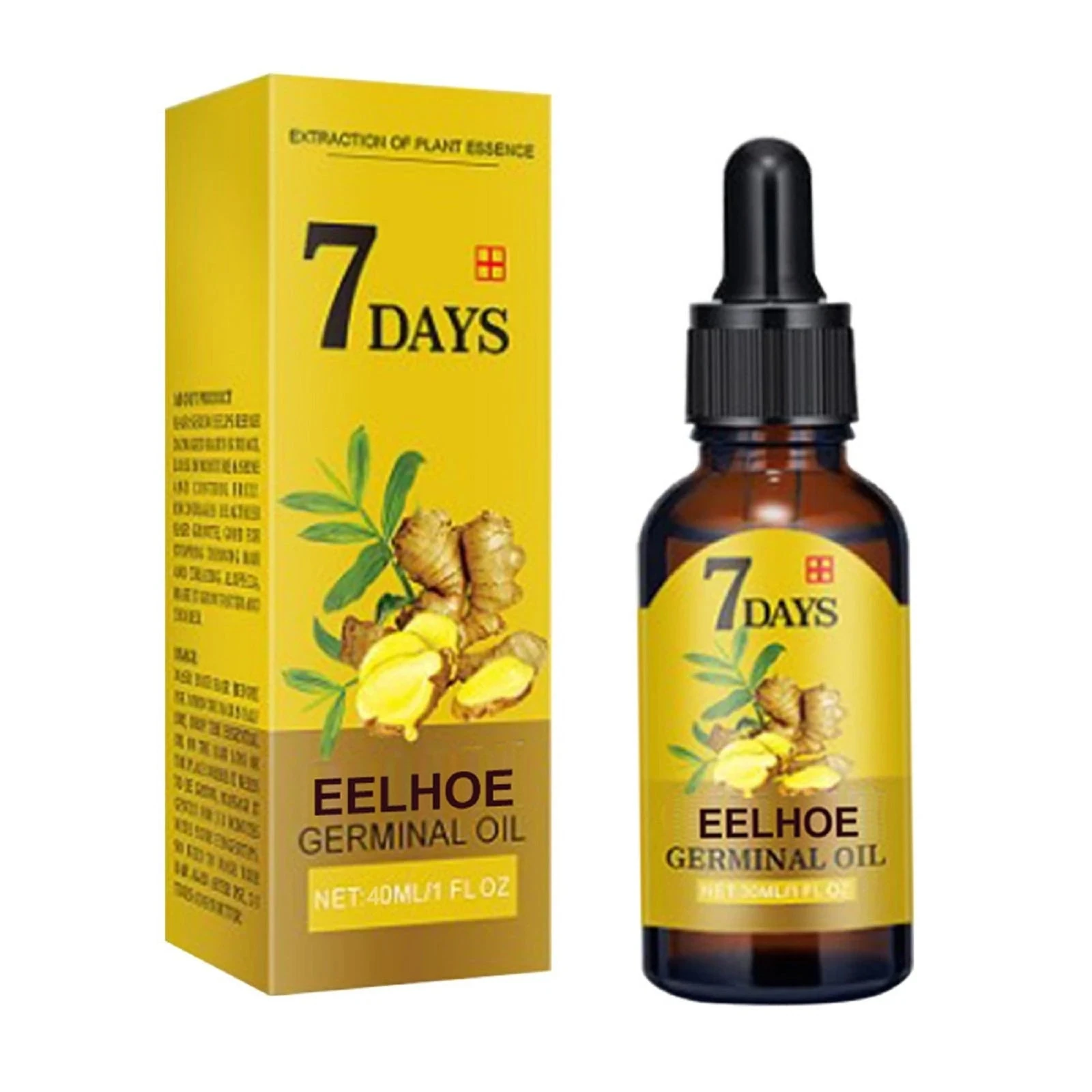
Glycerin and sodium PCA are moisture-binding ingredients, while panthenol is used for conditioning. The highlighted ingredient graphic is not a percentage breakdown. The word tonic describes this product choice; it does not establish a stronger concentration than the smaller essence. Compare the ingredients you prefer and whether direct dropper placement feels convenient in your routine.
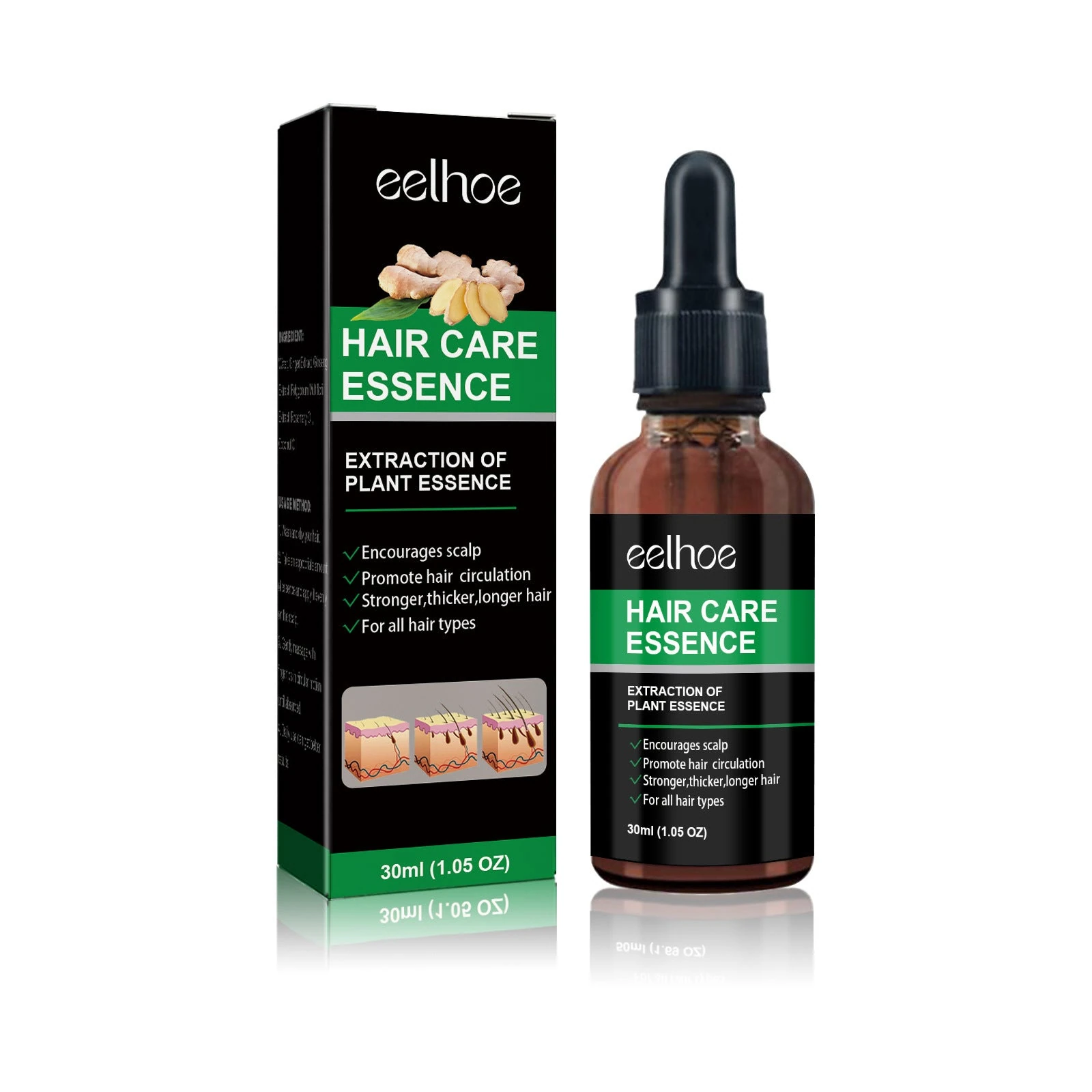
The essence contains ginger root oil within a water-based formula. That is different from buying a bottle of pure essential oil. Glycerin provides a concrete moisturizing ingredient to compare, while the dropper helps direct a small amount to the scalp. Use the finish on your own hair as the practical test: controlled placement matters more than saturating the roots or spreading scalp care through the lengths.
Hydrating Serum, Hair Oil or Conditioner?
Choose by the surface and feel you want. A water-based scalp essence offers a fluid scalp-care format. An oil-based product provides a different conditioning texture with its own timing and rinse instructions. A conditioner for the lengths targets the hair shaft rather than automatically belonging on scalp.
Dry ends do not establish that the scalp needs oil, and a tight-feeling scalp does not prove that all flakes are dryness. For a wider water-versus-oil comparison, read the dry-scalp serum guide.
A pre-shampoo exfoliating serum is another category. Its purpose and contact time differ from a moisturizing leave-on. Product labels should make that distinction before you arrange the routine.
Common Mistakes with Hydrating Care
Using hydration to explain every symptom. The AAD lists several causes of itchy scalp. Persistent symptoms may require a different approach.
Adding more whenever roots feel uncomfortable. Extra product can increase residue. Review the formula, amount and reaction instead of repeatedly layering.
Expecting a fixed timetable. There is no verified one-week comfort or eight-week growth schedule shared by all moisturizing serums. Assess the intended care benefit and seek advice when symptoms persist.
Confusing ingredient highlights with a complete label. Product artwork can identify features without supplying all concentrations or every suitability detail. Use the current package when checking sensitivities.
Who Might Choose a Hydrating Scalp Serum?
Someone seeking a light moisturizing step may find the format useful if the formula suits them. Someone with dry hair lengths but a comfortable scalp may need a different product area. Someone with persistent redness, marked itching or recurring flakes should first consider whether simple moisturizing care is the right task.
A serum does not have to be essential for everyone to be useful for a particular routine. Choose it because its verified role fits your needs and its directions are manageable.
Frequently Asked Questions
Is a hydrating serum always water-based?
Read the exact formula. The two products compared here are water-based, but category names alone do not establish a product's base.
Does water-based mean oil-free?
No. The 30ml essence includes ginger root oil within its water-based formula.
Can I use it every day?
Follow the product's own instructions and tolerance. A hydrating label is not a universal frequency rule.
Will it treat dandruff?
Moisturizing ingredients alone do not establish an anti-dandruff treatment benefit. Compare a product with the appropriate labeled purpose when dandruff is the concern.
What should I record when trying one?
Note the product, directed amount, comfort and root residue. These observations help assess routine fit without turning a cosmetic check into a regrowth claim.
Ready to compare a humectant-based scalp tonic? Review the 40ml formula and application.
Sources and Product Information
- American Academy of Dermatology: 10 reasons your scalp itches — Causes and corresponding care, accessed October 1, 2026.
- American Academy of Dermatology: Hair loss—Diagnosis and treatment — Clinical education, accessed October 1, 2026; treatment benefits apply to the specified treatment and cause.
GinGrowth product details were checked October 1, 2026. This guide compares published information and current product specifications; it does not report a GinGrowth clinical trial or personal use test.