
Scalp serums for itchy scalp are most useful when the product matches the reason for the discomfort. A water-based serum with moisturizing ingredients can support care for a dry-feeling scalp, while recurring dandruff may need a dandruff treatment. Itch that starts after a new hair product calls for checking that product first. Choose by symptoms, ingredients and tolerance before choosing by the word “serum.”
This guide compares everyday scalp care with treatment needs, then explains two water-based options sold by GinGrowth. It is a product-selection guide, not a diagnosis or a claim that one formula suits every itchy scalp. Product details were checked against the current listings on September 30, 2026.
What Causes an Itchy Scalp?
Dryness, dandruff and reactions to hair products can all involve itching and flakes, so appearance alone is not enough to identify the cause. The American Academy of Dermatology's guide to scalp itch describes these possibilities alongside conditions that need medical treatment. It also notes that shampoo left on the scalp can irritate it. Thorough rinsing is a useful first check before adding another leave-on product.
Think about when the itch appears: immediately after coloring, after introducing a fragranced styling product, between washes, or alongside persistent flakes. This gives you something concrete to discuss with a pharmacist or dermatologist. It does not turn a home observation into a diagnosis.
| What you notice | Useful first check | Where serum fits |
|---|---|---|
| Dry-feeling or tight scalp without a new rash | Review washing, rinsing and recent products. | Compare a moisturizing formula if the scalp is intact and the ingredients suit you. |
| Recurring flakes with itching | Check whether dandruff care is needed. | Cosmetic moisture care does not replace a dandruff treatment. |
| Itch or rash after a new product or hair dye | Stop the suspected product and seek help if needed. | Avoid adding another botanical blend while the trigger is unclear. |
| Severe itch, redness, swelling or patchy hair loss | Have the cause assessed. | Do not use serum shopping as a substitute for diagnosis. |
If your scalp is very itchy, red, swollen, painful or developing patches of hair loss, have the cause assessed instead of testing several serums. A cosmetic product can be part of a comfortable routine, but it cannot identify the underlying condition.
If itching and thinning occur together, home care for an itchy scalp with thinning hair explains practical routine checks and when assessment becomes the more useful next step.
How Scalp Serums Work for Itchy Scalp
A scalp serum puts a leave-on formula directly on the skin between the hairs. Water-based formulas can supply moisturizing ingredients without requiring an oil coating through the lengths. That makes them a practical option when your aim is a more comfortable, less dry-feeling scalp and manageable roots.
Longer contact time does not automatically make a serum more effective than shampoo. Dandruff shampoos are designed for a different job: treating dandruff with specific active ingredients. The AAD's dandruff guidance recommends choosing an appropriate dandruff shampoo and following its instructions. A moisturizing serum complements a suitable routine; it does not replace that treatment simply because it stays on longer.
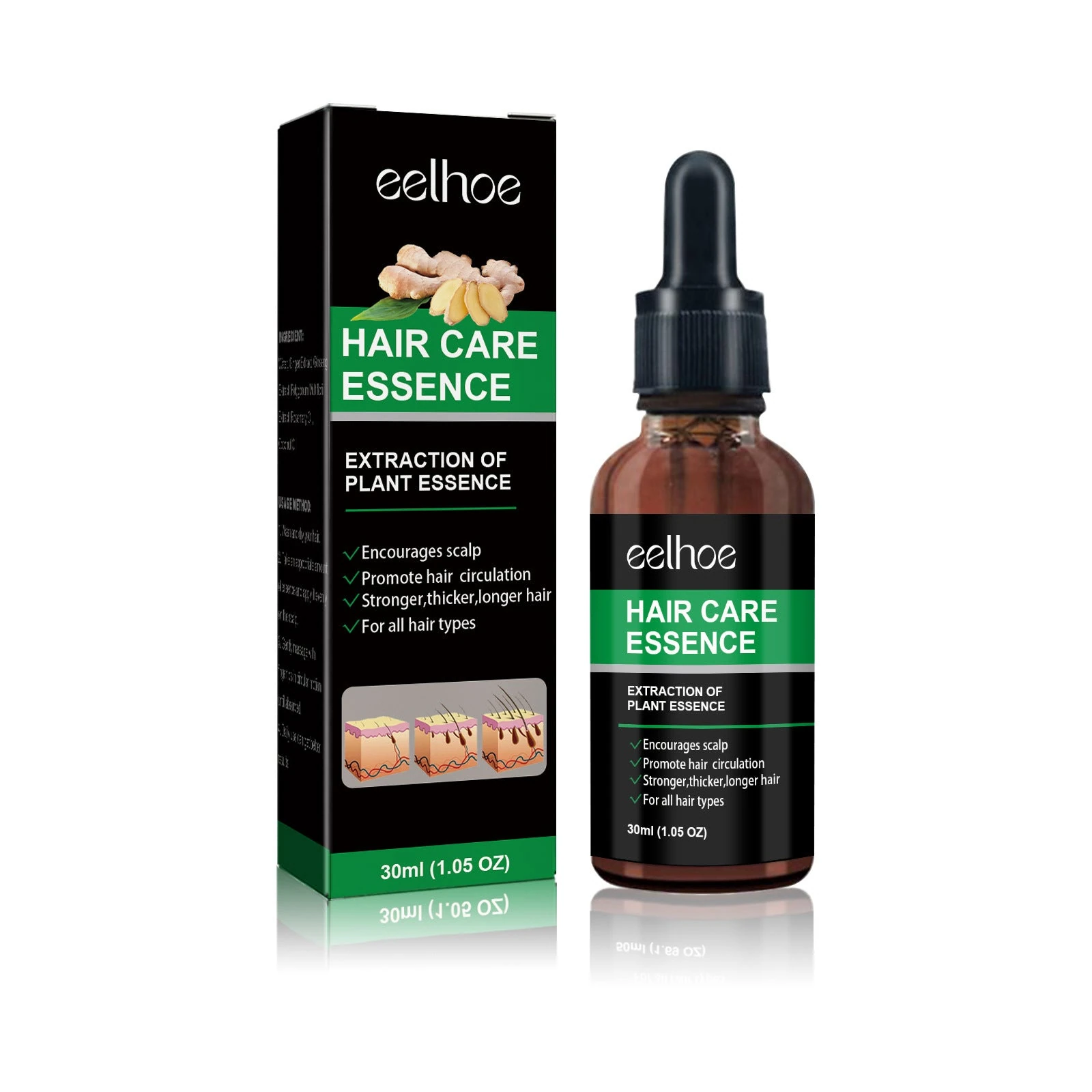
For a dry-feeling scalp and roots that are easily weighed down: compare the 30ml lightweight scalp serum. Its water-based formula contains moisturizing glycerin, and the dropper helps place a small amount where you want it.
Check the 30ml lightweight serum's ingredients and directions →
Key Ingredients to Look For in Scalp Serums for Itchy Scalp
The best serum for dry itchy scalp is not determined by the longest ingredient list. Start with the intended benefit, then check the whole product label and your own sensitivities. A moisturizing ingredient can be useful without proving that the finished formula treats eczema, a fungal infection or hair loss.
| Ingredient or formula feature | Useful role | What to check |
|---|---|---|
| Glycerin and sodium PCA | Moisture-binding ingredients in hydration-focused cosmetics. | Glycerin is listed for both products; sodium PCA is highlighted in the 40ml tonic. |
| Panthenol | Conditioning ingredient highlighted in the 40ml tonic. | The listing does not establish a concentration or an itch-treatment result. |
| Water-based texture | A fluid format for scalp placement and a lighter routine. | Water-based does not mean free of botanical oils or potential irritants. |
| Ginger extract or ginger root oil | Botanical components of the respective formulas. | Extract and oil are different ingredient descriptions; check your sensitivities. |
| Dandruff-treatment ingredients | Examples in AAD guidance include ketoconazole, selenium sulfide and salicylic acid. | Choose a labeled dandruff product and follow its directions; these are not claimed actives in the two cosmetics below. |
Cooling and tingling are sensations, not a measure of repair. If a product burns, makes itching worse or causes a rash, stop using it. Likewise, “natural,” “ginger” and “botanical” are ingredient descriptions, not guarantees that a formula suits sensitive skin. Ask for the complete current ingredient label when you need to avoid a particular substance; ingredient highlights alone are not enough.
If discomfort is the main reason for shopping, choosing scalp care for itch distinguishes dryness, recurrent dandruff and reactions before comparing products.
A Lightweight Scalp Serum for Fine or Thinning-Hair Routines
The 30ml Lightweight Scalp Serum with Ginger is the option to compare when targeted placement and a light finish are your main priorities. Its listed formula includes aqua, glycerin, ginger root oil, Polygonum multiflorum extract and hydroxyethylcellulose. Glycerin contributes moisturizing care; the water-based format and dropper make it suitable to consider for a routine where you want to keep product off the lengths.
This is a water-based essence that contains ginger root oil, not pure ginger essential oil. The distinction matters when comparing it with an oil-based scalp product. It also does not establish that the formula is fragrance-free or appropriate for a known botanical allergy. If persistent inflammation or unexplained hair loss is your concern, make treatment selection a separate decision.
Which Water-Based Option Fits Your Routine?
GinGrowth sells both products below. The comparison uses current product-page specifications and supplied ingredient artwork; it is not a clinical comparison or an independent wear test. Neither listing provides a head-to-head result showing that it relieves itch better than the other.
| Detail | Lightweight Scalp Serum with Ginger | Ginger Hair Tonic for Scalp & Roots |
|---|---|---|
| Size and applicator | 30ml dropper bottle. | 40ml dropper bottle. |
| Format | Fluid, water-based essence. | Fluid, water-based tonic. |
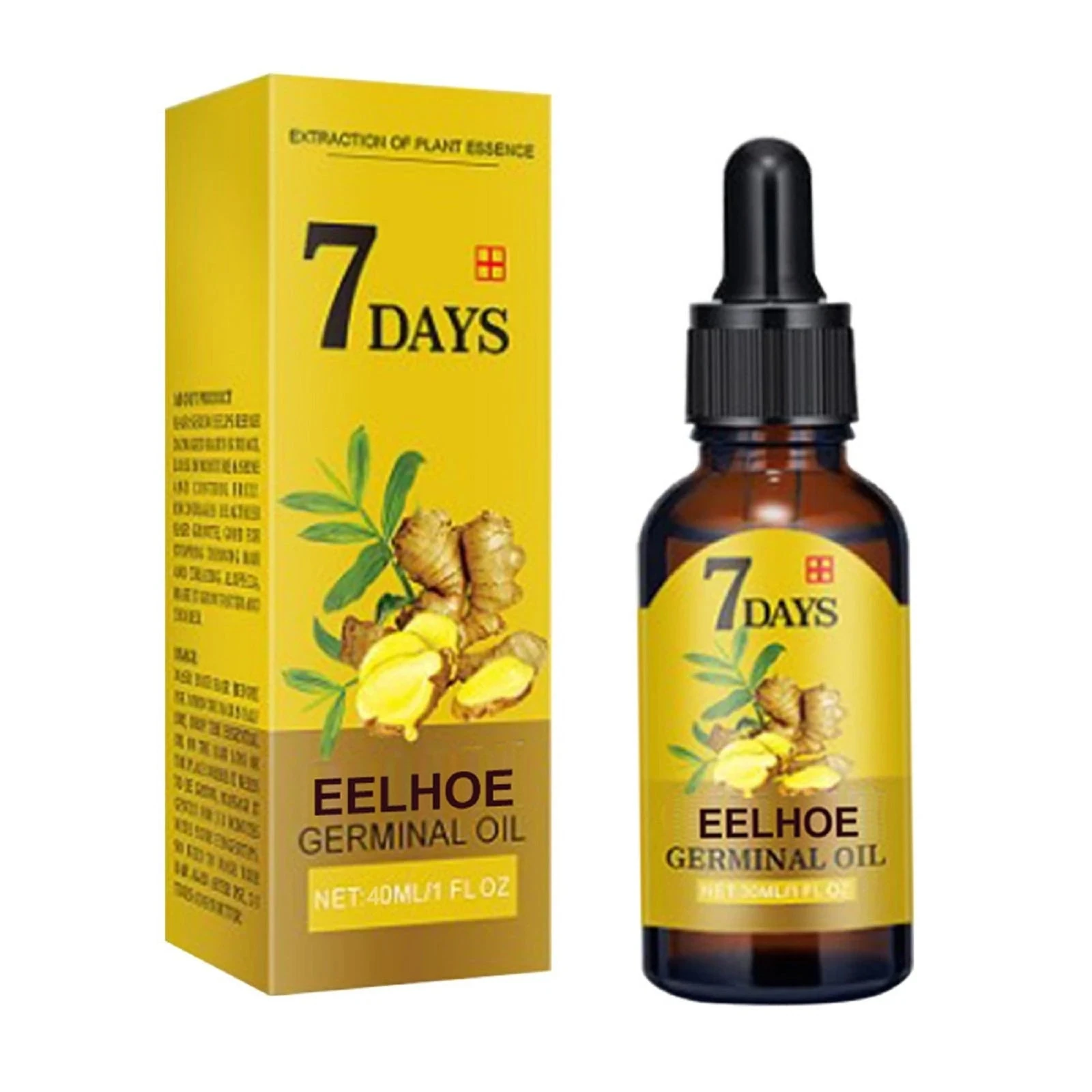
| Ingredient highlights | Glycerin, ginger root oil and Polygonum multiflorum extract. | Glycerin, sodium PCA, panthenol and ginger extract. |
| Reason to compare | A light finish and controlled placement for fine-hair or thinning-hair routines. | A larger bottle and a different moisturizing and conditioning ingredient profile. |
| Current application guide | Wash and dry, apply a small amount, massage gently and leave in. | Apply a small amount, massage for 2–3 minutes and leave on. |
| What is not established | A clinical itch-relief or regrowth result for this finished formula. | A clinical itch-relief or regrowth result for this finished formula. |
View the 30ml lightweight scalp serum for a small dropper format and ginger-root-oil blend. Compare the 40ml ginger hair tonic if you prefer the larger bottle and its glycerin, sodium PCA and panthenol ingredient profile. Check the current price and complete directions on the relevant product page before choosing.
How to Choose the Right Scalp Serum for Your Itch
For a dry-feeling scalp with fine or easily flattened hair
Compare a fluid, water-based formula first, then apply a small amount to an exposed part. The 30ml essence prioritizes lightweight scalp placement; the 40ml tonic offers a different moisturizing ingredient mix. Neither needs to coat all your hair. Assess how your roots feel before adding more, especially when you also use leave-in conditioner or styling cream.
For recurring flakes or an oily, itchy scalp
Do not assume the answer is more oil or a stronger serum. The AAD recommends dandruff shampoos with appropriate active ingredients and explains that washing frequency depends on hair type and scalp needs. For a fuller discussion of that distinction, read our guide to scalp serum and seborrheic dermatitis. A serum should not delay treatment for persistent symptoms.
For a sensitive scalp or itch after a new product
Review the most recent change before buying a replacement. The AAD advises stopping the product causing a reaction; a dermatologist can help identify it when the cause is unclear. Avoid interpreting “soothing botanicals” as a reason to add several new extracts to already irritated skin. The better purchase may be no new serum until you understand the trigger.
How to Use Scalp Serums for Best Results
Follow the chosen product's directions rather than a universal wet-scalp rule. The 30ml essence guide describes washing and drying the hair before application. The 40ml tonic has its own leave-on instructions. A dropperful is not a standard dose shared by all scalp products.
- Check the scalp first. Avoid applying to broken or inflamed skin. Follow the product's local-test advice before first use and stop if irritation develops.
- Prepare as directed. Rinse shampoo thoroughly, then follow the bottle's instruction about dry or damp application. Do not apply another leave-on product over incompletely rinsed shampoo.
- Part the hair. Expose the intended area so the dropper reaches the scalp rather than depositing most of the liquid on the hair.
- Use a small amount. Distribute gently with clean fingertips. The 40ml tonic guide specifies a two-to-three-minute massage; do not transfer that timing to every other product.
- Leave on only as instructed. Both water-based options compared here are leave-on products. Keep the dropper tip clean and avoid dragging it across the scalp.
- Review comfort before increasing use. Keep the rest of the routine simple while introducing the product so you can tell what changed.
The 30ml guide describes daily use, while the 40ml supplied guide describes morning and evening use. Follow the current bottle and your tolerance; increasing frequency is not a solution to worsening itch. For more placement detail, see how to apply hair serum on the scalp.
Common Mistakes to Avoid
Adding more when the roots feel coated. First reduce the amount and improve placement. A lightweight product can still leave residue if you apply too much or combine several leave-on layers.
Scrubbing an already irritated scalp. Do not turn every wash into an exfoliation session. Fingertip distribution should be gentle, and recurring itch needs an explanation rather than more vigorous massage.
Changing shampoo, serum and oil together. This makes it harder to identify which product suits you or causes a reaction. Introduce one change at a time instead of buying a complete new routine immediately.
Using a conditioning benefit as proof of treatment. Softer-feeling hair, moisturizing care and a comfortable cosmetic finish are useful benefits. They do not demonstrate elimination of dandruff, reversal of hair loss or treatment of an inflammatory condition.
When to Pair a Scalp Serum with Other Products
Choose the wash step for the problem it needs to solve. Ordinary cleansing helps remove everyday oil and residue; a dandruff shampoo has a treatment purpose. If you have been given a treatment plan, follow its application order instead of assuming serum should always go immediately afterward.
Condition your lengths according to their needs. You do not have to spread scalp serum through dry ends to make it work on the scalp. Equally, adding an oil over every serum application is not necessary. When roots already feel heavy, simplify the layers before adding another product.
Comparison: Scalp Serum vs. Scalp Oil vs. Scalp Treatment Spray
Water-based serum or tonic: compare this format for fluid placement and moisturizing ingredients. The two dropper products above both belong here, despite different names and ingredient mixes.
Oil-based scalp serum: compare this format when you specifically prefer oil-based conditioning for dry-feeling areas. It may leave a richer finish, and its timing and rinsing directions depend on the product. Do not assume every scalp oil is an overnight treatment.
Scalp spray: the nozzle describes the applicator, not the strength or purpose of the formula. A spray can be a cosmetic product or a treatment depending on its contents and labeling. For application differences, see our spray-versus-serum comparison. A spray is not automatically weaker, and a dropper serum is not automatically more concentrated.
How Long Does It Take to See Results?
There is no verified itch-relief timetable shared by these two cosmetic products. Evaluate the things you can observe: comfort after use, whether roots feel coated, and whether flakes or irritation persist. Do not interpret a cooling sensation or a packaging slogan as evidence that the underlying cause has improved.
If a product increases burning, redness or itching, stop rather than waiting for a supposed adjustment period. If dandruff persists despite appropriate care, the AAD recommends seeing a dermatologist. Keep treatment follow-up separate from how much serum remains in the bottle.
Who Should Use Scalp Serums for Itchy Scalp?
A cosmetic scalp serum is worth comparing for someone whose goal is manageable everyday moisturizing care on an otherwise intact scalp. It is a less useful starting point when the main question is an unexplained rash, severe itch or a sudden change in hair density. People with known allergies should check the complete label, not only the featured ingredients. A diagnosed scalp condition also deserves product choices that fit the existing treatment plan.
FAQs About Scalp Serums for Itchy Scalp
What is the best hair serum for itchy scalp that also feels dry?
Start by comparing moisturizing ingredients, texture and tolerance rather than a universal “best” claim. A water-based serum with glycerin may suit a light routine; a different moisturizing blend or oil format may suit another preference. Persistent itch or flakes still need their cause addressed.
Should I choose salicylic acid or a moisturizing ingredient?
They serve different purposes. Salicylic acid appears among the AAD's dandruff-shampoo ingredients; moisturizing ingredients support hydration-focused care. The complete formula, indication and directions matter. Neither of the two GinGrowth water-based products above is presented here as a salicylic-acid dandruff treatment.
Can I use scalp serum on dry hair?
Yes, when that matches the product directions. The 30ml essence guide describes application after washing and drying. Apply to exposed scalp sections rather than soaking the hair. Follow another product's own directions if you switch formulas.
Will a scalp serum make my roots greasy?
It can if you apply too much or layer it with other products. Start with a small amount and targeted placement. A water-based formula gives you a lighter format to compare, but it does not guarantee a residue-free result for every amount or routine.
Can a scalp serum help when itching comes with thinning hair?
It can provide the cosmetic moisturizing care its formula supports, but it cannot explain why the hair is thinning. Treat persistent itch and a change in hair density as reasons to investigate the cause. Do not use a botanical ingredient or a comfortable finish as proof of regrowth.
Choose the Step Your Scalp Actually Needs
For dry-feeling scalp care, compare the texture and ingredients you want to use consistently. For recurring dandruff, prioritize an appropriate dandruff routine. For a suspected product reaction, identify the trigger before adding another leave-on formula. This keeps the purchase tied to a useful job.
Ready to compare lightweight moisturizing care? Start with the 30ml dropper essence if targeted scalp placement and a light finish fit your routine.
Sources and Product Information
- American Academy of Dermatology: 10 reasons your scalp itches and how to get relief — causes, product reactions and when diagnosis matters.
- American Academy of Dermatology: How to treat dandruff — treatment ingredients, directions and hair-type considerations.
- Current GinGrowth product listings and supplied ingredient/application artwork for the 30ml lightweight serum and 40ml ginger hair tonic, linked in the comparison above. Checked September 30, 2026.