
Home care for an itchy scalp with thinning hair starts with identifying what changed, simplifying irritating routines and choosing care for the likely problem. Dandruff, a reaction to a product, repeated styling tension and other conditions can require different approaches. A natural ingredient or homemade oil blend is not a diagnosis or a universal treatment.
Use this guide to organize the steps you can take at home and the information to bring to an appointment. It uses American Academy of Dermatology guidance and current GinGrowth product information checked October 1, 2026.
Understand Itching and Thinning as Two Observations
Itch and thinning can happen together without proving that one caused the other. Note when each started, whether the change is localized or diffuse and whether there is redness, scale, pain or broken skin. Record any new product or styling change around that time.
The AAD lists several causes of scalp itch, including dandruff and reactions to hair products. A moisturizing step can have a useful role, but it does not identify which explanation applies to you.
If discomfort is the main reason for shopping, choosing scalp care for itch distinguishes dryness, recurrent dandruff and reactions before comparing products.
Useful Home Steps Before Adding Another Remedy
If a new product appears to trigger discomfort, stop that product and reassess. Avoid scratching and vigorous rubbing. Keep cleansing gentle and rinse thoroughly. If an established dandruff pattern is the concern, use a product with the appropriate labeled purpose rather than assuming an ordinary oil treats it.
The AAD recommends following the particular dandruff shampoo's directions, including any contact time. Hair type can affect the wash routine. There is no single leave-on frequency supplied by the word dandruff.
When both concerns appear in one product search, evaluating dandruff and hair-growth claims together explains why each outcome needs its own evidence.
Swipe the table sideways to compare all columns.
| Your question | What to compare | Next step |
|---|---|---|
| New product followed by itch | Consider a product reaction | Stop the suspected new product and assess symptoms. |
| Recurring itchy flakes | Consider dandruff guidance | Use a labeled product as directed. |
| Pain or patchy loss | Assessment matters | Do not add aggressive home treatments. |
| Simple care preference | Ordinary cleansing or moisture | Choose a product with a defined role. |
Compare Home Care by the Job It Performs
Ordinary shampoo removes everyday oil and residue. Moisturizing care supplies a different cosmetic step. A labeled dandruff product targets a specific symptom pattern. Treatment of hair loss depends on the cause. Keeping those jobs separate is more useful than selecting the strongest-sounding product.
If several changes happened together, return to a simpler routine you tolerate and make a clear record. This helps you explain what happened rather than attributing every improvement or flare to the last bottle applied.
Be Selective About Natural Additions
Natural does not establish that a product is suitable for irritated skin. Fragranced oils, concentrated extracts and acidic kitchen mixtures can add another variable when you are trying to identify a reaction. Do not use a stinging sensation as a test that a remedy is working.
Do not mix medicines into cosmetic bottles or add water and fresh plant material to a finished serum. If a product already has clear directions, use those directions. For more detail on improvised formulations, see the homemade hair-serum guide.
For the separate everyday-care decision, the comparison below distinguishes ordinary cleansing from a water-based moisturizing tonic. GinGrowth sells these products; they are not established substitutes for diagnosis or a dandruff medicine.
If your scalp tolerates ordinary washing and that is the missing care step, review the 100ml Ginger Shampoo for Thinning Hair.
Choose Ordinary Cleansing or Moisturizing Care
Use the shampoo comparison for cleansing and the tonic for optional moisture. Recurring dandruff or a reaction calls for its own care choice. GinGrowth sells the two products below.
Swipe the table sideways to compare all columns.
| Detail | 100ml Ginger Shampoo for Thinning Hair | 40ml Ginger Hair Tonic for Scalp & Roots |
|---|---|---|
| Format | Rinse-off liquid cleanser | Water-based dropper tonic |
| Ingredient highlights | Ginger, coconut oil and Polygonum multiflorum highlighted in the product materials. | Ginger extract, glycerin, sodium PCA and panthenol, alongside aqua, in the product artwork. |
| Application | Wet hair and scalp, lather, massage gently with fingertips and rinse thoroughly. | Part hair, apply a small amount, massage gently for 2–3 minutes and leave on. Follow the current bottle for frequency. |
| Reason to compare | Choose for ordinary cleansing of oil and everyday buildup, with a softer-hair focus. | Choose for a larger dropper format with humectant and conditioning ingredient highlights. |
View 100ml Ginger Shampoo for Thinning Hair or compare 40ml Ginger Hair Tonic for Scalp & Roots. Review the current product page for price and package details.
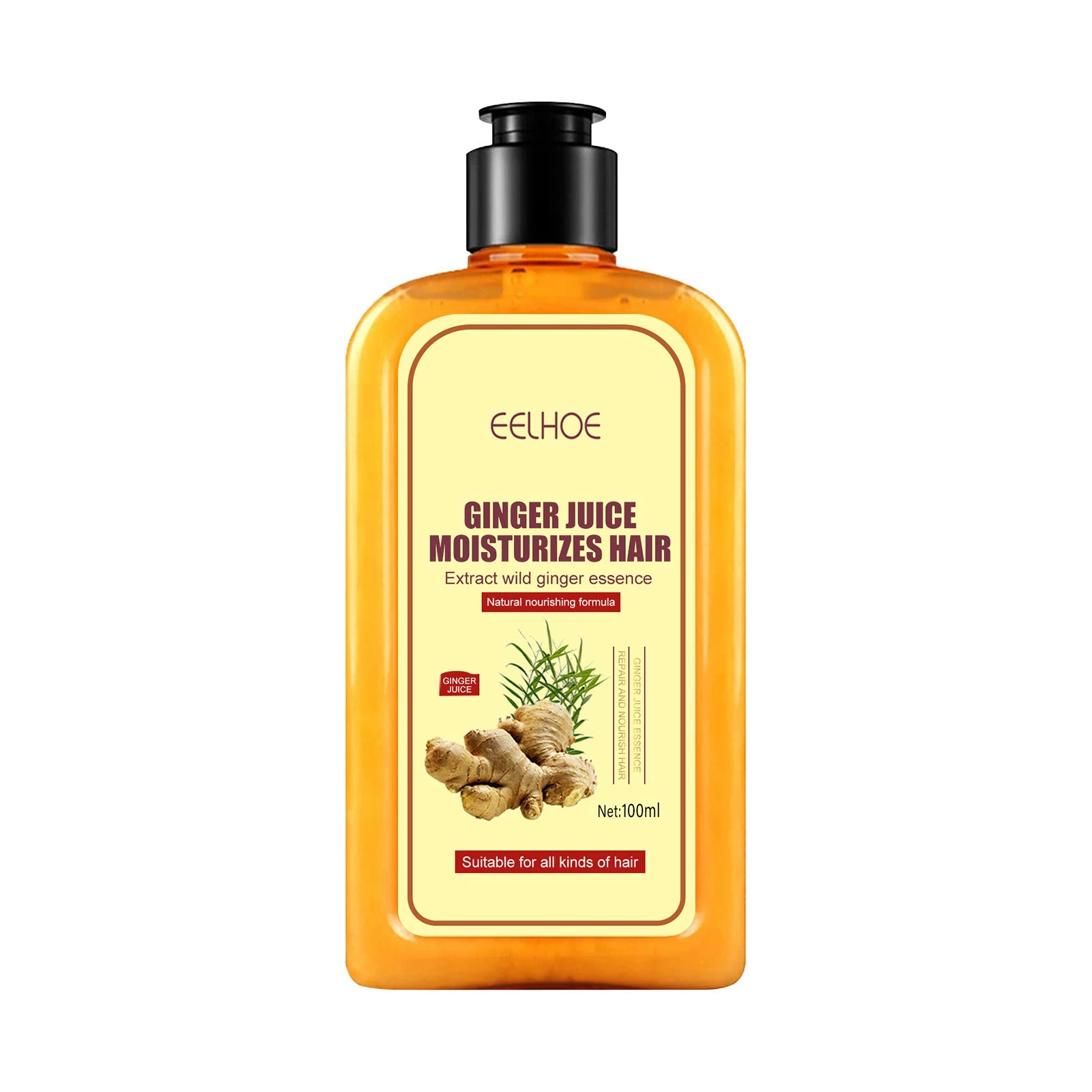
This shampoo belongs in the wash step. Its purpose is scalp cleansing and softer-feeling hair, rather than a leave-on scalp layer. The highlighted ingredients are not a complete concentration statement. If you use a medicated shampoo or a specific pre-shampoo treatment, keep its directions in place and decide whether an additional cleanser is necessary before adding another bottle.
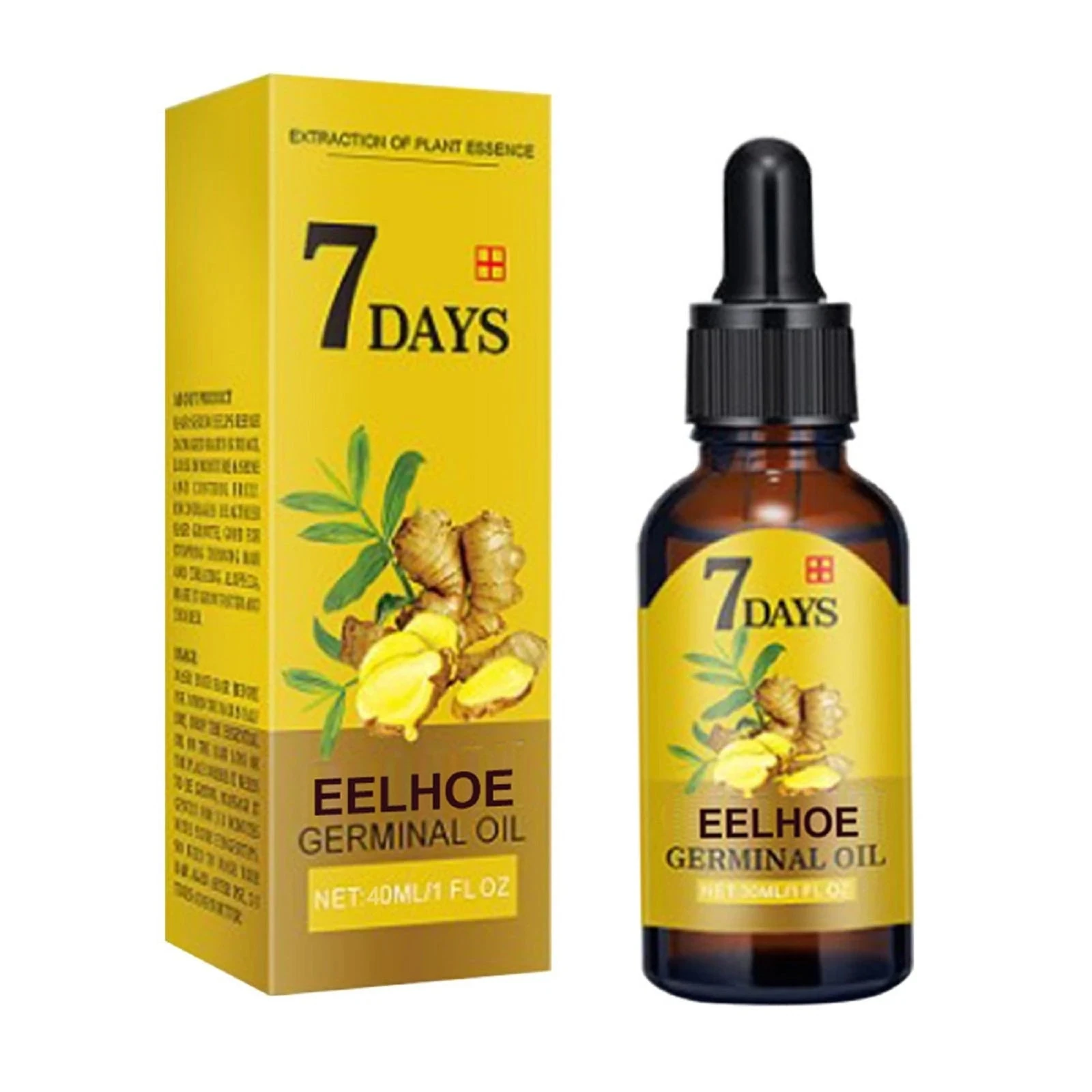
Glycerin and sodium PCA are moisture-binding ingredients, while panthenol is used for conditioning. The highlighted ingredient graphic is not a percentage breakdown. The word tonic describes this product choice; it does not establish a stronger concentration than the smaller essence. Compare the ingredients you prefer and whether direct dropper placement feels convenient in your routine.
Review Styling and Handling Habits
Repeated pulling deserves attention even when a hairstyle is described as protective. The AAD explains that tension can lead to traction alopecia. Reassess a painful style rather than applying oil to tolerate the pulling.
Handle hair gently, avoid scratching with nails and keep products on their intended areas. Conditioner for the lengths can help with handling without needing to be spread on the scalp. These practical steps support a manageable routine but should not be sold as guaranteed regrowth.
When Home Care Is Not Enough
Arrange an assessment for sudden or patchy loss, a painful or inflamed scalp, or persistent symptoms. Open sores or a worsening reaction also need attention. Do not repeatedly exfoliate, oil or massage a problem that is becoming harder to explain.
The AAD describes diagnosis as the starting point for effective hair-loss treatment. A clinician may consider your history, examine the scalp and order testing when appropriate. Bring a list of products and medicines rather than trying to diagnose a nutritional deficiency from shedding alone.
Make a Short Care and Review Plan
Write down the concern, the steps you will keep and the new products you will avoid while evaluating it. If you are using a labeled treatment, record its exact instructions. Note the date and symptoms when making an optional cosmetic change.
For cosmetic care, observe comfort, residue and ease of washing. For a treatment, use the review schedule appropriate to that treatment. Do not borrow a six-month growth timeline to justify waiting with worsening itch.
A simple note might say: “Keep my usual cleanser, stop the newly introduced scented leave-on, and arrange advice if symptoms persist.” It is a record of decisions, not a universal treatment prescription.
For the everyday-care part, scalp care alongside a thinning-hair treatment plan explains washing, comfort and product placement without replacing cause-specific treatment.
Frequently Asked Questions
Will oiling stop itching and hair loss together?
No universal outcome is established. The cause of each concern matters, and adding oil may not be the relevant step.
Should I stop washing?
Use an appropriate cleansing routine and any labeled treatment directions. Avoid abandoning hygiene solely because shed hairs become visible during washing.
Can a serum replace dandruff shampoo?
Only a product with an appropriate labeled purpose should be evaluated for that role. Moisturizing ingredients alone do not establish dandruff treatment.
What information helps at an appointment?
Bring the timeline, symptom locations, products, medicines and any styling changes. Consistent photographs can help describe a change without diagnosing it.
Choose the Next Useful Action
Start with the cause clues and a manageable routine. If ordinary cleansing is the missing step, compare the shampoo below. If you want a separate moisturizing-care option, compare the tonic on its own specifications. Seek assessment when symptoms or thinning remain unexplained.
For ordinary washing, compare the shampoo; persistent itch or thinning needs a cause-specific plan.
Sources and Product Information
- AAD: Causes of itchy scalp — Official guidance accessed October 1, 2026; applies to the stated topic, not a trial of GinGrowth products.
- AAD: How to treat dandruff — Official guidance accessed October 1, 2026; applies to the stated topic, not a trial of GinGrowth products.
- AAD: Hair loss—Diagnosis and treatment — Official guidance accessed October 1, 2026; applies to the stated topic, not a trial of GinGrowth products.
- AAD: Hairstyles that pull can lead to hair loss — Official guidance accessed October 1, 2026; applies to the stated topic, not a trial of GinGrowth products.
GinGrowth product details were checked October 1, 2026. This guide compares published information and current product specifications; it does not report a GinGrowth clinical trial or personal use test.