
Product information checked October 1, 2026. If you want prepared scalp moisture without mixing a DIY recipe, review 30ml Lightweight Scalp Serum with Ginger.
Homemade Hair Serum for Hair Growth: A Safe, Practical Guide
A homemade hair serum can be a personal conditioning mixture, but a recipe alone does not establish hair regrowth, tolerance or shelf life. The useful starting decision is whether you need care for the hair lengths, cosmetic scalp moisture or treatment for a cause of thinning. Those tasks should not share an improvised universal recipe.
This guide explains oil-based versus water-containing mixtures, the limits of a homemade recipe, and when a prepared product offers a more practical way to choose and apply scalp care.
Quick Takeaways
- Use a small number of simple, cosmetic-grade ingredients rather than combining many kitchen products.
- Light oils can make the scalp and hair feel more conditioned, but they do not guarantee hair regrowth.
- Always patch test a homemade serum before applying it broadly.
- Use a product only on its intended area; stop and rinse if discomfort develops.
- A prepared scalp serum may be easier to use when you want consistent application and less mess.
What Is a Homemade Hair Serum?
A homemade hair serum is usually a lightweight blend designed to be applied to the hair lengths, ends or scalp. Unlike a rinse-out conditioner, it is often used in a small quantity and left on for a period of time. DIY versions commonly use a carrier oil, such as jojoba, grapeseed or fractionated coconut oil, with optional botanical ingredients.
It is important to separate cosmetic conditioning from medical treatment. An oil may help hair feel softer or reduce the appearance of dryness, but it cannot establish the cause of shedding or thinning. Hair changes can be related to many factors, including genetics, stress, hormonal changes, nutrition, medication or scalp conditions.
For the broader botanical decision, evaluating a plant-based scalp serum focuses on finished formulas, instructions and evidence rather than the plant name alone.
Simple Homemade Hair Serum Recipe
There is no validated universal recipe or storage period in the sources reviewed here. For simple conditioning, an already-labeled cosmetic oil used on its intended area is easier to evaluate than mixing several ingredients. If you still prepare a mixture, use only materials intended for cosmetic use, clean dry equipment and clear ingredient records. Do not add water, aloe juice, herbal tea or fresh ginger and assume a homemade blend remains preserved.
FDA guidance explains that harmful microorganisms can contaminate cosmetics. Adding water can introduce contamination and dilute preservatives. Vitamin E is not a substitute for validating the preservation of a water-containing mixture, and refrigeration does not establish a safe shelf life.
This guide therefore does not supply a drops-per-bottle formula or an invented number of weeks for storage. A prepared, labeled product is a practical alternative when you want a repeatable application and ingredient declaration without creating your own formulation.
Compare Prepared Water-Based and Oil-Based Care
Compare prepared water-based essence with an oil blend, keeping each product’s scalp directions separate from homemade recipes. GinGrowth sells the two products below.
Swipe the table sideways to compare all columns.
| Detail | 30ml Lightweight Scalp Serum with Ginger | 30ml Ginger Hair Oil Blend |
|---|---|---|
| Format | Water-based dropper essence | Oil blend in a pump bottle for scalp and root care |
| Ingredient highlights | Aqua, glycerin, ginger root oil, Polygonum multiflorum extract and hydroxyethylcellulose in the ingredient graphic. | Mineral oil, castor seed oil, ginger root extract, keratin, tocopherol, pantothenic acid and ginseng root extract in the artwork. |
| Application | After washing and drying, apply a small amount to the scalp, massage gently and leave in. The product guide describes daily use. | After washing and drying, apply a small amount to the intended scalp area and massage gently for 2–3 minutes. Follow the package for timing and frequency. |
| Reason to compare | Choose for a light moisturizing step and precise placement along a part. | Choose when you want a pump oil blend whose artwork actually lists castor seed oil. |
View 30ml Lightweight Scalp Serum with Ginger or compare 30ml Ginger Hair Oil Blend. Review the current product page for price and package details.
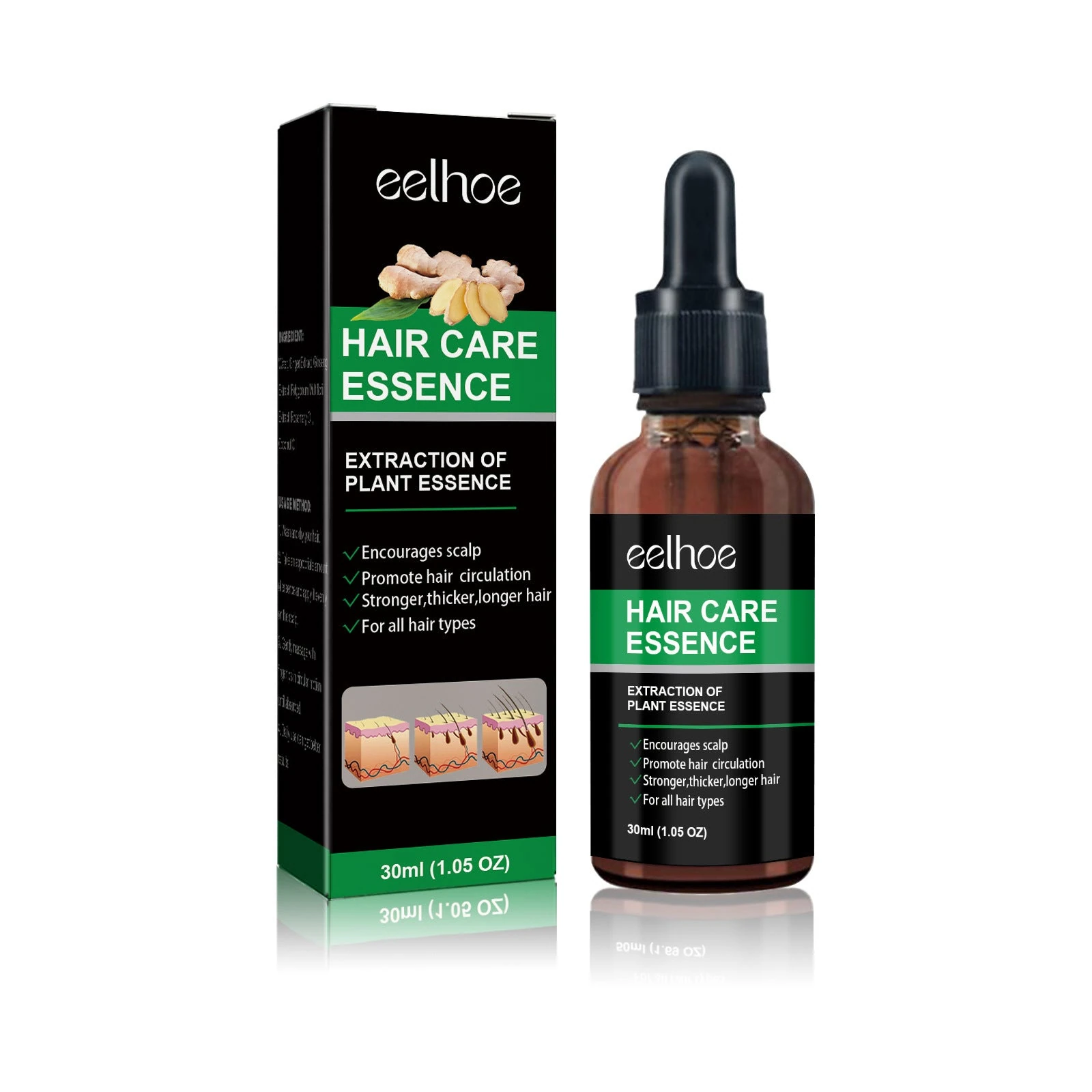
The essence contains ginger root oil within a water-based formula. That is different from buying a bottle of pure essential oil. Glycerin provides a concrete moisturizing ingredient to compare, while the dropper helps direct a small amount to the scalp. Use the finish on your own hair as the practical test: controlled placement matters more than saturating the roots or spreading scalp care through the lengths.
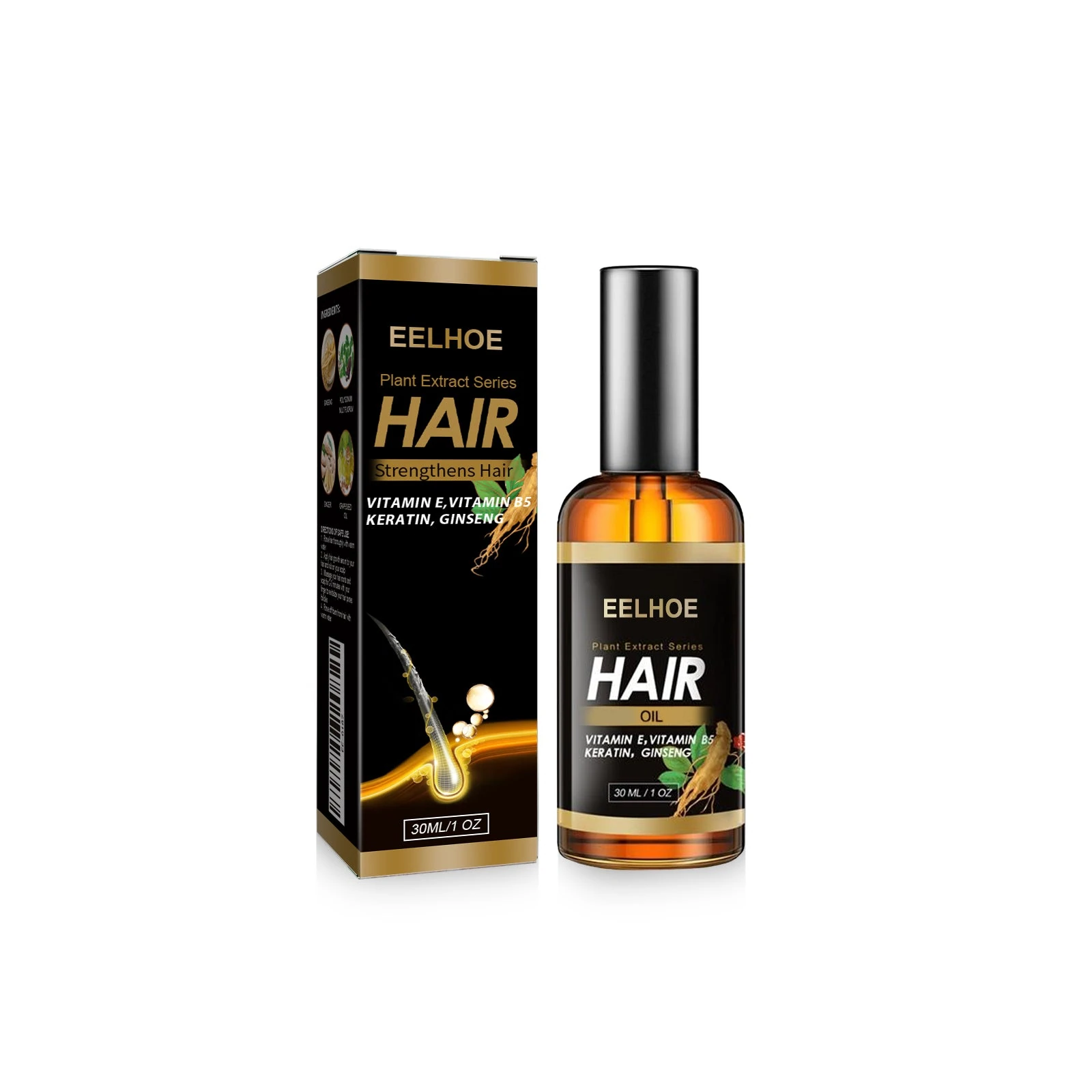
The product name uses essential-oil wording, but the current ingredient panel identifies a finished blend. It is not pure ginger oil or pure castor oil. Castor seed oil on this label also differs from hydrogenated castor oil on the separate 30ml scalp oil. Compare the complete formula and application, and do not transfer a pure-oil study or an advertised growth timeline to this product.
Should You Add Essential Oils?
Adding an essential oil is optional and should not be the default response to slow growth or itch. An aromatic sensation does not establish benefit. A finished formula containing ginger root oil is different from undiluted essential oil; do not copy an ingredient percentage or dose between them.
A 2022 systematic review of coconut, castor and argan oils found weaker evidence for castor oil improving luster and no strong evidence supporting castor oil for hair growth. The findings do not validate an improvised blend. Check known sensitivities and avoid adding several scented oils while trying to identify what your scalp tolerates.
For an oil-based comparison, the castor-oil serum evidence guide distinguishes conditioning uses from the limited hair-growth evidence for castor oil.
How to Use a Homemade Hair Serum
Start with the intended area. A cosmetic ingredient or product suitable for the hair lengths is not automatically directed for scalp use. Keep the amount modest and avoid damaged or irritated skin. A small-area trial can reveal some reactions but cannot establish universal safety or long-term stability.
If you choose a prepared product, use its exact directions instead of the DIY sequence. The 30ml essence below is water-based and directed after washing and drying; the 30ml pump oil has its own scalp application guide. Neither inherits a homemade overnight-soak instruction.
DIY Hair Serum vs. Ready-to-Use Scalp Serum
A homemade serum can be inexpensive and easy to customize, while a prepared product may be more convenient for regular use. The better choice depends on how much control and simplicity you want.
Swipe the table sideways to compare all columns.
| Consideration | Homemade serum | Ready-to-use serum |
|---|---|---|
| Ingredient control | You select the base and can keep the formula minimal. | The ingredient list is prepared in advance and should be reviewed before use. |
| Consistency | Texture and concentration can vary between batches. | Each application is designed to be more consistent when used as directed. |
| Convenience | Requires measuring, mixing and storage. | Usually ready to apply without preparation. |
| Storage | Small batches and clean storage are important. | Follow the product's stated storage and use instructions. |
| Best fit | People who enjoy simple DIY personal care and already know which ingredients they tolerate. | People who prefer a straightforward routine with less preparation. |
If you prefer a prepared option for your routine, you can review the prepared water-based and oil-based scalp-care options compared below. Read the product information and ingredient details carefully, and use the product according to its directions rather than combining it with several other scalp treatments at the same time.
Common Homemade Hair Serum Mistakes
Using Too Much Oil
More product does not necessarily mean better care. Excess oil can make the hair look flat, attract buildup and require repeated shampooing. Begin with a small amount.
Applying Ingredients Directly From the Kitchen
Food ingredients are not automatically suitable for leave-on cosmetic use. Lemon juice, undiluted vinegar, raw garlic and spicy ingredients may irritate the scalp or increase sensitivity to sunlight.
Skipping a Patch Test
Apply a small amount to an inconspicuous area first. Stop if you experience burning, swelling, rash, persistent itching or other concerning symptoms.
Expecting Fast Hair Growth
Hair grows slowly, and visible changes can take time. A serum can be part of a gentle care routine, but it should not replace professional advice when shedding is sudden, severe or accompanied by scalp symptoms.
When to Seek Professional Advice
Consider speaking with a dermatologist or other qualified healthcare professional if you notice sudden hair loss, distinct bald patches, significant scalp redness, pain, scaling, sores or persistent itching. Professional evaluation is also sensible when shedding continues despite changes to your routine. Avoid diagnosing the cause yourself based only on online recipes.
Frequently Asked Questions
Can homemade hair serum make hair grow faster?
There is no guarantee that a homemade serum will speed up hair growth. It may support a conditioning routine, but it cannot address every cause of thinning or shedding.
What is the best oil for a homemade hair serum?
There is no single best oil for everyone. Jojoba and grapeseed oils are commonly selected for lighter textures, while personal tolerance, hair type and scalp comfort should guide your choice.
How often should I use homemade hair serum?
There is no validated universal frequency for a homemade mixture. For a prepared cosmetic oil or serum, follow that product’s directions rather than inventing a weekly schedule.
Can I leave homemade serum on overnight?
A homemade mixture has no established overnight contact time. Do not infer that longer exposure improves results; use a labeled product when you need defined application instructions.
Is a ready-made serum better than a homemade serum?
Neither option is automatically better. DIY serum offers ingredient control, while a prepared serum may provide greater convenience and consistency. Choose based on your routine and how your scalp responds.
Final Advice
A short ingredient list and a small batch do not validate a homemade serum’s preservation or tolerance. Patch test every new mixture, avoid harsh household ingredients, and keep expectations realistic. If your priority is a simpler routine without measuring and mixing, compare the ingredients and directions of a ready-to-use scalp serum before deciding what fits your hair-care habits.
Skip the mixing step when you want a labeled water-based scalp-care option.
Sources and Product Information
- FDA: Microbiological safety and cosmetics — Official guidance accessed October 1, 2026; applies to the stated topic, not a trial of GinGrowth products.
- AAD: Hair loss—Diagnosis and treatment — Official guidance accessed October 1, 2026; applies to the stated topic, not a trial of GinGrowth products.
- 2022 systematic review: coconut, castor and argan oils for hair — Indexed abstract verified through NCBI’s public API October 1, 2026; original study scope applies.
GinGrowth product details were checked October 1, 2026. This guide compares published information and current product specifications; it does not report a GinGrowth clinical trial or personal use test.