
A Hair Lab scalp-soothing routine should begin with the exact product label and a record of when discomfort occurs. This review could not verify a current complete label for Hair Lab Scalp Soothing Serum, so it does not prescribe a product-specific dose. Instead, this guide explains how to simplify and evaluate ordinary scalp care without mixing up moisture, dandruff treatment and hair-loss assessment.
Start with a Short Routine Inventory
List the shampoo, conditioner, dry shampoo, styling products, dye and scalp treatments you currently use. Add when each was introduced and where it is applied. This can reveal that several new products entered the routine at once.
Include a readable product name rather than a description such as the green bottle. Hair Lab wording alone does not establish a single manufacturer or formula, and a seller’s abbreviated title is not a complete application reference.
Record the Symptom before Changing the Routine
Note whether discomfort happens immediately after washing, after a styling product, during exercise or beneath a tight style. Describe redness, flakes, pain or a change in shedding without assuming they all have the same cause.
A timeline can help a clinician or pharmacist review the situation. It is not a home diagnosis, and it should not be used to justify continued exposure to something that clearly worsens symptoms.
Before assigning a formula to that name, the Hair Lab product-label checklist explains which manufacturer and label details still need confirmation.
Swipe the table sideways to compare all columns.
| Decision | Documented detail | Purchase implication |
|---|---|---|
| Routine | Record products and symptom timing | Change one optional step at a time |
| Label | Exact Hair Lab instructions unverified | Follow the amount and frequency on the package |
| Care | Cleanser versus leave-on tonic | Separate roles and rinse instructions |
Keep Cleansing Gentle and Product-Specific
Use a cleanser according to its own directions, distribute with fingertips and rinse as instructed. A scalp-serum purchase does not replace the wash step or require aggressive scrubbing to prepare the skin.
If you use a medicated shampoo, preserve its application and contact instructions. Do not shorten or extend them based on the directions of an unrelated cosmetic.
Keep Rinse-Out Conditioner in Its Own Step
A conditioner intended for lengths and ends supports handling of existing hair and is rinsed out according to its label. It is not automatically a leave-on soothing scalp treatment.
If the scalp is uncomfortable but the ends are dry, those two needs can be handled separately. Moving a rich length product onto the scalp simply because both areas feel dry can change residue without addressing the cause of discomfort.
For the separate everyday-care choice, review the 100ml Ginger Shampoo for Thinning Hair.
Separate the Wash Step from Moisture
These GinGrowth products are ordinary care and do not duplicate an unverified Hair Lab serum. GinGrowth sells the two products below.
Swipe the table sideways to compare all columns.
| Detail | 100ml Ginger Shampoo for Thinning Hair | 40ml Ginger Hair Tonic for Scalp & Roots |
|---|---|---|
| Format | Rinse-off liquid cleanser | Water-based dropper tonic |
| Ingredient highlights | Ginger, coconut oil and Polygonum multiflorum highlighted in the product materials. | Ginger extract, glycerin, sodium PCA and panthenol, alongside aqua, in the product artwork. |
| Application | Wet hair and scalp, lather, massage gently with fingertips and rinse thoroughly. | Part hair, apply a small amount, massage gently for 2–3 minutes and leave on. Follow the current bottle for frequency. |
| Reason to compare | Choose for ordinary cleansing of oil and everyday buildup, with a softer-hair focus. | Choose for a larger dropper format with humectant and conditioning ingredient highlights. |
View 100ml Ginger Shampoo for Thinning Hair or compare 40ml Ginger Hair Tonic for Scalp & Roots. Review the current product page for price and package details.
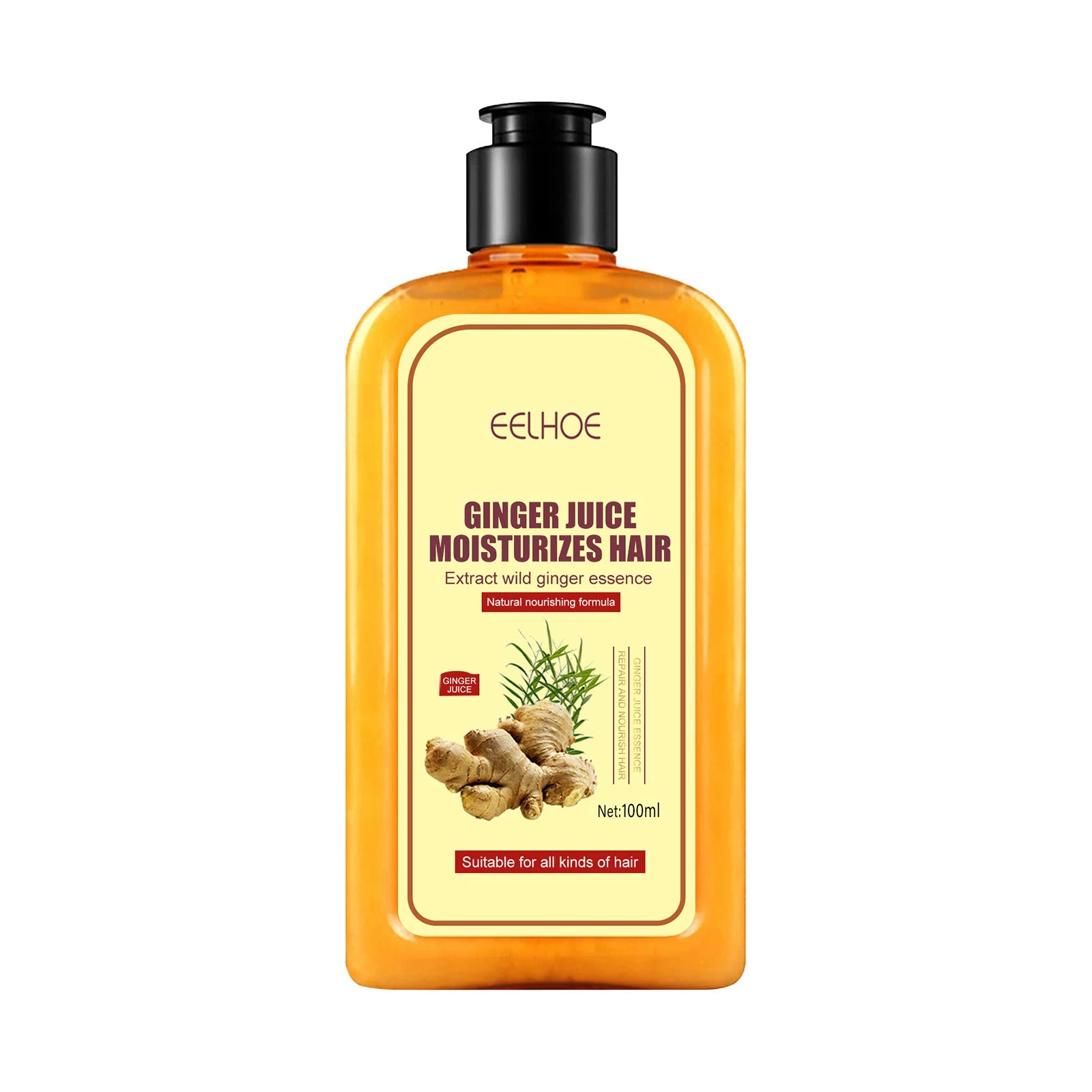
This shampoo belongs in the wash step. Its purpose is scalp cleansing and softer-feeling hair, rather than a leave-on scalp layer. The highlighted ingredients are not a complete concentration statement. If you use a medicated shampoo or a specific pre-shampoo treatment, keep its directions in place and decide whether an additional cleanser is necessary before adding another bottle.
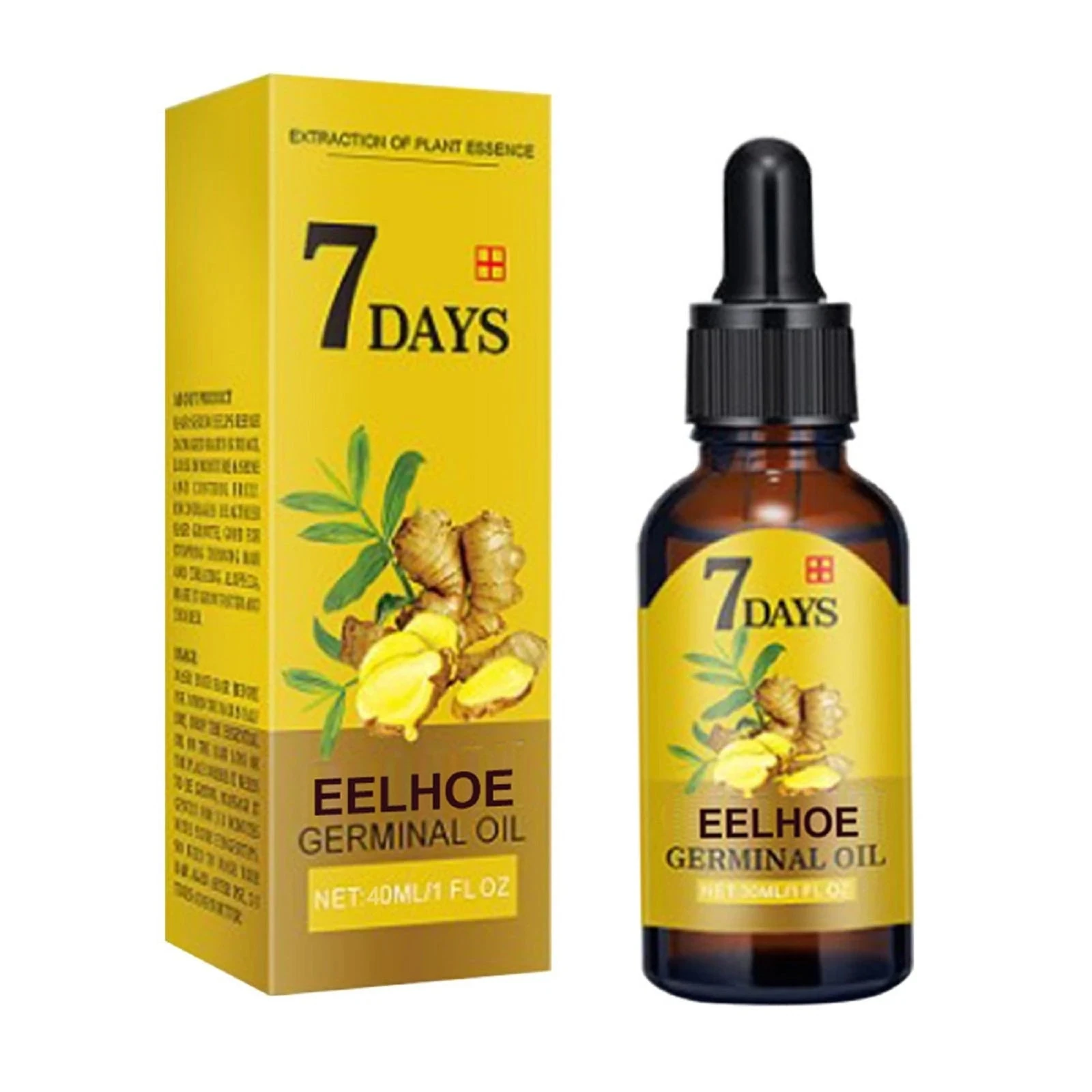
Glycerin and sodium PCA are moisture-binding ingredients, while panthenol is used for conditioning. The highlighted ingredient graphic is not a percentage breakdown. The word tonic describes this product choice; it does not establish a stronger concentration than the smaller essence. Compare the ingredients you prefer and whether direct dropper placement feels convenient in your routine.
Add Moisture Only for a Clear Ordinary-Care Need
A separate scalp moisturizer may be relevant when ordinary moisture is the missing job. Choose it by complete ingredients, intended area and the directions of the actual bottle.
The current Hair Lab label was not verified in this review, so no specific drop count, frequency or overnight duration is assigned to it. Ask the seller for those details rather than copying them from a routine for another serum.
Compare GinGrowth Washing and Moisture
GinGrowth sells the shampoo and tonic below. The shampoo is a rinse-off cleanser; the tonic is a water-based leave-on scalp-moisture step. Their instructions are documented separately in the current product information.
Neither is presented as an exact Hair Lab formula or a medical remedy for ongoing inflammation. If you already have a suitable cleanser, the comparison does not require buying another one; identify the job that remains unmet.
Avoid Stacking New Active Steps
Adding an exfoliant, scented oil and serum together makes it difficult to identify which changes the scalp’s comfort. A simpler routine gives a clearer record of what was used and when.
Do not mix prescribed medication into a cosmetic or borrow its schedule. Seek product-specific advice about compatibility if treatment is already part of your routine.
Review Flakes with the Right Question
The AAD’s dandruff advice concerns the chosen treatment and its use. A cosmetic called soothing does not establish a dandruff active or explain the cause of persistent flaking.
The AAD also describes other causes of scalp itch. If redness, pain or scaling continues, a change in diagnosis or care may be more useful than adding another moisturizing layer.
If itching and thinning occur together, home care for an itchy scalp with thinning hair explains practical routine checks and when assessment becomes the more useful next step.
Keep a Practical Evaluation Record
For a cosmetic, note comfort, residue and how the roots feel under similar washing and styling conditions. Record other changes, including a haircut, color service or different hairstyle.
Do not use an arbitrary week-by-week growth promise to judge a product whose label was not verified. If the concern is continuing thinning, get an assessment and follow the review plan for the actual treatment chosen.
Frequently Asked Questions
Should every soothing serum be applied daily?
No. Frequency comes from the exact current label, not the category name.
Can a rinse-out conditioner become an overnight scalp treatment?
Use its own label; the store’s conditioner discussed elsewhere is a separate rinse-out length product.
Does a comfortable scalp prove hair loss has stopped?
No. Comfort and the cause of continuing loss are different questions.
Leave the Routine Easier to Explain
A useful routine has identifiable products, separate wash and leave-on steps, and a clear reason for each. Keep the current label with your notes and stop a product that worsens symptoms. If ordinary care does not resolve the concern, bring that record to an appropriate professional instead of making the routine increasingly complex.
Choose the care role and formula that match your routine.
Sources and Product Information
- AAD: Hair loss diagnosis and treatment — Guidance checked October 1, 2026; not a trial of the cosmetics compared here.
- AAD: Causes of scalp itch — Guidance checked October 1, 2026.
GinGrowth product details were checked October 1, 2026. This guide compares published information and current product specifications; it does not report a GinGrowth clinical trial or personal use test.